Compare the four machine directions listed for stamped components. Keep stacking, tangling, chamber fit, transfer and separation observations with the representative-part trial.
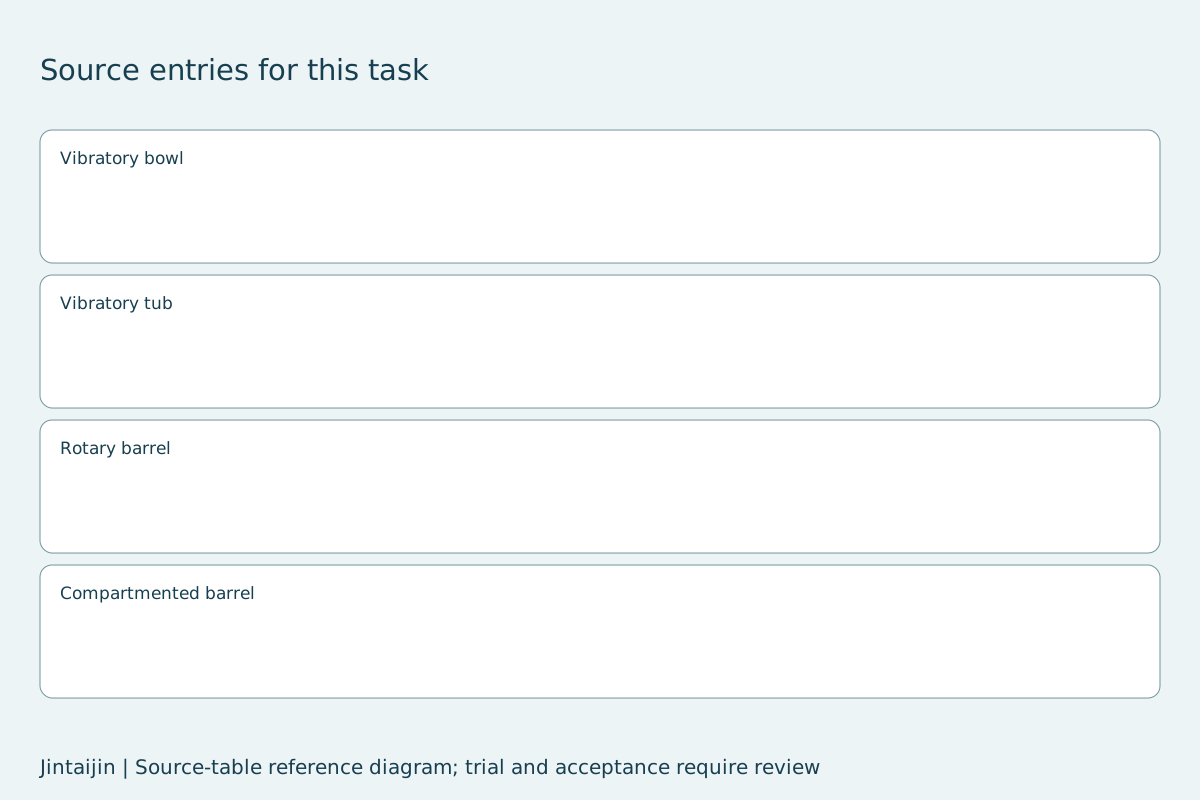
Select the entries relevant to your review.
Possible causes are hypotheses; source adjustments are conditional review directions, not approved settings or confirmed diagnosis. Check feature access and media lodging on representative parts; chemistry and operating limits require supplied guidance. Keep every selected requirement with the part and the actual trial record. Selecting a row does not show that its acceptance condition has been met.
Record part length and shape, flat-part stacking or hooking, isolation needs, chamber fit and the proposed separation method. A source application description does not confirm that a supplied machine has compartments or meets your throughput. Confirm its actual configuration and test unloading without part damage.
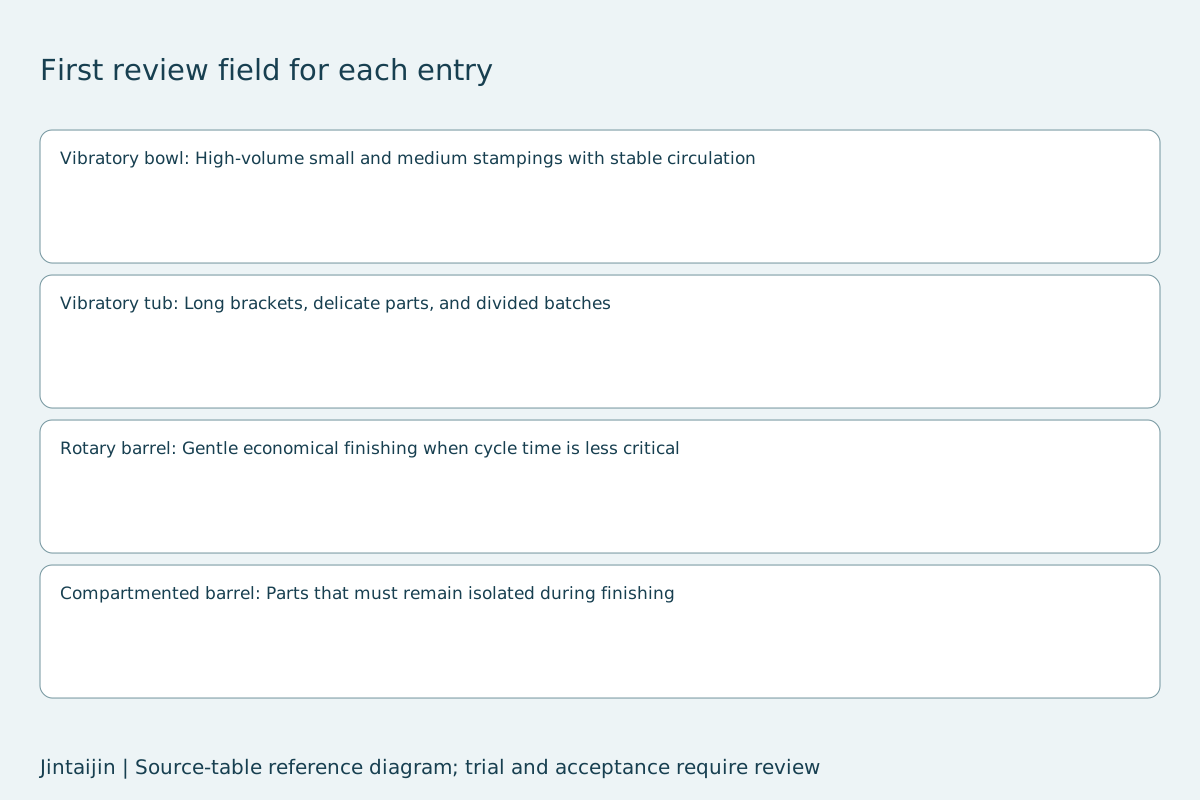
Best Starting Application: High-volume small and medium stampings with stable circulation
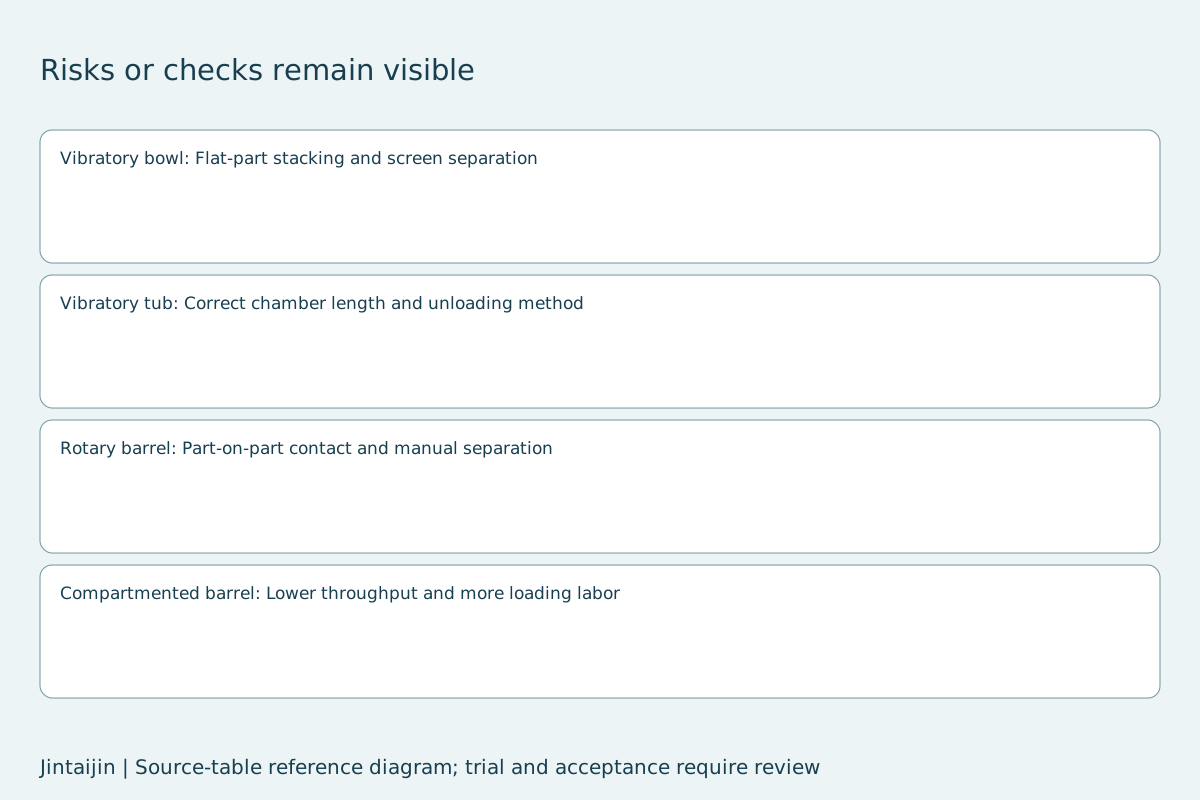
Watch For: Flat-part stacking and screen separation
Best Starting Application: Long brackets, delicate parts, and divided batches
Watch For: Correct chamber length and unloading method
Best Starting Application: Gentle economical finishing when cycle time is less critical
Watch For: Part-on-part contact and manual separation
Best Starting Application: Parts that must remain isolated during finishing
Watch For: Lower throughput and more loading labor
Read the Jintaijin technical article. Source table reviewed 3 October 2026. Possible causes, directions and adjustments remain conditional reference fields.
Email : info@surface-polish.com


 IPv6 network supported


 +86-592-2381506