Choose a vibratory finishing setup by part geometry, finish target, batch size, and separation method.
Review deburring, edge radiusing, cleaning, polishing, wet or dry processing, media access, and the limits that should be confirmed in a sample trial.
Vibratory finishing is a mass-finishing process. Parts and abrasive media are loaded together into a vibrating tub or bowl. The vibration moves the media mass, and the media rubs against every reachable surface of the parts. The outcome is deburring, edge radiusing, surface smoothing, cleaning or brightening, depending on the media, the compound and the cycle settings.
Because one machine can produce different results with different media and settings, the practical order is to define the part and the finish target first, then test a representative sample. The questions below follow that order.
| Buyer question | What to verify |
|---|---|
| Bowl or tub? | Part length, batch volume, loading, separation and part-on-part risk. |
| Wet or dry? | Water tolerance, cleaning need, drying boundary and media choice. |
| What trial is needed? | Representative parts, acceptance criteria, media, compound, time and measurement. |
Media can lodge in holes, slots and threads. Aggressive settings can change edge radius or critical dimensions. Delicate, tangled, long or contact-sensitive parts may need a tub, fixture, drag/stream process, or another separation method. Final suitability is trial-dependent.
Compare barrel finishing machines, tub vibrators, and magnetic finishing machines when geometry or separation changes the process choice.
Material, dimensions, batch weight, incoming defect, target finish, protected features, current process, photos or drawings cleared for review, and the inspection method.
A bowl suits parts that can tumble freely and need a compact, high-throughput footprint. A tub suits long or heavy parts that should lie in the media mass without falling over each other. Part length, batch weight and the way the parts sit in the mass decide this more than nominal capacity does.
Media is chosen together with the part: its material, the smallest hole or slot the media must reach, the required edge radius, and whether the process is wet or dry. Ceramic, plastic, steel and dry media such as walnut shell or corn cob each cover different combinations. Media that is too large cannot reach the feature; media that is too small can lodge in it.
Cycle time is not fixed by the machine. It depends on the incoming burr or surface condition, the target finish, the media, the compound and the loading ratio. A representative sample test is what establishes the working cycle for a specific part, rather than a published figure.
Vibratory finishing is a finishing process, not a cutting one. A heavy burr often needs a cutting stage before finishing. Edges are radiused by the process, so features that must stay sharp are a reason to check whether this route fits at all.
Email : info@surface-polish.com


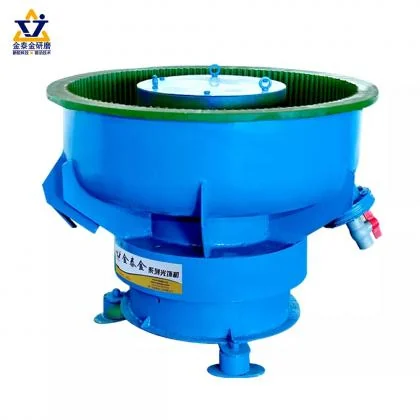
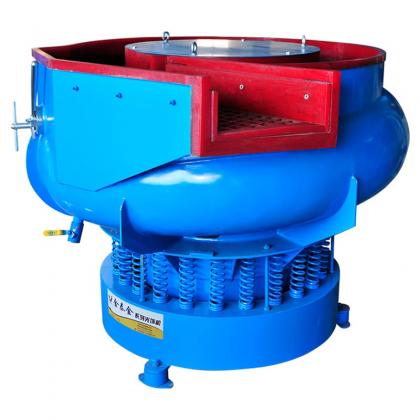
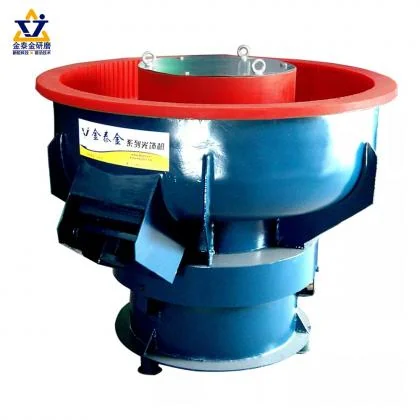
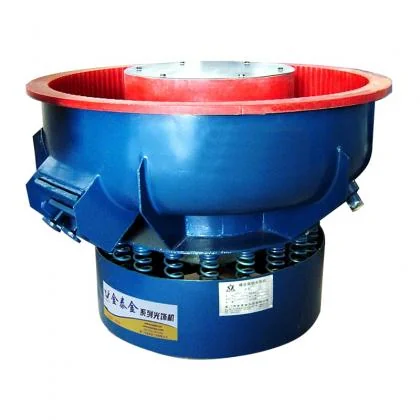
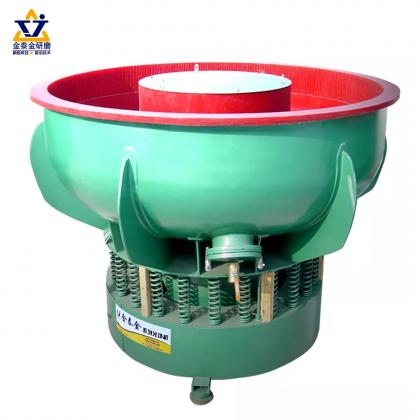
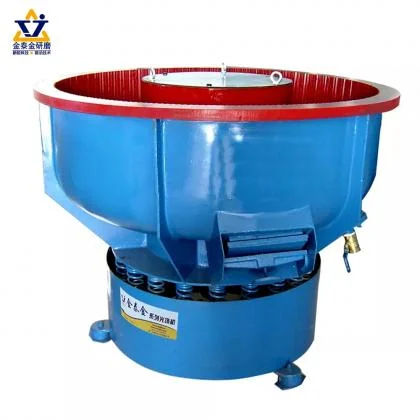
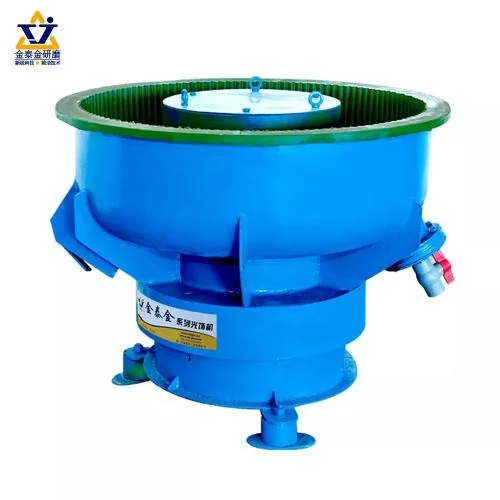
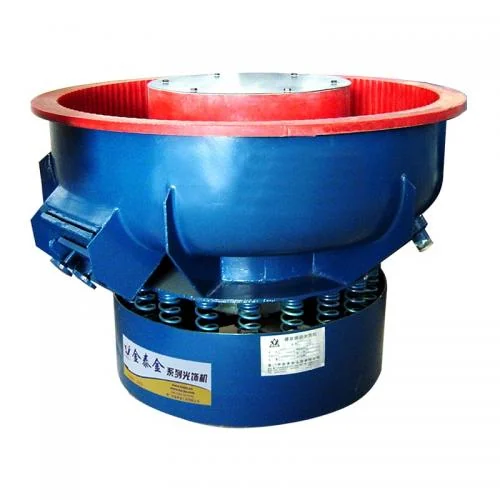
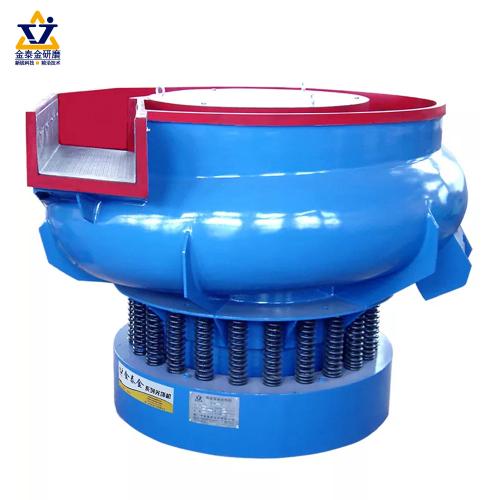
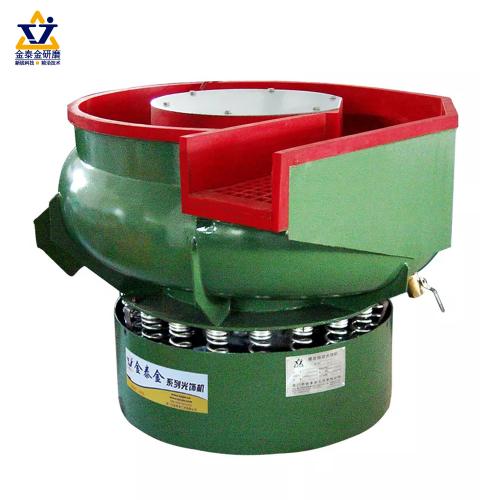
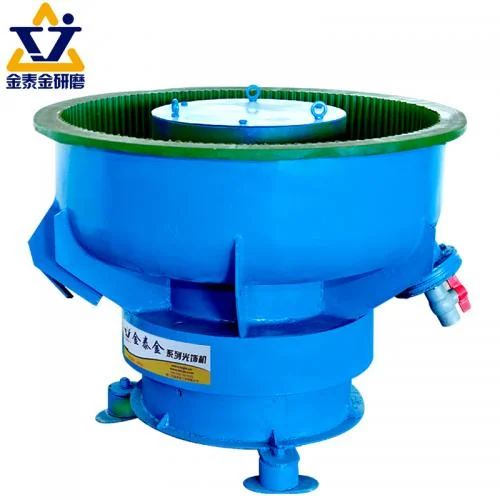
A vibratory tumbler is the machine side of vibratory finishing: a tub or bowl is loaded with parts and media, and the vibratory motion drives the media mass against the parts. The same machine is sold under several names, so "vibratory tumbler", "vibrating tumbler" and "vibratory finisher" describe the same family — the frame, the drive and the container are what actually differ.
| Tumbler type | Suits | Check before choosing |
|---|---|---|
| Tub vibratory tumbler | Long or heavy parts that should lie in the media mass instead of tumbling over each other | Loading pattern, usable floor space, how media is separated at the end |
| Bowl vibratory tumbler | Parts that can tumble freely, where a compact footprint matters | Whether thin or tangled parts can be marked by part-on-part contact |
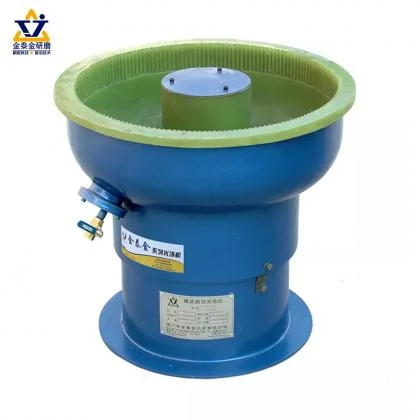
| Benchtop vibratory tumbler | Small batches, jewellery and small hardware | Nominal capacity is the bowl volume, not a validated load for a given part |
Machine size is only one input. The media, the compound, the cycle settings and the loading ratio decide the result, which is why the same tumbler can produce very different finishes. The selection questions further up this page follow the part first and the machine second.
Deburring, edge radiusing, surface smoothing, cleaning and brightening on metal and plastic parts. Dry processes with walnut shell or corn cob media are used for drying and light polishing. A vibratory tumbler is a finishing machine: it does not replace a milling or cutting operation, and heavy burrs usually need a cutting stage first.
A rotary tumbler rotates a barrel and suits parts that can fall over each other freely, including small batches of delicate or easily tangled parts. A vibratory tumbler keeps the media mass moving in place, which generally reaches recesses better and handles larger batches. Which one fits depends on part geometry, batch size and how much surface has to be reached.
The largest part, the batch weight and the usable media-to-parts ratio matter more than nominal capacity. A part that is large relative to the container will not finish evenly however much capacity is left, so the smallest opening the media must reach and the displacement of the parts both have to be checked.
Not usually to a bright finish. Cutting and polishing pull in different directions: a fast-cutting ceramic media removes the burr and radiusing while a burnishing stage with steel media or a finer media is what brings up brightness. Many processes therefore run two stages, and a sample test is what establishes whether one stage is realistic for a specific part.
Capacities are the nominal figures published for each model. A nominal capacity is the machine volume, not a validated load for your part.
| Model | Nominal capacity | Separating unit | Typical fit |
|---|---|---|---|
| Vibratory finisher, small range | 60 L / 80 L / 100 L | — | Small parts, bench-to-floor scale |
| Vibratory burnishing machine | 150 L / 200 L / 300 L | — | Burnishing and light deburring |
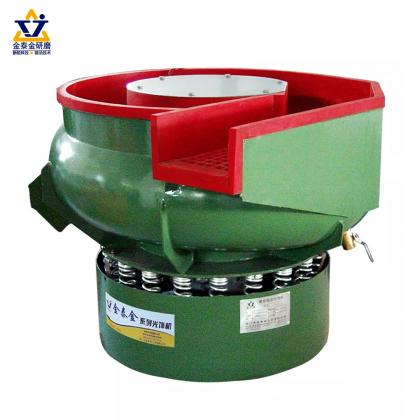
| Vibratory finishing machine with separating unit | 200 L | Yes | Where media separation is needed in-line |
| OBD ZL300C | 300 L | Yes | Medium batch with automatic separation |
| OBD ZL350 | 350 L | — | Medium batch, general deburring |
| OBD ZL600C | 600 L | Yes | Larger batch with automatic separation |
| Vibratory polishing machine | 600 L / 900 L / 1500 L | — | Polishing at larger batch sizes |
| Vibratory metal polishing machine | 600 L / 1200 L | — | Metal parts, polishing stage |
| Tub vibratory machine, L series | 1200 L / 1500 L / 1800 L | — | Long or heavy parts that will not fit a bowl |
Model names and nominal capacities as published on the corresponding product pages. Typical fit describes the range only; it is not a statement about your part.
 IPv6 network supported










 +86-592-2381506
