Rotary Barrel Tumbling Machines: Gentle Batch Polishing
A rotary barrel tumbling machine is the simplest mass finishing system there is: a barrel, a load of parts and media, and a motor that turns it. Its value is not speed — it is gentleness and predictability, which is why it remains the right choice for delicate parts and for burnishing work.
How rotary barrel tumbling works
As the barrel turns, the media charge climbs the rising wall, reaches its angle of repose, and the top layer slides down over the rest. Parts are caught in that sliding layer and are worked by the media as it moves past them. Three consequences follow:
- No impact — nothing is thrown or driven hard against the part. The action is sliding contact, which is why thin sections and soft metals survive.
- Predictable result — the same load, media and speed produce the same finish cycle after cycle, which matters when the finish is specified.
- Long cycles — the energy per unit time is low, so a comparable result takes longer than in a high-energy process.
Wet or dry, and the media that decides it
| Wet rotary tumbling | Dry rotary tumbling |
|---|
| Media | Ceramic or plastic abrasive media | Walnut shell, corn cob, wood media |
| Compound | Cutting or burnishing compound in water | Dry polishing compound, or none |
| What it does | Deburring, radiusing, burnishing | Drying, absorbing residue, brightening |
| Typical parts | Metal components | Jewellery, wood, delicate or plated surfaces |
The media is not a consumable detail — it is the process. A ceramic media that cuts will radius an edge; a steel media with burnishing compound will brighten it without removing material; an organic media will dry and absorb rather than cut. Choosing the process means choosing the media.
What rotary barrel tumbling is good at
| Application | Why the rotary barrel suits it |
|---|
| Burnishing to a bright finish | Steel media works the surface without cutting it |
| Delicate, thin-walled or soft-metal parts | Sliding contact rather than impact |
| Jewellery and small decorative parts | Gentle action preserves detail and surface |
| Parts where a repeatable finish is specified | Cycle-to-cycle consistency is high |
| Small batches where a high-energy machine is not justified | Simple, low-cost, and matches the batch |
Where rotary barrel tumbling does not fit
- Heavy burrs — the energy is too low. A disc or centrifugal barrel machine is the right tool.
- Production throughput targets — long cycles mean low hourly output from a single barrel.
- Parts that need individual inspection mid-cycle — the load is processed as a batch.
- Large or long parts that cannot tumble — the part has to be able to be carried in the sliding layer.
Choosing a rotary barrel machine
| Variable | What it controls |
|---|
| Barrel volume | The batch mass and the largest part that can tumble freely |
| Barrel shape | Whether the load slides properly — polygonal barrels tumble differently from round ones |
| Rotation speed | The energy available and whether the load slides or cataracts |
| Barrel lining | Whether the barrel itself marks or contaminates the part |
| Media and compound | Whether the process cuts, burnishes or polishes |
The most common specification mistake is sizing on part dimensions alone. A part that fits inside the barrel but cannot be surrounded by media is not being processed.
Equipment range
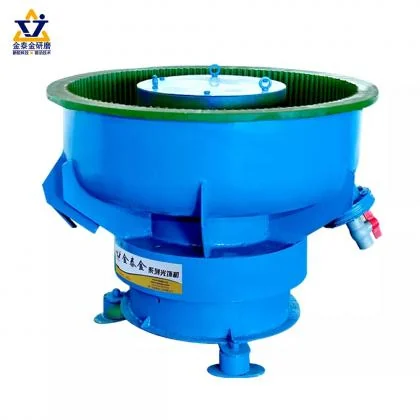
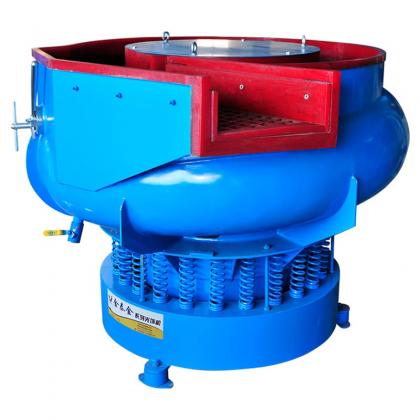
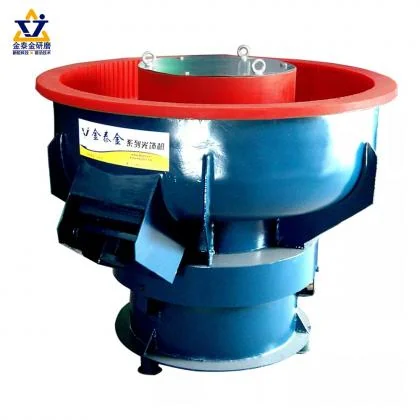
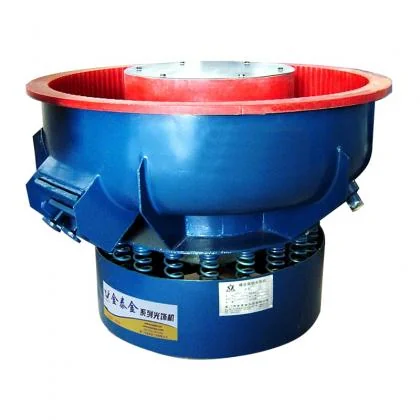
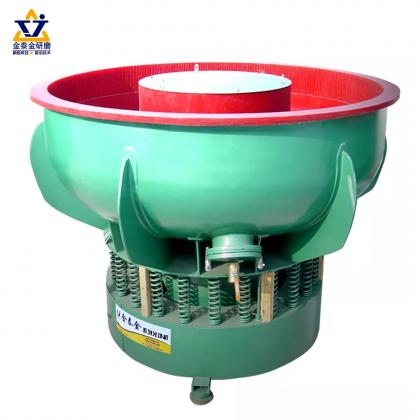
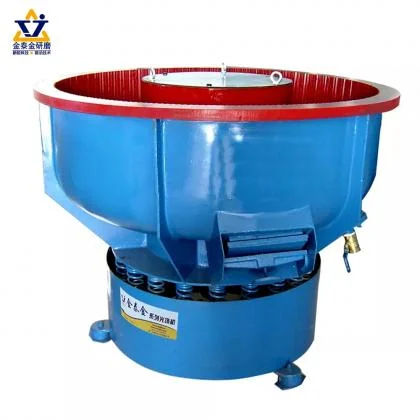
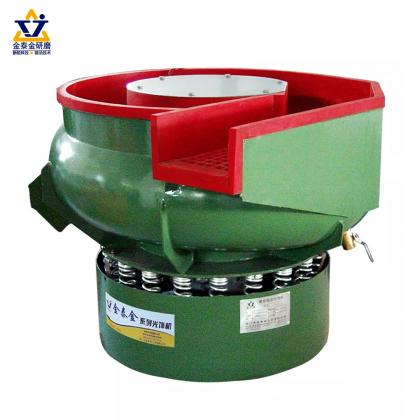
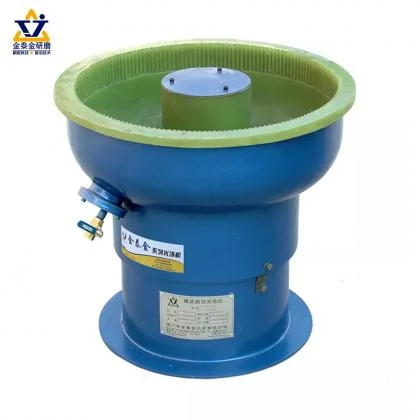
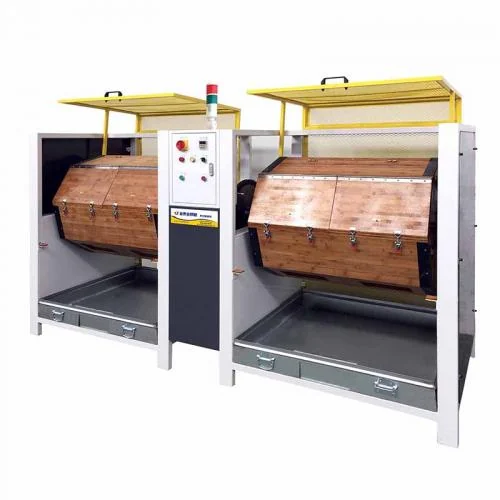
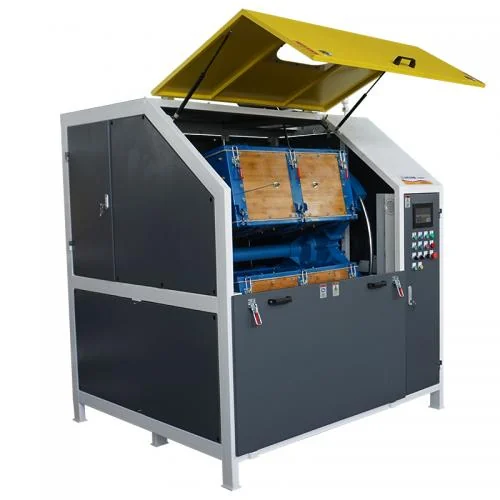
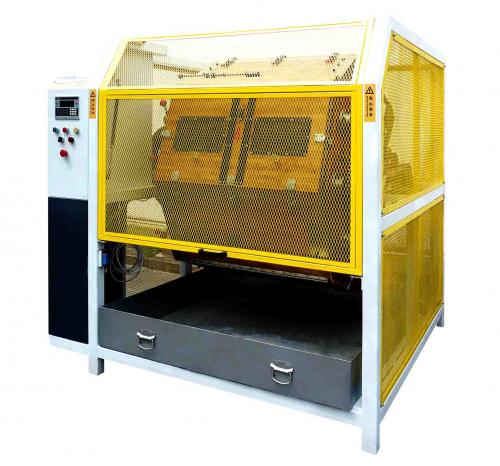
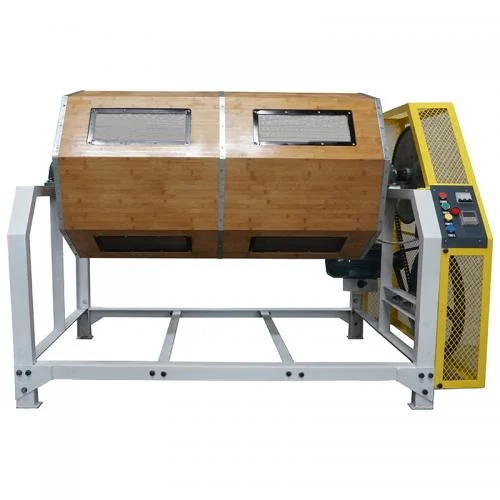
The models in this range differ in barrel volume and drive arrangement, which together set the batch mass and the energy available. Rather than publish a capacity list, the useful question is which model suits a specific part — the answer depends on part geometry, the surface requirement, and the batch size.
Specifying a rotary barrel for a part
- Part geometry — largest dimension, whether the part can tumble freely, and any feature that must not be reached.
- Incoming condition — burr size, surface condition and features to preserve.
- Finish target — cut, burnish or polish, and how the result will be inspected.
- Batch mass — how much has to be processed per cycle.
Frequently asked questions
What is the difference between rotary barrel tumbling and vibratory finishing?
A rotary barrel turns the whole load and relies on the sliding layer to work the parts; a vibratory bowl vibrates the media and processes parts more quickly. The barrel is gentler and slower; the bowl is faster and accepts larger parts.
Can rotary barrel tumbling produce a mirror finish?
Not by cutting alone. A burnishing stage with steel media and compound can brighten a surface substantially, but a true mirror on hard metal usually needs a subsequent polishing stage with a finer medium.
How long does rotary barrel tumbling take?
Hours for a comparable result — the process is slow by design. The exact cycle is set by a trial on representative parts, not by a table.
Can I tumble delicate parts in a rotary barrel?
Yes — this is its main advantage. Sliding contact rather than impact means thin sections, soft metals and finished surfaces survive where a high-energy process would mark them.
What media should I use?
Ceramic or plastic abrasive media for cutting and deburring; steel media with burnishing compound for brightening without material removal; organic media (walnut shell, corn cob, wood) for dry drying and brightening.
What should be sent for a barrel recommendation?
Part material, largest dimension, whether the part can tumble freely, the incoming condition, the finish target, and the batch mass.
Discuss your workpiece
Send the part details and the finish requirement. The useful inputs are the geometry, the starting condition, the finish the part is allowed to have, and how the result will be inspected. The machine and the media follow from those.
We manufacture rotary barrel tumbling machines and the media and compounds for them. Specifications describe the listed range; confirm the exact configuration and cycle for your part with a trial on representative parts.


 IPv6 network supported





 +86-592-2381506
