Dry and wet stages perform different roles for acetate frames. Compare the listed factors before choosing a stage: the source contrasts smoothing and luster development with cleaning, cutting and pre-finishing. It also distinguishes organic or wood media carrying compatible compound from a water-based media and liquid-compound system. This tool keeps risks and downstream duties beside those roles. Select the factors relevant to your actual frame and review both columns rather than treating either route as universally preferable.
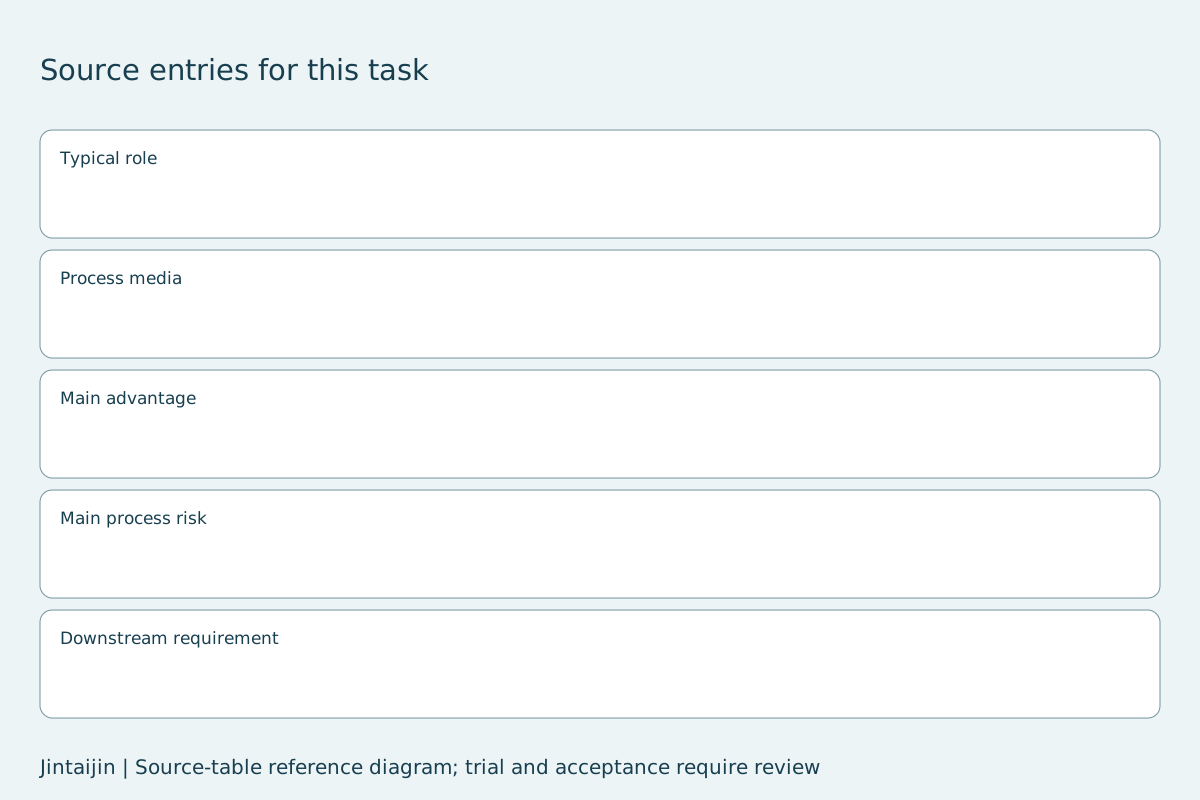
Select the entries relevant to your review.
Compare media, process risks and downstream cleaning; no recipe selection. Keep every selected requirement with the part and the actual trial record. Selecting a row does not show that its acceptance condition has been met.
A dry-stage trial needs a dust and residue inspection. A wet-stage trial needs a complete rinse and drying review as well as water and compound management. Record temperature trends, protected grooves, frame fit and incoming condition. The source gives no safe exposure time, water specification, compound dose or allowable dimensional change. Agree those conditions before a trial and compare the inspected frames after final cleaning.
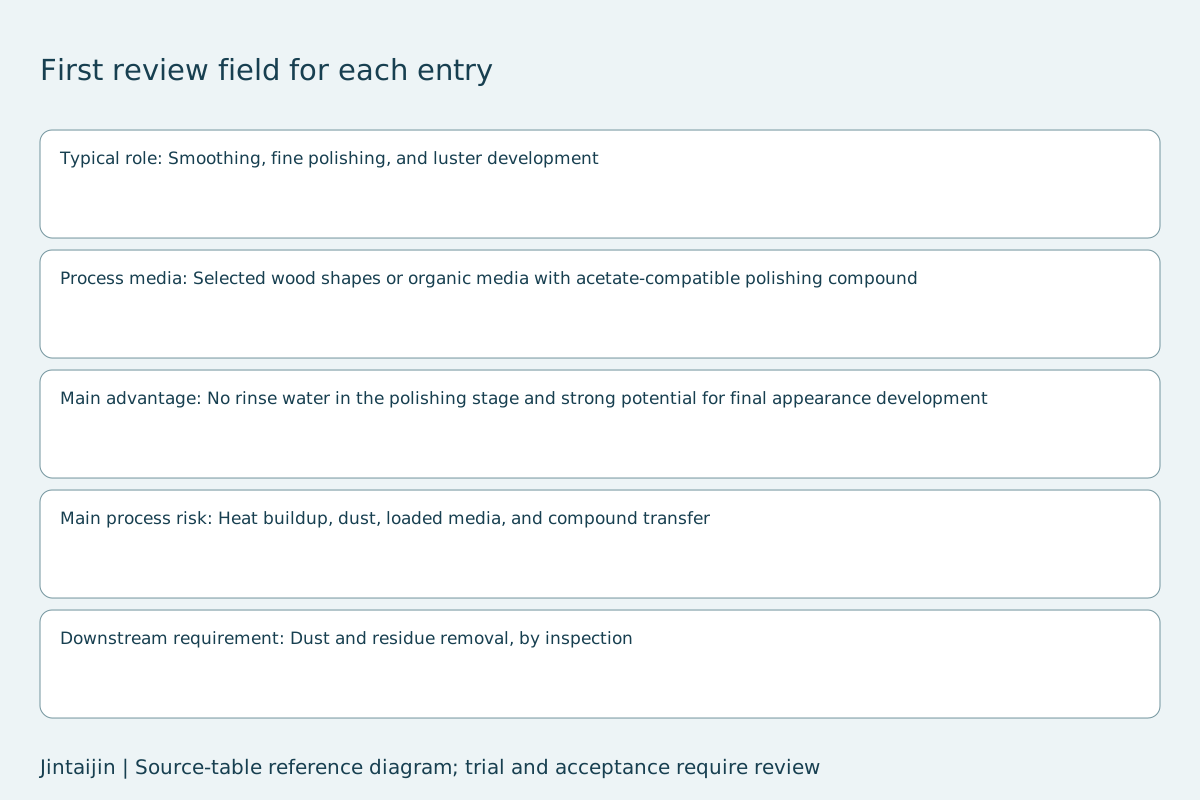
Dry Tumbling: Smoothing, fine polishing, and luster development
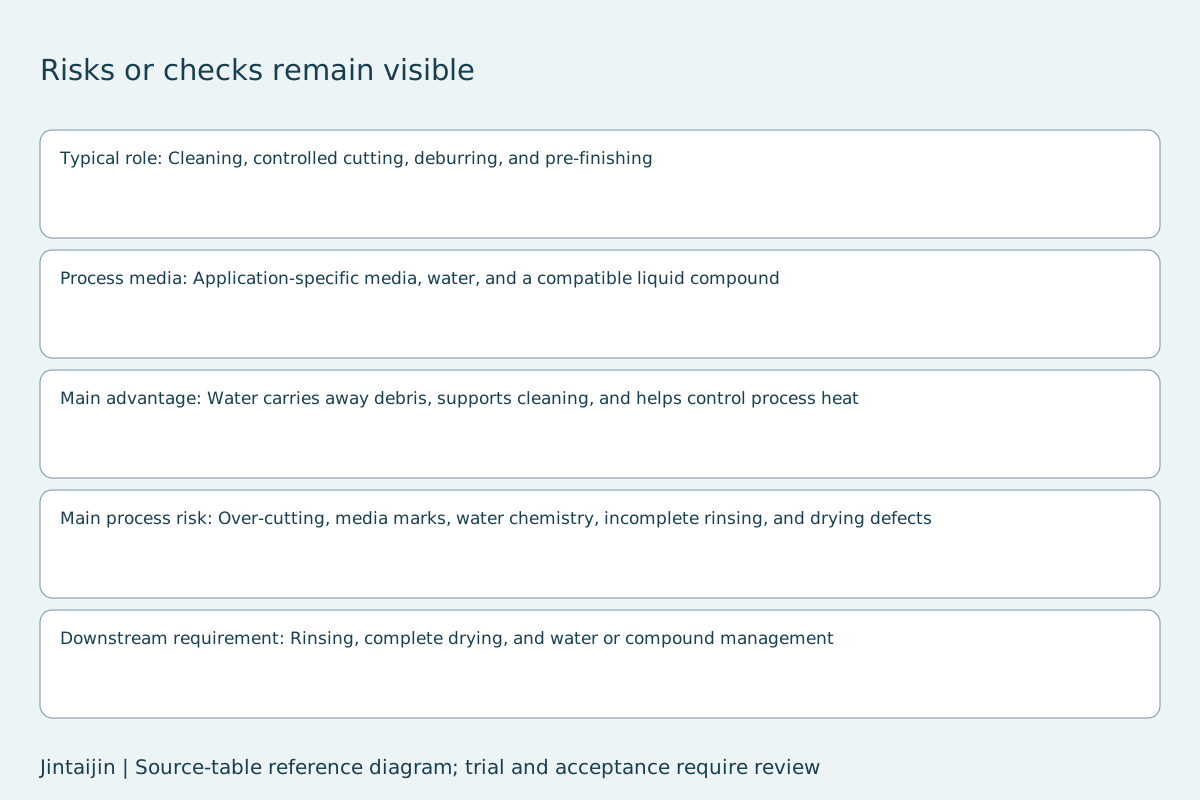
Wet Tumbling: Cleaning, controlled cutting, deburring, and pre-finishing
Dry Tumbling: Selected wood shapes or organic media with acetate-compatible polishing compound
Wet Tumbling: Application-specific media, water, and a compatible liquid compound
Dry Tumbling: No rinse water in the polishing stage and strong potential for final appearance development
Wet Tumbling: Water carries away debris, supports cleaning, and helps control process heat
Dry Tumbling: Heat buildup, dust, loaded media, and compound transfer
Wet Tumbling: Over-cutting, media marks, water chemistry, incomplete rinsing, and drying defects
Dry Tumbling: Dust and residue removal, by inspection
Wet Tumbling: Rinsing, complete drying, and water or compound management
Read the Jintaijin technical article. Source table reviewed 3 October 2026. Possible causes, directions and adjustments remain conditional reference fields.
Email : info@surface-polish.com


 IPv6 network supported


 +86-592-2381506