


Vibratory Finishing Capacity and Media Load Calculator
Plan the space allocated to parts and media, then count complete batches within the time available. Use measured trial inputs. The result is a planning ceiling for one sequential batch machine; it does not select a machine model or predict roughness, polishing time, or safe loading.
Calculate from your trial measurements
Enter trial measurements, then calculate.
What the calculation includes
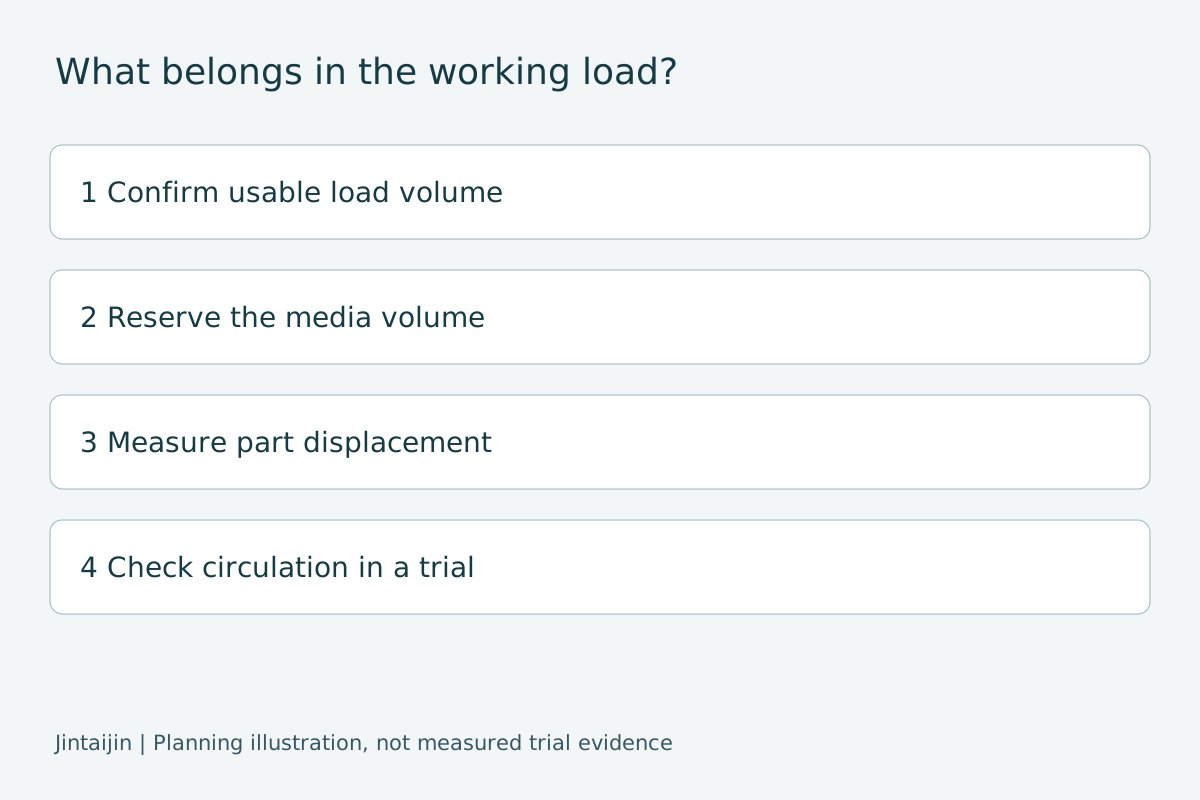
Divide usable load volume by one plus the media-to-parts ratio to obtain the part allocation. Convert liters to cubic centimeters and divide by the occupied volume per part. Round down to whole parts. Divide available shift minutes by finishing plus handling minutes, rounding down to complete batches. Apply the entered acceptance rate to the loaded count, again rounding down.
Usable volume must be confirmed for the intended machine and load. Enter occupied volume measured for the intended part loading, rather than deriving it from metal density. Hollow or interlocking parts need particular attention to how they fill space. The volume result needs a separate check against permitted load mass and chamber clearance.
Worked planning example
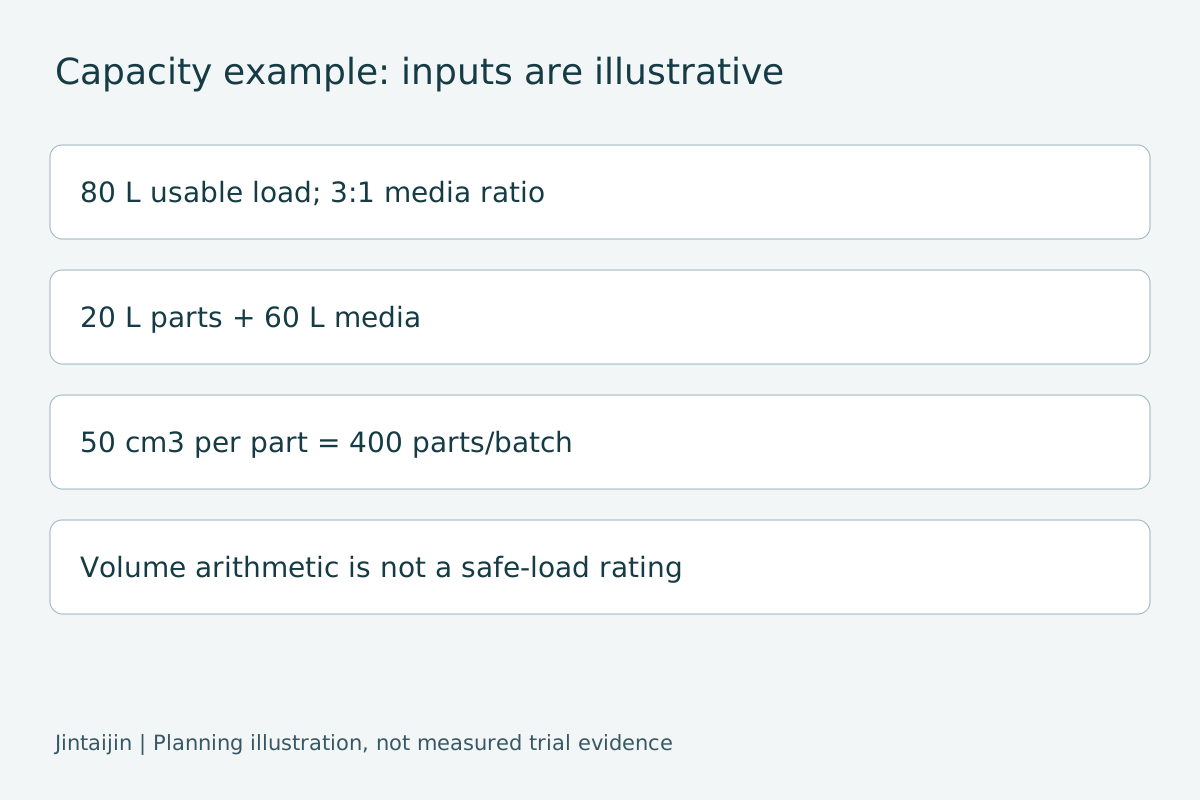
Illustrative inputs: 80 L usable load, a 3:1 media ratio, 50 cm3 occupied volume per part, 45 minutes finishing, 15 minutes handling, 8 available hours and 95% acceptance. The arithmetic returns 20 L allocated to parts, 60 L to media, 400 parts per batch, 8 complete batches, 3,200 loaded parts and 3,040 accepted parts. These numbers are not Jintaijin process settings or measured customer results.
Turn the ceiling into a production plan
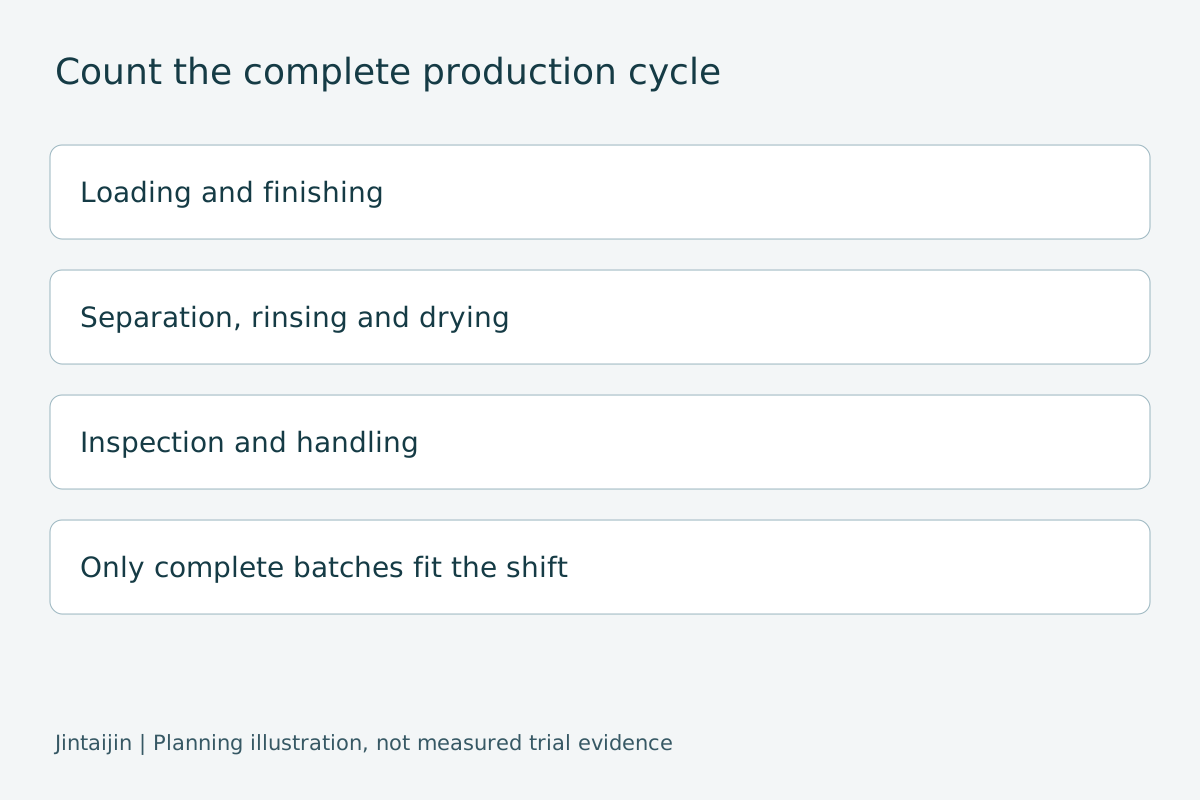
Time a complete batch using the actual separation, rinsing, drying and inspection route. Record any waiting, unloading or cleaning time that prevents the next batch from starting. Subtract scheduled breaks and planned changeovers from available hours. If downstream stations operate in parallel, check their independent capacities; this single-machine calculator does not model a production line.
Run the intended part count in a representative trial. Inspect critical edges, holes and protected faces, and record rejects using the buyer's acceptance method. If the trial produces damage or trapped media, revise the process and repeat the measurement before accepting the capacity estimate.
Questions before choosing equipment
Can I enter nominal chamber capacity?
Use the confirmed usable load volume instead. Nominal liters alone do not establish the space available for the intended mix.
Does a 3:1 ratio work for every part?
No universal ratio is selected here. Enter the ratio being evaluated in your trial and check contact damage, circulation and separation.
What if the result is zero?
The inputs do not fit a whole part or a complete batch. Review usable volume, occupied part volume and the complete cycle duration. Do not remove necessary handling steps simply to increase the number.
Compare published large-tub model records
For a large tub route, use the L1300, L1500 and L1800 parameter query to compare published nominal capacities and outside dimensions. Its nominal-liter filter does not supply the validated usable load volume required by this batch calculator. Keep the current drawing and the part trial with the model review.
Discuss a trial and equipment recommendation
Send part drawings, material, photographs, protected features, required output, trial loading and measured batch times. Include the inspection method and acceptable reject rate.
Open the enquiry form with this page reference
Read Jintaijin's vibratory machine selection guide · Compare available vibratory machines · Review finishing consumables
Method sources
The Jintaijin selection guide supports using usable volume, occupied part volume and a timed trial. Kramer Industries' capacity guide explains the relation between media ratio, load and cycle time. The calculator performs explicit volume and time arithmetic; suggested generic ratios from other manufacturers are not adopted as Jintaijin settings. Sources checked 3 October 2026.
 +86-592-2381506

 IPv6 network supported