Select cosmetic impact, contamination scratches or contact between thin features. The source pairs each risk with a trial direction and different measurements, such as dent count, scratch length, residue, bend or dimensional change. This page plans what to observe; it does not calculate a safe media ratio or claim that adding coverage removes every mark.
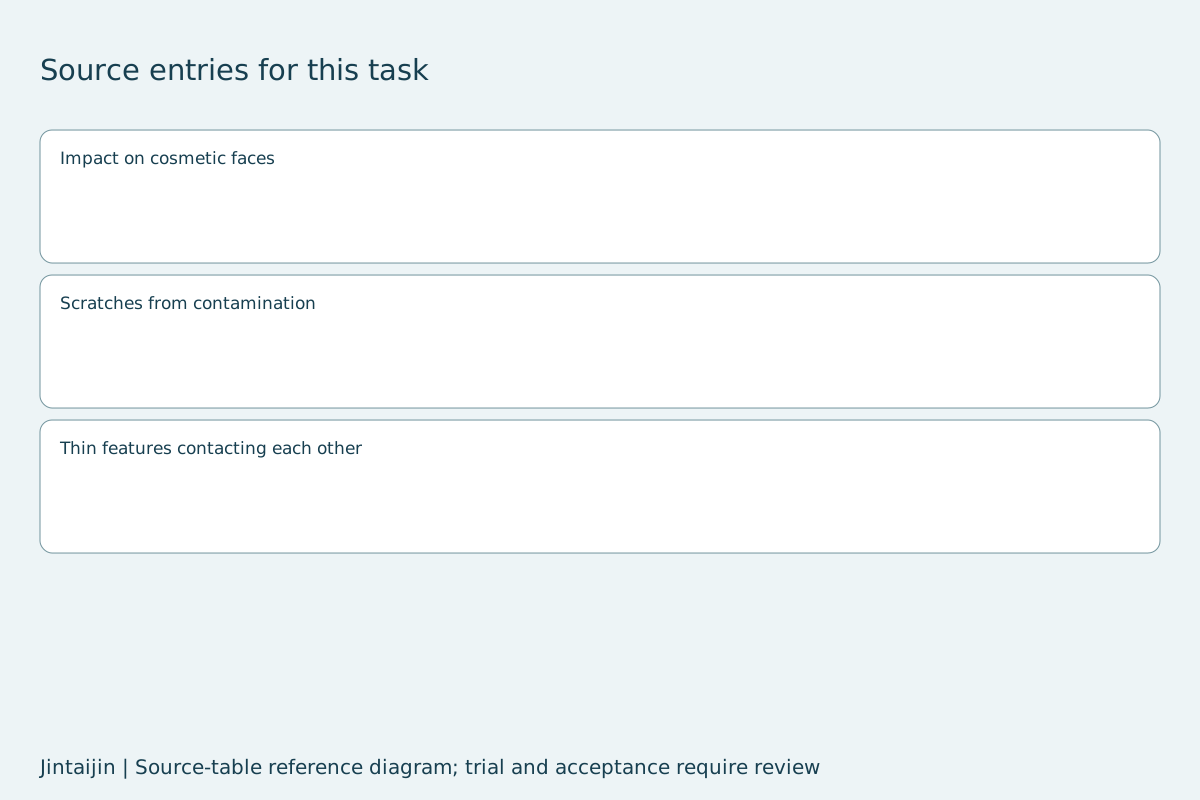
Select the entries relevant to your review.
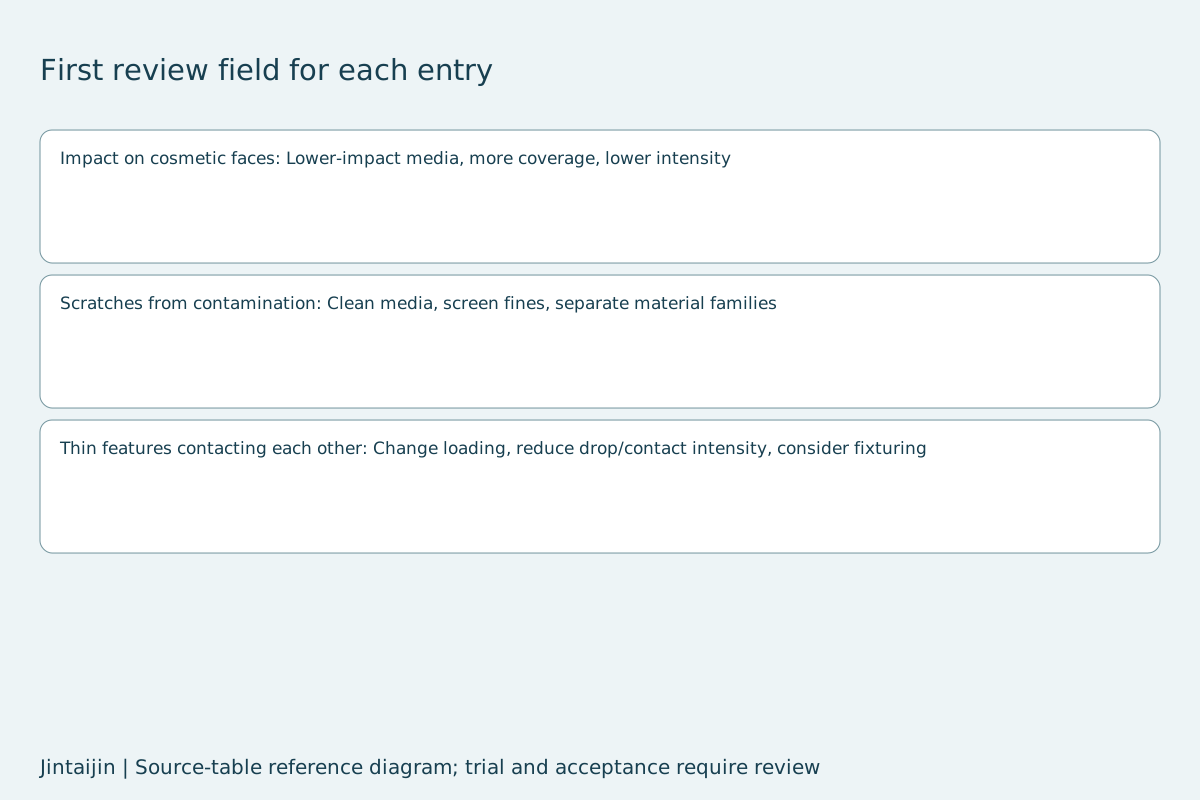
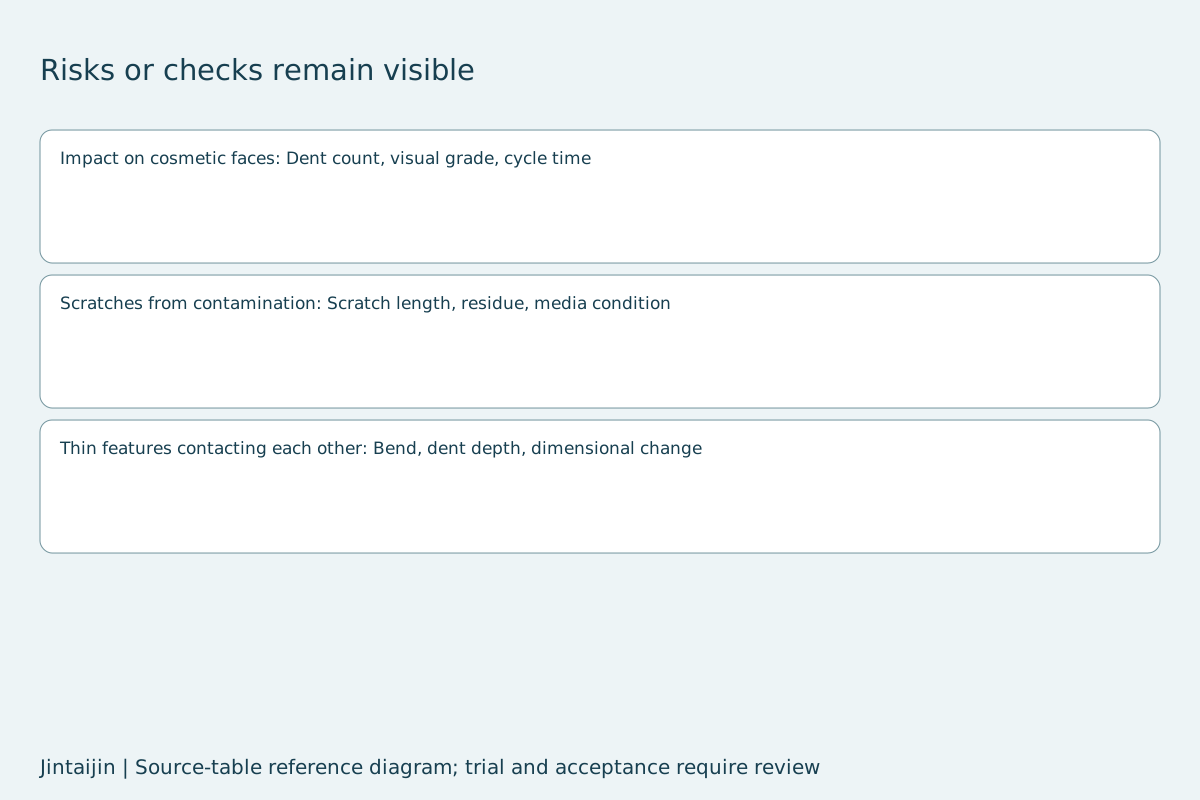
Measurement prompts; no universal acceptable dent, scratch or cycle value. Keep every selected requirement with the part and the actual trial record. Selecting a row does not show that its acceptance condition has been met.
Use the same incoming reference, lighting, inspection magnification and drawing criteria when comparing trials. Record the actual loading and media condition. Inspect before discharge and after collection to distinguish process contact from transfer damage. A visual grade must be defined with an accepted reference. Keep cycle duration beside damage measurements when discussing tradeoffs, without inventing a production acceptance threshold.
Trial direction: Lower-impact media, more coverage, lower intensity
What to measure: Dent count, visual grade, cycle time
Trial direction: Clean media, screen fines, separate material families
What to measure: Scratch length, residue, media condition
Trial direction: Change loading, reduce drop/contact intensity, consider fixturing
What to measure: Bend, dent depth, dimensional change
Read the Jintaijin technical article. Source table reviewed 3 October 2026. Possible causes, directions and adjustments remain conditional reference fields.
Email : info@surface-polish.com


 IPv6 network supported


 +86-592-2381506