The source asks three different questions: can the media enter, can it leave, and can it protect the edge? A shape that reaches a burr may still lodge after treatment. A freely exiting medium may not reach the burr root. Select all applicable checks and keep retained-piece counts and critical dimensions beside the access observation. The tool supplies no media diameter from a feature label.
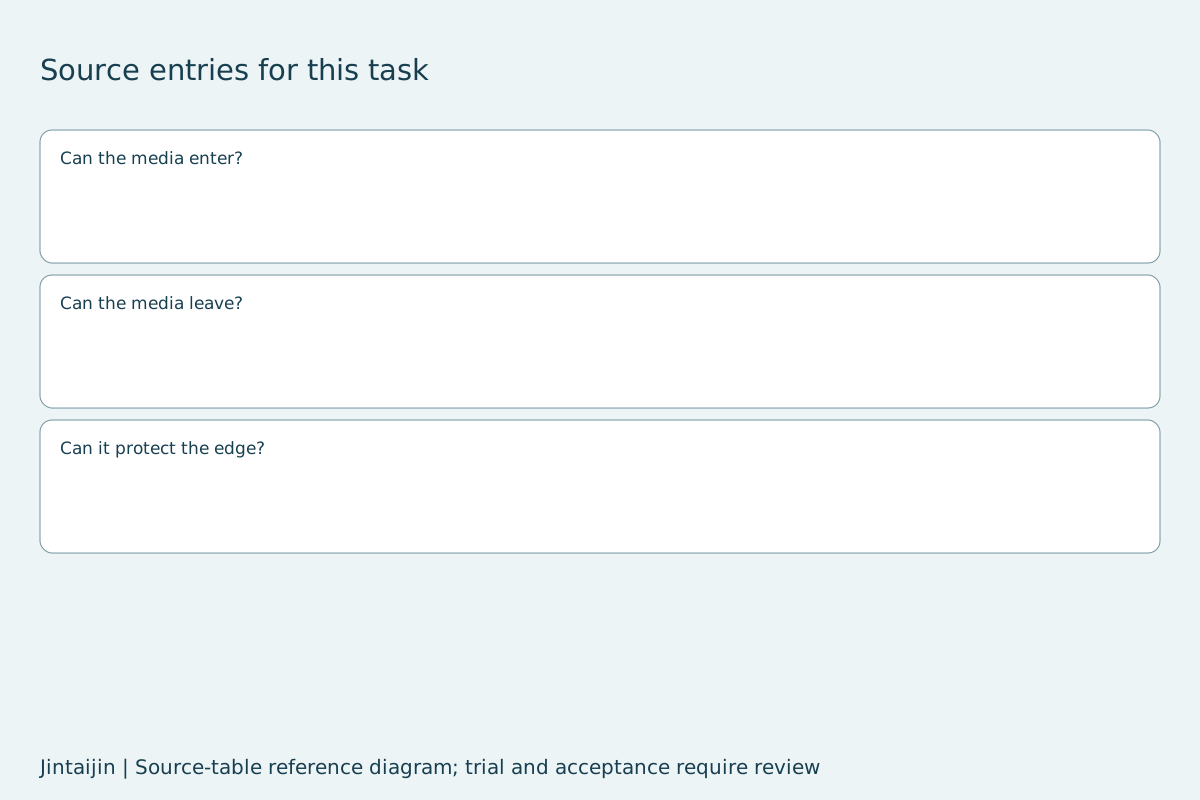
Select the entries relevant to your review.
No numeric media-size recommendation inferred from the checklist. Keep every selected requirement with the part and the actual trial record. Selecting a row does not show that its acceptance condition has been met.
Record feature width, depth, orientation and the smallest and largest media dimensions, including wear and fragments. Mark entry and exit for inspection, check retention after separation and washing, and measure the protected edge using the agreed method. The dimensional relationship must be validated on representative parts; a generic smaller-or-larger rule cannot establish access, non-lodging or edge protection.
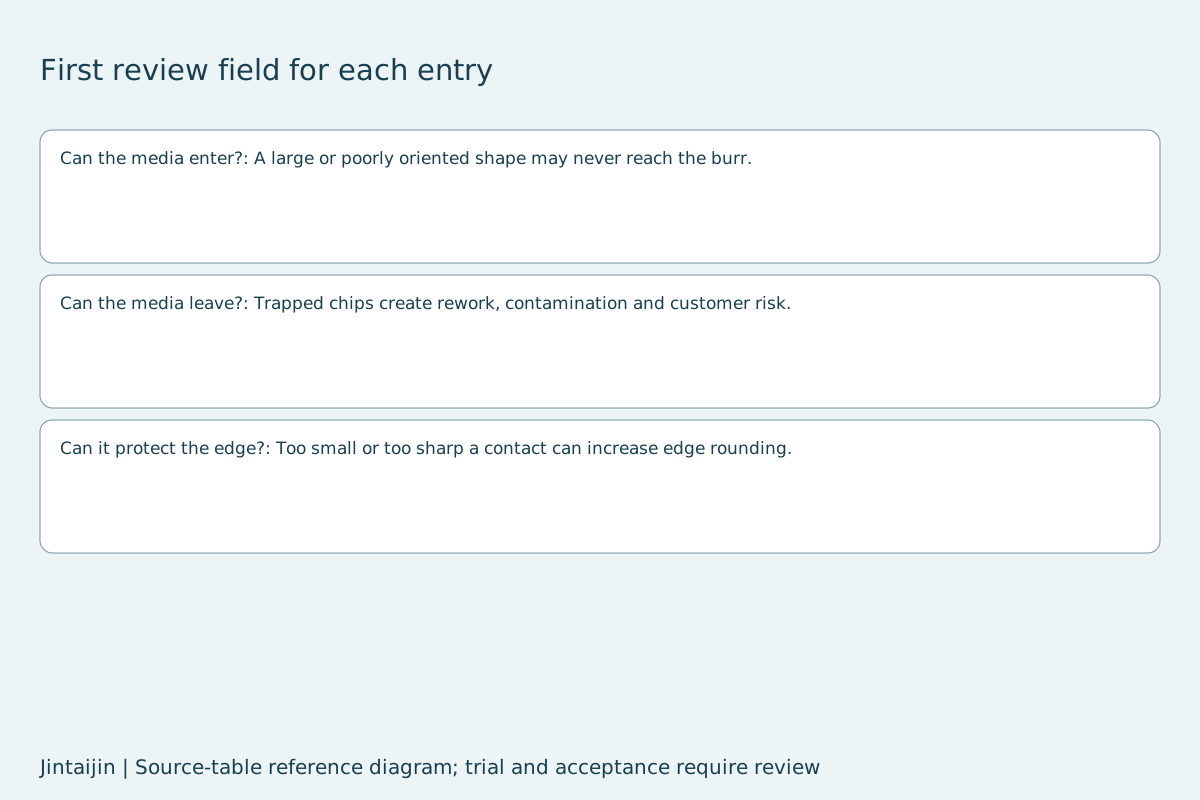
Why it matters: A large or poorly oriented shape may never reach the burr.
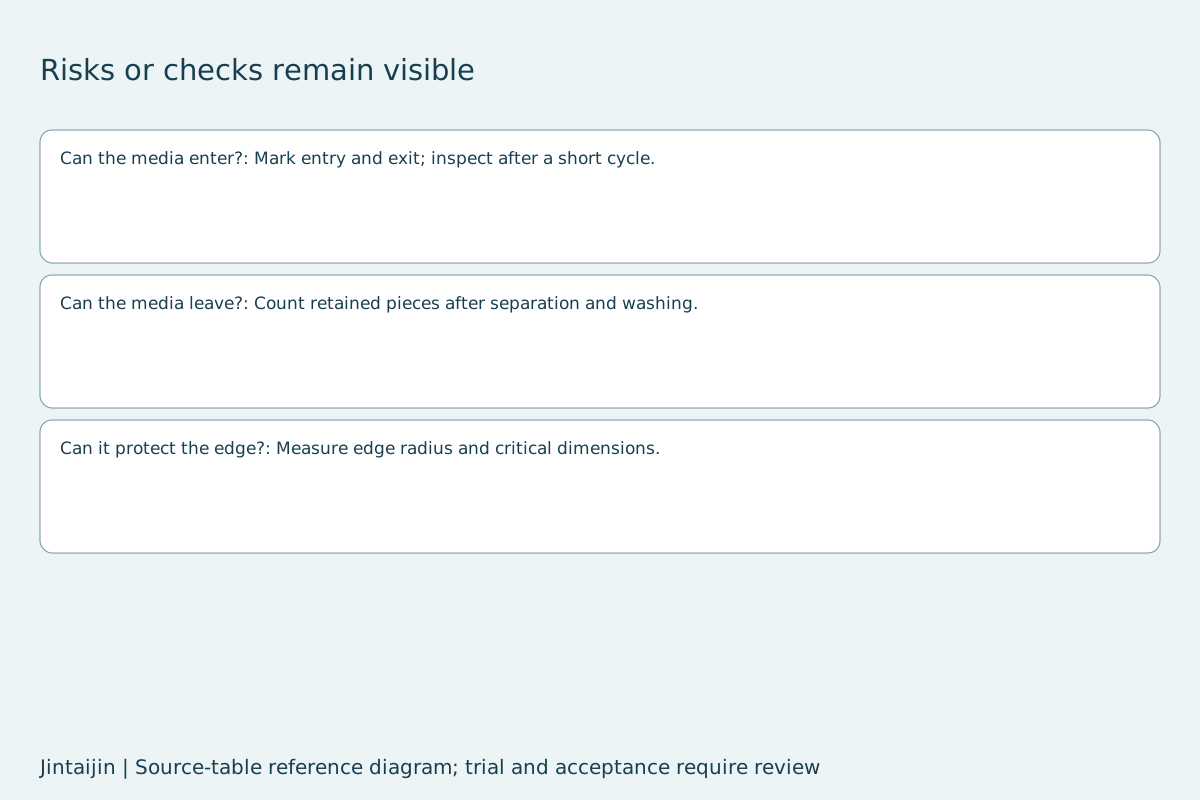
Trial check: Mark entry and exit; inspect after a short cycle.
Why it matters: Trapped chips create rework, contamination and customer risk.
Trial check: Count retained pieces after separation and washing.
Why it matters: Too small or too sharp a contact can increase edge rounding.
Trial check: Measure edge radius and critical dimensions.
Read the Jintaijin technical article. Source table reviewed 3 October 2026. Possible causes, directions and adjustments remain conditional reference fields.
These tools compare names, shapes and exact catalog strings before a referenced feature review. They do not approve media substitution.
Email : info@surface-polish.com


 IPv6 network supported


 +86-592-2381506