Select the observed scratches, rounding with a remaining burr, uneven finish, or residue and color change. Each source row separates a possible direction from checks and an adjustment to test. New marks may involve contact or debris; a remaining burr can require a closer look at access to its root. Uneven appearance calls for circulation, starting condition and media checks. Residue requires a review of solution, rinse coverage and drying. Multiple symptoms remain separate rows so no single inferred diagnosis hides another problem.
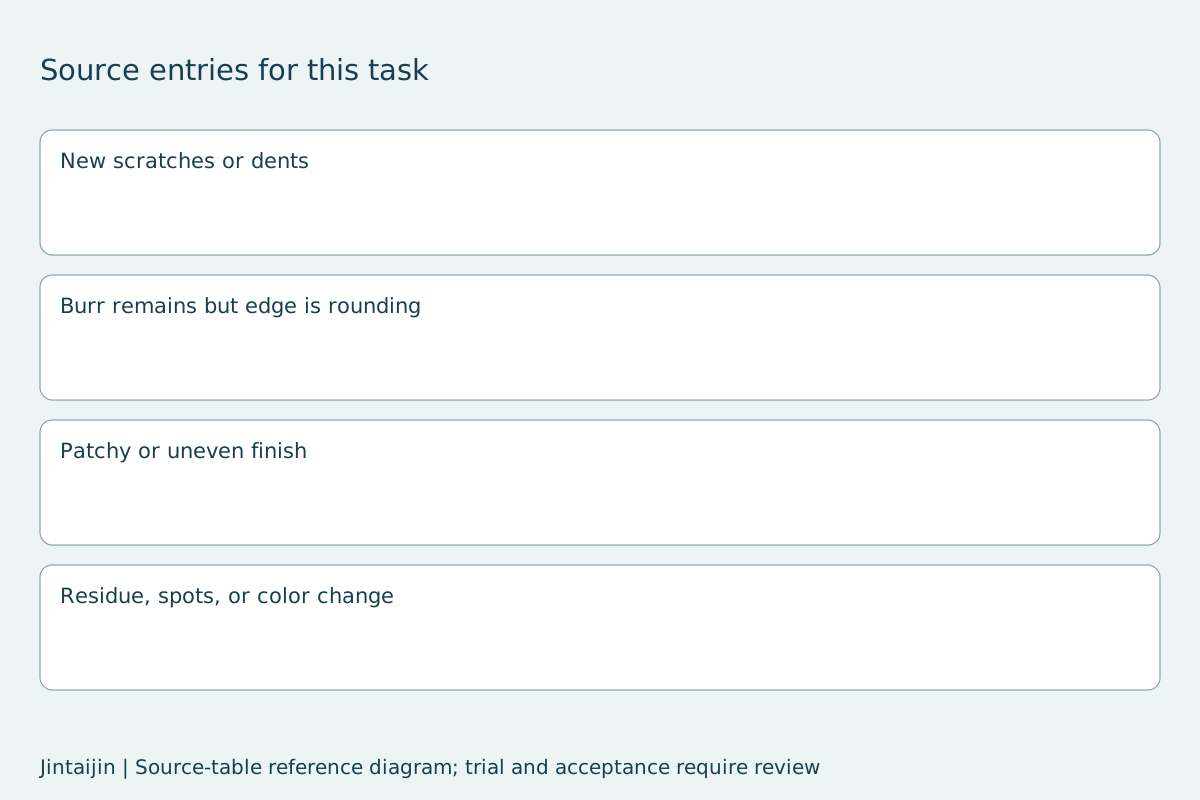
Select the entries relevant to your review.
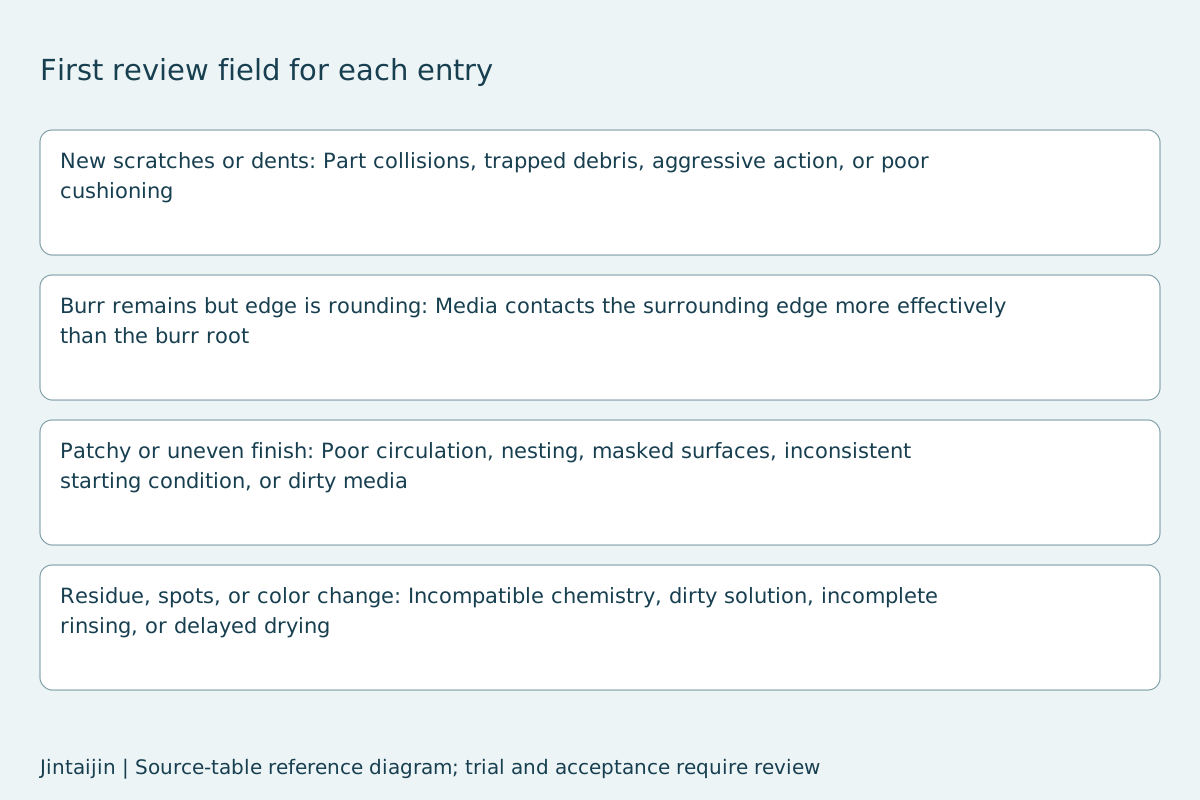
Possible causes and tests, not a confirmed diagnosis. Keep every selected requirement with the part and the actual trial record. Selecting a row does not show that its acceptance condition has been met.
Keep a starting-condition reference and inspect representative parts at agreed intervals. Document the first stage where a scratch, color shift or dimensional change appears, including transfer and separation. Change one reviewed variable at a time and inspect protected features before extending the trial. The source provides investigation directions, not proof of causation or a prescribed load, chemical dose or time setting.
Likely Direction: Part collisions, trapped debris, aggressive action, or poor cushioning
What to Check: Part load, circulation path, media cleanliness, transfer, and separation
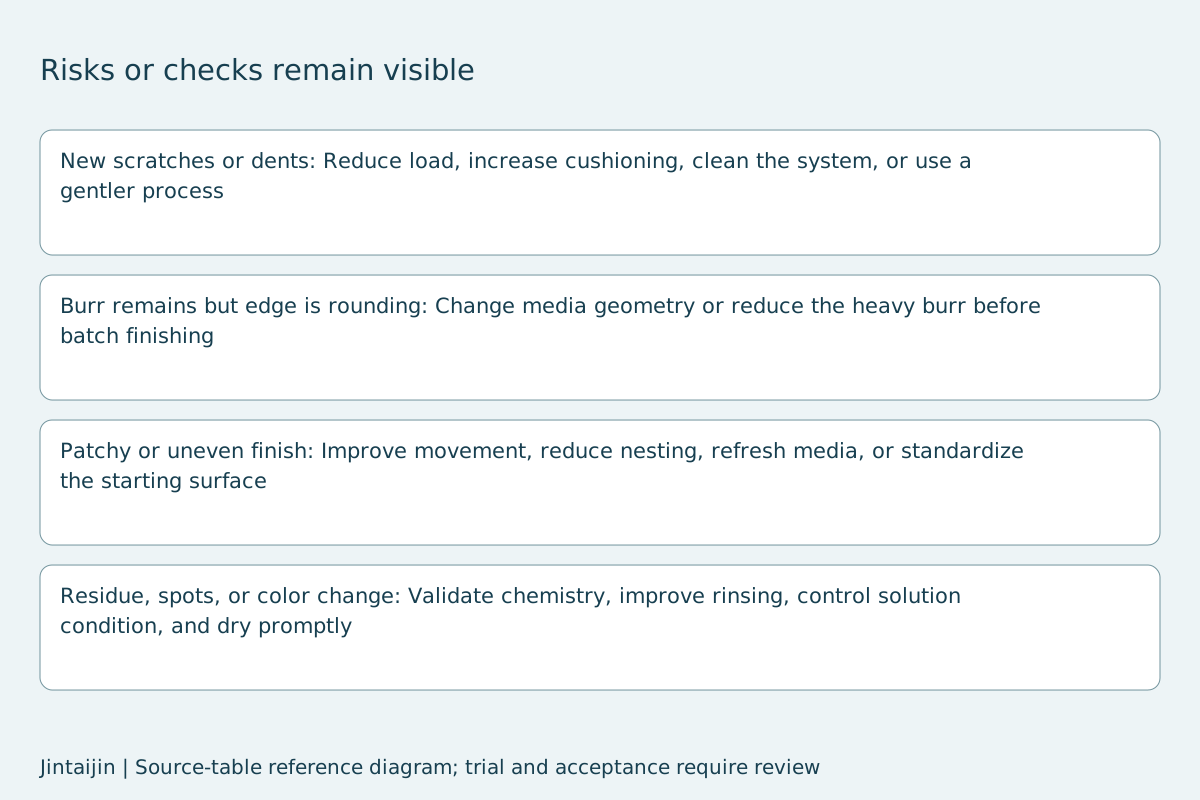
Adjustment to Test: Reduce load, increase cushioning, clean the system, or use a gentler process
Likely Direction: Media contacts the surrounding edge more effectively than the burr root
What to Check: Burr orientation, media access, burr thickness, and upstream machining
Adjustment to Test: Change media geometry or reduce the heavy burr before batch finishing
Likely Direction: Poor circulation, nesting, masked surfaces, inconsistent starting condition, or dirty media
What to Check: Part orientation, load distribution, media wear, fluid condition, and previous operations
Adjustment to Test: Improve movement, reduce nesting, refresh media, or standardize the starting surface
Likely Direction: Incompatible chemistry, dirty solution, incomplete rinsing, or delayed drying
What to Check: Compound dose, water quality, temperature, rinse coverage, pockets, and drying time
Adjustment to Test: Validate chemistry, improve rinsing, control solution condition, and dry promptly
Read the Jintaijin technical article. Source table reviewed 3 October 2026. Possible causes, directions and adjustments remain conditional reference fields.
Email : info@surface-polish.com


 IPv6 network supported


 +86-592-2381506