Choose media carry-out, parts entering the media return, load-sensitive screening, deterioration over time or discharge marks. These failures require different observations of opening geometry, feed control, media wear and handling. The table keeps the relevant direction beside each failure. It gives no screen aperture or separation speed and does not infer a setting from gross part dimensions.
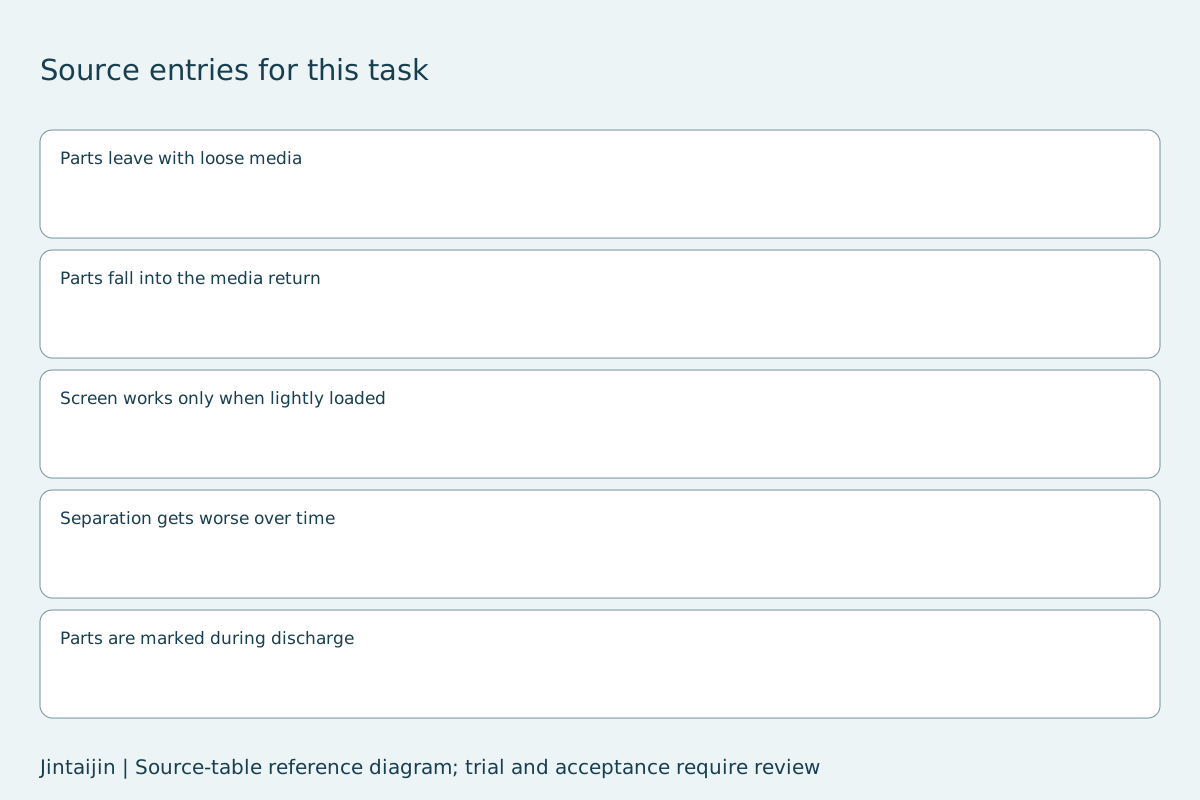
Select the entries relevant to your review.
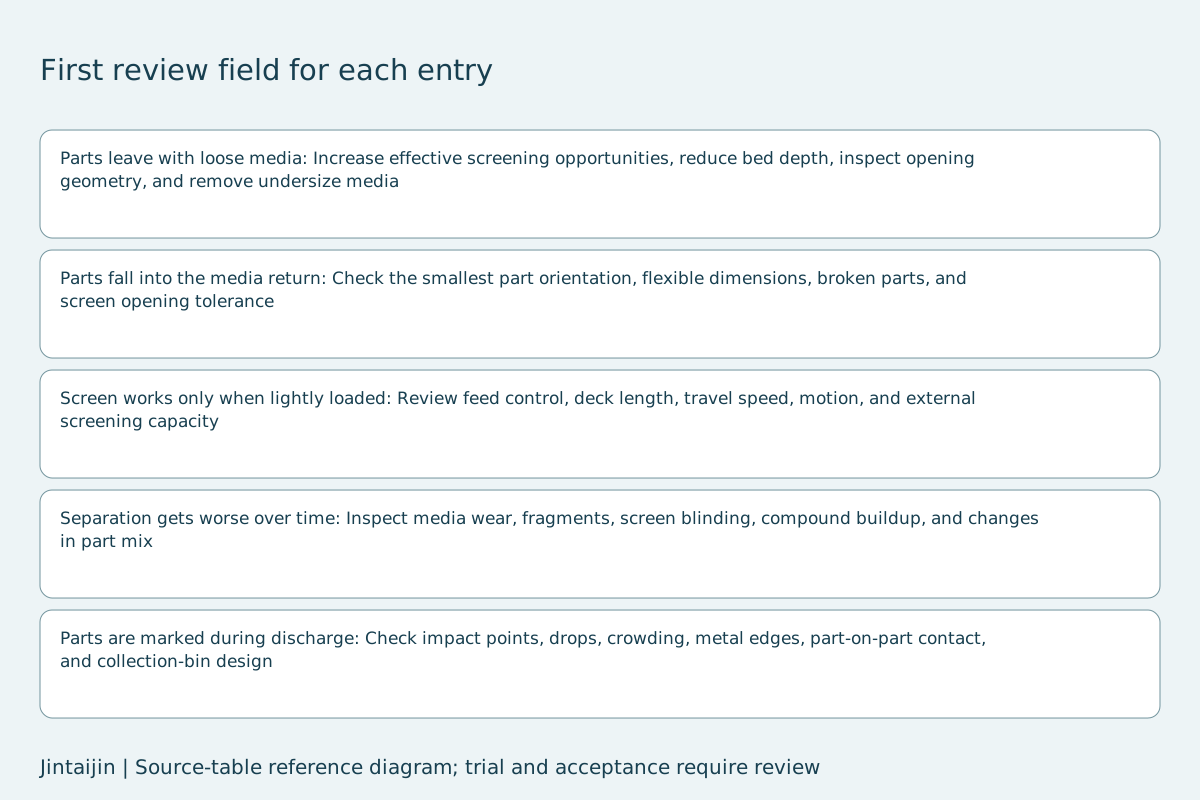
Investigation directions without screen-size prescriptions. Keep every selected requirement with the part and the actual trial record. Selecting a row does not show that its acceptance condition has been met.
Record feed rate, bed depth, part orientation and the opening condition while the failure is visible. Inspect worn media, fragments, screen buildup and changed part mix. Compare marks before discharge and after the collection bin to locate handling damage. Keep the count and disposition of retained or misplaced pieces with the trial record; an unloaded screen check cannot prove loaded-batch performance.
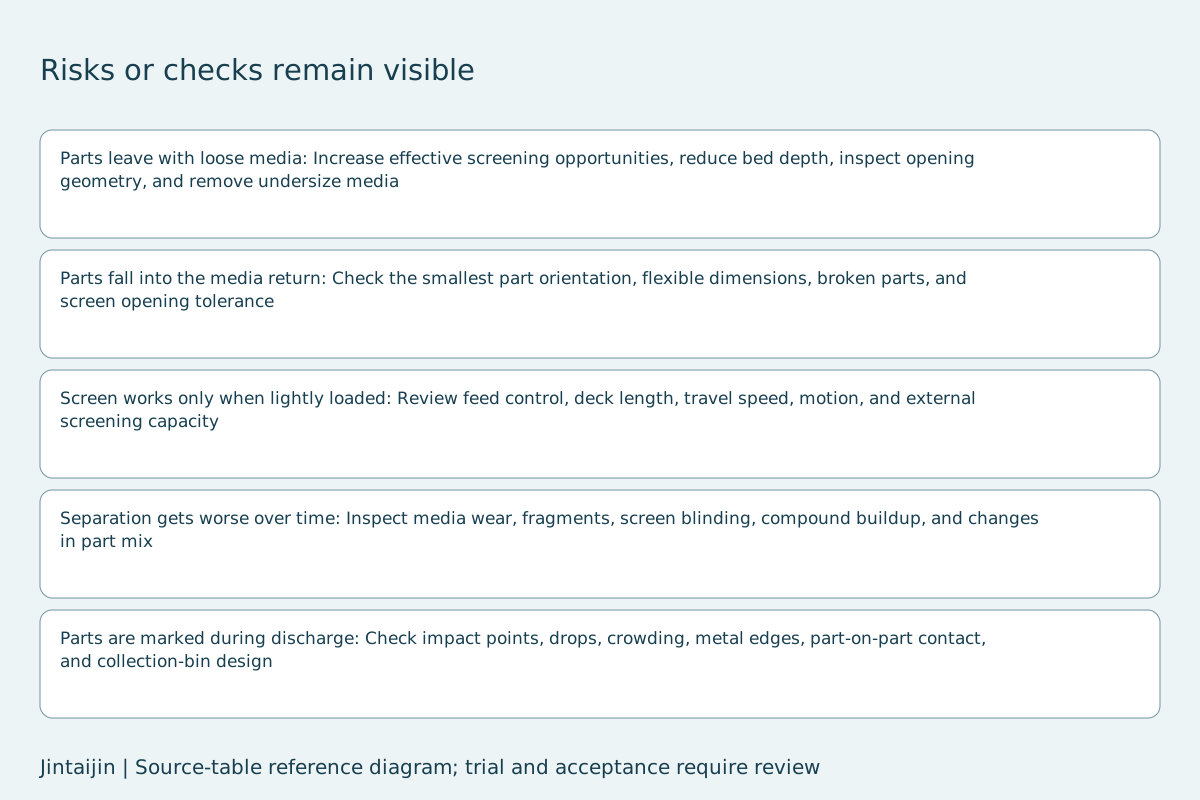
Direction to Check: Increase effective screening opportunities, reduce bed depth, inspect opening geometry, and remove undersize media
Direction to Check: Check the smallest part orientation, flexible dimensions, broken parts, and screen opening tolerance
Direction to Check: Review feed control, deck length, travel speed, motion, and external screening capacity
Direction to Check: Inspect media wear, fragments, screen blinding, compound buildup, and changes in part mix
Direction to Check: Check impact points, drops, crowding, metal edges, part-on-part contact, and collection-bin design
Read the Jintaijin technical article. Source table reviewed 3 October 2026. Possible causes, directions and adjustments remain conditional reference fields.
Email : info@surface-polish.com


 IPv6 network supported


 +86-592-2381506