Select the starting conditions present on the wood parts. Uniform sanding and light laser residue lead to different checks from deep tool marks or torn grain. Parts awaiting oil, wax or coating retain an adhesion and contamination question. Fragile or interlocking geometry requires a handling trial. The table describes roles for walnut shell tumbling; it does not establish that long tumbling will remove a deep defect without bruising the part.
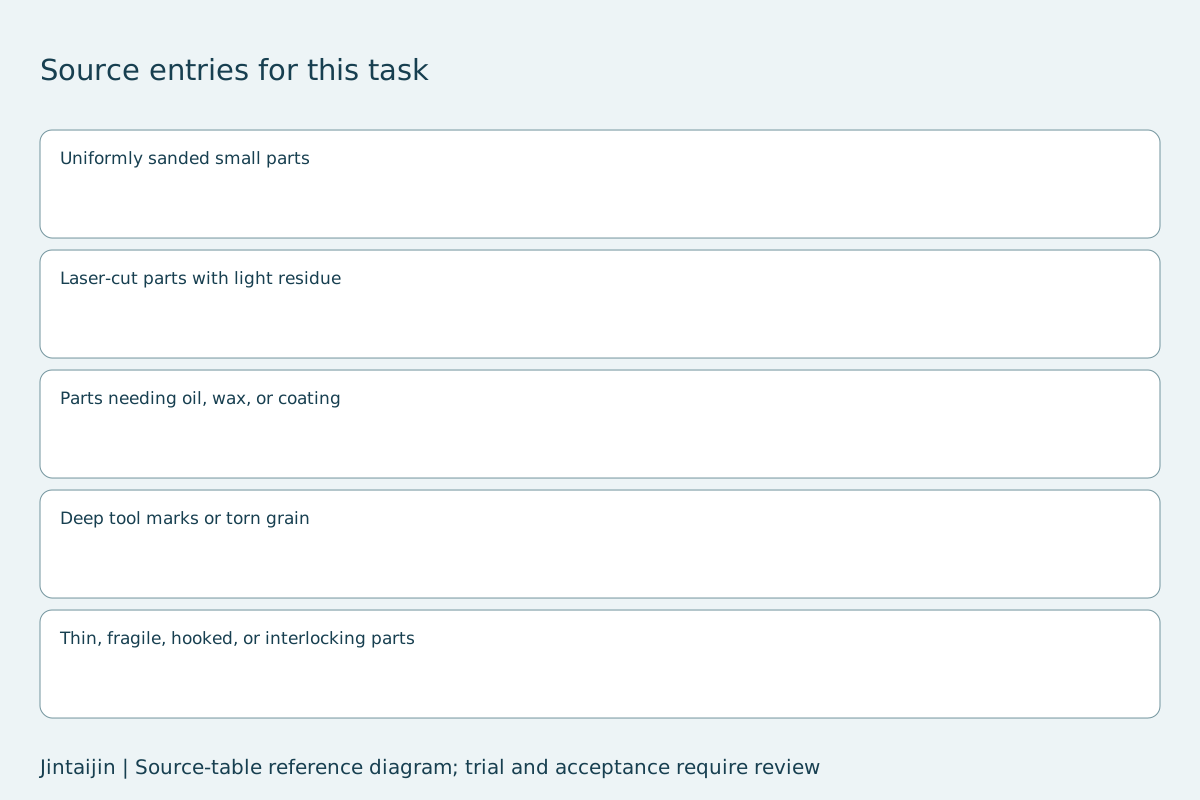
Select the entries relevant to your review.
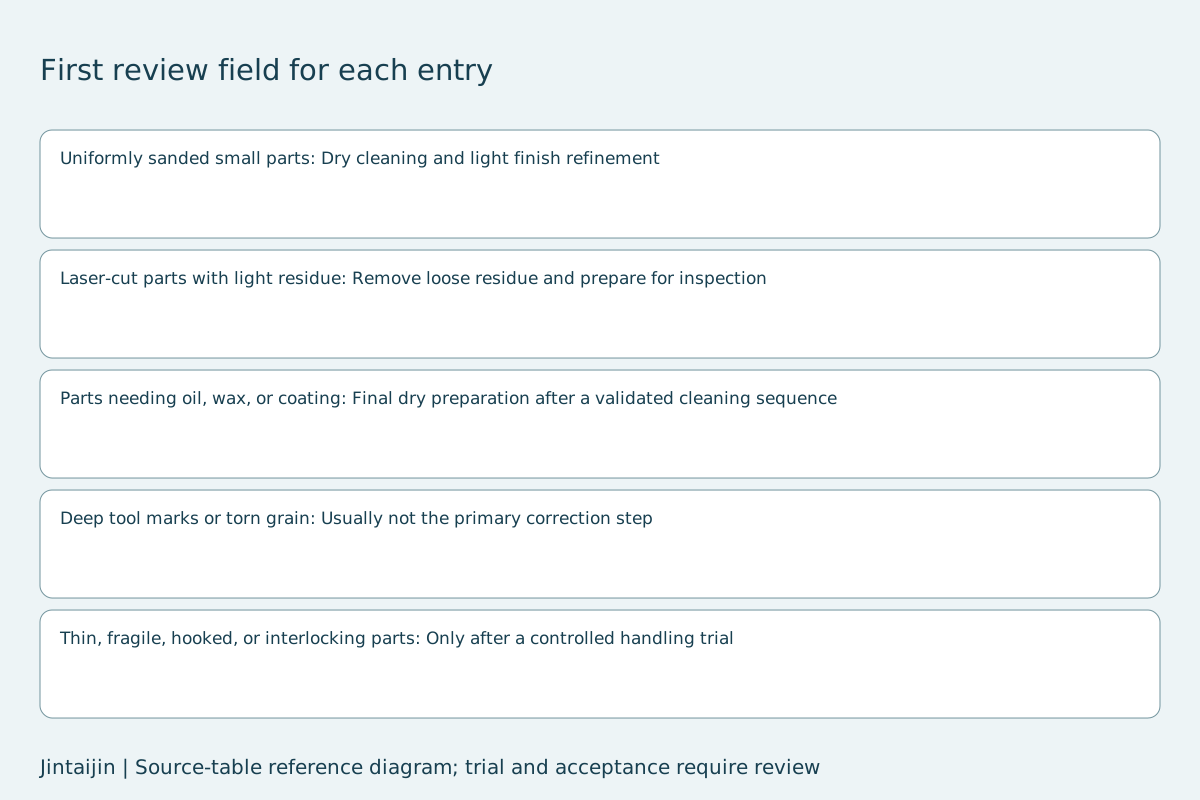
Conditional application roles, not approval for a wood species or coating. Keep every selected requirement with the part and the actual trial record. Selecting a row does not show that its acceptance condition has been met.
Record species, moisture condition, incoming sanding, part geometry and the intended downstream finish with each sample. Inspect exposed edges, recesses, dust and contact marks after separation. Where coating is planned, compare the cleaned surface with the approved preparation requirement and run the agreed adhesion check. A dry appearance alone does not prove coating readiness; no universal media grade, cycle or wood finish is supplied.
Walnut shell tumbling role: Dry cleaning and light finish refinement
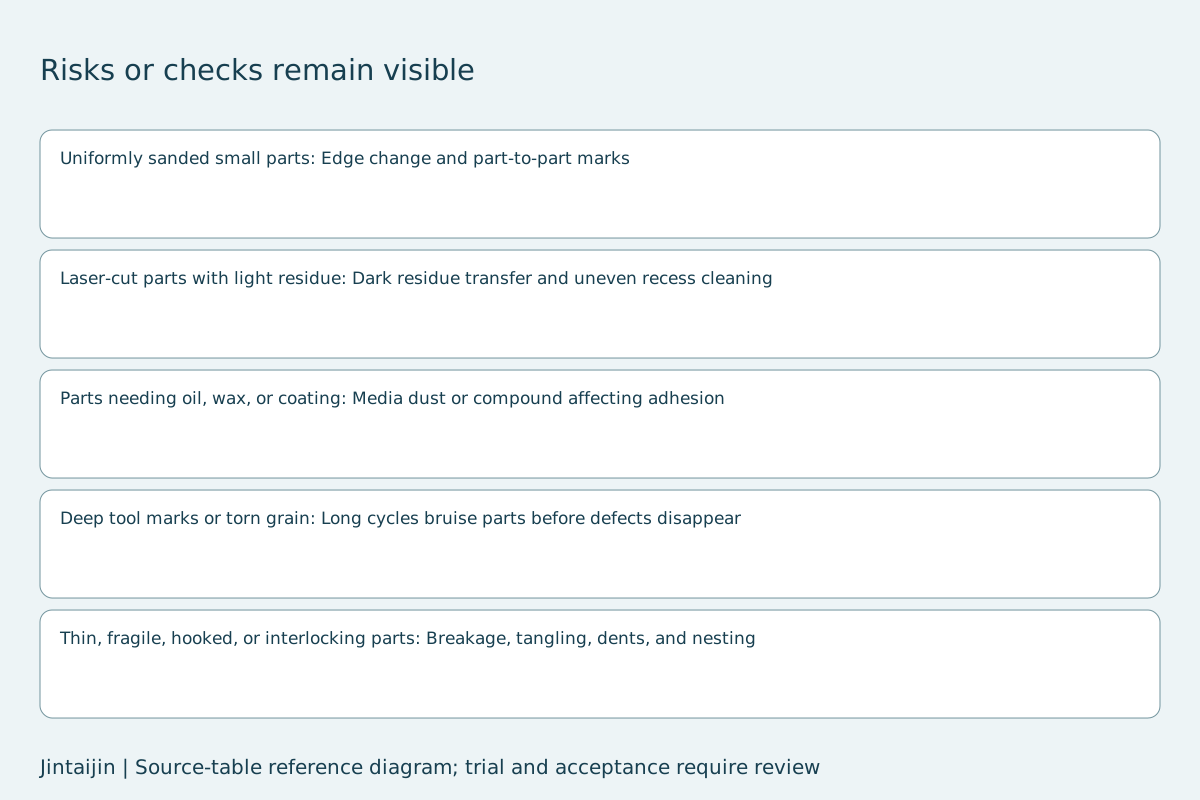
Main risk to validate: Edge change and part-to-part marks
Walnut shell tumbling role: Remove loose residue and prepare for inspection
Main risk to validate: Dark residue transfer and uneven recess cleaning
Walnut shell tumbling role: Final dry preparation after a validated cleaning sequence
Main risk to validate: Media dust or compound affecting adhesion
Walnut shell tumbling role: Usually not the primary correction step
Main risk to validate: Long cycles bruise parts before defects disappear
Walnut shell tumbling role: Only after a controlled handling trial
Main risk to validate: Breakage, tangling, dents, and nesting
Read the Jintaijin technical article. Source table reviewed 3 October 2026. Possible causes, directions and adjustments remain conditional reference fields.
Email : info@surface-polish.com


 IPv6 network supported


 +86-592-2381506