


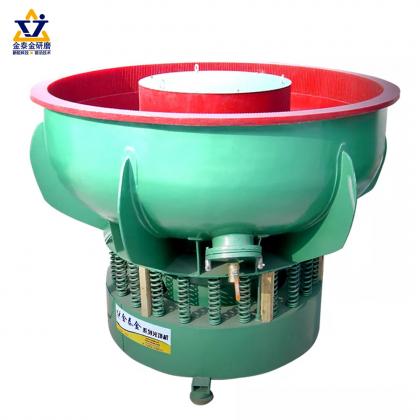

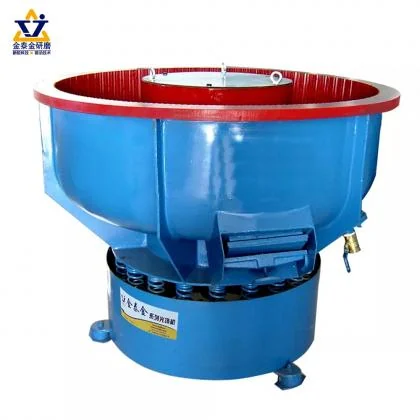
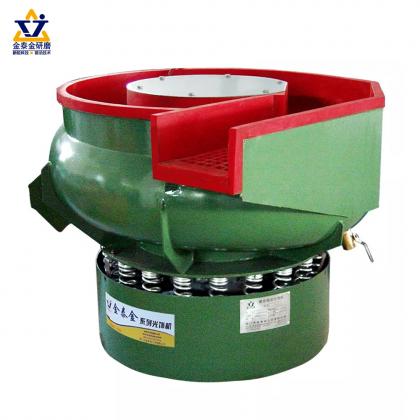
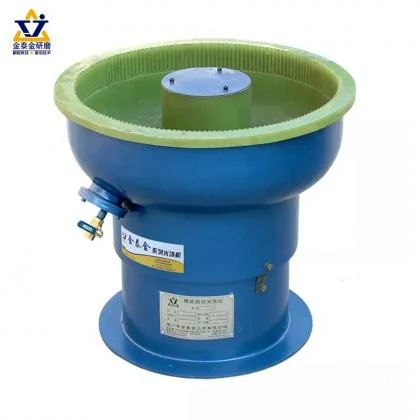
Save Time, Grit, Polish and Electricity with a Planned Finishing Route starts with the workpiece problem. For industrial parts that need a defined cleaning, deburring or surface finishing route, the correct finishing route depends on geometry, material, feature protection and the inspection result required by the part owner.
Define the problem before choosing a machine
A short description such as 鈥渕ake the surface better鈥?is not enough to screen a useful process. Explain where the burr, scale, residue, mould mark, dull area or uneven texture appears. Include a drawing, clear photographs or representative samples when available. Note the areas that must remain unchanged, such as a sealing face, bore, thread, cutting edge, spring section, hinge, grain direction or cosmetic face. This lets the process discussion follow the actual part rather than a generic machine category.
Workpiece details to collect
Record material and hardness when known, outside dimensions, openings, recesses, sharp transitions, batch quantity and how the parts arrive at the finishing station. For small or delicate parts, explain whether parts can touch one another and whether a divider or separation step is needed. For long, heavy or irregular parts, include the handling method and the surfaces that need support. These details influence movement, media access, loading, unloading and cleaning.
- Describe the material, envelope, batch pattern and current surface condition of the industrial parts that need a defined cleaning, deburring or surface finishing route before selecting equipment.
- Mark the edges, holes, threads, recesses, contact faces and cosmetic areas that must be protected during movement.
- Separate the requested result into cleaning, deburring, edge conditioning, smoothing or visual refinement so each stage can be checked.
- Compare media shape and size with the smallest feature that must be reached, then plan separation so media does not lodge in the workpiece.
- Keep the loading pattern, process stages and inspection lighting consistent while comparing sample cycles.
- Record what changed at each feature instead of relying on one overall impression of the part.
Build a controlled sample route
A practical trial changes one important variable at a time. Begin with a representative group of parts and a clearly described media condition. Check whether the selected shape can reach the problem area without lodging, bridging or damaging a protected feature. Review contact between parts, media carry-out, cleaning access and the condition of the working chamber. If the target involves several stages, keep the handoff between stages visible: remove loose residue, inspect, continue with the next stage, then inspect again.
For a machine comparison, record the working arrangement, loading pattern, media family, compound or additive used, cycle duration and any manual handling. The record does not need to be complicated. Its purpose is to show which change affected which feature, so the next trial can be planned with less guesswork.
Inspection points that matter
Use the same viewing angle, lighting and sample orientation for before and after checks. Inspect the smallest holes and slots, edges, corners, contact faces and any area where media could lodge. Look for remaining burrs or residue, unwanted edge change, marks from part-on-part contact and variation between the first and last parts in the batch. If appearance matters, define the acceptable visual range with agreed reference pieces. If fit or function matters, add the relevant dimensional or functional check to the sample record.
Questions to answer before the next trial
- Which feature is hardest to protect?
- Identify it first and use it as the main check for media access, separation and movement.
- Which process stage is actually required?
- Separate cleaning, deburring, smoothing and visual refinement so the route can be reviewed clearly.
- What should be sent for a process review?
- Send representative workpieces or clear photos, material information, dimensions, batch pattern, current condition and the intended inspection result.
Discuss your workpiece
Use the contact form to send the workpiece details and the finishing problem. SurfacePolish can then help compare a practical equipment and media route around the features that matter to your production.
 +86-592-2381506


 IPv6 network supported