


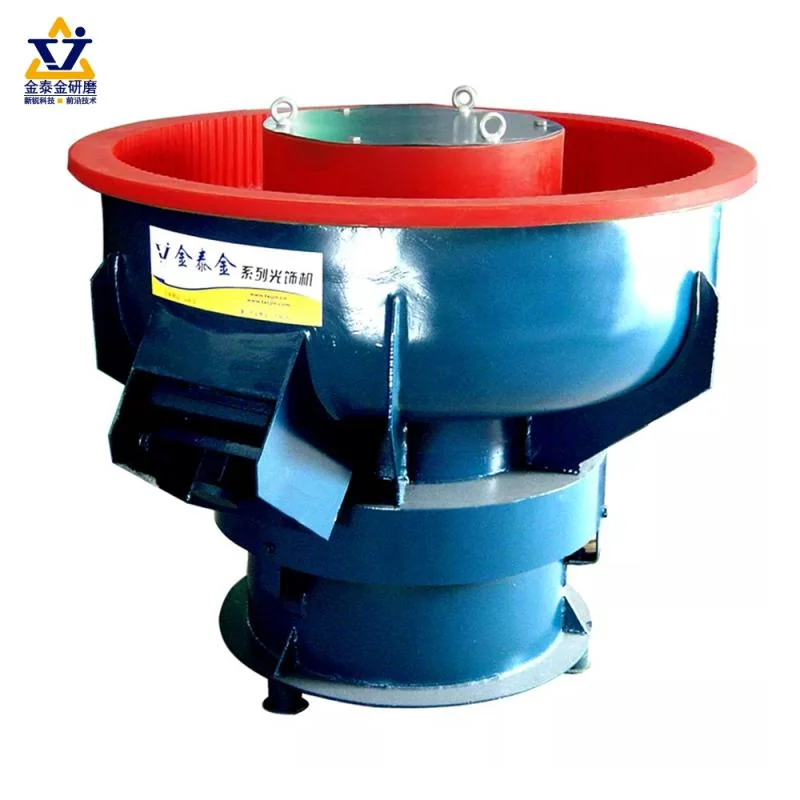
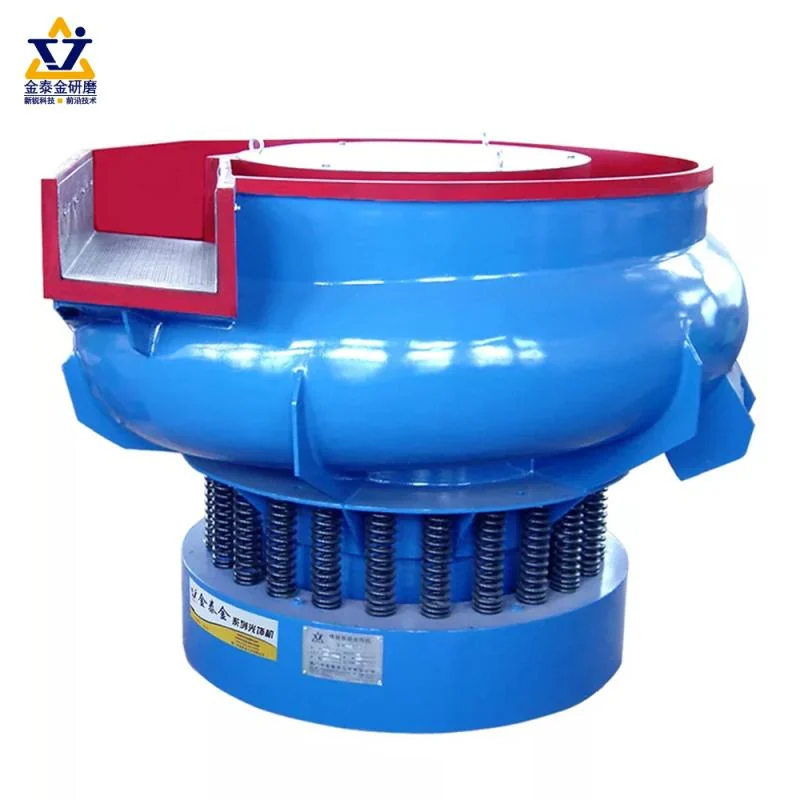


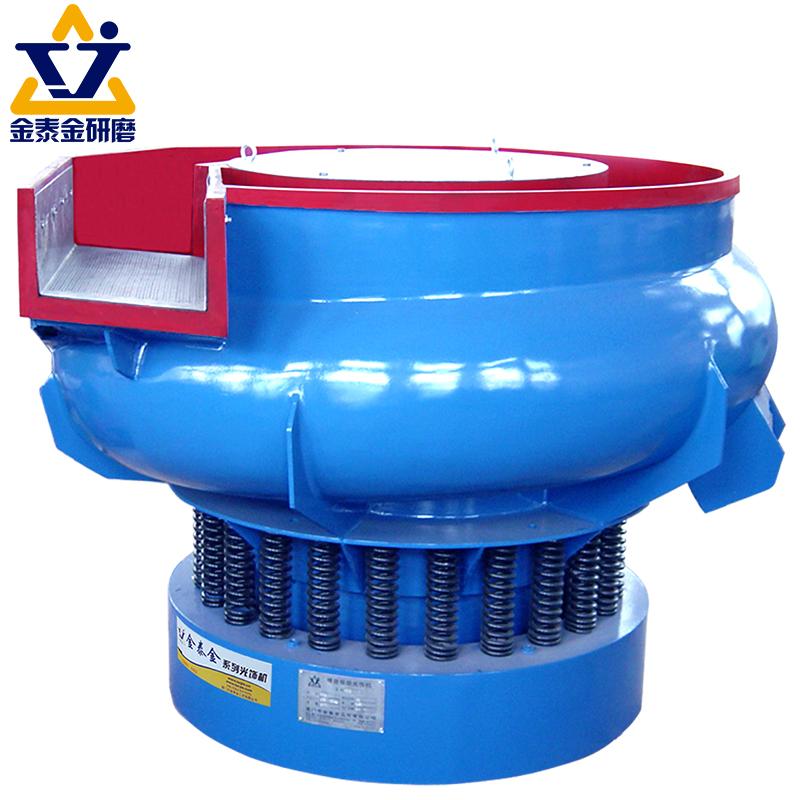

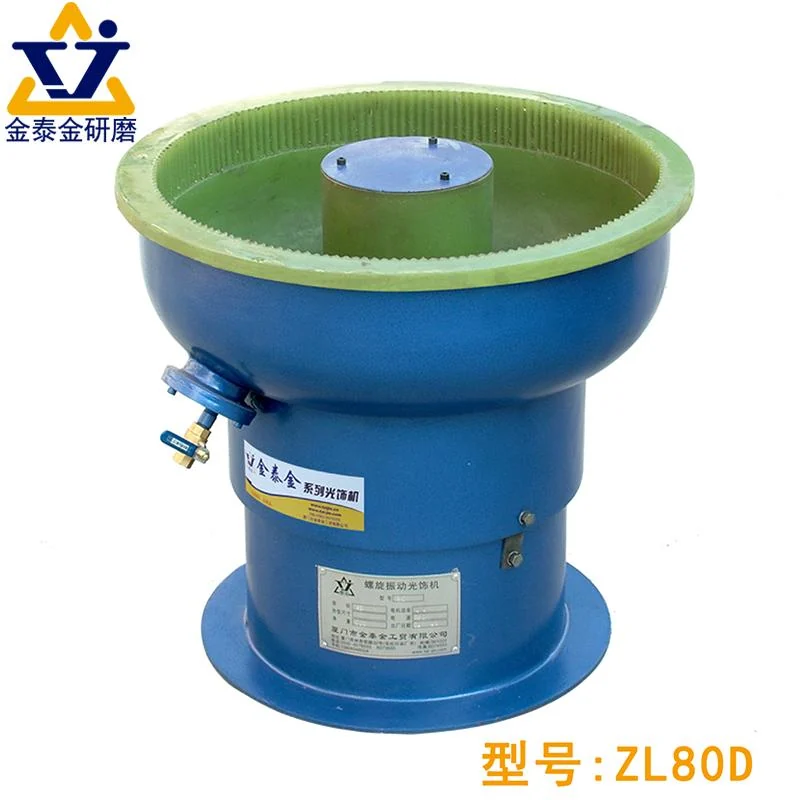
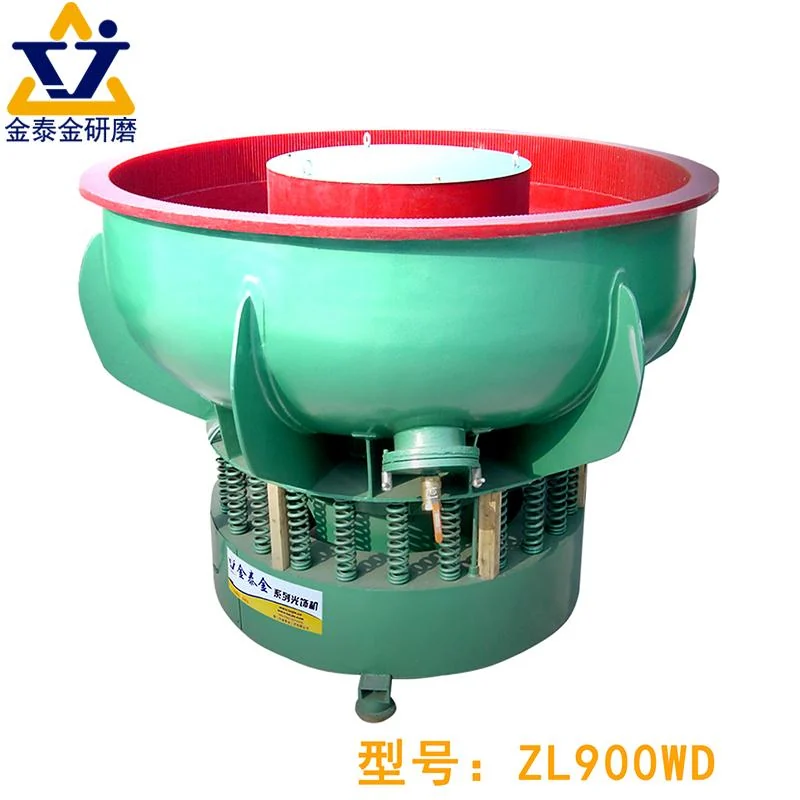
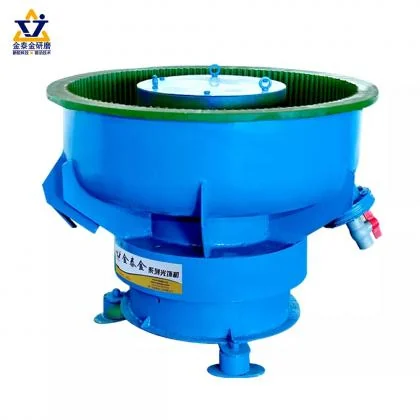
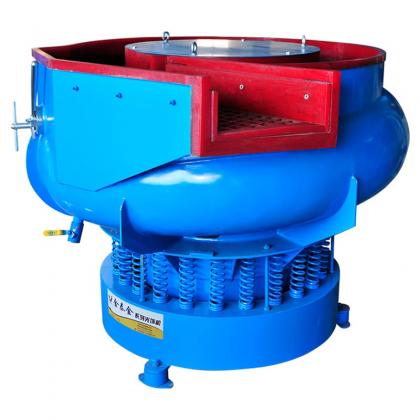
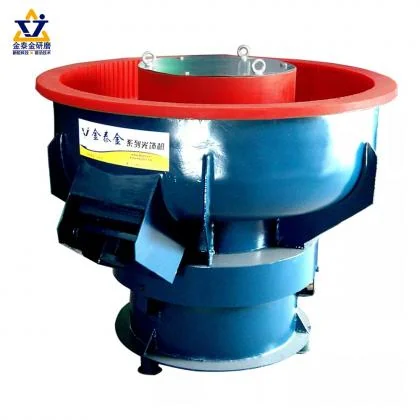
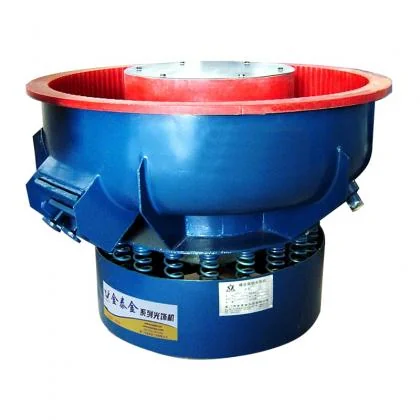
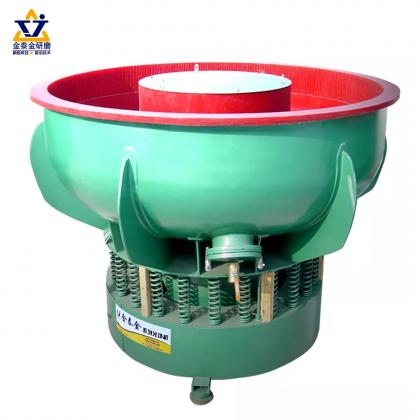

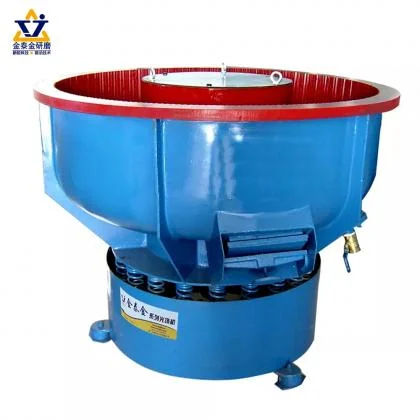
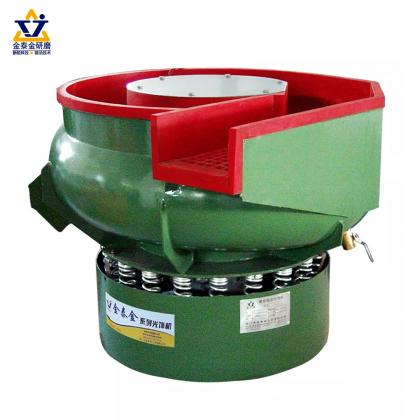
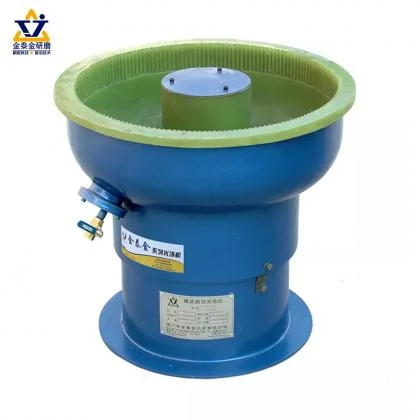
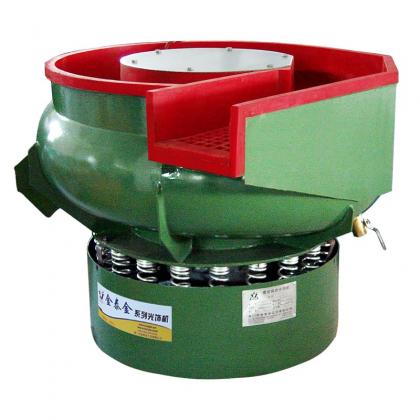
The 600L / 1200L vibratory metal polishing machine listing helps buyers evaluate equipment for larger batch-finishing requirements. Compare the available bowl space, the movement of your parts and the complete loading-to-inspection route. A larger nominal volume alone does not establish the number of parts that can be finished safely in one batch.


Plan the batch around part movement
Large castings, forgings and machined components present different handling problems from small stamped parts. Send the dimensions and weight of the heaviest component, the range of part sizes and the planned batch quantity. The review needs to consider bowl clearance, part-on-part contact, how media reaches recessed areas and how a finished batch is removed.
- Separate delicate cosmetic parts from heavy parts when their contact risks differ.
- Identify cavities that can trap media and features that must retain their geometry.
- Describe how operators will load, unload and move the batch.
- Confirm the available space and utility requirements for the quoted configuration.
Match polishing media to the metal and the finish
Abrasive finishing and surface brightening are different stages. Ceramic media can provide cutting and edge-rounding action; plastic media can be considered for gentler treatment of compatible non-ferrous parts. Suitable polishing media and compound may be needed for the final appearance. Material, burr condition, target roughness or visual reference, and permitted edge change determine which direction should be evaluated.
For parts that will be coated, assembled or sealed, include the downstream requirements. Residue, moisture or trapped media after finishing can matter as much as the appearance of the visible surface.
Confirm separation and the working configuration
The title identifies 600L and 1200L catalog classes. Exact bowl dimensions, working load, motor power, controls and separation equipment must be confirmed for the model offered. Where screening is proposed, the screen openings must separate your actual parts from the chosen media. Where manual unloading is required, review access and handling before ordering.
During a representative trial, record the starting surface, loading arrangement, media, processing intervals and inspection results. Check the most sensitive part features and the ease of unloading. Use that record to define an equipment configuration rather than transferring a cycle from an unrelated component.
Compare the equipment range
Use the vibratory finishing selection guide to compare the machine family. For a smaller batch, review the 150L / 200L / 300L range.
Review your metal-parts batch
Send the metal grade, largest part dimensions, part and batch weight, photographs, target surface result and handling constraints. Mention the 600L / 1200L range when contacting the team.

 +86-592-2381506


 IPv6 network supported
