


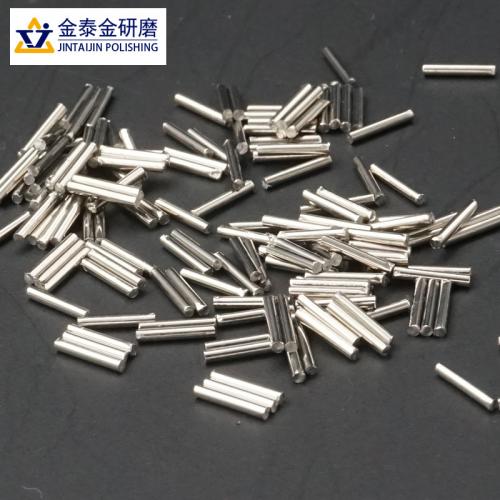
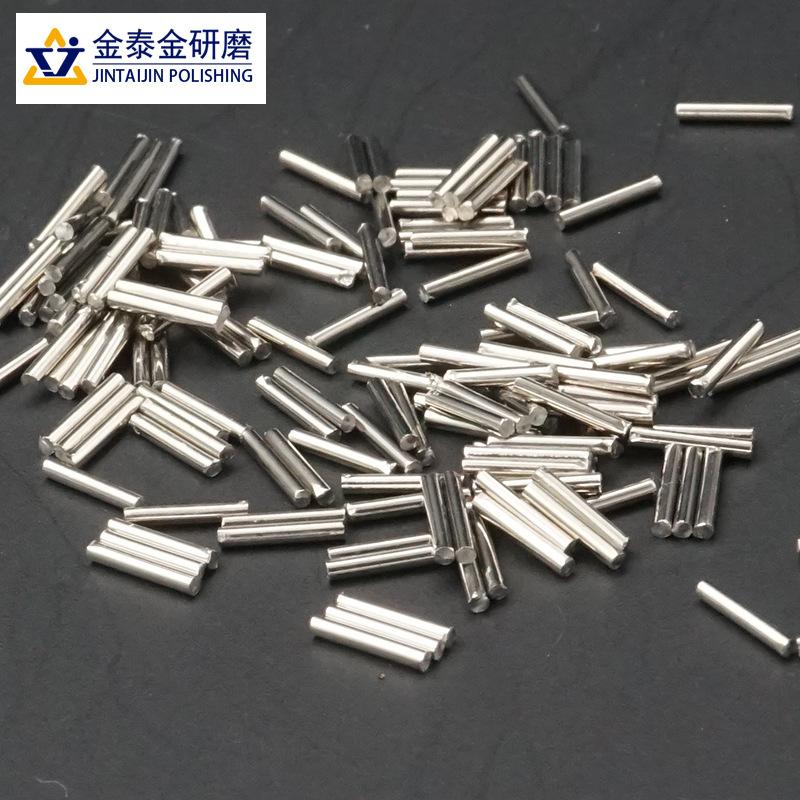
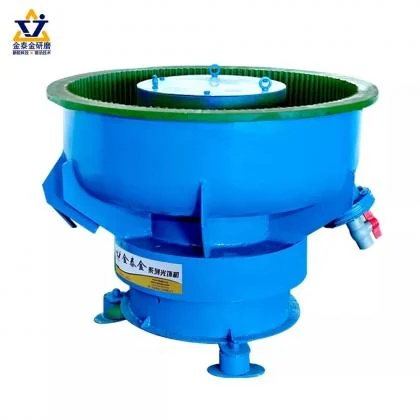
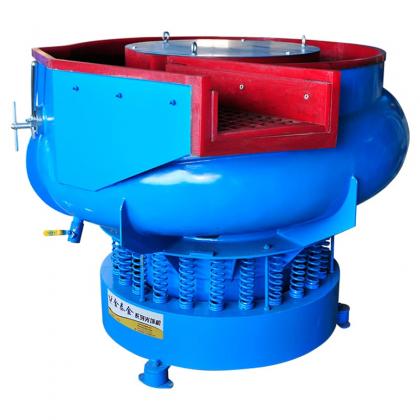
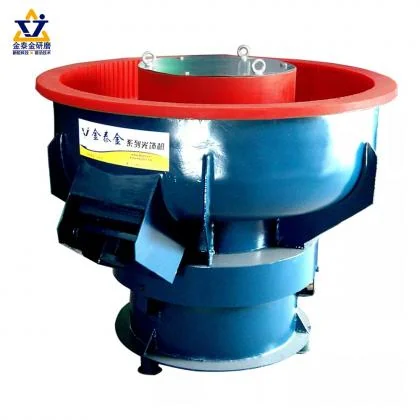
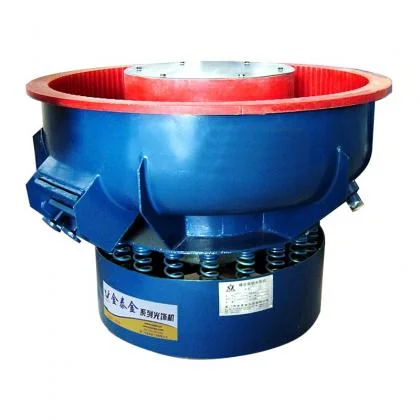
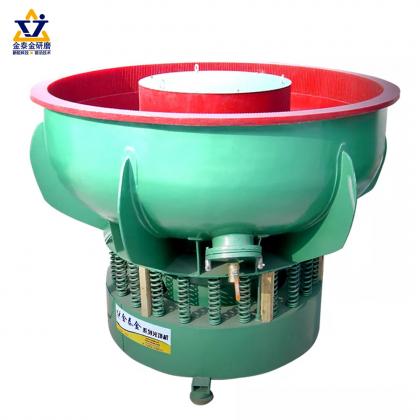

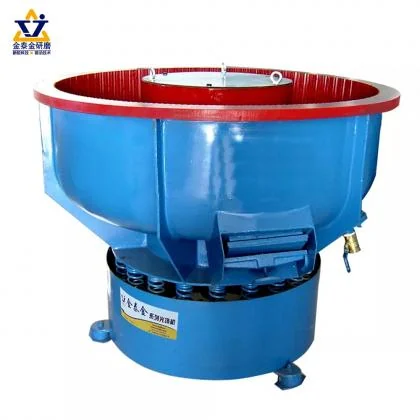
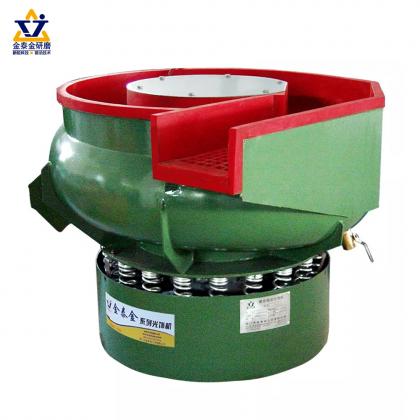
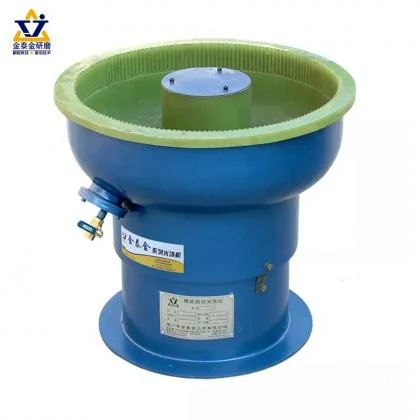
Burnishing Steel Finishing Media is listed in the SurfacePolish catalog for surface-finishing work. The right selection depends on the workpiece problem, contact area, protected features and the appearance that must be inspected. This page gives a practical starting point while keeping the final route tied to representative parts.

Start with the workpiece problem
Describe the incoming condition before choosing a media direction. Useful details include burrs, tool marks, dull areas, residue, sharp edges, holes, slots and surfaces that must remain protected. Add clear photos, material, approximate dimensions and the target appearance.
- Incoming defect and affected area
- Material and surface sensitivity
- Protected edges, holes and threads
- Inspection method for the accepted finish
Match contact to geometry
Media reaches a part through movement and contact. Recesses, narrow openings and delicate edges may require a different form or process direction than broad exposed faces. The review should also cover part-on-part contact, nesting, trapped media and the cleaning step after finishing.
- Access to the target surface
- Part movement and separation
- Residue or trapped-media checks
- Downstream cleaning requirements
Use a representative sample test
A controlled trial should use production-representative parts and a written acceptance standard. Inspect at short intervals and record movement, surface change, edge condition, residue and any protected feature. A result belongs to the reviewed part family and should not be generalized to unrelated parts.
- Record the incoming condition
- Change one process variable at a time
- Photograph the inspection points
- Keep the accepted trial record
Information to send for an application review
Send the material, drawing or dimensions, part weight when known, photos from several angles, target appearance, batch context and any surface that cannot change. The finishing team can then compare a suitable media direction and identify what needs to be tested.
Frequently asked questions
Can one media type be used for every part? No. Geometry, incoming condition and the target finish change the contact requirement. Can a product photo prove the result? No. It helps identify the listed material; the actual part and agreed inspection standard still need to be reviewed. Is a universal cycle included? No fixed cycle should be assumed without a representative test.
Discuss your workpiece
Send your workpiece material, photos, dimensions, target finish and protected features for an application review.
 +86-592-2381506


 IPv6 network supported