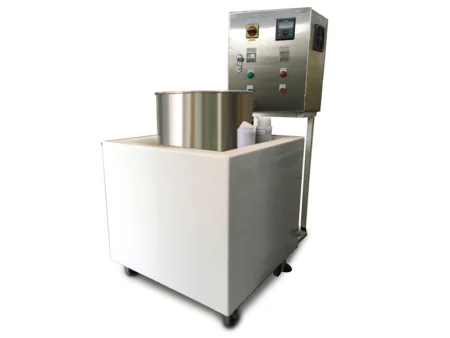
In conclusion, the Magnetic Polishing Machine is a game-changer in industrial finishing processes. With its versatility, convenience, and cost-effectiveness, it is an ideal choice for manufacturers looking to streamline their production processes and improve the quality of their finished products. Its automated and easy-to-use features make it an excellent investment for any industrial operation that requires high-quality surface finishing.
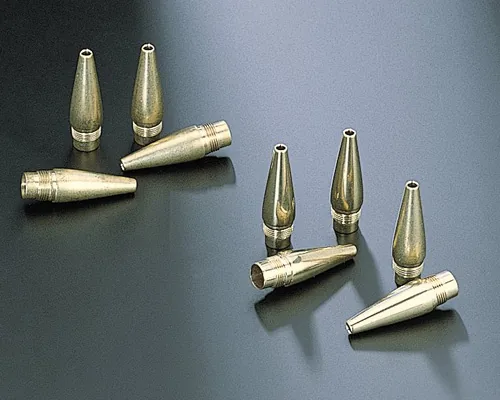
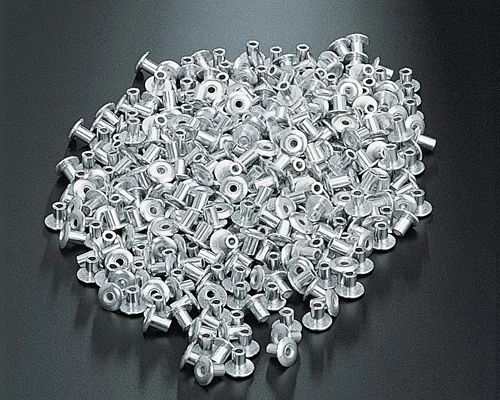
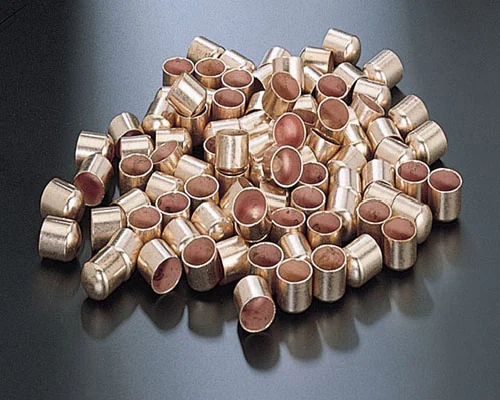
Polishing sample display:

| Part condition | Suggested direction | Reason |
|---|---|---|
| Very small or intricate features | Magnetic process with fine pins | Pins follow the field into small shapes |
| Parts that must not strike each other | Magnetic process | No part-on-part contact in the working gap |
| Heavy burr removal | A separate cutting stage first | Magnetic finishing is not a bulk removal process |
| Non-magnetic material | Confirm the process can act at all | The field acts on the pins, but the part must suit the method |
| Large or heavy parts | Check the working envelope | The gap limits the part size that can be processed |
| Repeatability | Record pins, cycle, carrier and load | Small changes shift the outcome |
Directions to test on a representative sample, not validated results for a specific component.
Magnetic finishing uses a rotating magnetic field to drive small steel pins through a working gap. The pins act as the abrasive, and because they are small and move independently, they follow the geometry of the part rather than being limited by a bulk media charge. The part itself is not struck against other parts, which is the property that makes the process suitable for components that would be damaged in a tumbling operation.
What the process is not is a bulk removal method. Pins working a surface repeatedly produce a fine finish and remove small amounts of material, but they do not take down a heavy burr the way a cutting media would. Where a large burr is present, the usual approach is to remove it in an earlier stage and use magnetic finishing for the surface.
It is also not universal. Non-magnetic materials behave differently in the process, and the working gap limits the part size that can be handled. Both are questions to settle before planning the process around it.
The parts that benefit most are small and detailed: watch components, jewellery, small medical parts and connector contacts. These share two properties — features too fine for bulk media to reach, and a geometry or value that makes part-on-part contact unacceptable. In those cases the process does something the alternatives cannot, rather than simply doing the same thing differently.
Because the process is sensitive to small changes, a trial should record the pin size, cycle time, carrier or compound and loading, along with what was observed on the tested parts. A magnetic process that is recorded can be repeated; one that is only remembered tends to drift as the pins wear and the loading changes.
Email : info@surface-polish.com


 IPv6 network supported



 +86-592-2381506
