
Say goodbye to manual labor and hello to increased efficiency and cost savings with Jintaijin's versatile polishing and grinding equipment.
In today's fast-paced world, industries require high efficiency, speed, and accuracy in their production processes. Manual polishing and grinding processes are time-consuming and labor-intensive, which can result in low production efficiency and increased labor costs. In recent years, the use of Jintaijin polishing and grinding equipment has become increasingly popular in the industry due to its ability to replace manual labor and significantly improve production efficiency.
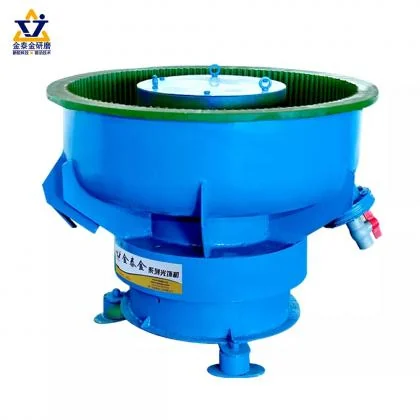
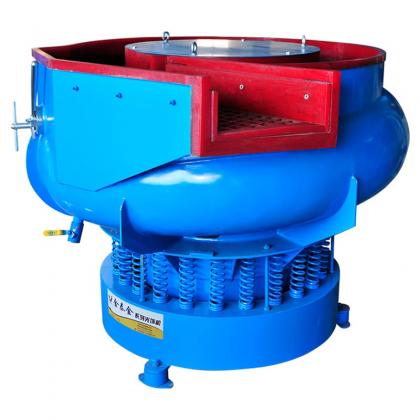
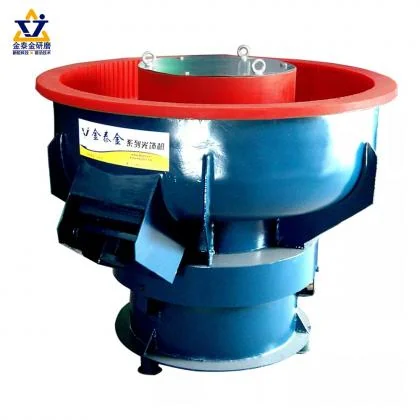
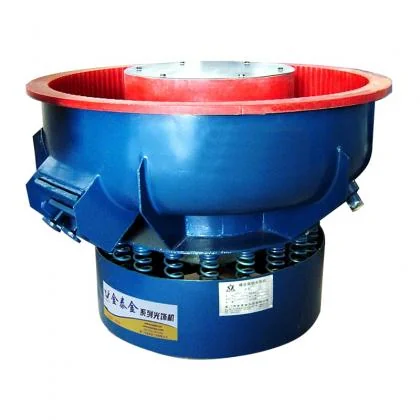
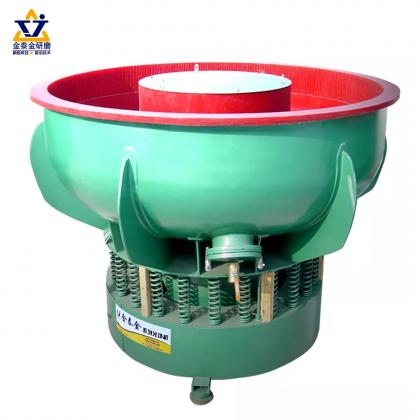
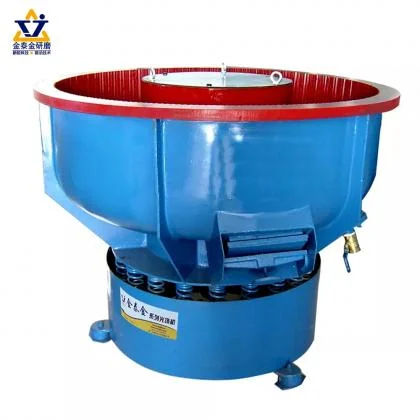
Jintaijin polishing and grinding equipment is a versatile solution that can grind a variety of products, including metal, aluminum, rubber, and plastic products. This equipment can be used to provide surface treatment grinding to these products, which can significantly enhance their overall appearance and functionality.
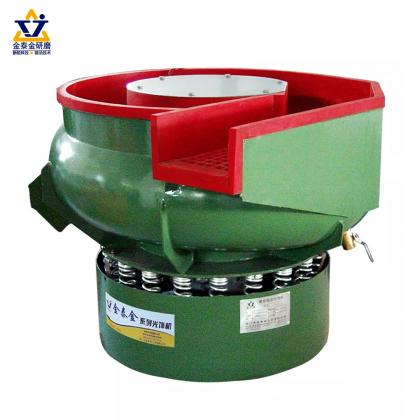
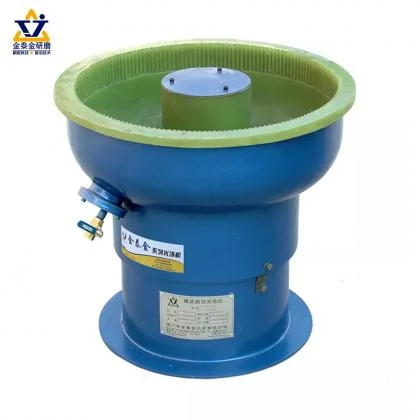
One of the significant advantages of Jintaijin polishing and grinding equipment is that it can be customized to meet specific production needs. This equipment comes in various forms, including automatic, semi-automatic, and manual, and can be designed to meet specific product size and shape requirements.
The automatic Jintaijin polishing and grinding machine is ideal for high-volume production processes. This machine can polish and grind multiple products at the same time, greatly increasing production efficiency. The semi-automatic Jintaijin polishing and grinding machine, on the other hand, requires some manual input and is ideal for medium-scale production processes.
The manual Jintaijin polishing and grinding machine is designed for small-scale production processes. This machine is user-friendly and requires minimal training to operate. It is also highly cost-effective, making it an ideal option for small businesses.
One of the primary benefits of using Jintaijin polishing and grinding equipment is the reduction in labor costs. The use of this equipment eliminates the need for manual labor, which can result in significant cost savings for businesses. Additionally, using Jintaijin polishing and grinding equipment can also reduce the risk of injury to workers, thereby promoting workplace safety.
In conclusion, Jintaijin polishing and grinding equipment is an effective solution for industries looking to improve production efficiency, reduce labor costs, and enhance product appearance and functionality. With a range of equipment options available, businesses can customize their solutions to meet their specific needs, ensuring maximum efficiency and cost-effectiveness.
| Quality objective | What it depends on | Direction |
|---|---|---|
| Consistent surface across a batch | Load and media stability | Keep the charge consistent between cycles |
| Removal of machining marks | Staging from coarse to fine | One stage cannot remove deep marks and finish at once |
| Preserved edge geometry | How much material the part may lose | Check the edge on a sample before a full run |
| Clean surface after processing | Rinsing as a defined stage | Separate rinsing from drying |
| A result that can be repeated | Whether parameters are recorded | Record media, compound, cycle and load |
| Early detection of a problem | Inspection of the first parts out | Check the critical features, not just the flat surface |
Directions to test on a representative sample, not validated results for a specific component.
A finishing process affects quality in ways that go beyond appearance, and separating those ways makes the process easier to control.
The most obvious is surface consistency: whether parts in the same batch, and parts across different batches, look the same. Consistency comes from stability rather than from adjustment — a stable load, a stable media charge and a recorded cycle. When consistency is poor, the cause is almost always variation in the inputs rather than a defect in the process.
The second is geometry retention: whether the features that define the part still meet their requirement afterwards. Edges, threads, bores, and any surface that has to seal or mate are the places to check, because those are where the process has its largest effect. A part that looks correct but has lost its edge requirement is not a correct part.
The third is cleanliness: whether the surface is free of compound residue and media fines after processing. This is a function of the rinsing and drying stages, and it is the quality aspect most often left to chance.
The most useful quality habit in finishing is inspecting the first parts out of the cycle against the starting condition. Comparing a finished part to an unfinished one, feature by feature, catches an over-worked edge or a shield-prone loading pattern before the whole batch has been processed.
Recording what was observed on the tested parts turns that inspection into something a later operator can use. In practice, the difference between a process that stays consistent over months and one that drifts is usually whether anyone wrote down what the process was doing when it worked.
Email : info@surface-polish.com


 IPv6 network supported



 +86-592-2381506
