Compare the three source directions for CNC aluminum parts. A bowl route retains circulation, contact and lodging checks; a tub route adds orientation, dead zones and transfer or separation review. The disc route calls for inspection of rapid edge-radius change, nesting and contact damage. A direction described as stronger or shorter-cycle is not a measured performance claim for your part. The source table gives no model-specific capacity or setting.
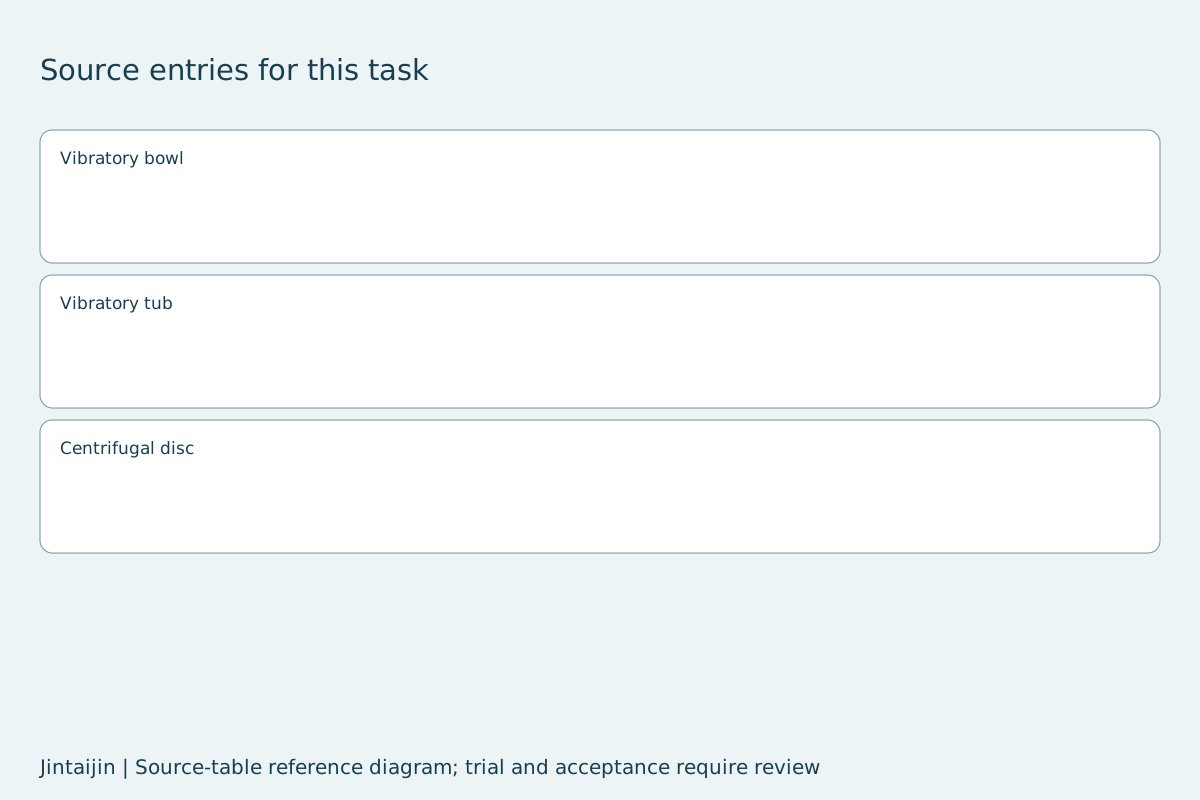
Select the entries relevant to your review.
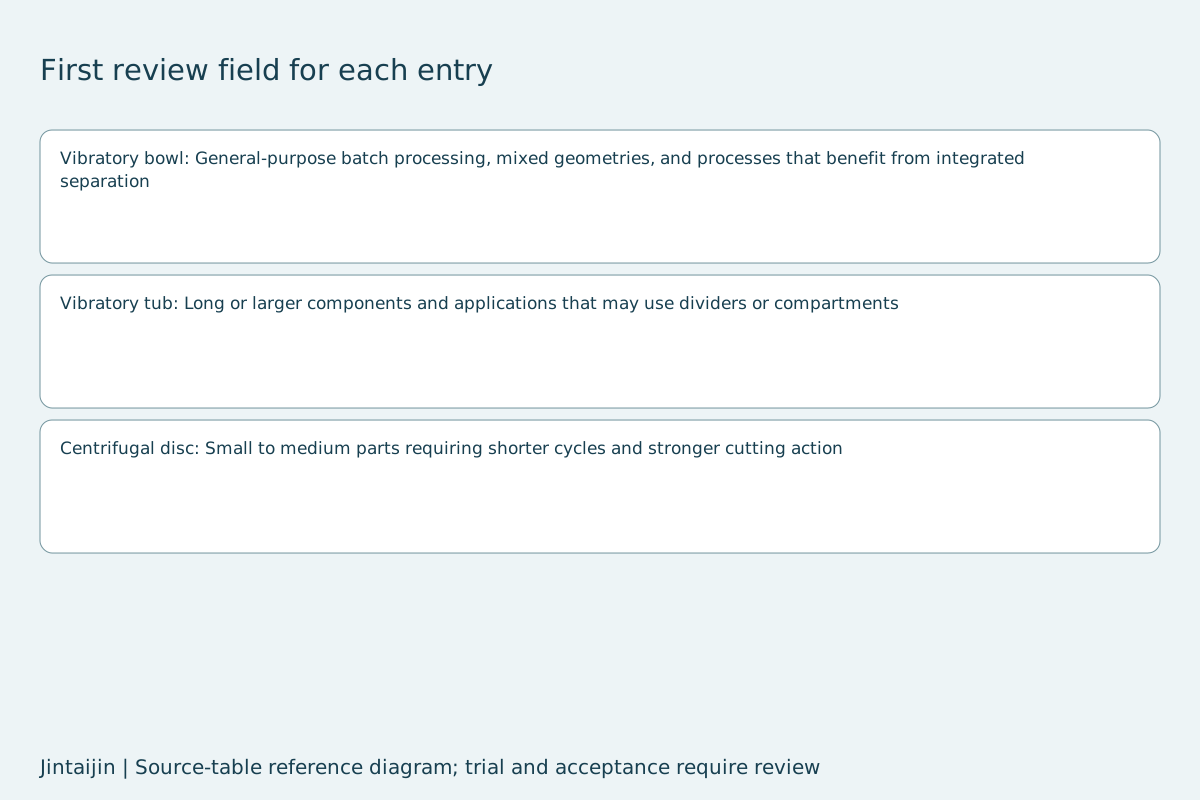
Aluminum application directions without supplied-model or cycle approval. Keep every selected requirement with the part and the actual trial record. Selecting a row does not show that its acceptance condition has been met.
Record burr location, root geometry, critical edge and nearby openings before the trial. Inspect whether the burr root is being reached before increasing intensity. Compare dimensions, cosmetic surfaces and separation damage using the same method across directions. Include washing, drying and handling when comparing the complete route. Reject a trial that changes a protected edge before the agreed burr criterion is met.
Where It Fits: General-purpose batch processing, mixed geometries, and processes that benefit from integrated separation
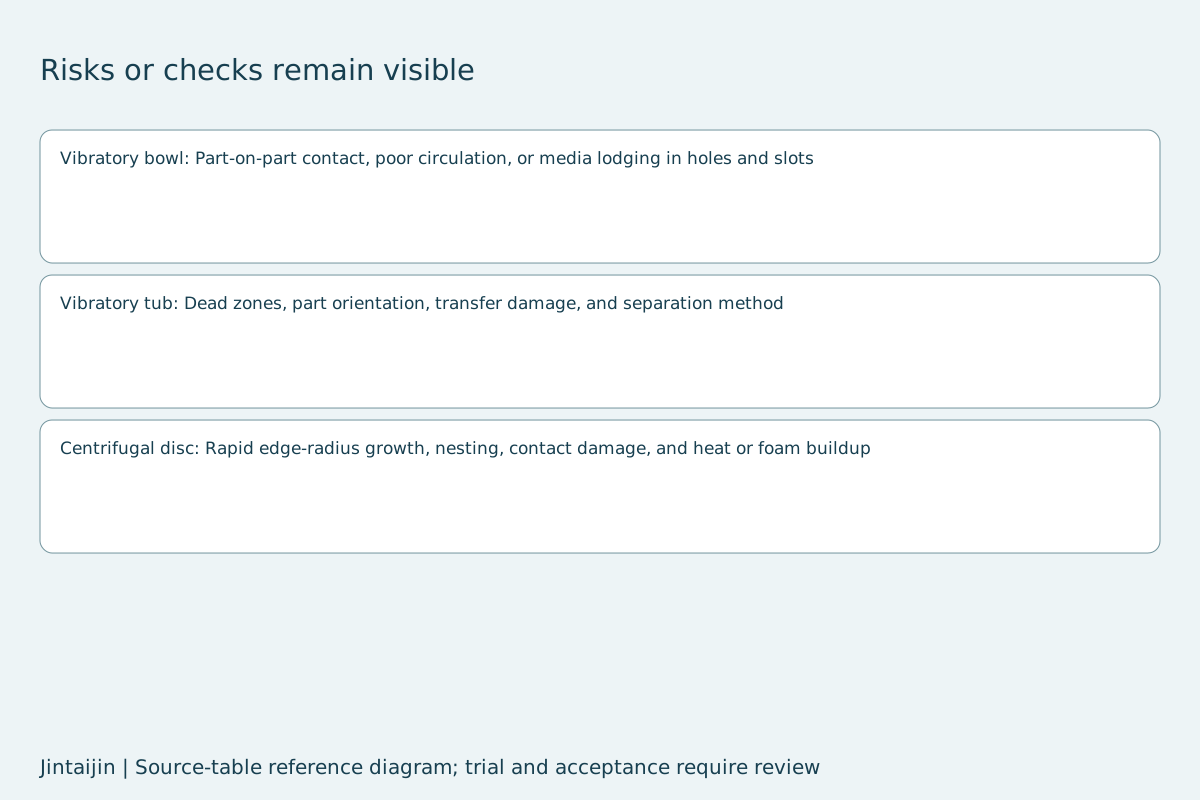
Main Risk to Validate: Part-on-part contact, poor circulation, or media lodging in holes and slots
Where It Fits: Long or larger components and applications that may use dividers or compartments
Main Risk to Validate: Dead zones, part orientation, transfer damage, and separation method
Where It Fits: Small to medium parts requiring shorter cycles and stronger cutting action
Main Risk to Validate: Rapid edge-radius growth, nesting, contact damage, and heat or foam buildup
Read the Jintaijin technical article. Source table reviewed 3 October 2026. Possible causes, directions and adjustments remain conditional reference fields.
Email : info@surface-polish.com


 IPv6 network supported


 +86-592-2381506