Select the observed trial results, including a remaining burr with a growing radius, dents, deep scratches, gray film, lodging or within-batch variation. Each row retains a possible cause and a controlled test from the aluminum article. This helps separate machining, circulation, contamination, chemistry and separation questions. It does not diagnose the part or authorize changing chemical concentration from a general article.
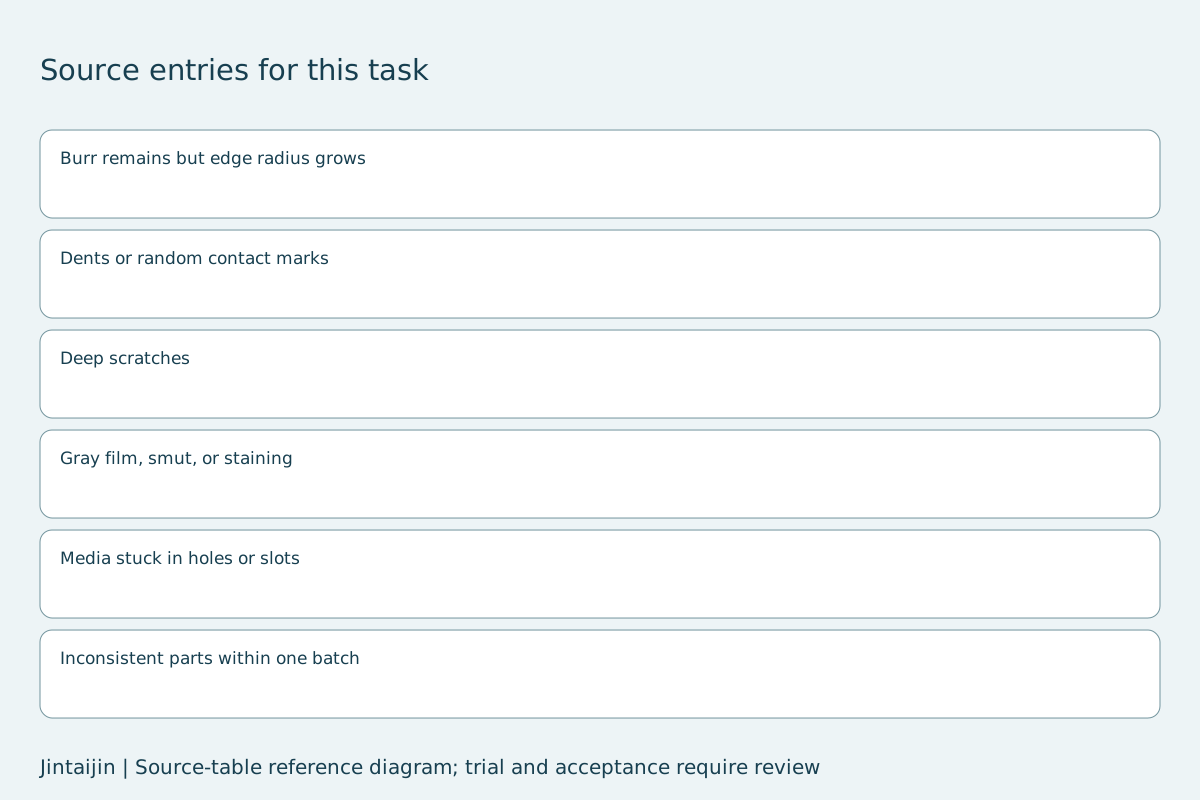
Select the entries relevant to your review.
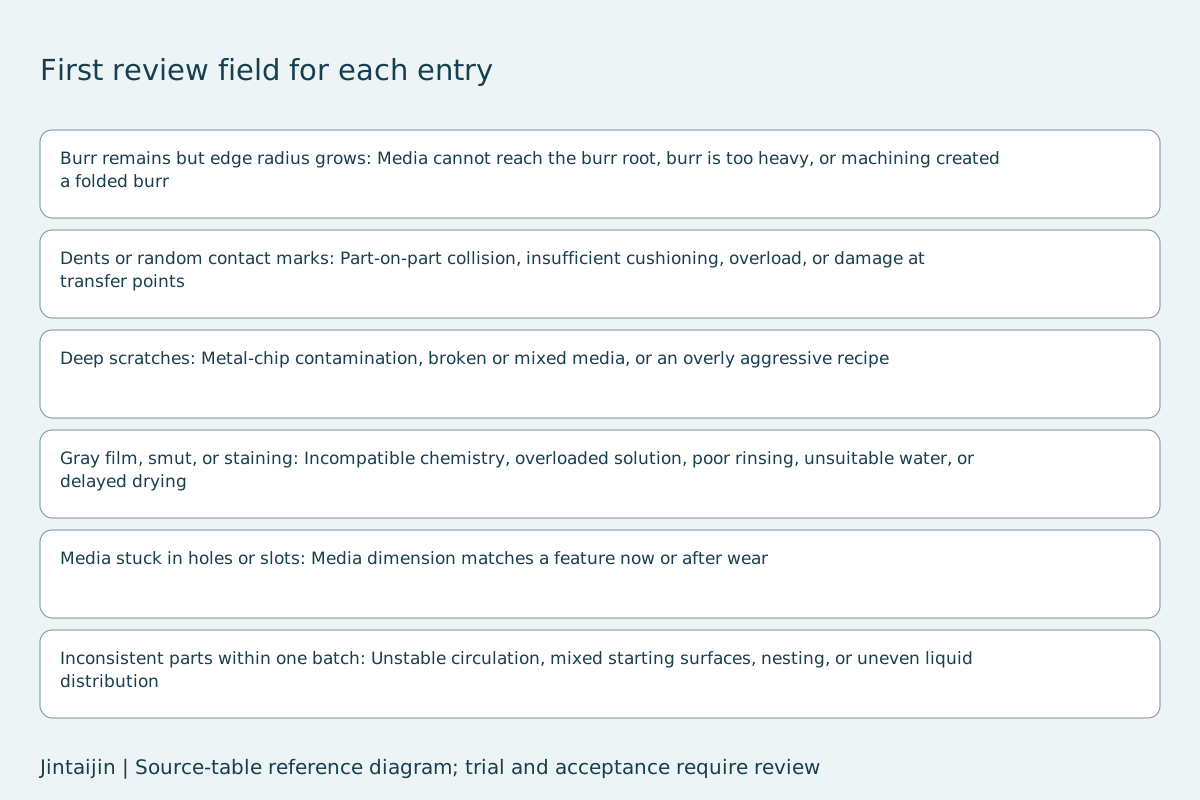
Likely causes remain hypotheses; chemistry instructions require approved product guidance. Keep every selected requirement with the part and the actual trial record. Selecting a row does not show that its acceptance condition has been met.
Keep a known reference part and clean-media history with the trial. Record actual solution identity and concentration using its approved technical guidance. Compare marks before transfer, after separation and after drying. For lodging, inspect the matching feature and the complete removal route. For batch variation, record starting-surface differences and movement across the chamber. Change one reviewed variable at a time and inspect the protected edges again.
Likely Cause: Media cannot reach the burr root, burr is too heavy, or machining created a folded burr
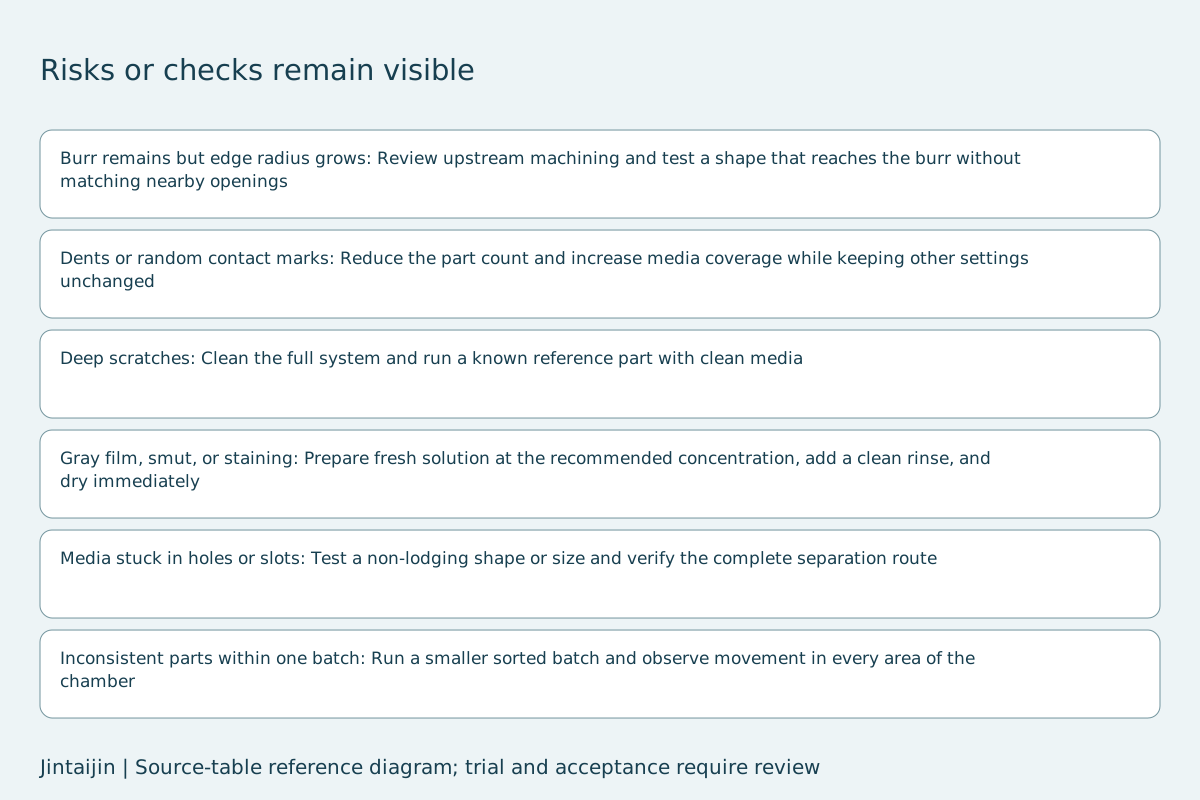
Controlled Test: Review upstream machining and test a shape that reaches the burr without matching nearby openings
Likely Cause: Part-on-part collision, insufficient cushioning, overload, or damage at transfer points
Controlled Test: Reduce the part count and increase media coverage while keeping other settings unchanged
Likely Cause: Metal-chip contamination, broken or mixed media, or an overly aggressive recipe
Controlled Test: Clean the full system and run a known reference part with clean media
Likely Cause: Incompatible chemistry, overloaded solution, poor rinsing, unsuitable water, or delayed drying
Controlled Test: Prepare fresh solution at the recommended concentration, add a clean rinse, and dry immediately
Likely Cause: Media dimension matches a feature now or after wear
Controlled Test: Test a non-lodging shape or size and verify the complete separation route
Likely Cause: Unstable circulation, mixed starting surfaces, nesting, or uneven liquid distribution
Controlled Test: Run a smaller sorted batch and observe movement in every area of the chamber
Read the Jintaijin technical article. Source table reviewed 3 October 2026. Possible causes, directions and adjustments remain conditional reference fields.
Email : info@surface-polish.com


 IPv6 network supported


 +86-592-2381506