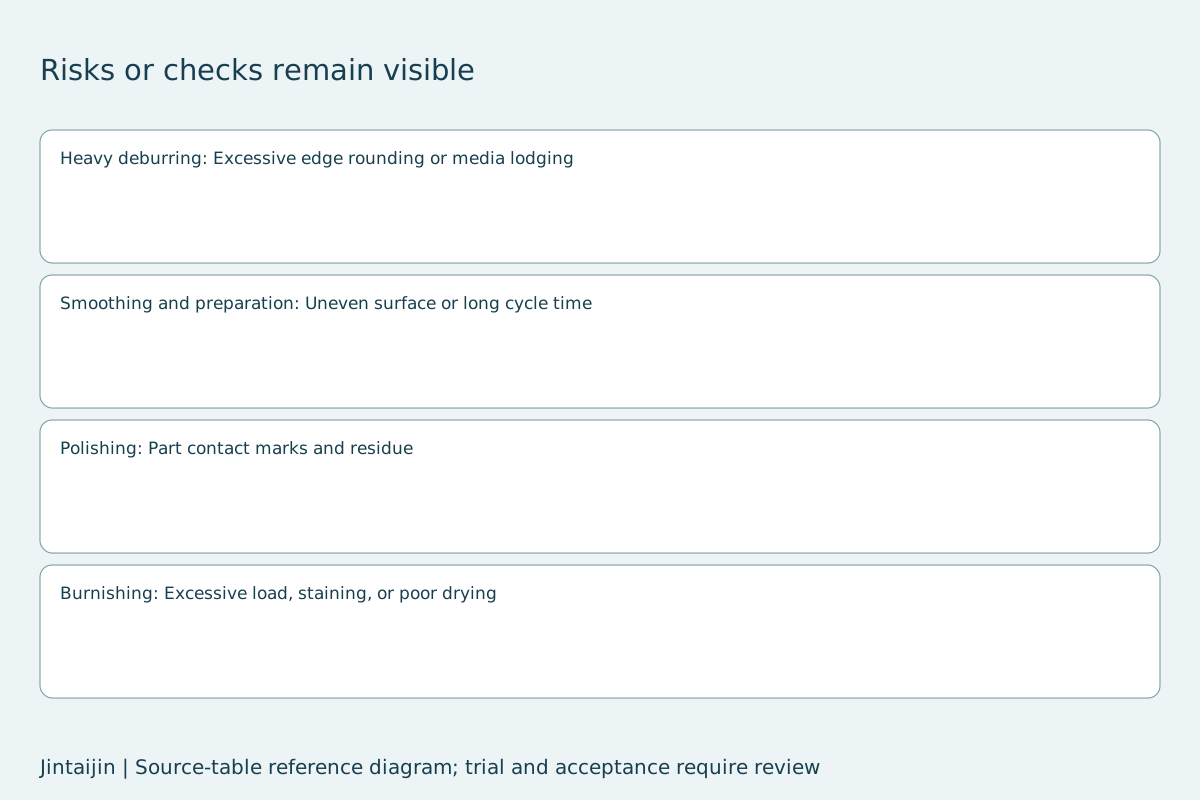
Select heavy deburring, smoothing, polishing or burnishing. The source links each goal with a media direction, a machine feature and a main risk. Cutting tasks retain edge rounding and lodging concerns; polishing retains contact and residue checks. Burnishing introduces the need to review loading with dense media. These rows describe what to discuss with an engineer, not a universal grade, drive power or chemical recipe.
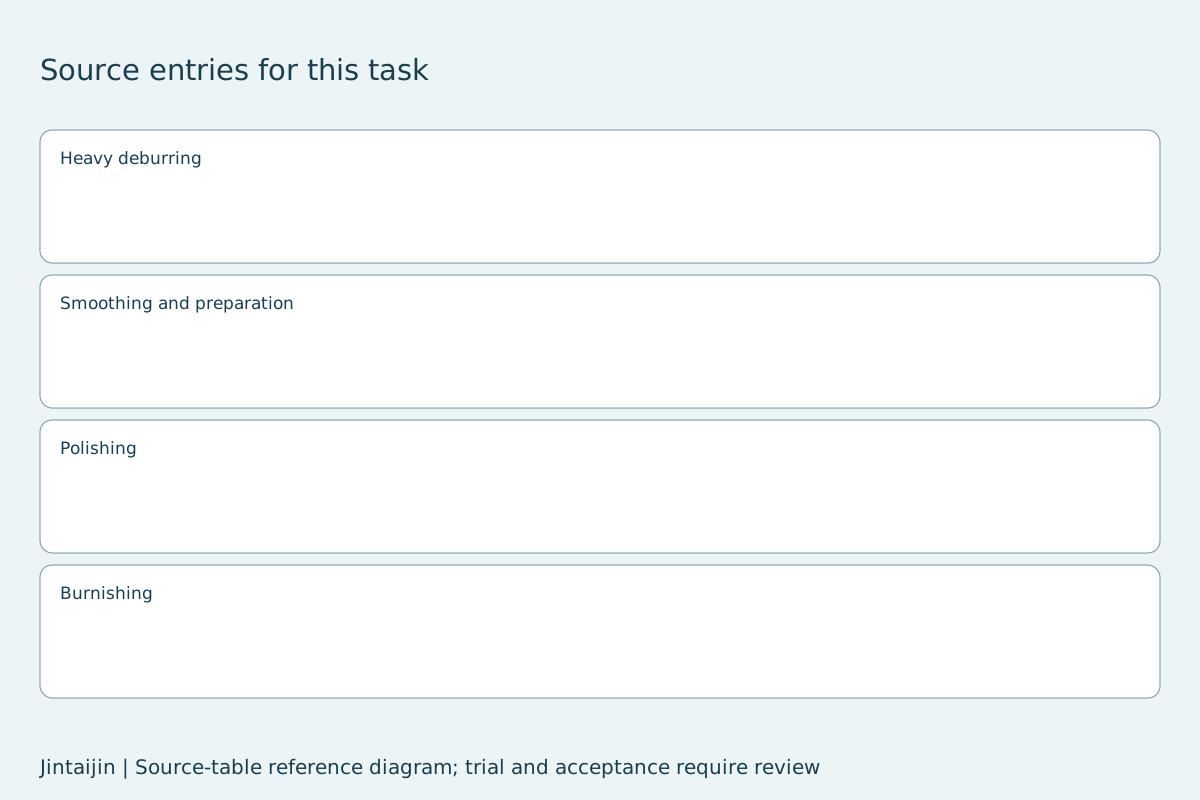
Select the entries relevant to your review.
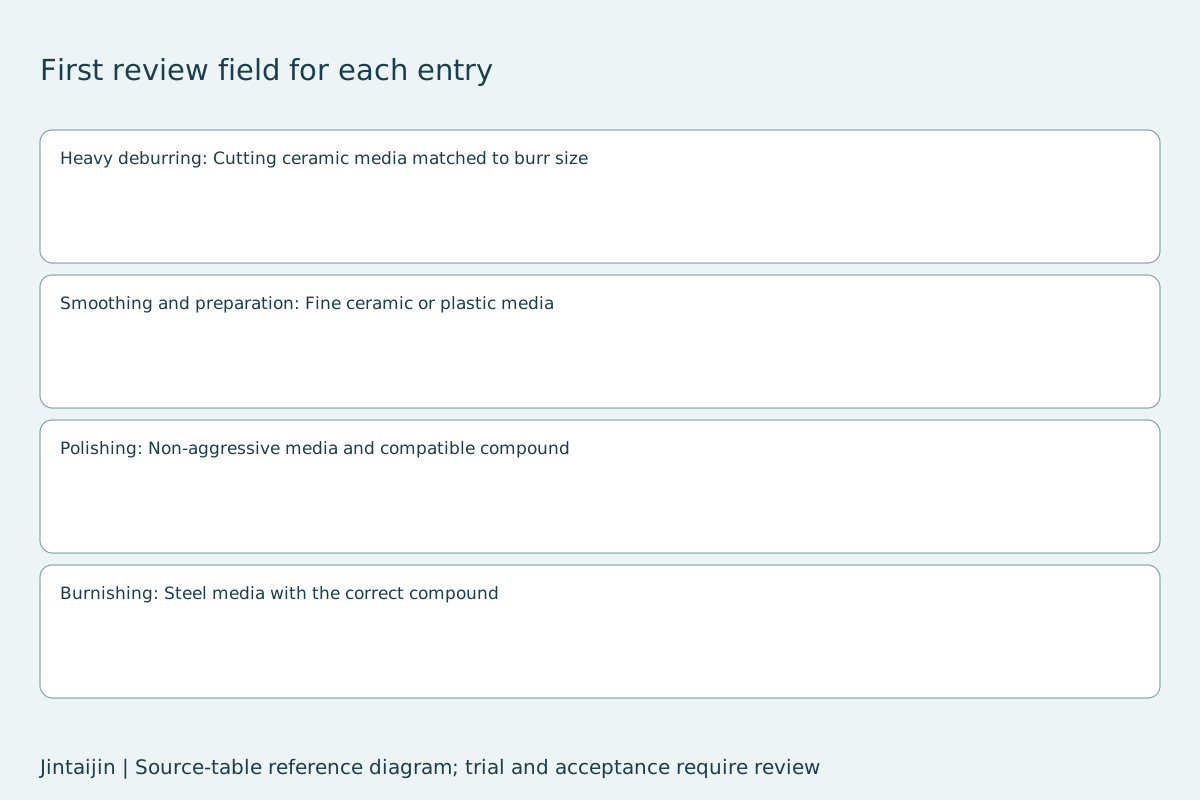
Media directions and drive/load requirements are trial prompts. Keep every selected requirement with the part and the actual trial record. Selecting a row does not show that its acceptance condition has been met.
Record the candidate media grade, geometry, worn-size range, compound identity and actual machine configuration. Check loading limits for the complete media and part charge, especially where steel media is contemplated. Inspect the protected edges, finish and cleaning outcome against the agreed drawing or reference sample. This source table does not provide a numerical load allowance or a method to infer it from gross chamber volume.
Media Direction: Cutting ceramic media matched to burr size
Key Machine Feature: Stable motion and suitable drive power
Main Risk to Control: Excessive edge rounding or media lodging
Media Direction: Fine ceramic or plastic media
Key Machine Feature: Adjustable intensity and reliable compound flow
Main Risk to Control: Uneven surface or long cycle time
Media Direction: Non-aggressive media and compatible compound
Key Machine Feature: Gentle, consistent movement
Main Risk to Control: Part contact marks and residue
Media Direction: Steel media with the correct compound
Key Machine Feature: Load capacity suitable for dense media
Main Risk to Control: Excessive load, staining, or poor drying
Read the Jintaijin technical article. Source table reviewed 3 October 2026. Possible causes, directions and adjustments remain conditional reference fields.
Email : info@surface-polish.com


 IPv6 network supported


 +86-592-2381506