• Polishing Process for Motorcycle Hand Levers: Achieving Precision and Shine
    Polishing Process for Motorcycle Hand Levers: Achieving Precision and Shine November 14, 2024
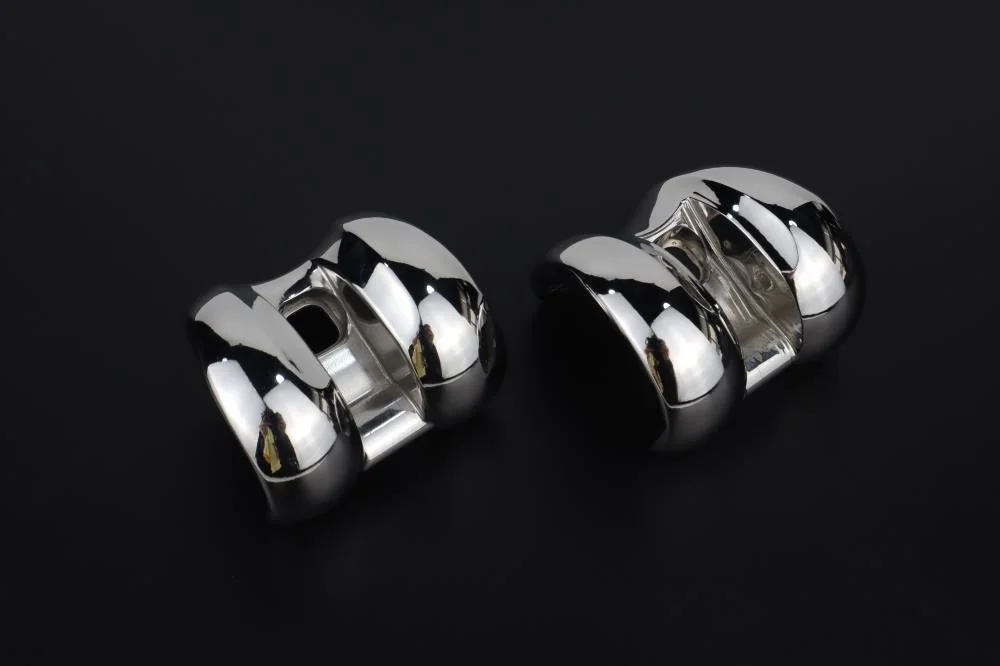
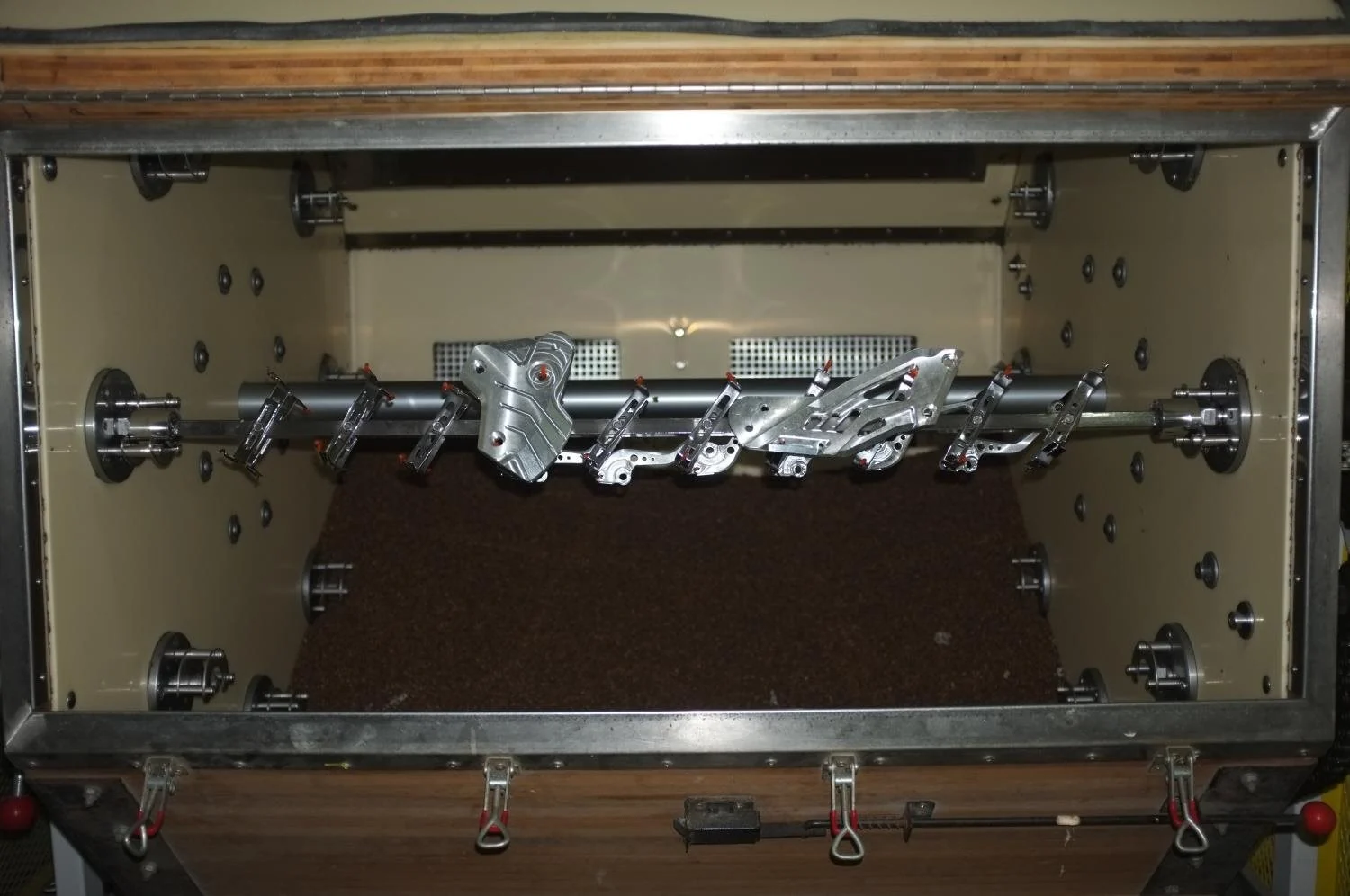
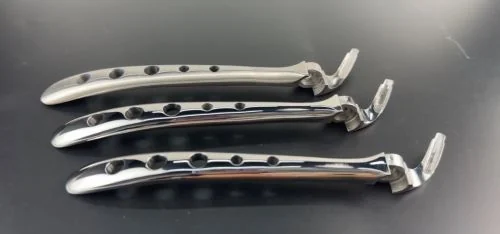
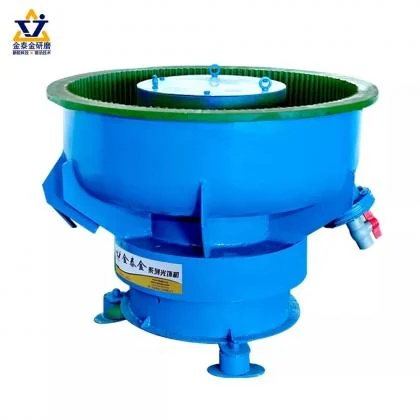
    Article Content: Motorcycle components, such as hand levers, are not just functional parts but also contribute significantly to the overall aesthetics of the bike. Achieving a polished, high-quality finish on these components can dramatically enhance both the appearance and the comfort of the rider. In this case study, we delve into the complete polishing process of motorcycle hand levers, illustrating the stages involved and the techniques employed to achieve an exceptional mirror finish. 1. Initial State: Preparing the Hand Levers for Polishing The process began with raw, rough hand levers that required extensive work to reach the desired quality. The initial state of the hand levers is characterized by an uneven surface with visible machining marks. These rough edges and imperfections need to be removed before we proceed to finer polishing. 2. Equipment Used in the Polishing Process To achieve the desired finish, we used multiple stages of polishing with specialized equipment. We utilized our rotary tumbling polishing machine, which allows for precise control over polishing parameters, ensuring that the entire surface of the hand lever is uniformly treated. The polishing process involved three main stages: Coarse Polishing: This step is focused on removing machining marks and surface irregularities, creating a smooth base for the next steps. Secondary Polishing: In this stage, we further refined the surface of the hand levers, eliminating any remaining minor scratches and preparing the levers for the final polish. Fine Polishing: Finally, a fine polishing step was carried out to achieve a mirror-like shine. This stage required the use of finer polishing compounds to bring out the high-gloss finish that distinguishes premium motorcycle components. 3. Achieving the Final High-Gloss Finish The fine polishing stage is where the true transformation occurs. By using high-quality polishing media and adjusting the machine settings to achieve optimal contact between the polishing media and the hand lever surface, we were able to bring out a deep, mirror-like finish that met the aesthetic standards required for motorcycle components. 4. Benefits of the Polishing Process The benefits of our polishing process extend beyond just aesthetics. By refining the surface of the hand levers, we also enhance their functionality: Improved Comfort: A smooth and polished hand lever ensures a comfortable grip for the rider, enhancing the overall riding experience. Increased Durability: Polishing helps to remove surface defects that could potentially develop into weak points over time, thus increasing the durability and lifespan of the component. Corrosion Resistance: By achieving a high-gloss finish, the hand levers are more resistant to corrosion, which is crucial for motorcycle components exposed to various environmental conditions. 5. Conclusion This polishing case study demonstrates the level of precision and expertise required to transform raw motorcycle hand leve...
    View More
  • Achieving Precision and Safety: Polishing Techniques for Medical Implants and Instruments - A Joint Case Study by JintaiJin and Medical Expert Chris
    Achieving Precision and Safety: Polishing Techniques for Medical Implants and Instruments - A Joint Case Study by JintaiJin and Medical Expert Chris November 13, 2024
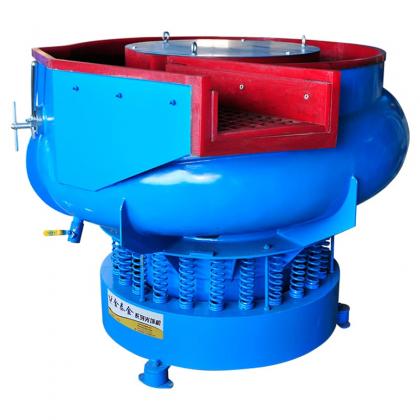
    Article Content At JintaiJin, we take pride in our capability to deliver high-quality surface finishing solutions, especially for industries where precision is critical, such as the medical field. Today, I, Max, a polishing engineer at JintaiJin, am collaborating with Chris, an experienced professional in the medical device industry, to share a recent case involving the polishing of medical implants and surgical instruments. These components include spinal screws, bone plates, and connector chains, which all require impeccable surface quality to ensure safety and comfort for patients. 1. The Project: Polishing Medical Implants and Instruments Max: Our client, a manufacturer of medical implants, required a high-gloss finish on these orthopedic devices. The implants needed to have a mirror-like surface that was free from any imperfections, as these surfaces come into direct contact with human tissues. The importance of smooth surfaces for such implants cannot be overstated, as it helps in reducing tissue irritation, preventing bacterial adhesion, and ensuring easier insertion during surgeries. Chris: When I initially discussed the requirements with Max, we both knew that the challenge was not just about achieving a shiny finish—it was about meeting rigorous medical standards. I explained how critical it was to ensure biocompatibility and minimize any potential risks to patients. Max was very receptive, and we started brainstorming the best approach together. 2. Equipment Used for the Polishing Process Max: For this project, we utilized our state-of-the-art automatic tumbling polishing machine, which is well-suited for handling complex medical components. During our initial discussions, Chris emphasized the need for precision and consistency, which led us to select this machine. The features of our equipment that were particularly beneficial for this project include: - Precise Control: The machine’s ability to fine-tune polishing settings allowed us to achieve a consistent, mirror-like finish without causing damage to the intricate details of the implants. - Batch Processing Capability: Given the large number of components that needed polishing, our equipment’s batch processing capabilities were essential for delivering high-quality results within a reasonable timeframe. - Eco-Friendly Polishing Compounds: We used environmentally friendly polishing media and compounds to ensure the process was safe for both operators and the environment. Chris: I was particularly impressed by the eco-friendly approach that Max suggested. This was important to us, as we wanted to ensure not only the quality of the implants but also the safety of the production process for the operators and the environment. 3. Overcoming Challenges and Meeting Medical Standards Max: Polishing medical implants presents unique challenges, primarily due to the strict standards required for surface quality and safety. Aluminum and stainless steel implants are prone to scratches if not han...
    View More
  • Handcrafted Polishing Techniques for Aluminum Products: A Case Study
    Aluminum Product Polishing Techniques: Handcrafted Insights from JintaiJin November 12, 2024
    Discover JintaiJin's approach to polishing aluminum products with advanced equipment,batch processing techniques,and a focus on overcoming customer challenges. Get practical,real-world insights into achieving the perfect finish.
    View More
  • Polishing Machine Troubleshooting: Vibration, Noise, Overheating, Drainage, and Wear
    Polishing Machine Troubleshooting: Vibration, Noise, Overheating, Drainage, and Wear November 12, 2024
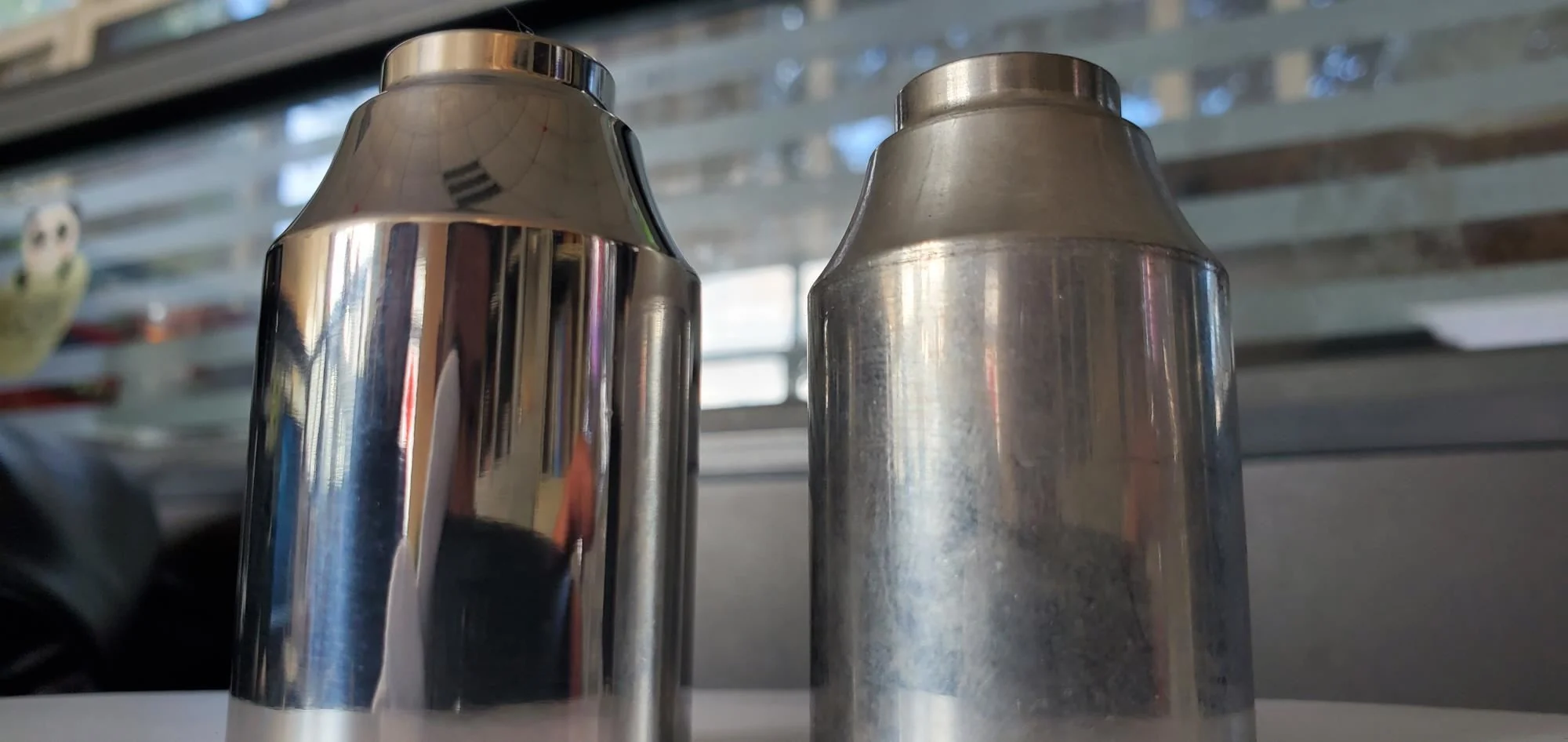
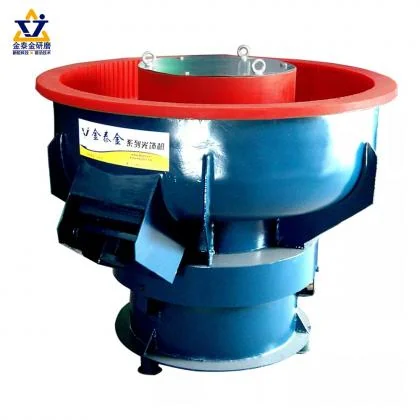
    Equipment Troubleshooting Guide Polishing Machine Troubleshooting: Vibration, Noise, Overheating, Drainage, and Wear When a mass finishing machine changes sound, movement, temperature, or flow, adjusting the polishing recipe first can hide the real fault. This guide separates machine problems from process problems and gives operators a practical inspection sequence for vibratory, barrel, and centrifugal equipment. A polishing machine rarely fails without warning. A new rattle, slower media circulation, rising motor current, poor drainage, or uneven separation often appears before a complete stop. The safest and fastest response is to record what changed, stop the machine when required, and inspect the mechanical and process systems in a fixed order. Safety first: Isolate electrical, pneumatic, and fluid energy before opening guards or touching moving parts. Follow the machine manual and your facility lockout/tagout procedure. Never bypass a guard, interlock, overload device, or emergency stop to continue production. If the machine is under warranty, confirm the permitted inspection scope with the supplier. First decide: machine fault or process fault? A machine fault changes the equipment itself: its sound, movement, temperature, current, fluid flow, or ability to start and stop. A process fault mainly changes the parts: scratches, dents, residue, poor brightness, edge rounding, or an inconsistent finish. The two can be connected, but they should not be diagnosed as if they were the same problem. If the machine runs normally but parts show scratches, residue, impact marks, or uneven results, use our separate vibratory finishing defect troubleshooting guide. If the machine itself sounds, moves, drains, separates, or heats differently, continue with the equipment checks below. Observed symptom Check first Possible direction Machine moves or vibration becomes stronger Anchors, feet, springs, load distribution Loose mounting, damaged spring, uneven or excessive load New rattling, knocking, or grinding sound Loose hardware, screen, cover, drive and bearings Contact between parts, worn drive component, bearing damage Motor or drive temperature rises Load, ventilation, current, belt tension, lubrication Overload, restricted cooling, incorrect tension, friction Weak or irregular media flow Load ratio, springs, drive settings, liner condition Incorrect load, changed amplitude, worn support or liner Slow drainage or excess foam Drain screen, port, hose, water and compound feed Blockage, kinked hose, excessive compound, contaminated bath Parts do not separate reliably Screen opening, wear, gate and media size Wrong size relationship, damaged screen, unstable flow A repeatable diagnostic sequence Record the change. Note the time, product, media, load weight or volume, compound setting, cycle stage, sound, motor current, temperature, and any alarm. A short video can help a supplier compare motion and noise. Compare with the last known good run. Ask what chang...
    View More
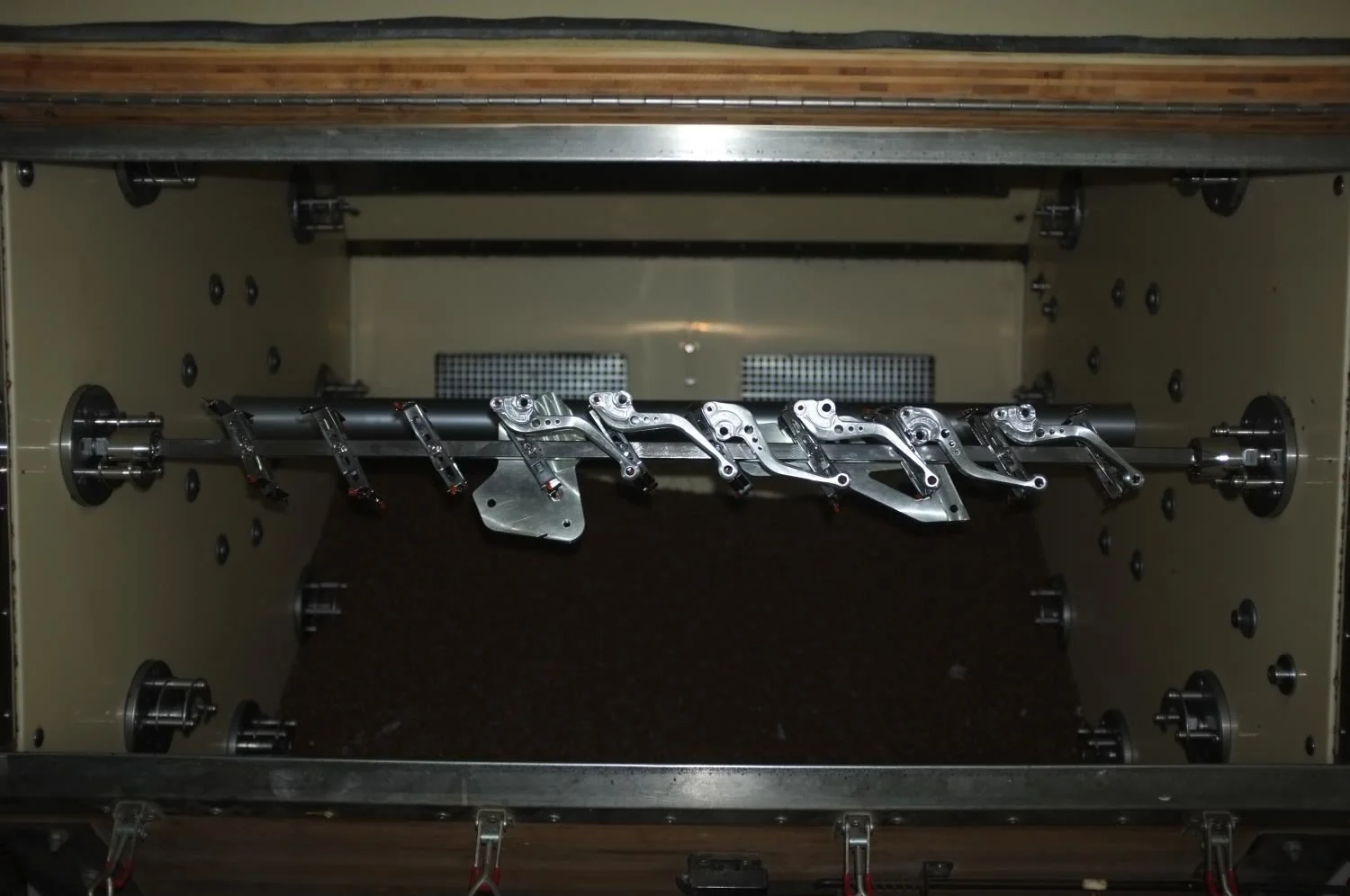
  • Case Study: Achieving Perfect Polishes for Key Rings with Advanced Tumbling Equipment
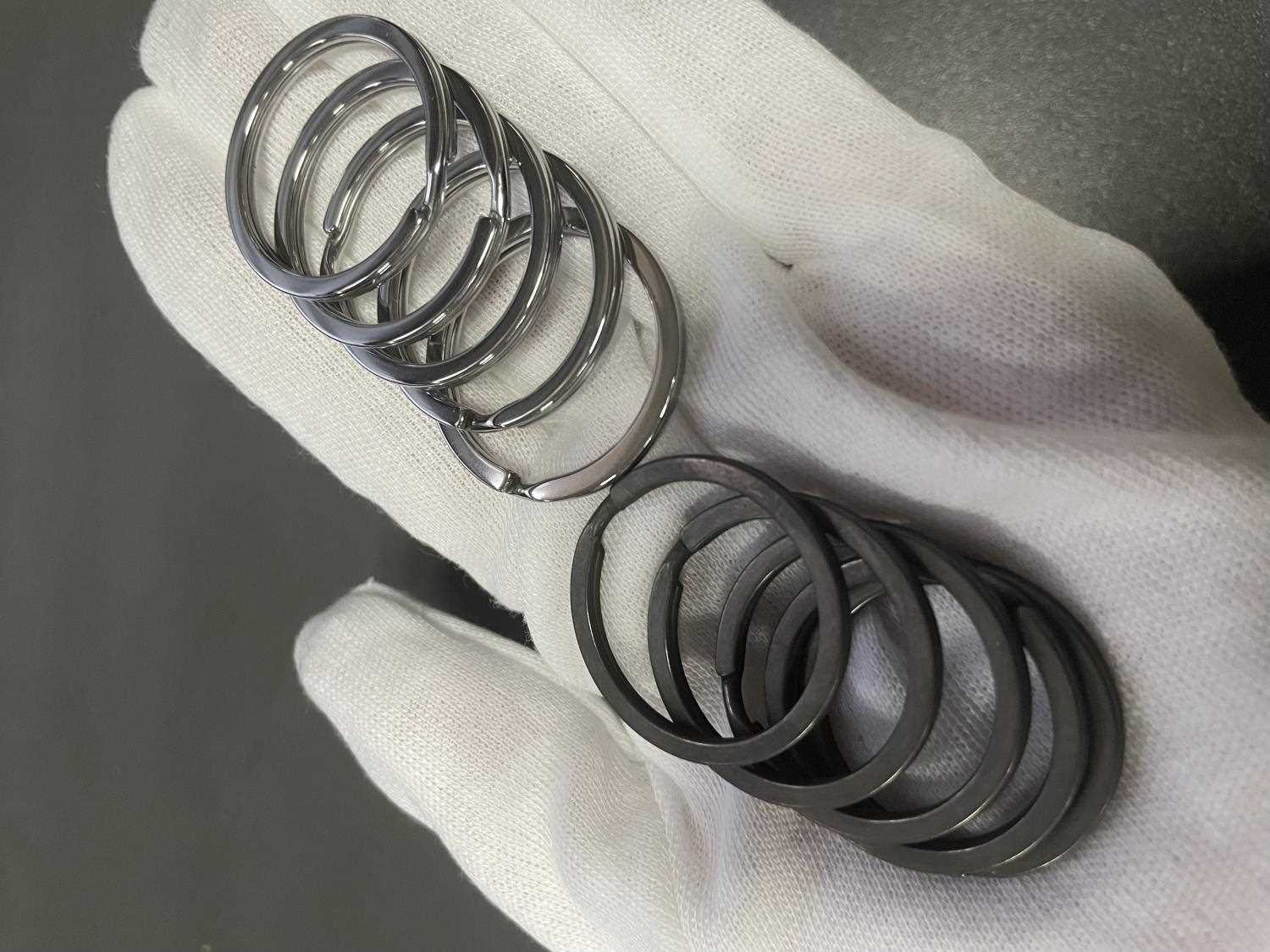
    Case Study on Key Ring Polishing Using Advanced Tumbling Equipment November 11, 2024
    Read this case study to discover how JintaiJin's automated tumbling equipment achieved flawless key ring polishing,overcame customer challenges,and demonstrated batch processing benefits.
    View More
  • Case Study: Polishing High-Quality Medical Dental Pliers with Advanced Technology
    Case Study: Polishing High-Quality Medical Dental Pliers with Advanced Technology July 23, 2024
    Discover how Jintaijin Polishing Technology uses advanced dry hanging tool drum grinder to achieve high-quality polishing of medical dental pliers with a surface roughness of Ra0.4,enhancing product quality and customer satisfaction.
    View More

#+86-592-2381506

Email : info@surface-polish.com

Headquarters address : No. 31, Xinchang Road, Xinyang Industrial Zone, Haicang District, Xiamen

click here to leave a message

Leave A Message
If you are interested in our products and want to know more details,please leave a message here,we will reply you as soon as we can.

Preparing secure enquiry form…

Home

Products

whatsapp

contact