The source separates cloudy or dull surfaces, warping or fit change, new contact marks, and rounded grooves or lost details. Cloudiness requires review of media, paste history, stage transfer and lighting. Warping calls for a temperature trend, cycle segments, thickness, stacking and alignment checks. Scratches add cleanliness, spacing, trays and handling questions. Detail loss retains the stage where change begins and the upstream tool-mark condition. Selecting several symptoms does not turn the possible-cause directions into a confirmed diagnosis.
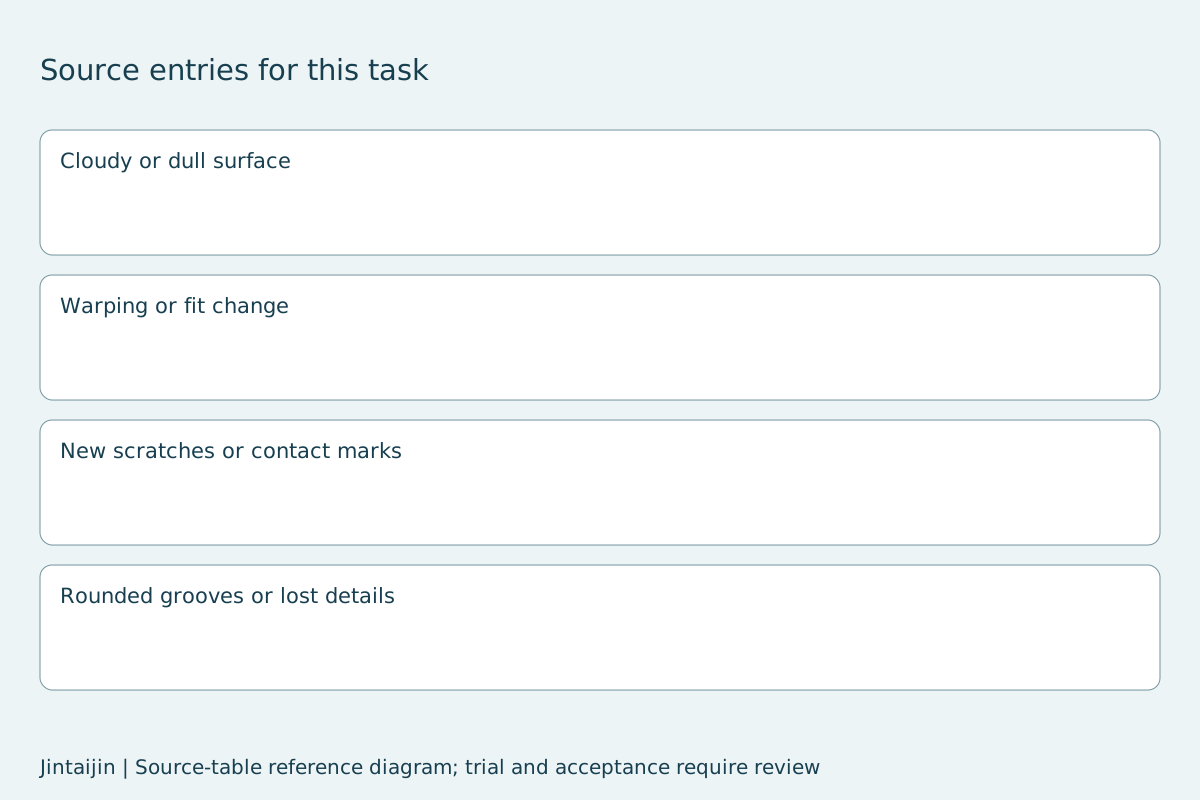
Select the entries relevant to your review.
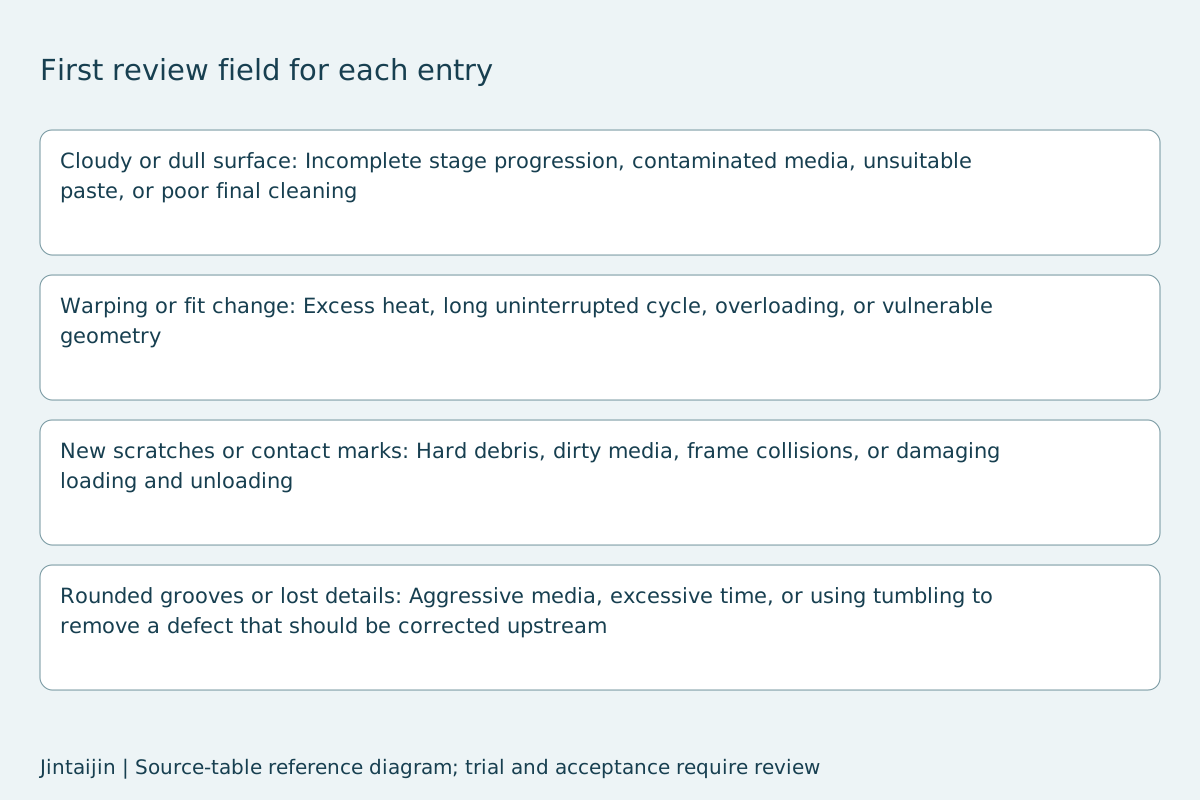
Possible causes and tests, not a confirmed diagnosis. Keep every selected requirement with the part and the actual trial record. Selecting a row does not show that its acceptance condition has been met.
Compare trial parts with an incoming reference under consistent lighting and use the agreed assembly or dimensional checks. Record when each symptom first appears and preserve the actual settings and media history. A proposed adjustment should be tested on representative samples and checked for new damage. This page supplies no universal safe temperature, paste dose, media life, batch load or tumbling duration.
Likely Cause Direction: Incomplete stage progression, contaminated media, unsuitable paste, or poor final cleaning
What to Check: Media age, paste history, stage transfer, residue in grooves, and inspection lighting
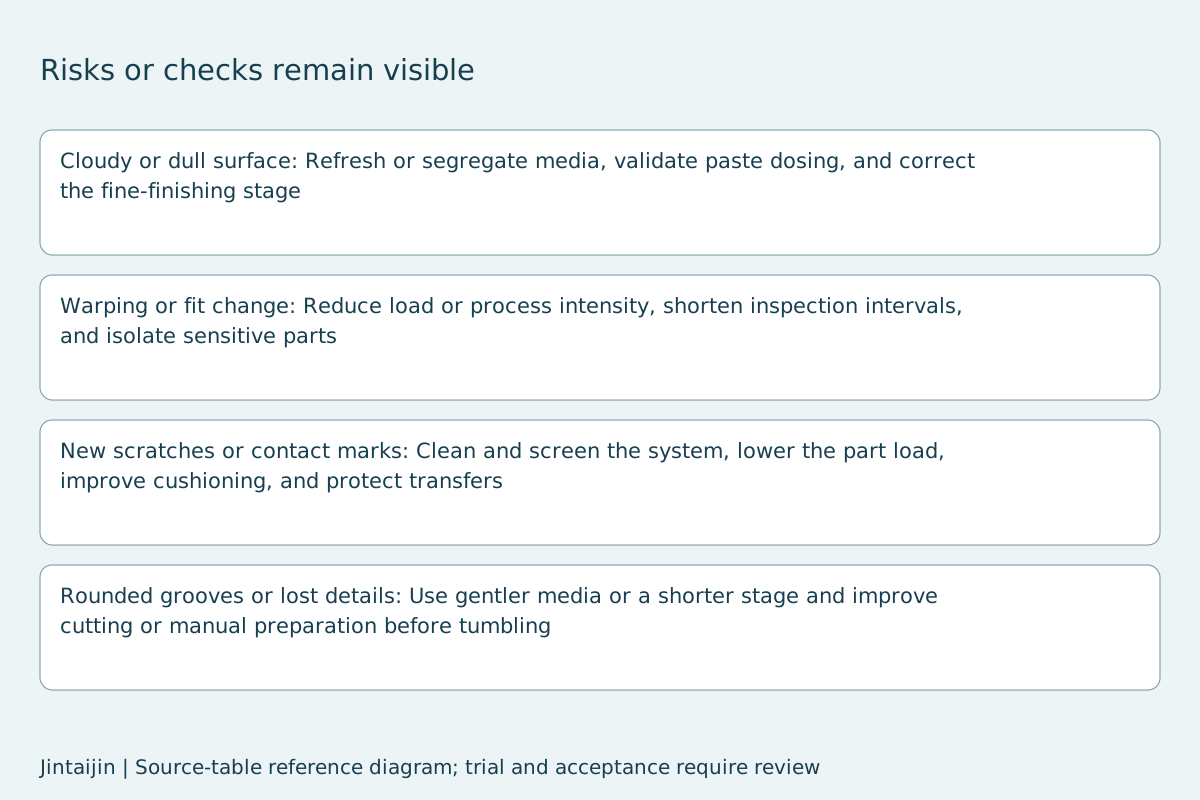
Adjustment to Test: Refresh or segregate media, validate paste dosing, and correct the fine-finishing stage
Likely Cause Direction: Excess heat, long uninterrupted cycle, overloading, or vulnerable geometry
What to Check: Temperature trend, cycle segments, wall thickness, stacking, and frame alignment
Adjustment to Test: Reduce load or process intensity, shorten inspection intervals, and isolate sensitive parts
Likely Cause Direction: Hard debris, dirty media, frame collisions, or damaging loading and unloading
What to Check: Chamber cleanliness, media screening, part spacing, transfer trays, and operator handling
Adjustment to Test: Clean and screen the system, lower the part load, improve cushioning, and protect transfers
Likely Cause Direction: Aggressive media, excessive time, or using tumbling to remove a defect that should be corrected upstream
What to Check: Stage where detail loss begins, media access, starting tool marks, and profile measurements
Adjustment to Test: Use gentler media or a shorter stage and improve cutting or manual preparation before tumbling
Read the Jintaijin technical article. Source table reviewed 3 October 2026. Possible causes, directions and adjustments remain conditional reference fields.
Email : info@surface-polish.com


 IPv6 network supported


 +86-592-2381506