Select bending flash, early edge loss, haze, nesting or lodging. The source raises different directions: an upstream gate-removal question, contamination and friction checks, loading or chamber-motion review, or another lodging trial. A flexible flash may require a different deflashing route. The tool preserves those directions without converting them into an approved trim, blast or cryogenic procedure.
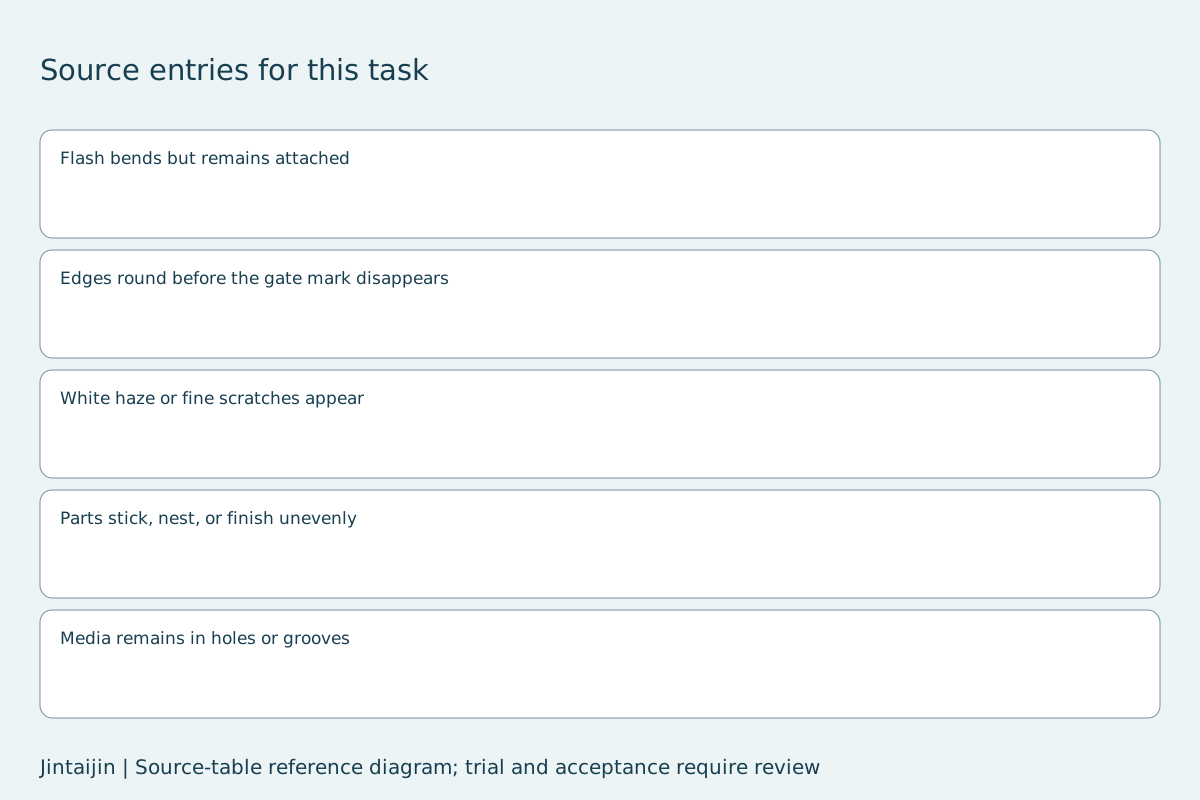
Select the entries relevant to your review.
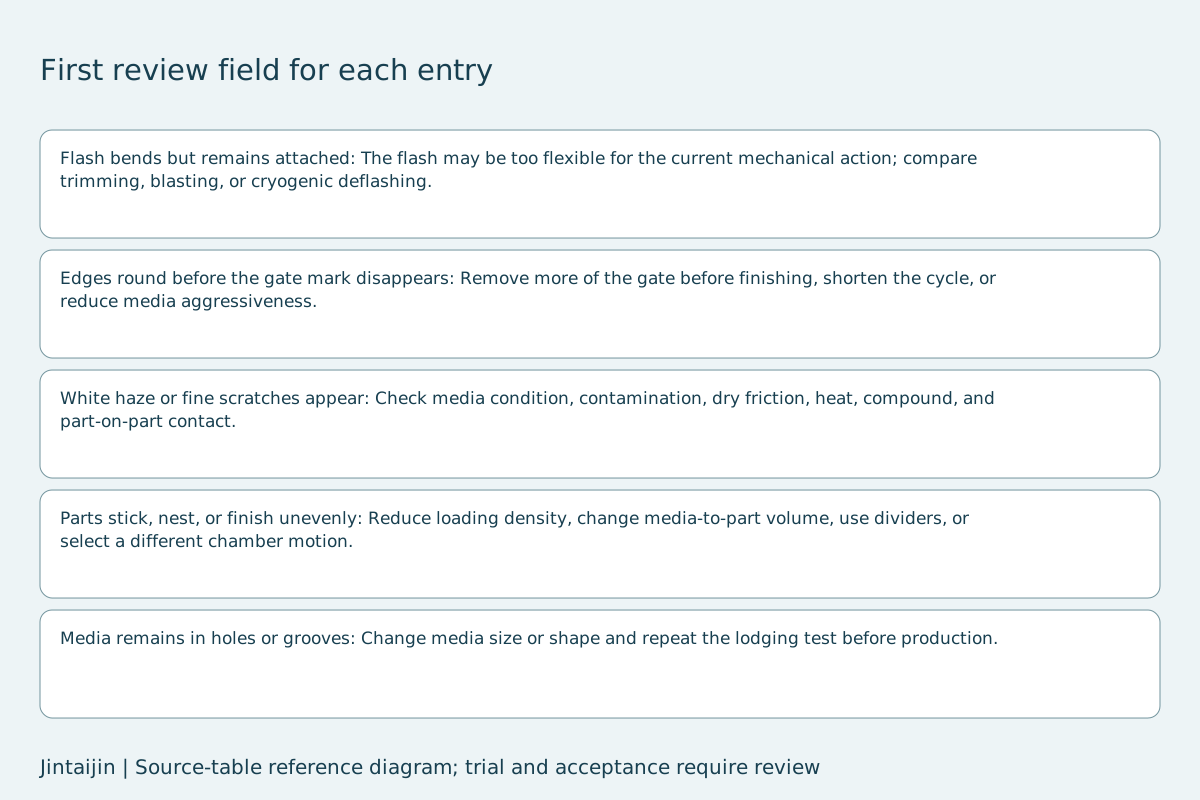
Possible alternatives require a separately reviewed trial; no recipe inferred. Keep every selected requirement with the part and the actual trial record. Selecting a row does not show that its acceptance condition has been met.
Inspect the actual sealing lips, assembly edges, thin sections and internal features alongside appearance. Save the incoming defect reference and record where a new haze or dimensional change begins. Verify the material grade, chemical compatibility and complete separation route. Test any proposed alternative under its own approved procedure. A remaining defect does not justify extending a cycle that has already damaged a protected feature.
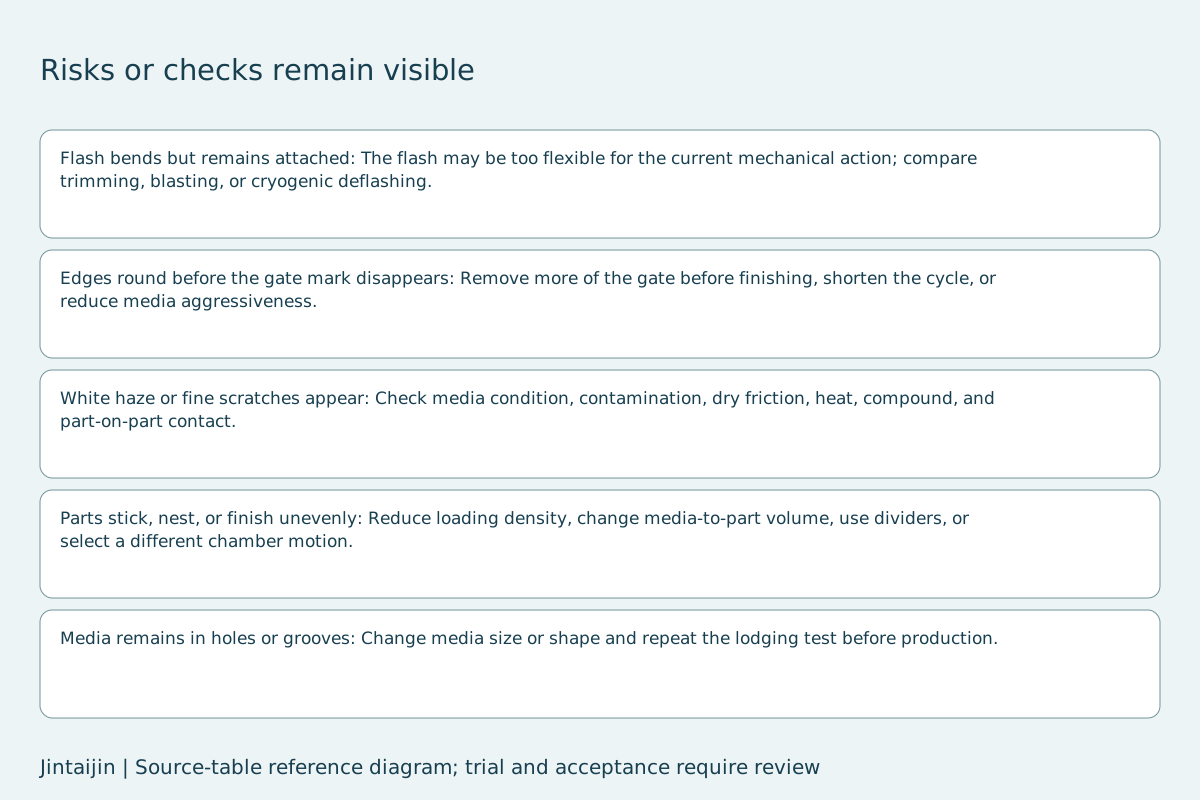
Likely Direction to Check: The flash may be too flexible for the current mechanical action; compare trimming, blasting, or cryogenic deflashing.
Likely Direction to Check: Remove more of the gate before finishing, shorten the cycle, or reduce media aggressiveness.
Likely Direction to Check: Check media condition, contamination, dry friction, heat, compound, and part-on-part contact.
Likely Direction to Check: Reduce loading density, change media-to-part volume, use dividers, or select a different chamber motion.
Likely Direction to Check: Change media size or shape and repeat the lodging test before production.
Read the Jintaijin technical article. Source table reviewed 3 October 2026. Possible causes, directions and adjustments remain conditional reference fields.
Email : info@surface-polish.com


 IPv6 network supported


 +86-592-2381506