


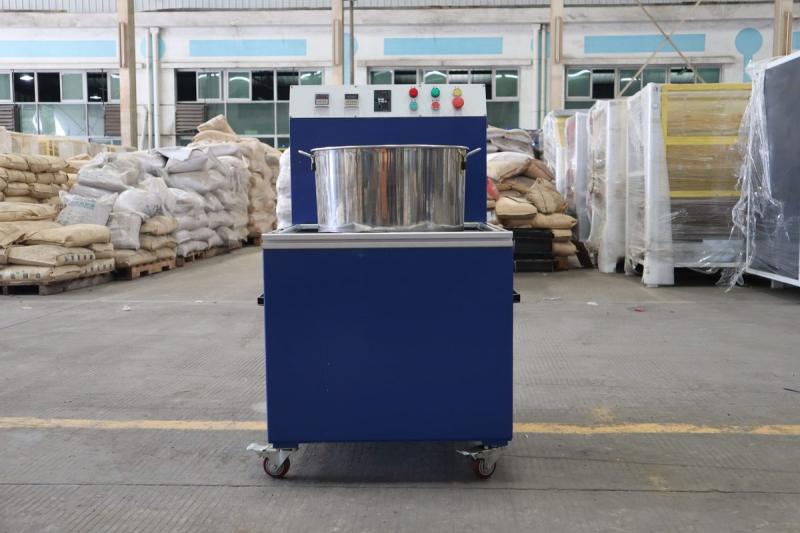
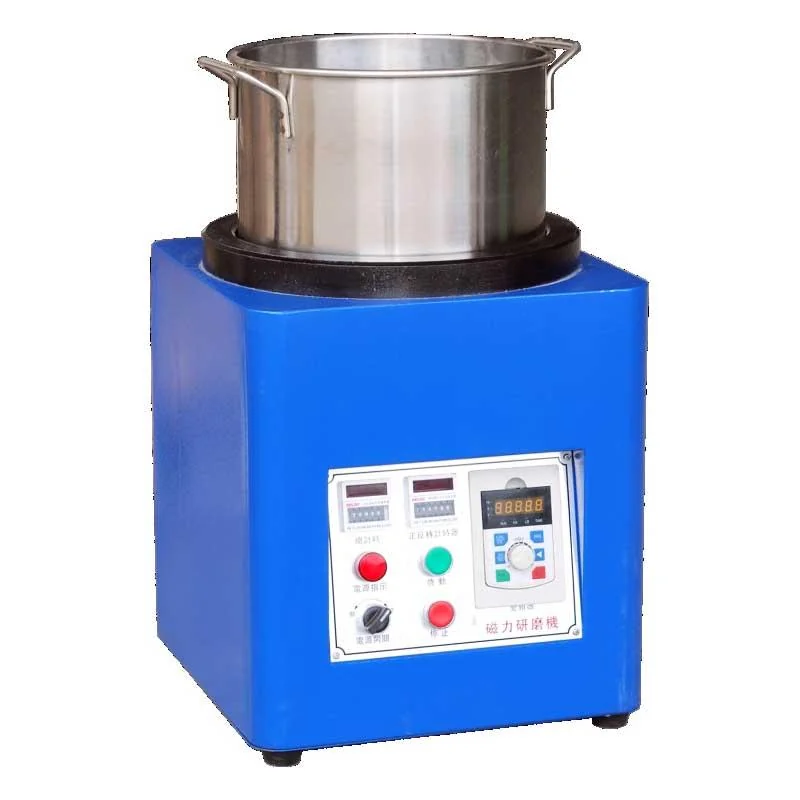
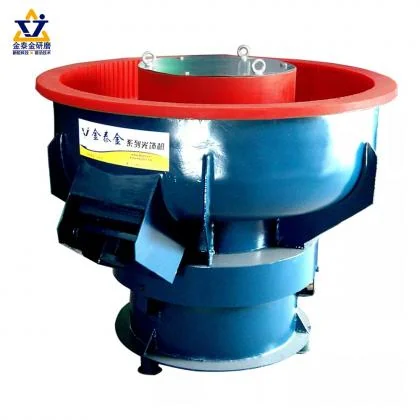
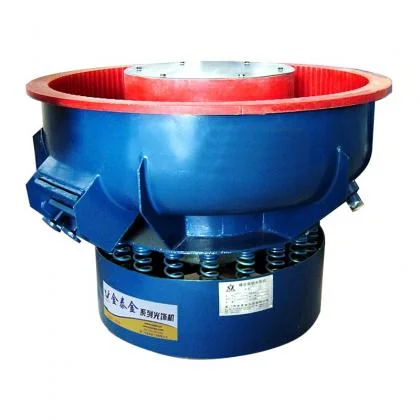
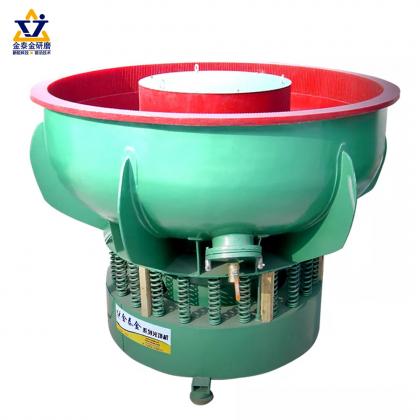

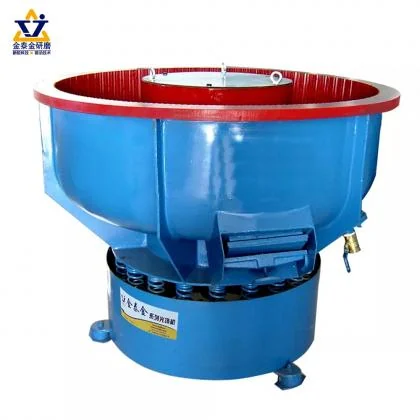
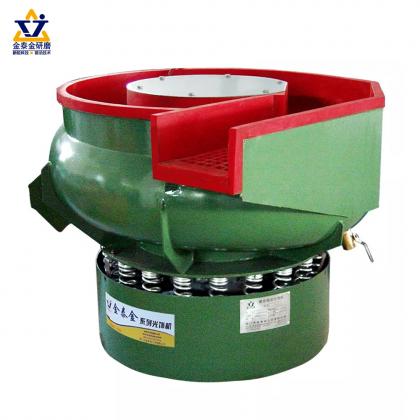
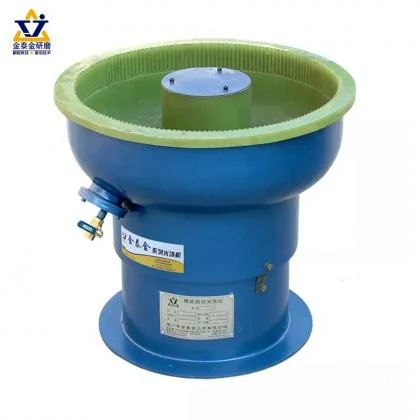
8–10 kg Magnetic Finishing System
Magnetic Polishing for Small Precision Metal Parts
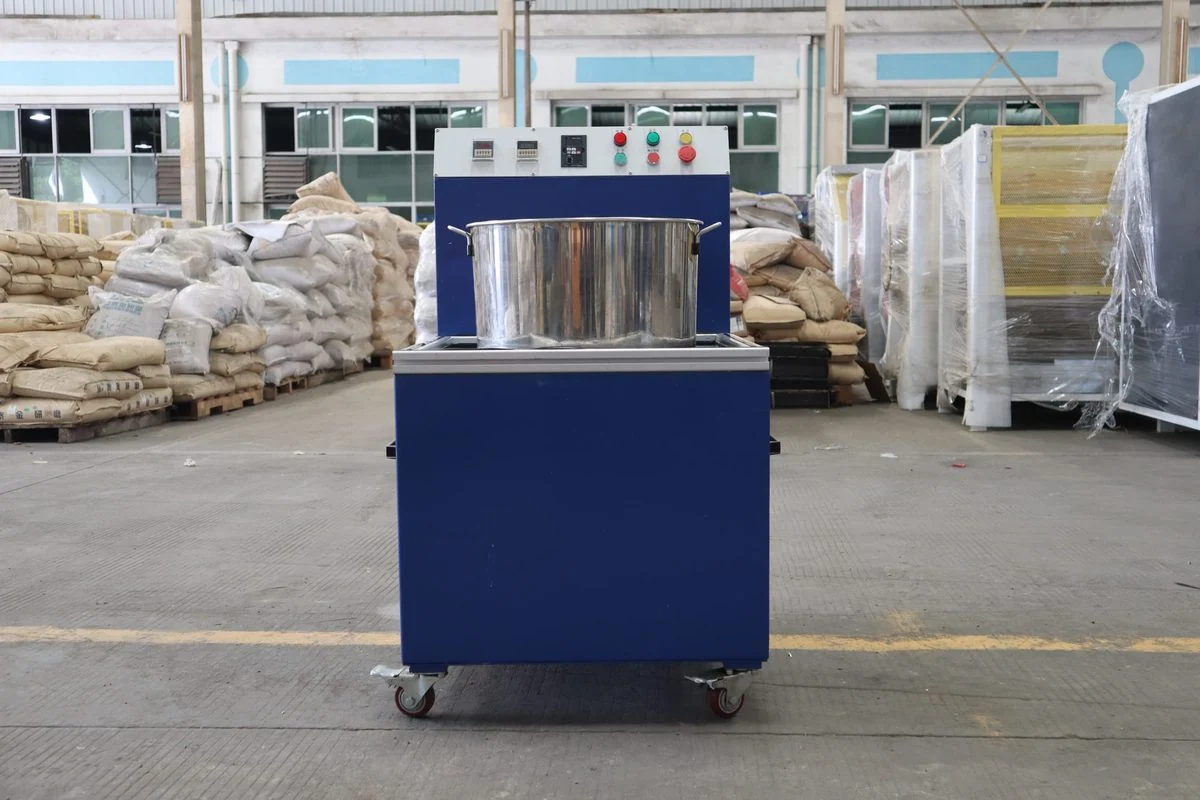
This machine class uses a rotating magnetic field to move stainless steel pins through a working container. It is intended for light burr removal, cleaning, and surface refinement on compatible small metal parts with details that conventional media may not reach easily.
Suitable parts and finishing goals
Magnetic pin finishing is most useful when small pins can circulate around the part and contact the areas that need treatment. Typical candidates include small machined fittings, jewelry hardware, watch and eyewear components, precision fasteners, small turned parts, instrument components, and other compact non-ferrous or stainless parts. Suitability depends on the actual alloy and geometry, not the industry label alone.
The process is normally evaluated for light burrs, fine edge refinement, removal of loose oxidation or machining residue, cleaning, and brightness improvement. It should not be presented as a universal method for heavy flash, deep tool marks, large castings, sheet-metal panels, plastic parts, or every mirror-finish requirement. Heavy burrs may require upstream cutting, grinding, or a more aggressive mass-finishing process.
| Part condition | Fit for magnetic finishing | What must be validated |
|---|---|---|
| Small stainless or non-ferrous parts with light burrs | Good trial candidate | Burr location, edge change, pin access, cleanliness |
| Parts with holes, slots, recesses, or threads | Potential advantage | Retained pins, thread fit, trapped liquid, feature damage |
| Fragile, thin, or easily tangled parts | Conditional | Part-to-part contact, deformation, tangling, batch concentration |
| Large parts or heavy casting flash | Usually poor fit | Alternative deburring and finishing process |
| Parts requiring certified surface or dimensional results | Trial plus documented inspection | Drawing requirements, gauges, cleanliness and downstream validation |
How the process works
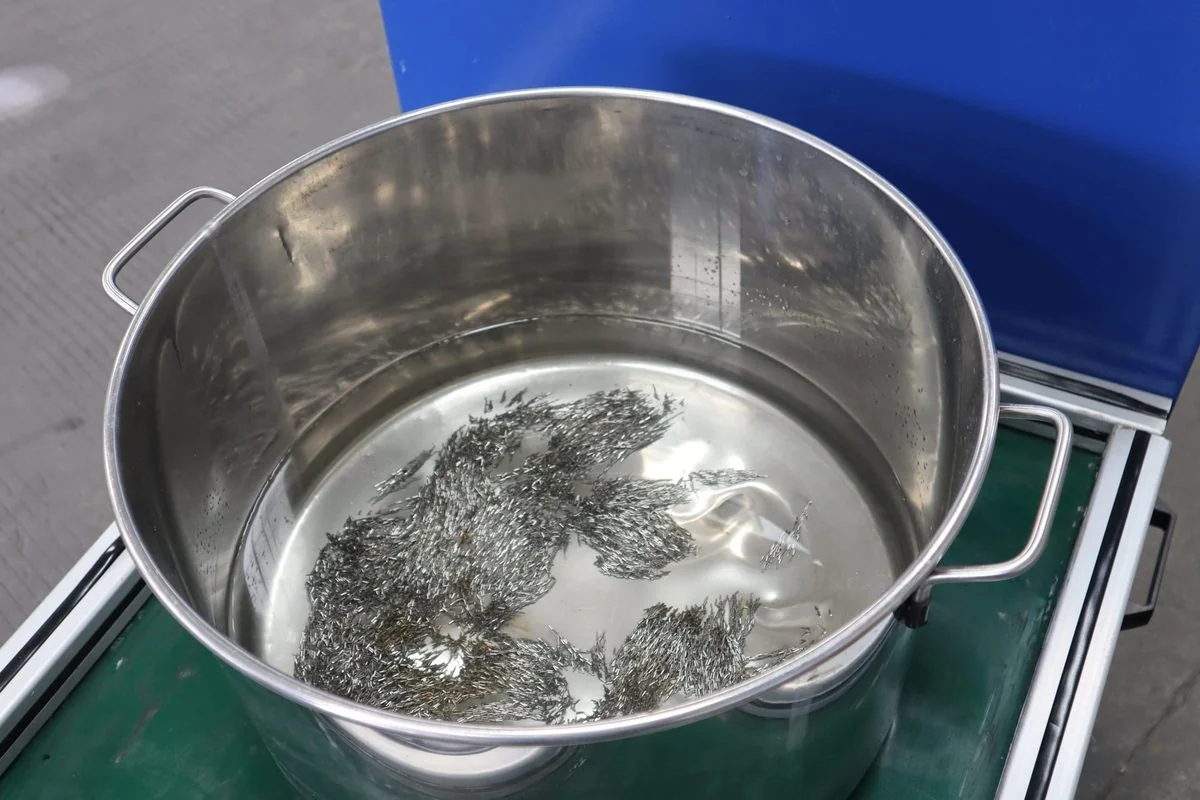
The machine creates a changing magnetic field beneath the working container. This field causes stainless steel pins to move rapidly through the liquid and around the parts. The pins contact exposed edges, holes, grooves, and detailed surfaces. Water and a compatible compound support cleaning, wetting, and the removal of process residue.
Finishing intensity is affected by the field setting, working time, pin size and quantity, liquid level, compound concentration, part load, geometry, and container. These variables interact. Increasing speed or time without checking the actual part can round edges, create contact marks, trap pins, or add heat without solving the original defect.
How to select the right capacity and configuration
Do not select a magnetic polishing machine only from the total mass of parts. Provide the largest part dimensions, number of parts per batch, bulk volume, material, burr position, smallest opening, surface target, and required throughput. The working container must allow the pins, liquid, and parts to move rather than forming a crowded stationary load.
Use the following questions during equipment selection:
- Can the largest part fit with enough clearance for circulation?
- Will parts contact, nest, hook, or shield one another at the proposed batch quantity?
- Can the selected pins enter the target feature without becoming trapped?
- How will pins and parts be separated and checked after the cycle?
- What electrical supply, drainage, ventilation, and floor space are available?
- Which parameters are adjustable, and how are approved recipes recorded?
- What sample test and acceptance checks are required before shipment?
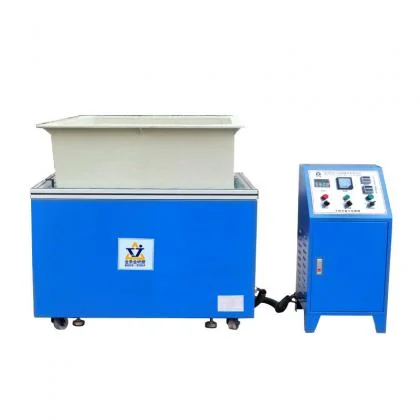
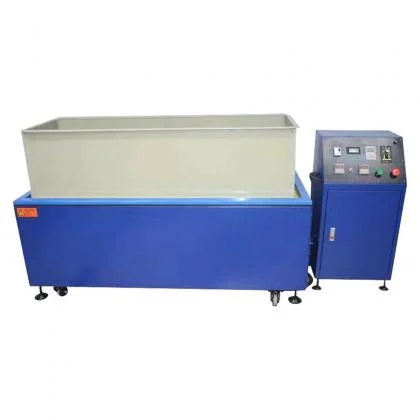
For lower or higher batch requirements, compare the complete magnetic finishing machine range. The correct model is the smallest configuration that can process the required production batch with stable movement and repeatable inspection results, while leaving practical capacity for loading and separation.
Pins, liquid, and compound selection
Magnetic pins are available in different diameters and lengths. Fine pins may reach narrow details but can be harder to separate and easier to retain in small holes. Larger pins may separate more easily but may not reach a narrow recess. Compare the pin with every critical opening and include a retained-pin inspection in the process approval.
The liquid system should keep the work area clean and support pin movement. Choose a compatible finishing compound for the alloy, contamination, and downstream requirements. Excess compound can create foam or residue; insufficient cleaning can recirculate debris. Use measured additions and document the approved concentration rather than relying on visual estimates.

Process development and acceptance
- Document the incoming part. Record material, geometry, burr or residue, critical dimensions, and photos.
- Define acceptance. Use an approved sample, drawing, edge requirement, gauge, cleanliness test, or assembly check.
- Run a conservative trial. Begin with a representative small batch and inspect at short intervals.
- Change one variable at a time. Record pins, load, liquid, compound, setting, time, temperature trend, and result.
- Inspect details separately. Check burr removal, threads, recesses, holes, edge change, dimensions, cleanliness, and retained pins.
- Repeat before scale-up. Confirm that the approved window works on more than one representative batch.
The magnetic finishing guide for small metal components provides more process context. For threaded parts, pointed parts, or rivets, also review the small fastener deburring guide.
Limitations buyers should understand
- Magnetic finishing is not intended to remove every heavy burr, gate, or casting flash.
- A brighter surface does not prove that dimensions, threads, cleanliness, or edge requirements are acceptable.
- Pins can lodge in holes, slots, or cavities and require a defined separation and inspection step.
- Parts can still collide, tangle, or shield one another when the load is too concentrated.
- Cycle time and output depend on the actual part and cannot be guaranteed from catalog capacity alone.
Frequently asked questions
Can this machine remove heavy machining burrs?
It is normally better suited to light burrs and surface refinement. Heavy, strongly attached burrs may need tooling correction or another deburring step before magnetic finishing.
Does 8–10 kg mean I can always load 10 kg of parts?
No. Usable load depends on part dimensions, bulk volume, geometry, movement, contact risk, container size, liquid, and pin quantity. A sample trial determines the practical batch.
Can magnetic pins reach holes and threads?
They can reach many detailed areas, but access and retention must be tested. Pin dimensions should be compared with the smallest opening, and finished parts must be checked for retained pins.
What information is needed for a application review?
Send material, part dimensions, geometry, batch quantity, burr or finish target, smallest holes and slots, current process, required throughput, electrical supply, and clear photos or drawings.
Confirm the machine with your actual parts
Send representative samples and your acceptance requirements. We will use them to check machine capacity, pin access, contact risk, separation, and a practical process-development plan.
Request a Sample Evaluation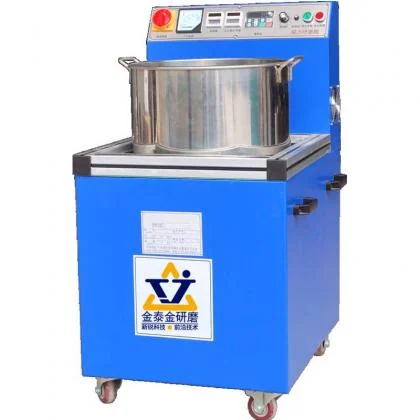
 +86-592-2381506


 IPv6 network supported