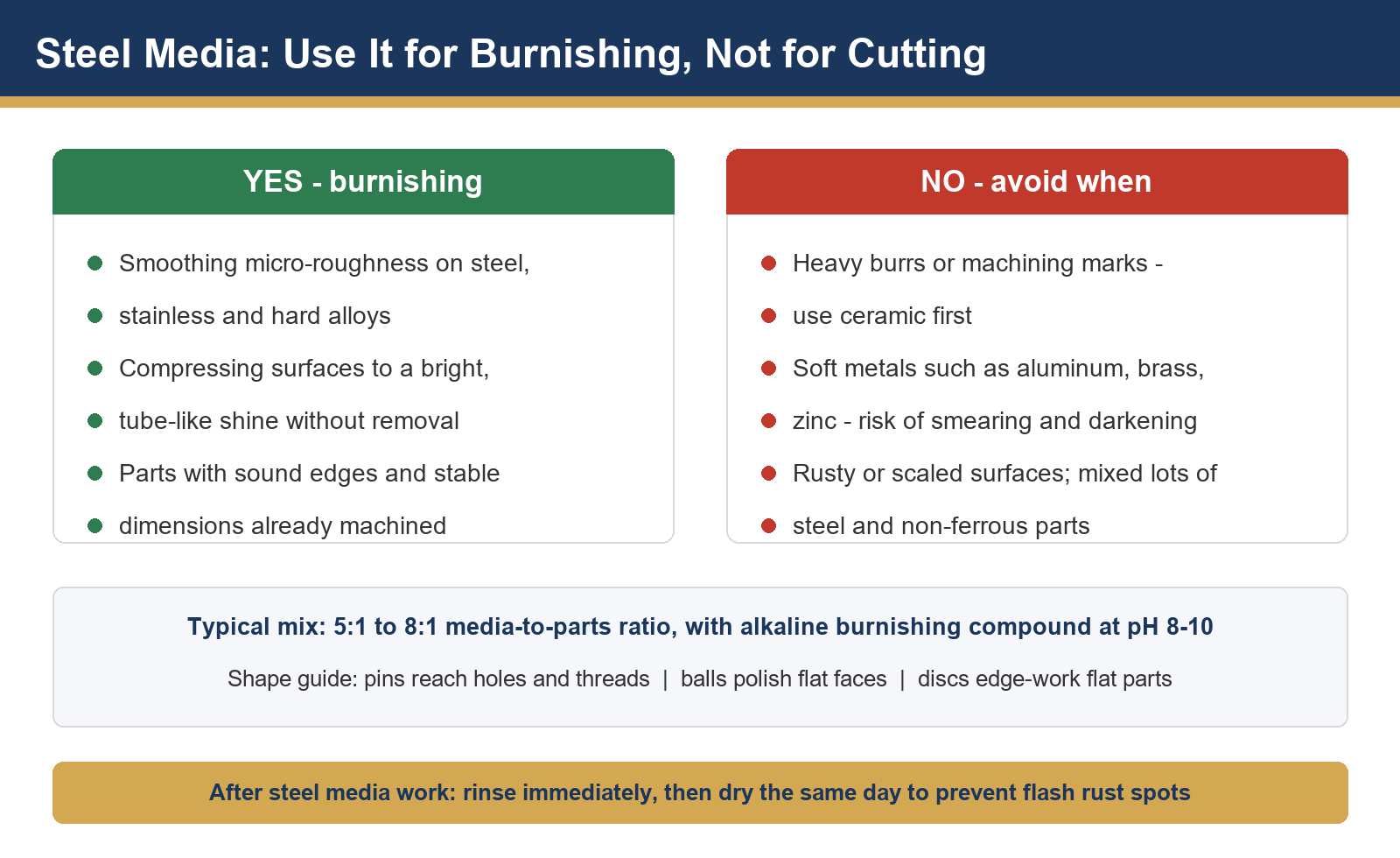
Steel Media Burnishing Guide: How It Creates Mirror Shine and When Not to Use It Steel finishing media • Pins, balls & discs • Burnishing process, compound pairing and limits Steel media is unique in mass finishing: it is the only media that polishes almost entirely without cutting. Hardened stainless pins, balls, and discs rub against parts under compound pressure, compressing micro-peaks int...
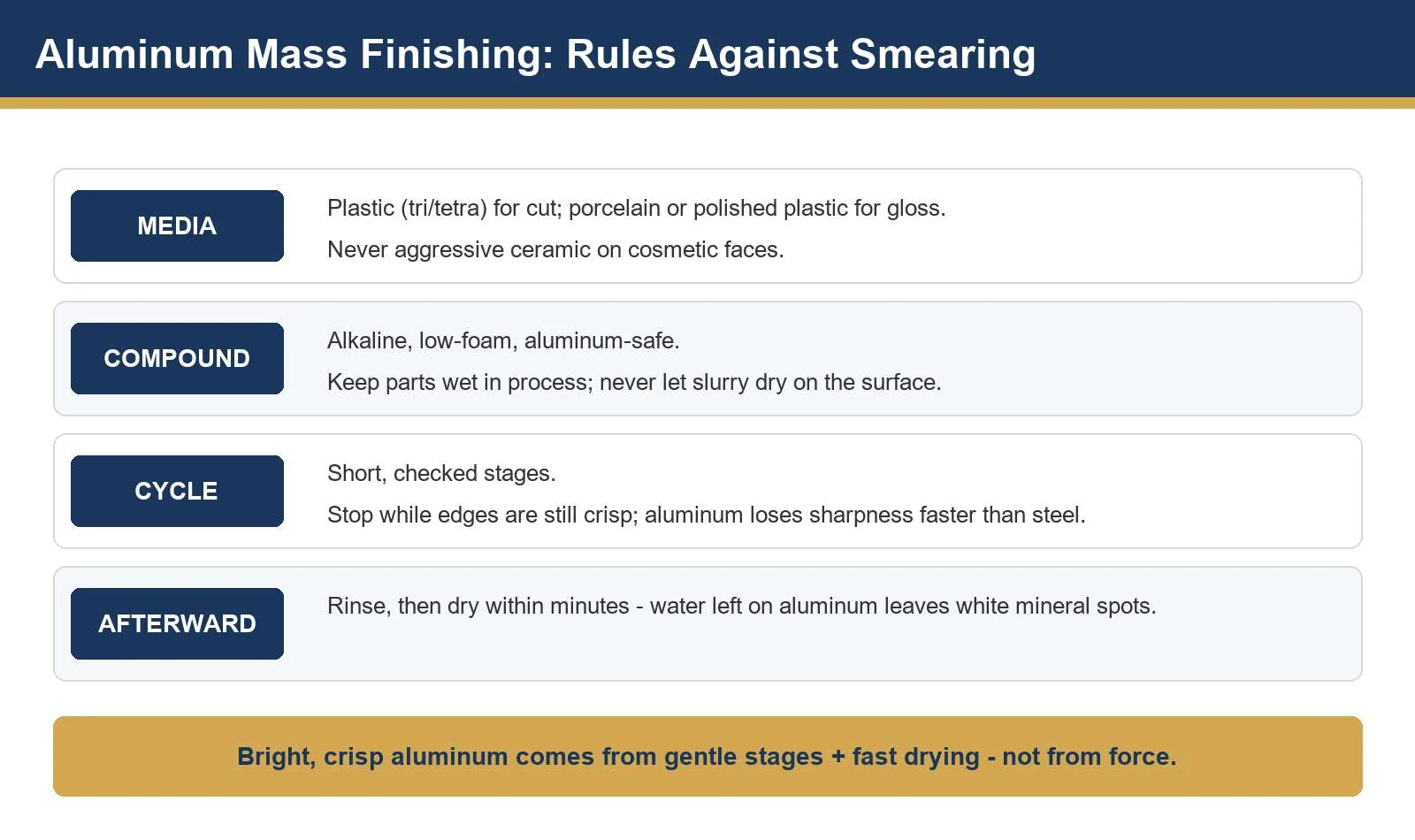
Mass Finishing Aluminum Parts: Deburr, Smooth and Brighten Without Smearing Aluminum surface finishing • Media, compound and cycle selection • From CNC parts to cosmetic components Aluminum is one of the most rewarding — and least forgiving — metals to mass finish. It deburrs fast, smooths beautifully, and polishes to an attractive satin-bright look. But it also smears under aggressive media, stai...
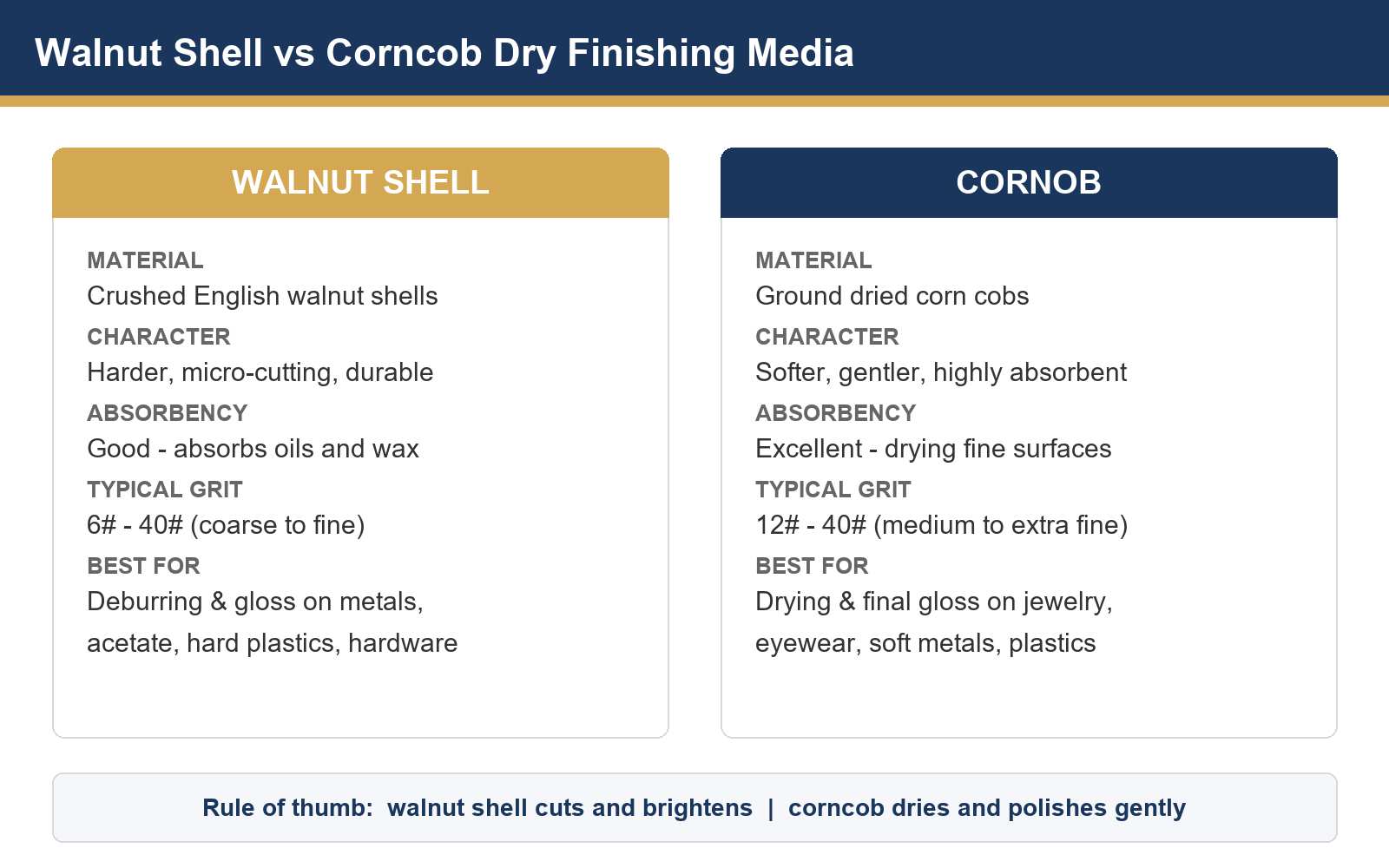
Walnut Shell vs Corncob: How to Choose Dry Tumbling Media for Eyewear, Jewelry & Hardware Dry finishing media selection guide • Walnut shell & corncob • For dry tumbling, vibratory and centrifugal lines Dry organic media — crushed walnut shell and ground corncob — is the workhorse of dry tumbling and dry vibratory finishing. The two materials look similar in the bag, but they behave very d...
Double-Deck Bamboo Tumbling Machine: Standard Operating Procedure, Control Guide & Finishing Recipes Model Series: SP-TB4 / SP-TB8 • Precision Dry Tumbling System • Official operation manual The SP-TB Series double-deck bamboo tumbling machine is a precision dry tumbling system designed for high-gloss finishing of premium eyewear frames (acetate, propionate), fine hardware, jewelry, and luxury...
How to Choose Media Size for Small Holes, Slots and Internal Cavities How to Choose Media Size for Small Holes, Slots and Internal Cavities Short answer: choose the smallest media that reaches the required feature and can still be separated reliably. A smaller chip may improve access, but it can also lodge in a hole, pass through a slot, slow separation or change the contact intensity. The correct...
Ceramic vs Plastic Tumbling Media for Aluminum, Brass and Steel Parts Cover design direction: show the decision, not a generic machine hero. Add English labels “CERAMIC MEDIA” and “PLASTIC MEDIA” only if the cover is redesigned. How to Choose Ceramic vs Plastic Media for Aluminum, Brass and Steel Parts Short answer: choose ceramic media when controlled cutting, burr removal or edge radiusing is th...
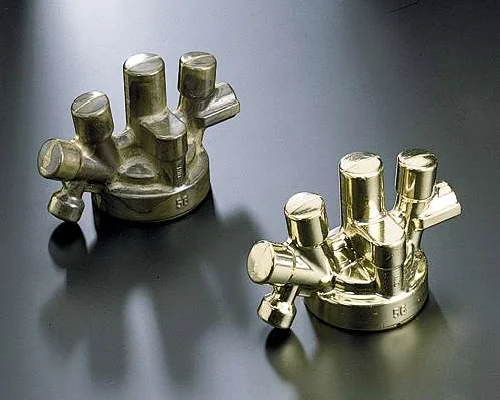
Brass Component Finishing Guide How to Finish Brass Valves and Fittings Without Damaging Threads or Sealing Surfaces Brass valve bodies, pipe fittings, sleeves, and connectors can be deburred and surface-finished in batches, but their threads, bores, sealing faces, flats, and thin edges require separate protection and inspection. The best process removes the actual defect without changing how the ...
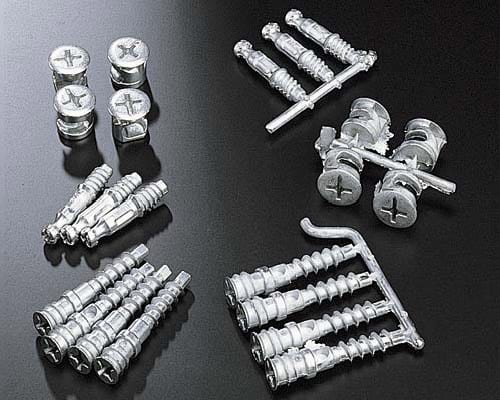
Small Parts Finishing Guide How to Deburr Small Fasteners Without Damaging Threads, Points, or Recesses Screws, bolts, nails, pins, and rivets can be processed in bulk, but their functional features make them less forgiving than simple metal blanks. The right mass finishing process must remove loose burrs while protecting threads, points, drive recesses, hollow sections, and dimensional fit. Small...
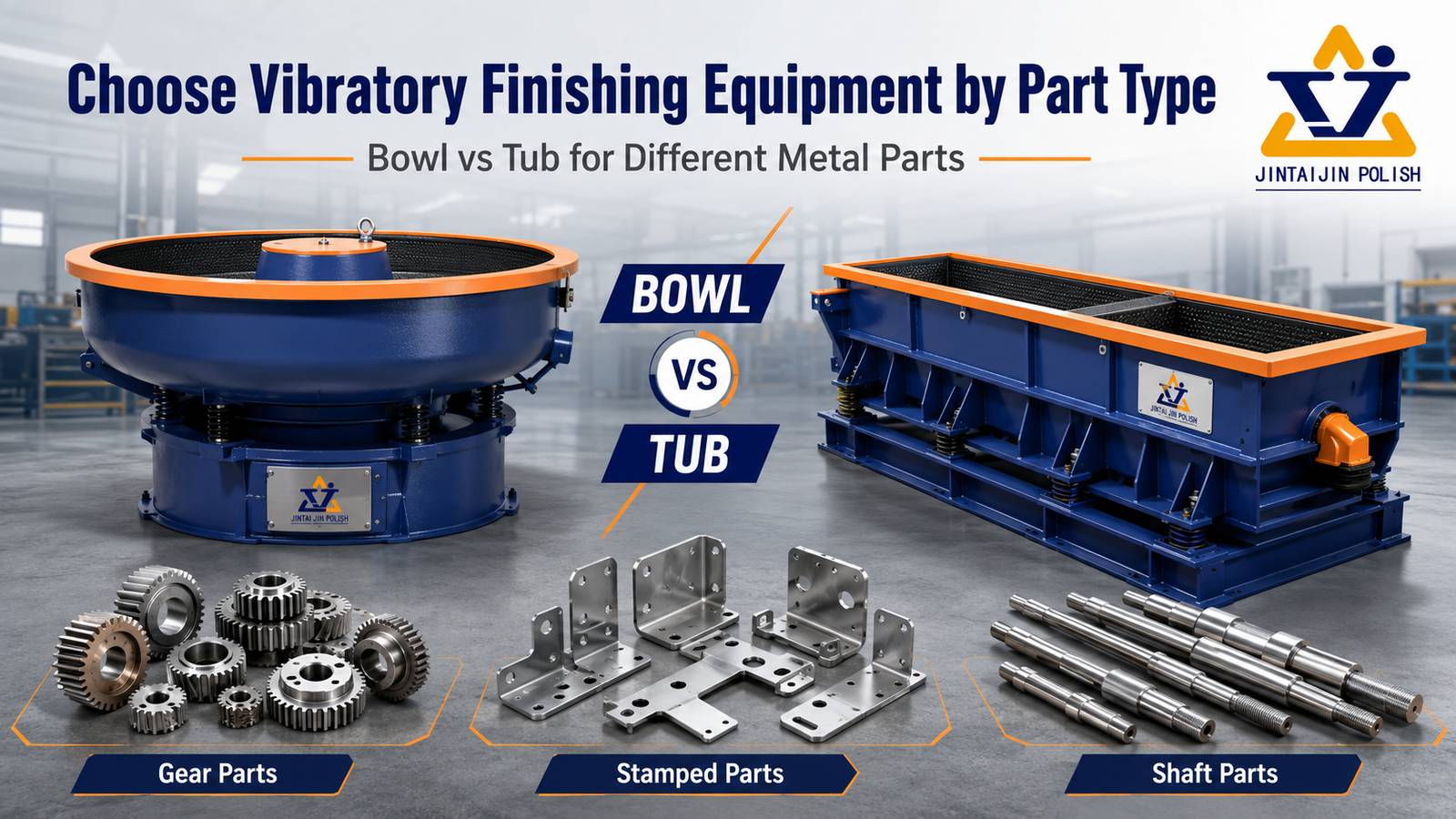
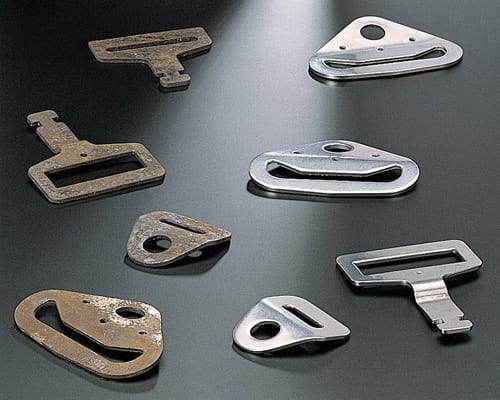
Stamped Parts Finishing Guide How to Deburr Stamped Metal Parts Without Tangling, Distortion, or Part-on-Part Damage Stamped washers, clips, brackets, and thin sheet-metal parts can be efficient mass-finishing candidates, but their geometry creates risks that solid machined parts do not have. This guide explains how to evaluate the burr, select a machine and media, control part interaction, and bu...
We use essential storage to keep this site working. With your permission, Google Analytics 4 helps us understand visits and improve the site. Advertising storage, ad user data, and ad personalization always stay off.



 IPv6 network supported


 +86-592-2381506