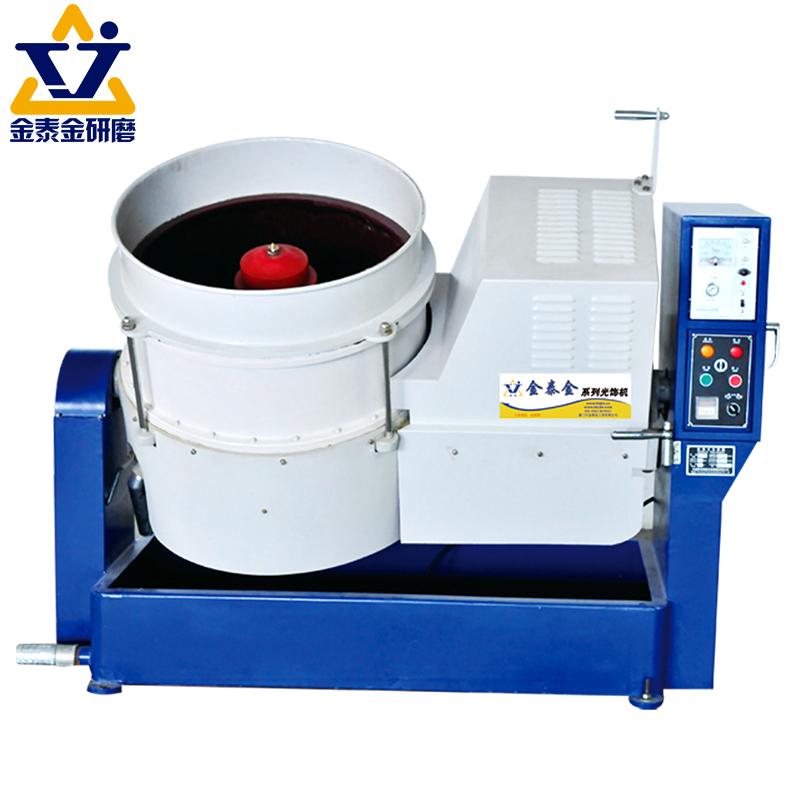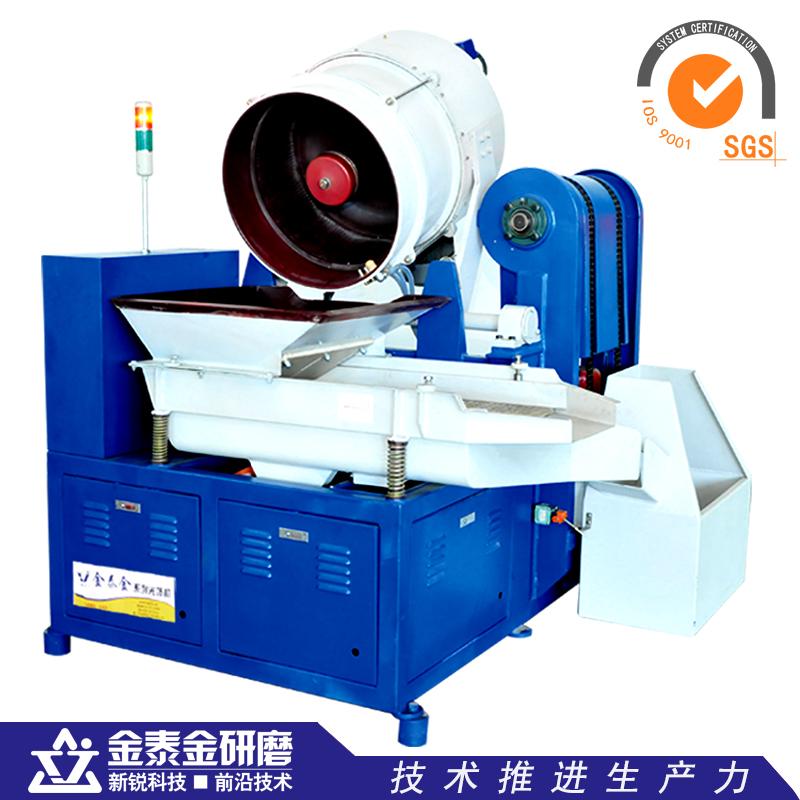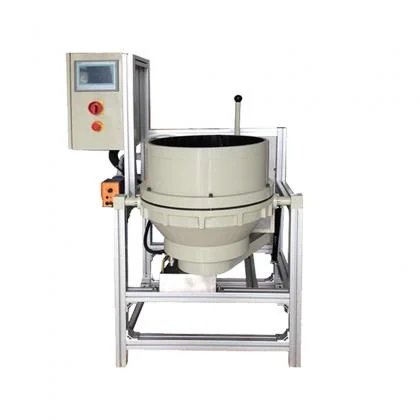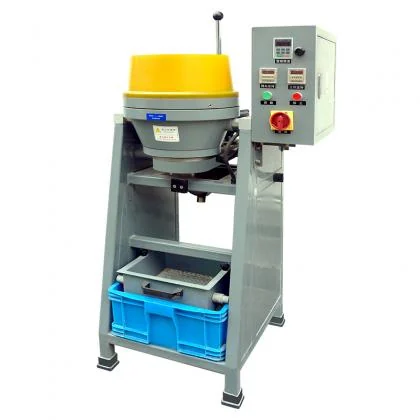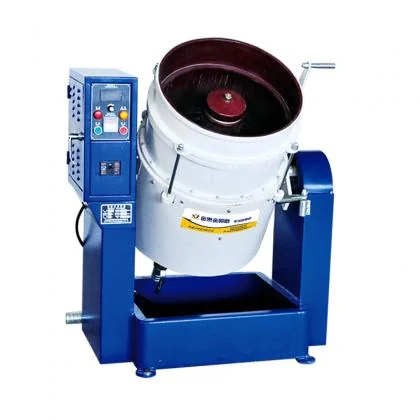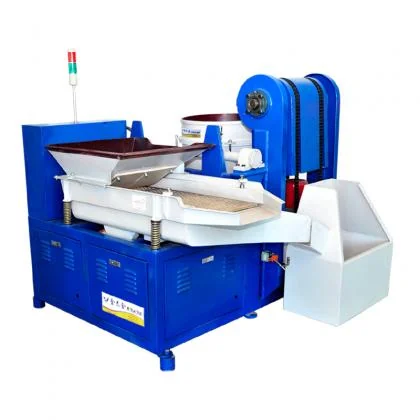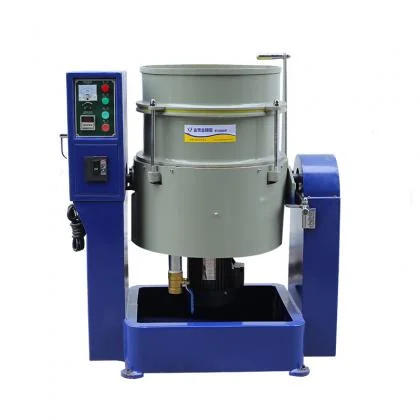
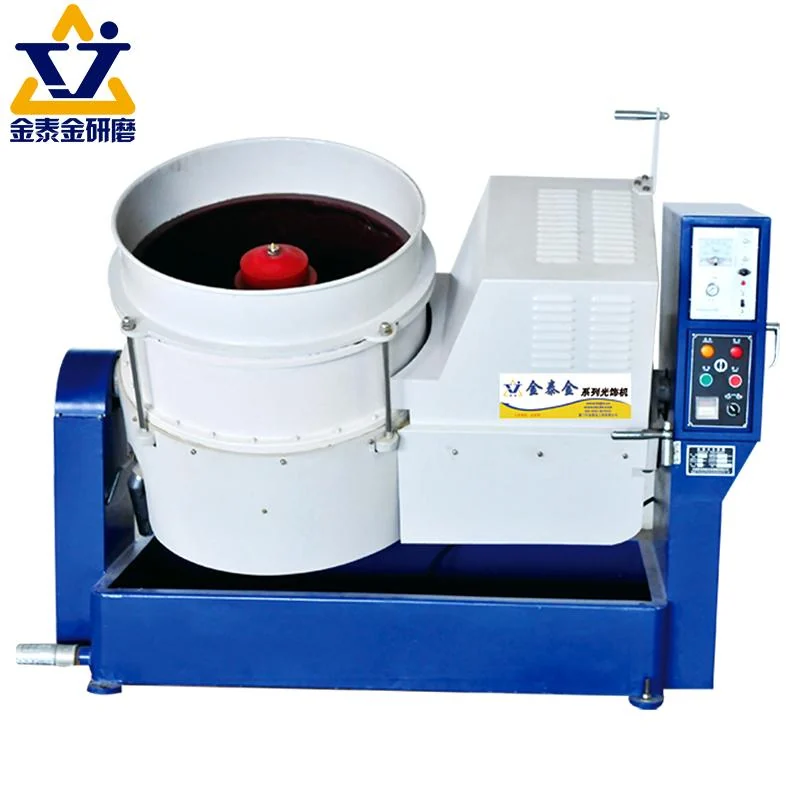
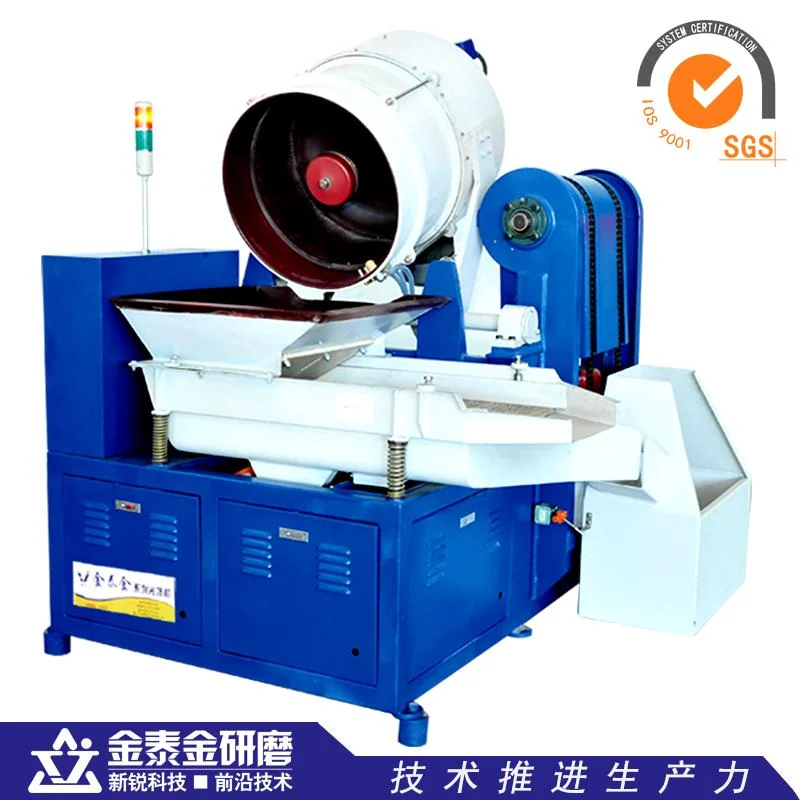
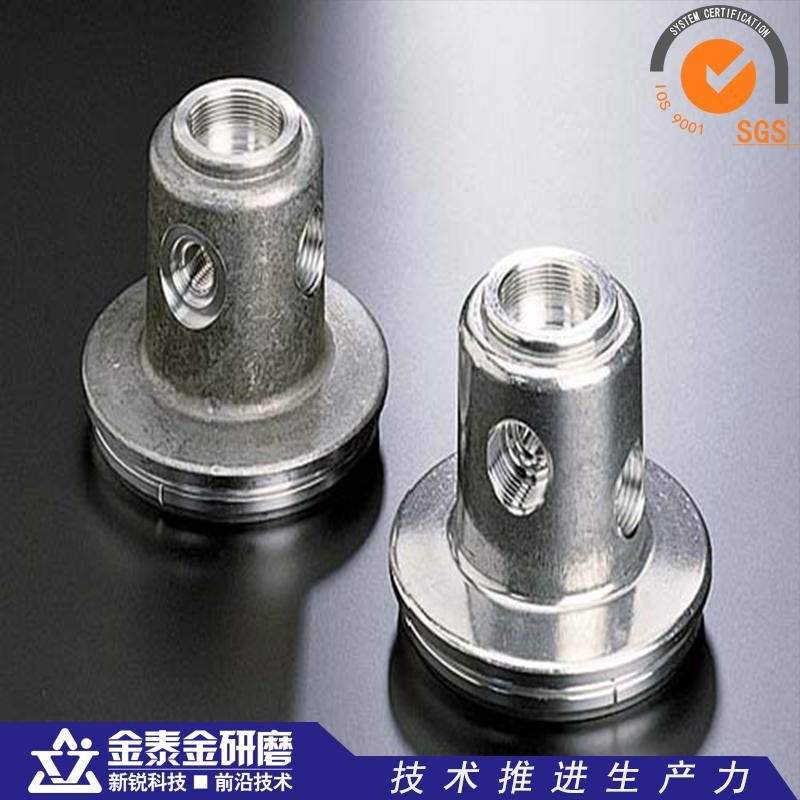
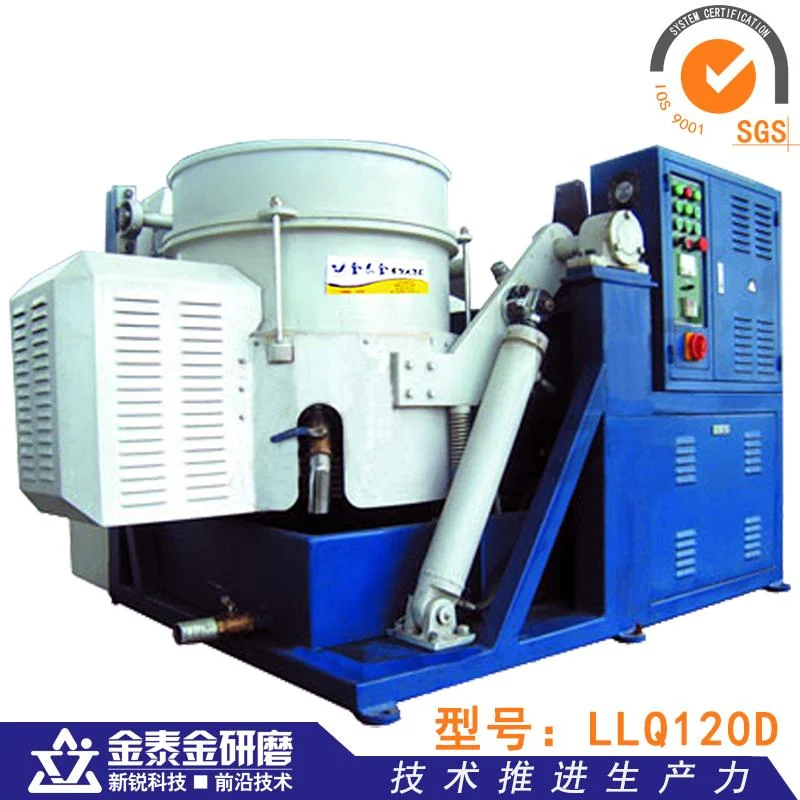
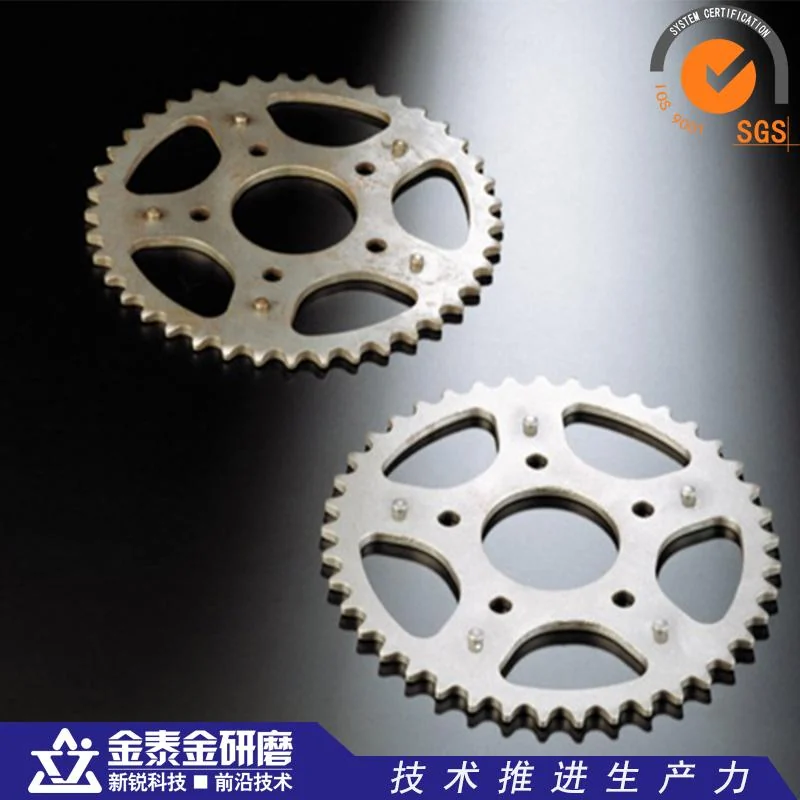
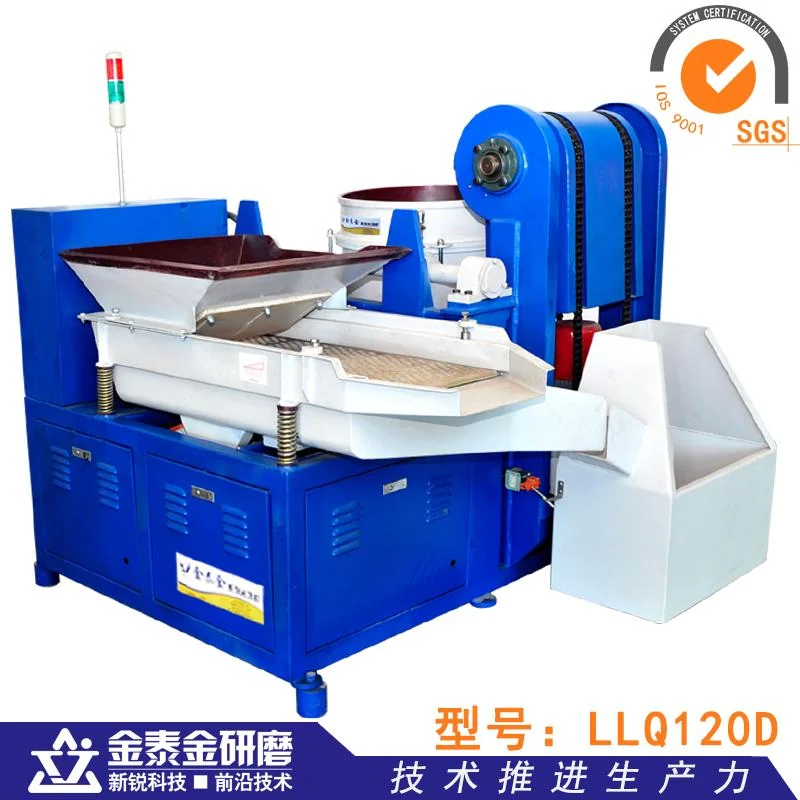
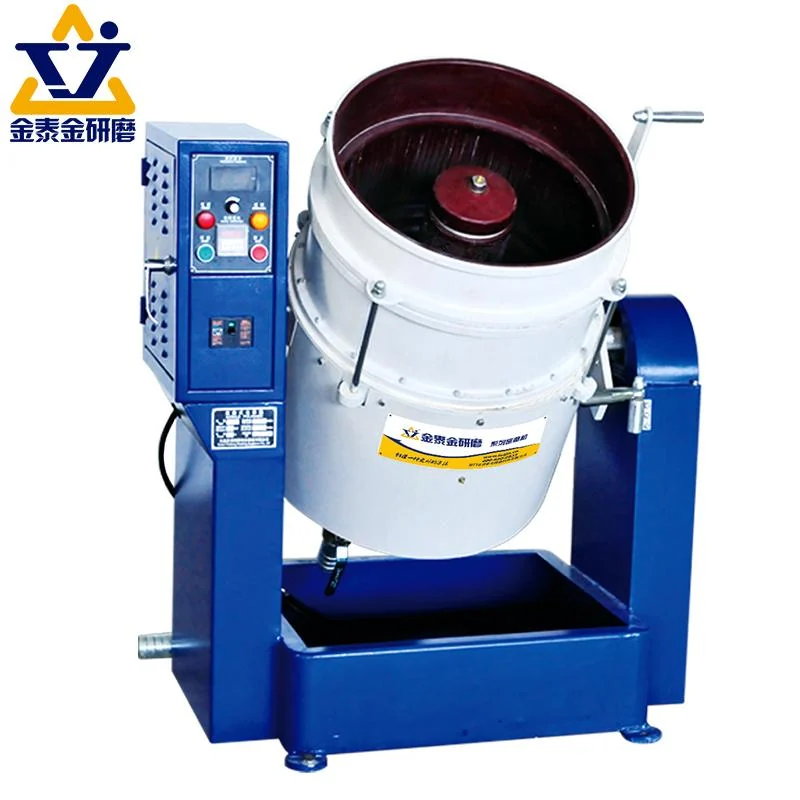
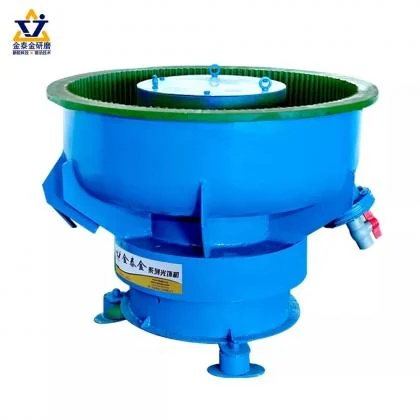
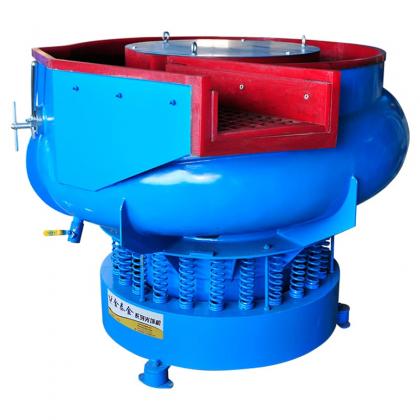
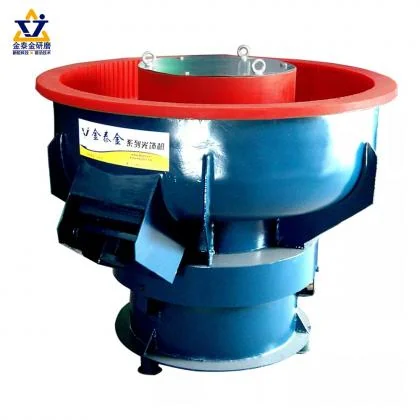
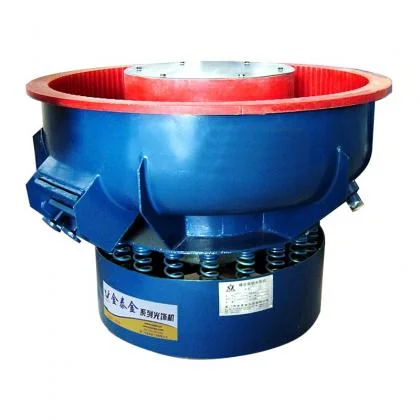
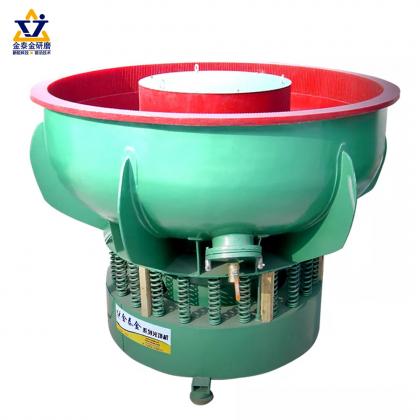
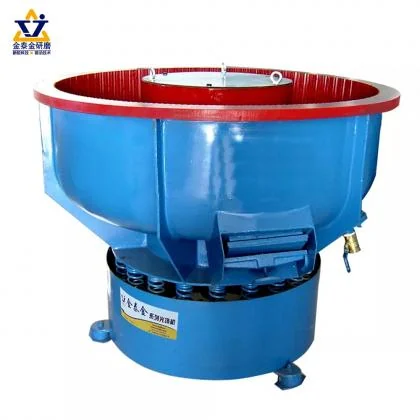
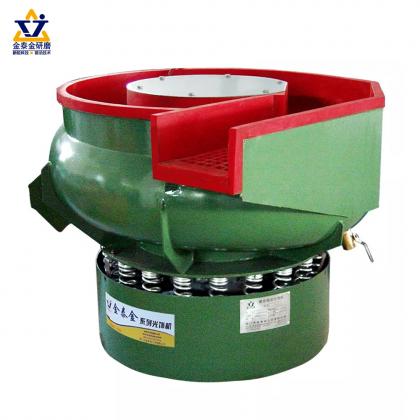
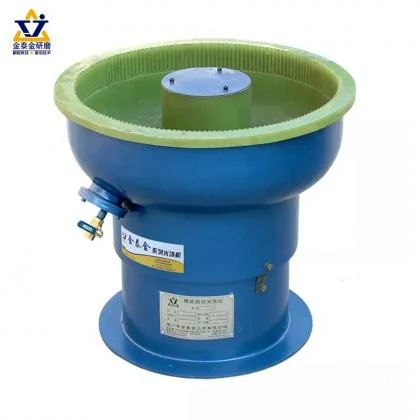
The OBD-LLF120 is recorded as an automatic centrifugal disc finishing machine with a tilting discharge arrangement. The source gallery shows a disc-style machine with an angled discharge structure. The exact machine configuration, media route and inspection method should be confirmed against the workpiece before a final process is selected.


A centrifugal disc route for precision parts
Centrifugal disc finishing uses movement between a rotating disc, the outer working area, the media and the workpieces. The source record describes the machine for deburring, chamfering, grinding and polishing of metal and plastic parts. The appropriate process depends on material, geometry, incoming condition, protected features and the result that must be inspected.
Explain whether the priority is burr removal, edge smoothing, cleaning, surface refinement or a specified visual condition. Include holes, slots, threads, sealing faces, fits and cosmetic areas that cannot change.
- Material and part geometry
- Incoming surface condition
- Target finish and inspection method
- Critical dimensions and protected features
OBD-LLF120 source configuration
The archived LLF120 row records the following standard fields. Confirm the values, units and final configuration for the requested build and workpiece before using them as a production setting.
- Model: LLF120
- Nominal bowl capacity: 120 L
- Part load shown in the table: 60 kg
- Overall dimensions: 1620 x 820 x 1360 mm
- Motor power: 4.0 kW
- Net weight: 600 kg
- Speed range: 50 to 160 r/min
- Bowl diameter: 640 mm
- Liner thickness: 30 mm
Tilting discharge and separation
The source description presents a tilting discharge arrangement intended to help release workpieces and media after processing. Confirm the discharge movement, screening method, media retention and operator controls for the selected configuration. Small or complex parts need particular attention to nesting, trapped media and cleaning.
A process review should record the machine setup, media, loading, movement observations and inspection result. Keep sensitive edges, fits, holes and cosmetic surfaces in the inspection plan.
- Discharge and separation route
- Screening and media retention
- Loading and unloading access
- Post-process cleaning
Wet or dry process questions
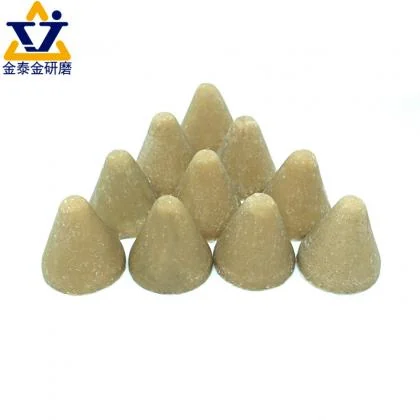
The source record describes wet and dry finishing directions. Treat the choice as an application question. Confirm compatibility between the workpiece, media, compound, liquid handling, cleaning route and acceptance standard. A representative trial is the practical way to check access, contact, residue and surface change.
Share the part drawing or an acceptance photograph when available. Note any downstream coating, assembly or cleanliness requirement so the trial reflects the complete manufacturing route.
- Wet or dry process needs
- Media and compound selection
- Residue and separation limits
- Downstream coating or assembly
Representative sample testing
For a suitable solution inquiry, free sample testing is available. The customer pays the cost of sending representative parts to SurfacePolish, and SurfacePolish pays the return shipment. The customer should provide acceptance criteria and inspect the returned parts against the drawing or visual standard.
A sample result is evidence for the reviewed part and route. It should not be transferred to different materials, geometries, loads or machine configurations without another evaluation.
- Send representative parts
- Define acceptance before testing
- Inspect critical features
- Keep the result tied to the reviewed route
Configuration discussion
The LLF120 row belongs to a wider centrifugal disc equipment family. The fields on this page describe the LLF120 row only. Capacity, speed, dimensions, liner and handling details should be reconfirmed for the requested machine and workpiece before an order or production plan is prepared.
- Confirm model and configuration
- Match the load to the workpiece
- Check access and separation
- Record the agreed inspection method
What to inspect after a trial
Inspect the same critical features that were identified before processing. Check edge rounding, burr removal, surface uniformity, media retention, residue and any change to dimensions or fits. Use a consistent visual reference for cosmetic areas and the drawing or measurement method for functional features.
Record the selected disc configuration, media, loading, process direction, inspection interval and cleaning step with the sample result. This provides a traceable basis for deciding whether the route should be adjusted or tested on another part family.
- Edges, holes and fits
- Cosmetic surface and finish reference
- Media separation and cleanliness
- Dimensions and downstream requirements
Questions for the configuration review
Confirm how the workpieces enter the bowl, how the media and liquid are separated, and how finished parts are discharged without trapping media or damaging sensitive areas. Include operator access, cleaning, floor space and downstream handling in the process discussion.
If the same machine will process several part families, identify the features that require a different load, media or inspection method. This allows the team to decide whether one configuration can cover the range or whether separate sample trials are more appropriate.
- Loading and discharge
- Media and liquid separation
- Operator access and cleaning
- Part-family variation
Discuss your workpiece
Send the material, dimensions, weight, incoming surface problem, target finish, protected features, photos and expected quantity. SurfacePolish can then identify the next process question and the configuration details that need confirmation.
Discuss your workpiece
Send your workpiece material, photos, dimensions, target finish and protected features so the next process question can be answered.