


Polishing Acrylic Parts: Symptom, Cause, Check and Adjustment
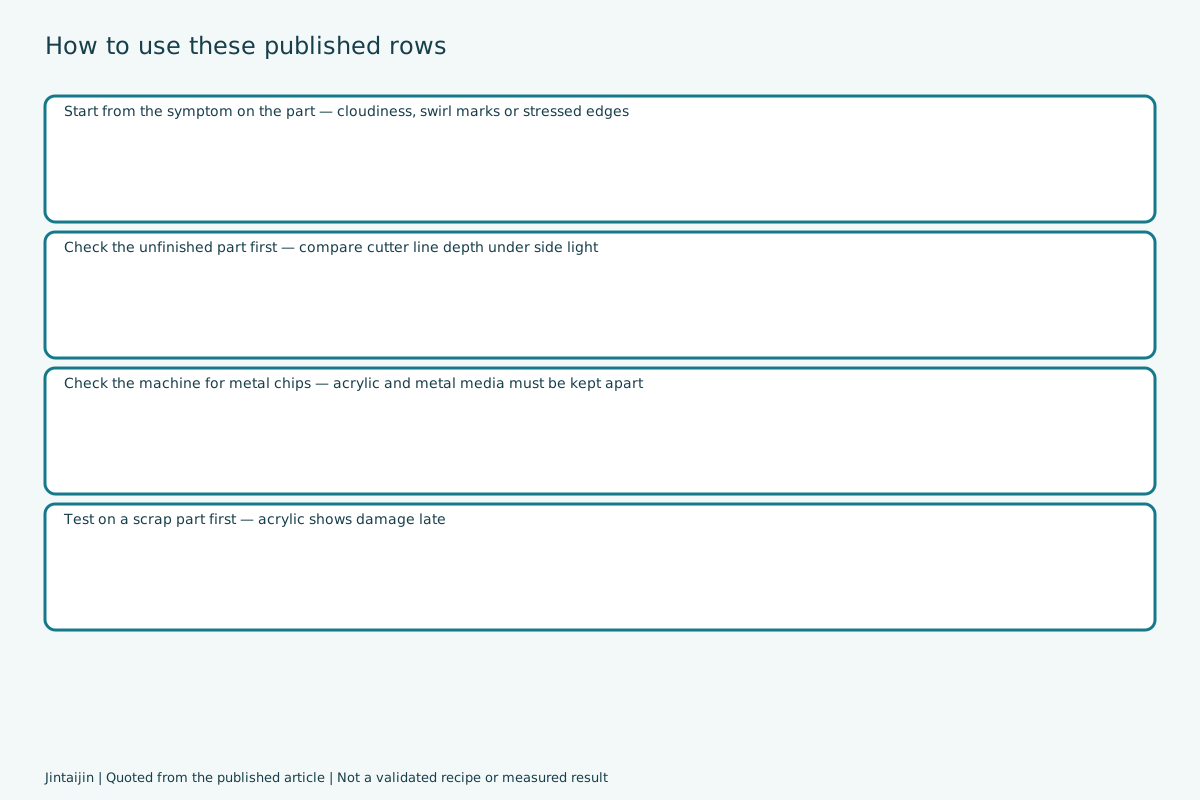
This page reproduces the published troubleshooting table for acrylic parts: the symptoms with their likely causes, what to check first and the adjustment to test. Acrylic is one specific plastic and is not interchangeable with polycarbonate, ABS or metal; several of these rows are about heat and friction, which behave differently in other materials. No media, compound, amplitude, speed, cycle length or finish value is stated, implied or supplied.
Browse the published rows
Choose a section or search the published rows, then read the article text.
Symptom, likely cause, what to check and recommended adjustment
| symptom | likely cause | what to check | recommended adjustment |
|---|---|---|---|
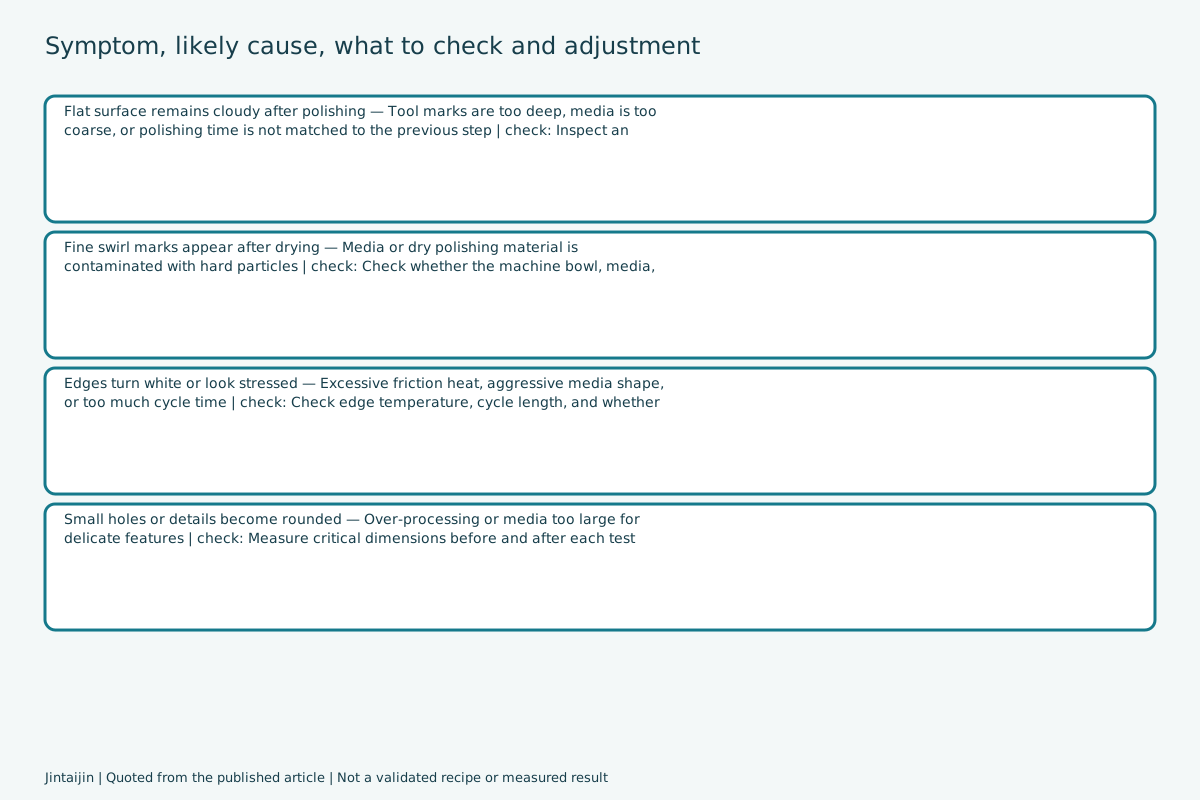
| Flat surface remains cloudy after polishing | Tool marks are too deep, media is too coarse, or polishing time is not matched to the previous step | Inspect an unfinished part under side light and compare cutter line depth before and after finishing | Add a controlled pre-smoothing stage, then use finer media for the final gloss stage |
| Fine swirl marks appear after drying | Media or dry polishing material is contaminated with hard particles | Check whether the machine bowl, media, separator, and storage bin contain metal chips or coarse abrasive dust | Clean the machine, separate acrylic media from metal media, and refresh compound or dry finishing material |
| Edges turn white or look stressed | Excessive friction heat, aggressive media shape, or too much cycle time | Check edge temperature, cycle length, and whether sharp media corners are striking the same area repeatedly | Shorten the cycle, reduce amplitude or speed, and test softer plastic or dry finishing media |
| Small holes or details become rounded | Over-processing or media too large for delicate features | Measure critical dimensions before and after each test cycle | Use shorter test increments and choose media that contacts the surface without wedging into details |
Why this page is acrylic-specific
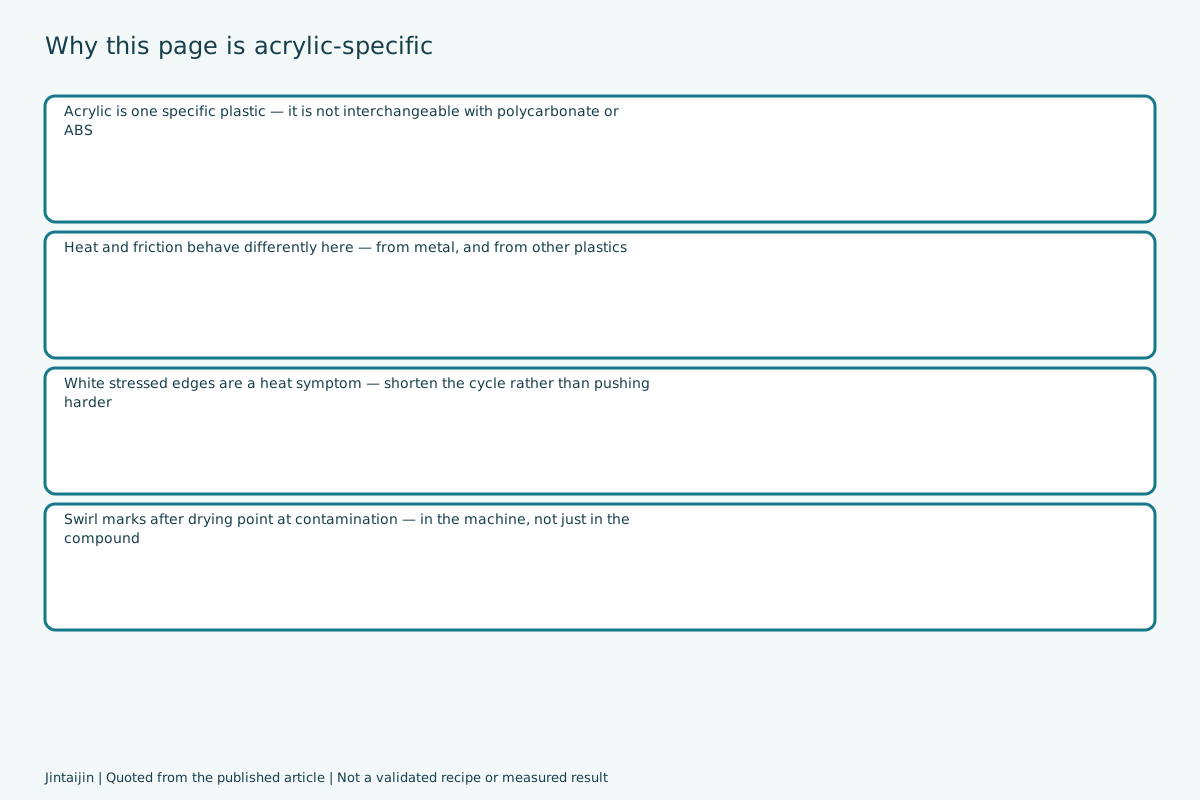
This table is written for acrylic. Acrylic is a specific plastic: it is not interchangeable with polycarbonate, ABS, acetate frames or metal. Several rows here are about heat and friction, which behave differently from metal.
Source and its limits
Published reference article; captured 5 October 2026. SHA256: 72c003265c5a1cfeb9b535e9b91948a63bdcbb20143571e191c7152c9c628845.
- Symptoms, checks and adjustments are the published article own, reproduced verbatim. They are directions to test on a sample, not a validated recipe.
- No media, compound, amplitude, speed, cycle length or finish value is stated, implied or supplied.
- Acrylic guidance does not transfer to another plastic. Confirm for your own material.
Table headers as published
- Symptom / Likely Cause / What to Check / Recommended Adjustment
Frequently asked questions
Does this apply to polycarbonate or ABS?
No. This table is written for acrylic. It is not interchangeable with polycarbonate, ABS or metal, and rows about heat and friction behave differently in those materials.
Can I use a longer cycle to fix cloudy acrylic?
No. Longer is not safer: the published rows link white stressed edges to friction heat and cycle length. Shorten the cycle instead.
Does it diagnose my part?
No. A row lists a likely cause and a first check. The same visible mark can have more than one cause, and confirming it needs a controlled test on a sample.
Does it state cycle time, speed or temperature?
No. No cycle time, speed, amplitude, load ratio, concentration, temperature or removal result is stated or implied anywhere on this page or in its download.
Are the tables quoted exactly?
Yes. Every cell is taken from a single source table cell and verified against the captured page, including wording and punctuation.
 +86-592-2381506

 IPv6 network supported