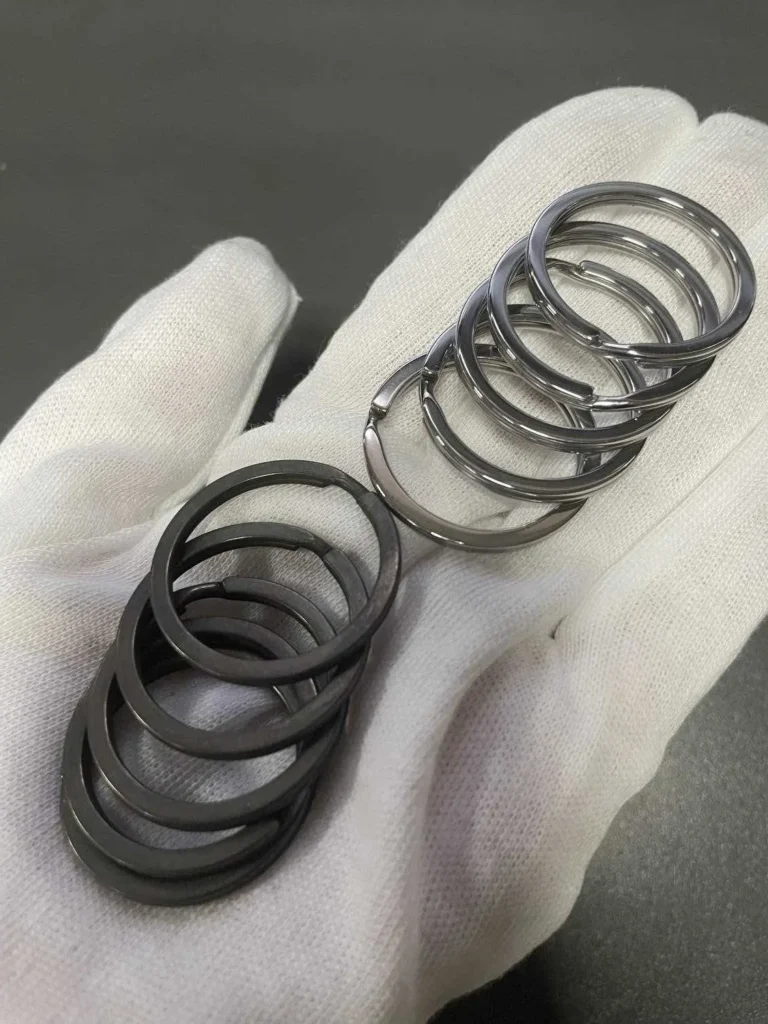
At JintaiJin, we are dedicated to sharing valuable insights that highlight our expertise in surface finishing. Today, I, Max, a technical engineer at JintaiJin, am excited to present a case study showcasing how we polished key rings to a perfect finish using our automated tumbling equipment. This project not only highlights the capabilities of our machinery but also reflects our commitment to solving customer challenges with efficient and eco-friendly solutions.
Our client required a batch of key rings polished to a mirror-like finish. The challenge was to maintain consistency across hundreds of pieces while optimizing production time and resources. This is where our automated tumbling equipment played a crucial role.
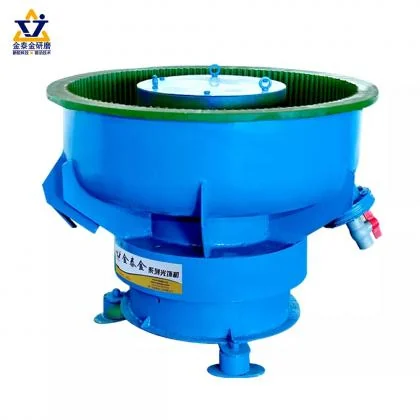
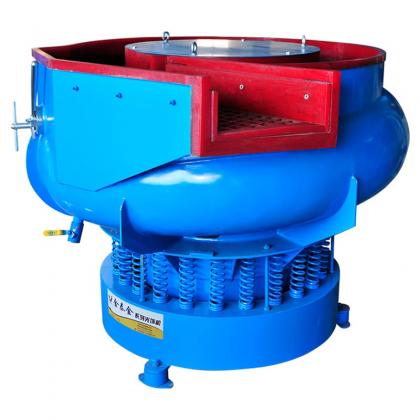
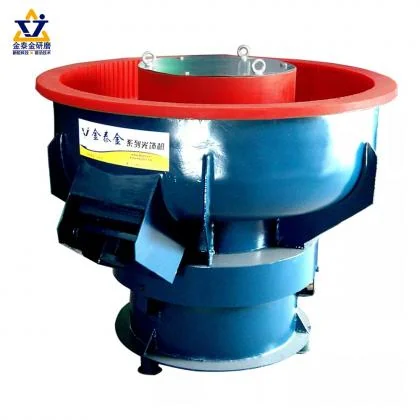
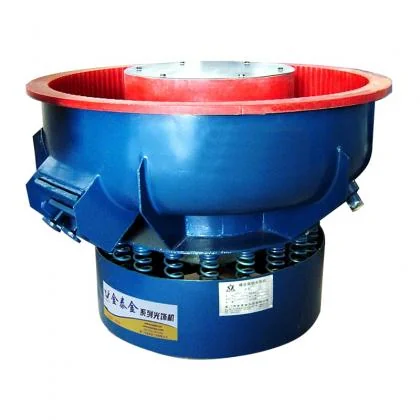
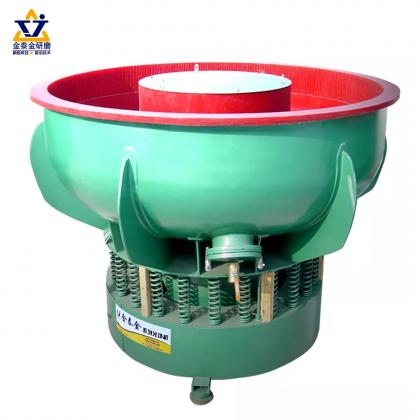
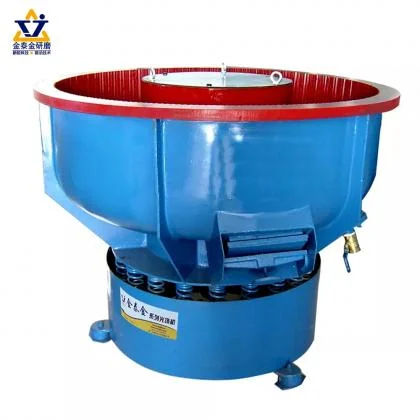
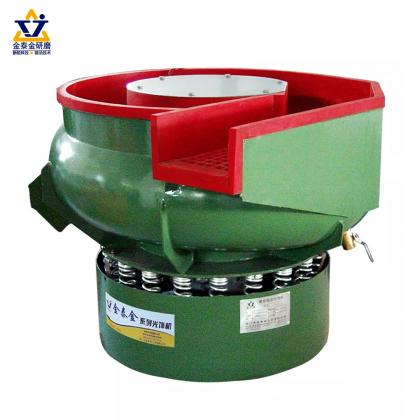
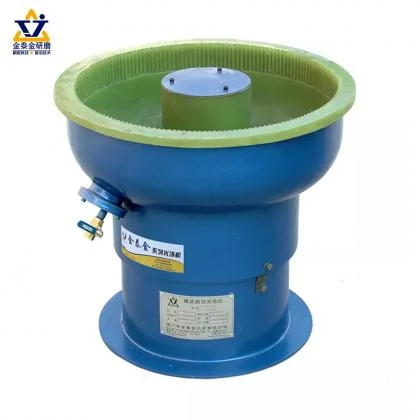
To achieve the desired results, we employed our state-of-the-art automatic tumbling polishing machine, known for its reliability and precision. This machine, detailed on our website, features:
Advanced control systems for precise operation.
Energy-efficient processes that align with eco-friendly practices.
The capacity to handle large volumes for batch processing.
Batch polishing provides numerous benefits, including:
Uniform Quality: Each key ring was polished evenly, ensuring no inconsistencies in the final finish.
Time Efficiency: The automated system allowed us to complete the polishing of hundreds of key rings in significantly less time than manual processes.
Cost-Effectiveness: By processing items in bulk, we reduced labor and operational costs while maintaining high quality.
One of the key challenges our client faced was achieving a perfect finish without delays. Our solution involved optimizing the machine settings to balance speed and precision, resulting in a smooth workflow that met tight deadlines. We also used eco-friendly polishing compounds to adhere to sustainability goals, satisfying the client’s requirement for environmentally responsible practices.
At JintaiJin, we believe in not only excelling in our industry but also sharing knowledge that benefits others. This case study illustrates our approach to problem-solving and showcases the advantages of using advanced automated equipment. For those in similar industries seeking efficient and sustainable polishing solutions, we are here to help.
We hope this case inspires and assists others in the surface finishing industry. To learn more about our processes and equipment, visit JintaiJin’s official website.
| Part feature | Consideration | Starting direction |
|---|---|---|
| Small, light parts | They nest and shield each other | Separate by size and keep the load low |
| Bright decorative finish | Appearance follows the final stage | Stage grades progressively |
| Split ring geometry | Parts can interlock during tumbling | Media shape and loading pattern matter more than speed |
| Plated surface | Abrasive action can wear through plating | Confirm what the plating can tolerate |
| Mixed ring sizes | Large rings shield small ones | Run similar sizes together |
| Consistent result across a batch | Stable load and media condition | Check media at regular intervals |
Directions to test on a representative sample, not validated results for a specific component.
Key rings are small, light and often have openings, and those three properties create the main difficulties. Small light parts float in a media charge and tend to collect in the same region rather than circulating through it. Openings and split-ring geometry let parts hook onto each other and onto the media, so parts interlock instead of moving independently. And because the parts are light, they cannot push the media aside, so parts that end up inside a cluster are effectively protected from the process.
The practical consequence is that a batch of key rings can contain parts that received very different amounts of work, even though they were processed in the same cycle. The variation is a loading and geometry problem rather than a process setting.
Media shape matters more than media grade in this situation. The media has to be able to work between the parts and keep them separated, rather than allowing them to settle into a mass.
Reducing the load was the first change that improved uniformity, because a lighter charge lets the media separate the parts instead of letting them pack. Keeping the load constant between runs was the second, because the uniformity of a light-part batch depends heavily on the ratio of parts to media.
Where a plated finish is involved, the process also has to be scoped to what the plating can tolerate, since abrasive action wears a thin coating before it wears the base metal. And because the parts are decorative, the appearance that matters is produced by the final stage, so the process is built as a sequence rather than a single operation.
Recording the setup — load, media, cycle, compound — is what turns these decisions into a process that can be run again rather than a one-off result.
Email : info@surface-polish.com


 IPv6 network supported



 +86-592-2381506
