


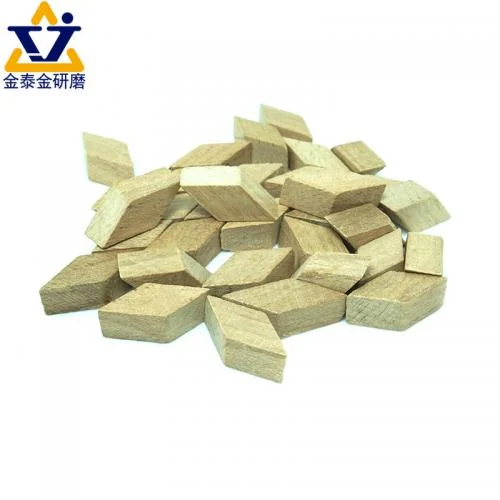

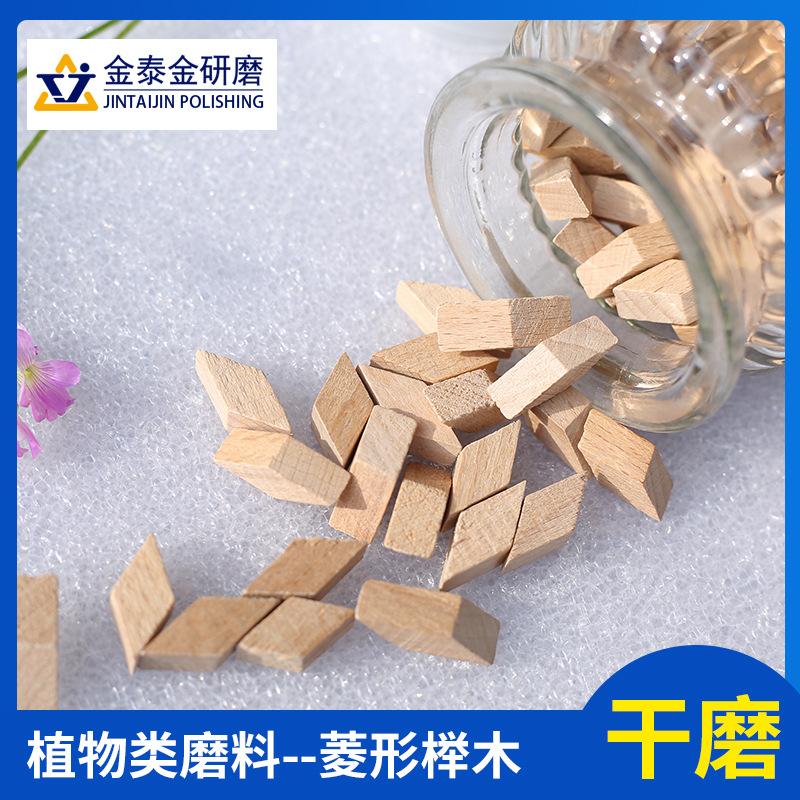
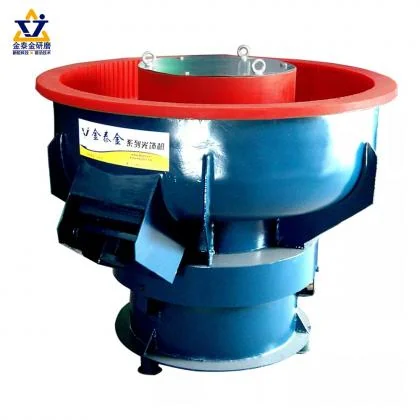
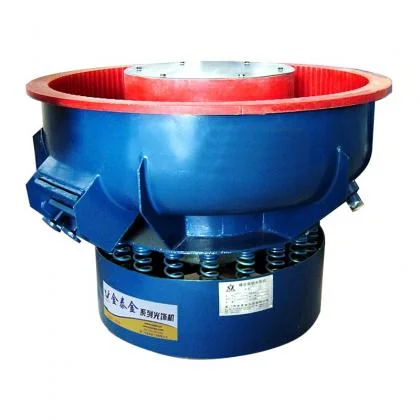
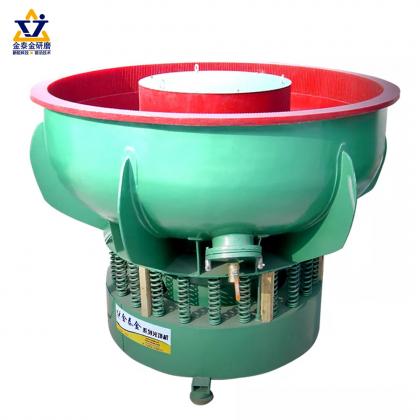

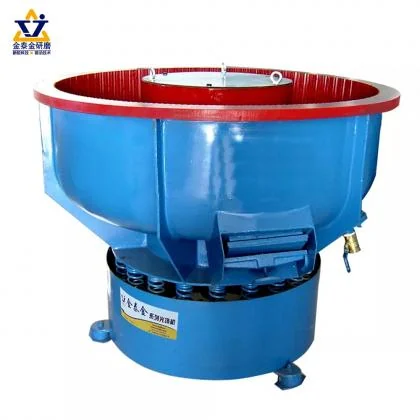
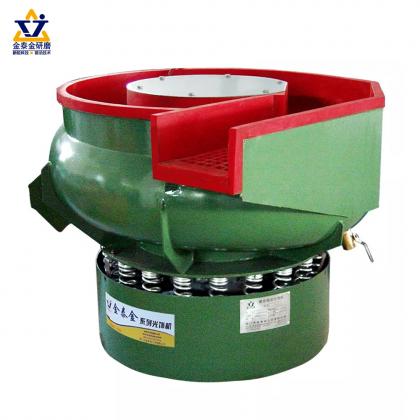
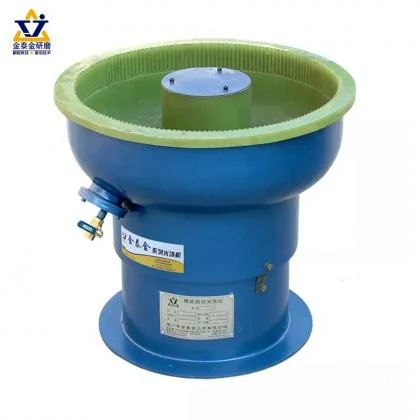
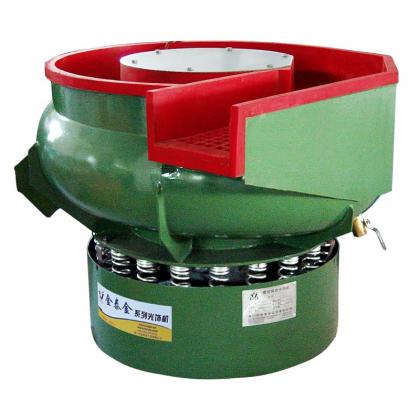
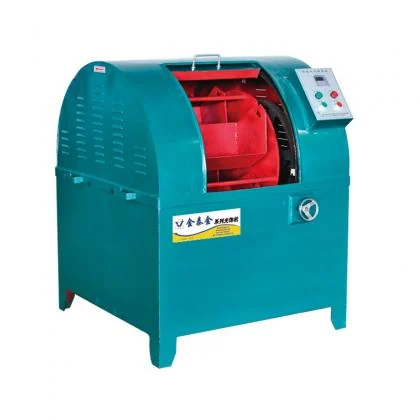
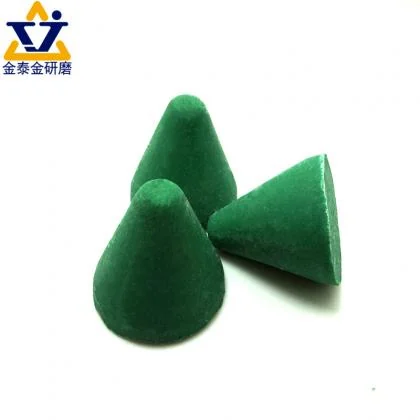
Wooden tumbling media is listed in the SurfacePolish catalog for dry-finishing applications. The existing source record identifies the item as wooden tumbling dry media and preserves two product images. The useful selection question is not simply whether a part is metal or plastic. It is whether the media can reach the required surfaces, move the parts without harmful contact, and support the finish objective that the customer can inspect.


Start with the workpiece problem
Define the incoming condition before selecting media. The relevant details include burr location, tool marks, dull areas, residue, sharp edges, recesses, holes and any surface that must remain protected. A dry route may be useful where water should be avoided, but that decision must be tested with the actual geometry and downstream cleaning requirements.
For a first review, share clear photos from more than one angle, a drawing when available, the material, approximate part size and weight, the target appearance, and the expected batch quantity. These details let the finishing team screen whether wooden media is a sensible direction or whether another media family should be compared.
- Starting surface and defect type
- Protected edges, holes, threads and cosmetic faces
- Target appearance and inspection method
- Part quantity and handling limits
Match contact to geometry
Dry-finishing media works through contact and movement. Small recesses, slots and narrow channels may need a different media size or shape than broad exposed faces. Thin parts can also need cushioning and a carefully controlled load so that part-on-part contact does not create new marks. These are process questions, not claims that can be answered from the product name alone.
The media must also be separated from the workpieces after processing. Ask whether the part can trap media, whether holes need inspection, and whether the next operation has a cleanliness limit. The trial record should include separation and cleaning observations as well as the visible surface.
- Media access to the target area
- Nesting or part-on-part contact risk
- Trapped media and post-process cleaning
- Edge and dimensional inspection points
Use a controlled trial
A representative sample is the safest way to evaluate a dry-finishing direction. Mark a small group of parts, record the incoming condition, and inspect them at short intervals. Record movement, media coverage, residue, edge condition and any change to critical features. If the finish stops improving or protected features begin to change, the process needs a different direction.
The existing business rule supports free sample testing for suitable inquiries: the customer pays the inbound shipment and SurfacePolish pays the return shipment. The trial should be treated as an evaluation of the customer parts, not as a universal production guarantee.
- Use production-representative parts
- Change one process variable at a time
- Record observations and acceptance criteria
- Keep the approved trial record with the part family
What to confirm before selection
The source record does not provide a verified media grade, cycle window, density, performance result or universal recipe for this item. Those fields should be completed only from current supplier documentation or an approved sample-test record. Do not infer a specification from the product photograph.
A useful recommendation can still begin with the problem definition. The team can compare wooden media with other dry media or a wet process when the workpiece, finish and cleaning requirements call for it. The final route should be chosen against the customers inspection criteria.
- Material and surface sensitivity
- Desired finish and acceptable variation
- Downstream cleaning or coating
- Evidence needed for release
Frequently asked questions
Can the same media be used for every part? No. Geometry, incoming condition and the target surface change the contact requirement. Can a photograph prove the result? No. It can help identify the part and starting condition, but a representative trial and inspection method are still required. Is a fixed production cycle included? No fixed cycle is published here; it must be validated on the actual parts.
Request a free sample test
Send your workpiece material, photos, dimensions, target finish and protected features so the next process question can be answered.




 +86-592-2381506


 IPv6 network supported