A buyer in Strasbourg, France working on marine components has a 220 kg 316L pump casing whose flange face and seawater passage must survive weld dressing intact. SurfacePolish supplies finishing machines, media and compounds across borders and runs a free sample trial: representative parts ship to the factory in Xiamen and come back with an observed condition and a proposed media, compound and cycle direction for the buyer's own review. This brief is written for a buyer in Strasbourg working on marine components; it describes equipment, media and a scoped sample review, not a local polishing service.
Which acceptance criteria, measurement locations and functional checks must exist before any route, robot or otherwise, can be compared fairly?
Which features on this part are functional, such as seal faces, journals, tapers, keyways and weld toes, and which are only cosmetic?
Does the part family repeat often enough, with stable geometry, to justify a cell rather than a batch machine or hand work?
Two 316L parts made to the same drawing can behave differently because of how they were produced. Cast material carries a skin and porosity; wrought plate has a rolling direction; duplex and super-duplex grades respond to heat input differently from austenitic grades, and a weld heat-affected zone finishes at a different rate from the parent metal. Hardfacing, weld overlay, and bronze or nickel-aluminium-bronze castings each cut in their own way. Record the grade, the product form, the heat treatment or stress relief, the welding process and the as-received condition, whether machined, plasma cut, grit blasted or still carrying mill scale and heat tint. Note who owns the pre-finish cleanliness step and what the part must be free of, because oil, marking ink and salt carry-over contaminate a charge and change how it cuts.
Do the arithmetic before drawing a cell. Reach is measured to the tool centre point, not to the mounting flange, and it must cover the far corner of the largest part with the arm still in a posture that has authority; a five-metre nominal reach does not mean a five-metre useful envelope. Payload is rated at the flange and includes the gripper, the tool, cable management and any offset that creates a moment. Stiffness matters more than the payload figure once a tool pushes against a surface, because compliance and lost motion appear as variation in depth of cut and as chatter on thin panels. Arm repeatability is not the same as accuracy of the finished surface, since the part, the fixture and any positioner each add error. Compliant or force-controlled tooling changes the requirement substantially and belongs in the discussion from the start.
| Machine route | Where it fits | What it will not do |
|---|---|---|
| Rotary barrel finishing machine | Gentle deburring of small fragile components and mixed fitting batches with generous compound flow and low part-on-part energy | Long cycles with no visibility while running, and internal passages collect media and compound that must be retrieved at unload |
| Vibratory finishing machine (bowl) | Bulk deburring and refinement of small and medium marine fittings, cast cleats, brackets and machined valve internals that can tumble without racking | Continuous part-on-part contact and no access to internal passages; visible faces and heavy parts need separation, racking or a different route |
| Centrifugal barrel finishing machine | Short, aggressive cycles on small precision items such as valve trim, inserts and small stainless components with fine edge requirements | Rounds edges and can distort thin unsupported sections quickly, and results are sensitive to charge weight, speed and stop time |
| Disc finishing machine | Fast, high-energy edge breaking and surface refinement on small robust fittings and uniform batches where cycle time matters | High impingement and edge-loss risk on thin or soft parts, and the geometry must suit the disc working gap rather than a large weldment |
Plastic media suits parts whose surfaces must not be peened, marked or rounded aggressively. Aluminium brackets, bronze and nickel-aluminium-bronze castings, thin sheet components and any part with a cosmetic face respond better to plastic triangles, cones or pyramids in a soft to medium grade than to ceramic. The trade is removal rate: plastic cuts slowly, deforms as it wears, and a worn charge behaves noticeably differently from a fresh one, so cycles set on new media drift. Some shapes float or segregate in a bowl and starve part of the load. In marine work plastic media is often the right first stage where a light machining burr, an adhesive residue or a paint-adjacent edge has to come off without changing the geometry a gasket or a seal depends on.
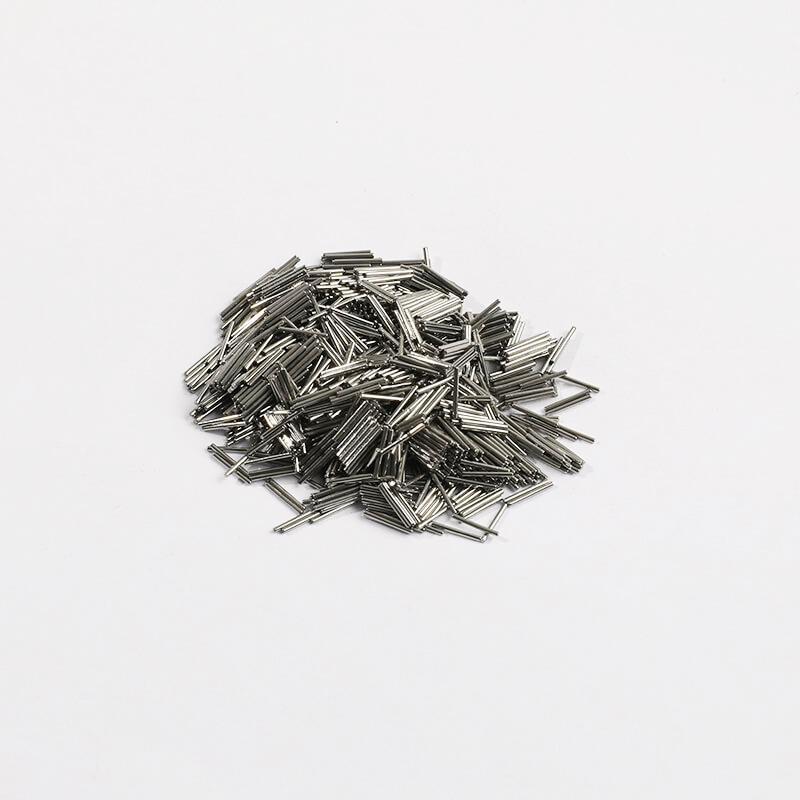
| Media | Best fit | Watch out for |
|---|---|---|
| Chloride-free mildly alkaline or near-neutral compound, liquid or powder | Cleaning, corrosion inhibition and fines suspension on stainless and duplex marine work where retained chlorides would risk pitting in service | Dose drifts with drag-out and water hardness, foam can hide the load, and rinse water must reach the same features the compound reached |
| Fine ceramic or porcelain shapes in a small size class | Refinement and light edge blending after a cutting stage, and reaching tighter external geometry on small valve parts and fittings | Small sizes enter and lodge in cross-drillings and fine slots, and media wear shrinks the charge so the finish drifts over its life |
| Plastic triangles, cones and pyramids in a soft to medium grade | Deburring aluminium brackets, bronze castings and cosmetic faces where marking and edge loss must stay small | Slow cut rate, media deforms as it wears, and a worn charge behaves quite differently from a fresh one |
| Heavy-cut ceramic angle-cut triangles in a coarse size class | Breaking the edge of a machined or cast marine fitting and removing a substantial burr on robust stainless before a refinement stage | Cuts corners and weld toes aggressively and can round a seat or keyway, and the coarse section may not enter narrow passages at all |
Removing material releases residual stress, and on a large thin fabrication that means movement. A scrubber panel welded into a frame can lose flatness after weld dressing, a long shaft can bend slightly as a skin is taken off, and a bore can close or open as the surrounding metal is worked. Clamping makes this worse when force is used to pull a warped part onto a fixture, because the part springs back on release. Measure flatness, straightness and critical diameters at marked points before and after, and record the support and clamping scheme used. In a cell, gripper force and fixture datums are part of the process rather than peripheral equipment. Where drift matters, the buyer should decide whether stress relief, a reduced stock allowance or a different finishing route is the right answer.
| Failure mode | Likely cause | How to catch it |
|---|---|---|
| Medium wedged in tube-sheet holes or perforated plate openings | Hole diameter close to the media section, cylindrical or conical media that aligns with the hole, or a charge left to drain in the part at unload | Pin gauge a sample of holes across the plate, tap and back-flush each sample, and inspect the plate under oblique light for a medium sitting flush with the surface |
| Clamping indentations and part-on-part impact marks on a visible face | Gripper or fixture force applied on a finished or visible surface, no protective interface at the contact point, or parts left free to collide in a batch charge | Inspect all contact points and visible faces under raking light against a reference part, and record the fixture contact scheme used so marks can be traced to a specific clamp or pocket |
| Keyway, spline or taper geometry lost to edge rounding | The feature was exposed to the charge without masking, or a tool-carrier path ran along the flank of the feature instead of stopping short of it | Check width, flank angle and edge break with a gauge or comparator at marked stations before and after, and confirm the protected feature against the drawing tolerance |
| Dimensional drift on a bearing journal, bore or machined fit | Too much stock removed at the feature, stress redistribution in a long or thin part, or clamping force that pulled the part out of shape during finishing | Micrometer or bore gauge the same stations before and after at a controlled temperature, and re-check after the clamps are released to separate clamping deflection from real drift |
Strasbourg's industrial economy is a Rhine one: the Ports de Strasbourg (Groupe PAS) state the port is the second largest French river port, operate 40 hectares of available land and a new trimodal platform on the Rhine, and the port authority's own news flow is dominated by industrial and heavy-industry development on its estates, including development plans by Kawasaki Heavy Industries for the Grand Est region. INSEE counted 11 376 establishments in the commune at the end of 2024 with a 3,8 % industry share and 178 849 jobs at the place of work in 2023. The Alsace industrial base around the city is a mixed one - automotive equipment suppliers, mechanical engineering, pharmaceuticals and medical devices, and food processing - supported by the ADIRA regional development agency, which reports 418 business development projects handled in 2025 and more than EUR 1,376 billion invested by the companies it supported in Alsace.
The nearest part of that base to this brief is medical: INSEE records 15,6 % of Strasbourg establishments in public administration, education, health and social action in 2024, the highest share among the ten French cities studied, on a base that also includes Alsace's pharmaceutical and medical-device industry.
Alsace's automotive equipment and mechanical engineering base deburrs high-volume machined and stamped parts, where burr removal and edge quality are specified by the vehicle-maker and verified by cleanliness testing rather than visual inspection. The region's pharmaceutical and medical-device plants add stainless and hygienic-surface requirements in which surface roughness and residue-free cleaning are functional, and the port's heavy-industry estates generate large fabricated steelwork where weld dressing and coating preparation are the finishing tasks. The Rhine location also means German and Swiss customer specifications frequently apply alongside the French ones.
A Strasbourg buyer should settle which customer's specification governs - French, German or Swiss - before fixing edge and cleanliness acceptance criteria, because documentation, surface-roughness callouts and acceptance tests can differ between those customer chains for the same part.
Freight context: Ports de Strasbourg (Groupe PAS, Rhine river port), Strasbourg-Entzheim Airport, Strasbourg trimodal (road-rail-water) platform. The Ports de Strasbourg state the port is the second largest French river port and offer 40 hectares of available land plus a new trimodal platform on the Rhine, giving direct barge access to the Rhine corridor and the North Sea ports as well as rail and road links to Germany and Switzerland. That is the practical route for receiving containerised machines and media and for shipping sample parts into the German-speaking industrial belt.
For imports from outside the EU the declarant must file a customs declaration whose form and content are fixed by the Union Customs Code and its implementing provisions; French Customs identifies classification, origin and value as the three fundamental notions and makes the common/national tariff consultable via RITA. The customs authority is the Direction generale des douanes et droits indirects (DGDDI), which also runs the Info Douane Service for formalities questions. Buyers should expect to need an EORI number and an EU VAT treatment, because customs and tax authorisations are handled together (SOPRANO). For machinery, the CE marking and the applicable EU product-safety directives are the compliance gate items to settle before shipment, and the French market surveillance authority is the DGCCRF; the tariff rate itself must be confirmed per HS code in RITA or the EU Access2Markets tariff tool, since it varies by machine type.
The working language of French industrial procurement is French: tenders, drawings, inspection plans and technical dossiers are normally issued and answered in French, and quotations that omit French documentation slow down qualification. Buyers qualify a machine against a written specification and expect traceable material certificates, machine safety documentation and, where applicable, a CE declaration of conformity and a risk assessment; acceptance is often staged (documentary review, factory acceptance test, then commissioning). Payment and documentation norms are conventional EU practice: euro invoicing, SEPA or SWIFT bank transfer, Incoterms agreed in writing, and customs paperwork (commercial invoice, packing list, transport document, proof of origin where a preference is claimed) prepared for the declarant or customs representative. Because customs and tax authorisations are handled jointly through SOPRANO, non-EU sellers are normally advised to sell to an established French/EU importing entity rather than to act as importer of record themselves.
SurfacePolish supplies from Xiamen, China. The buyer's own destination rules, conformity marking, tariff classification and documentation responsibilities stay with the buyer; confirm them against the authorities named above before ordering.
Some checks decide whether the part works, and those belong to the buyer's engineering and quality functions. A pressure or leak test on a valve or pump body, a flow check through a passage, a fit check of a shaft in its bearing or a flange against its mate, a dye penetrant inspection of a dressed weld, and any corrosion or coating adhesion evaluation are buyer-side calls. The same applies to cleanliness: the buyer defines the method and the limit, and decides whether a mechanically finished part needs a passivation treatment afterwards. SurfacePolish can describe what was done to a part and what was observed on it, but it does not qualify a part for a class society, a coating specification or a service environment. Ask what evidence is needed before work starts, then plan the trial records to match.
Send parts that represent the extremes, not the average. Include the part with the tightest internal passage, the thinnest section, the largest surface to be finished and the most restricted access. Include one weld sample made with the production welding procedure, because a weld toe finishes differently from parent metal. Include an as-received reject so the starting condition is documented, and mark the measurement points and controlled features on each part before shipping. Record the material grade, product form, heat treatment, as-received condition and the cleanliness requirement the part must eventually meet. Label everything and pack it so nothing is damaged in transit. A trial run on a convenient sample answers a question the buyer did not ask.
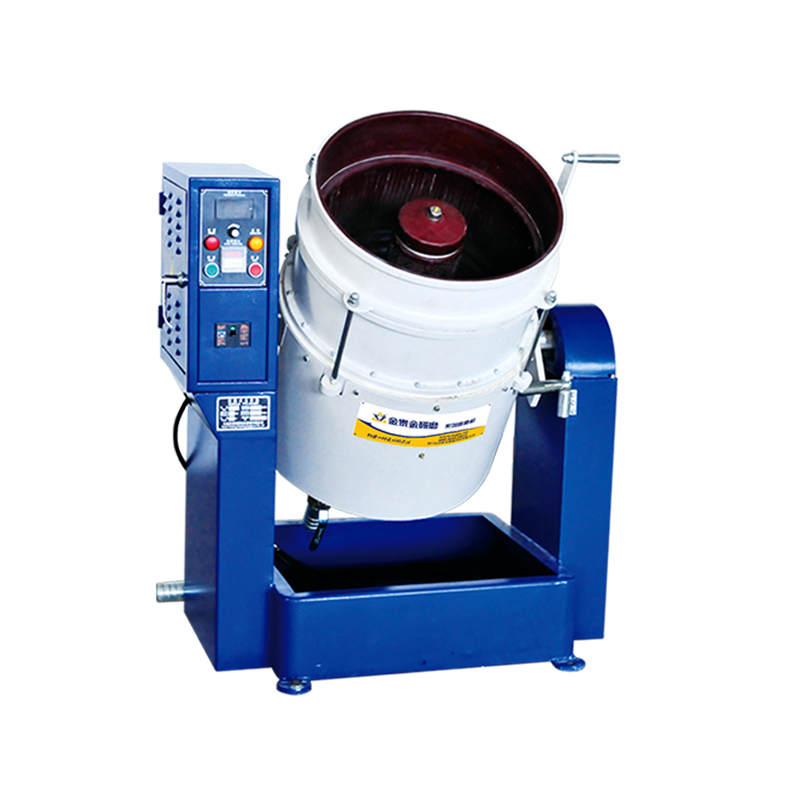
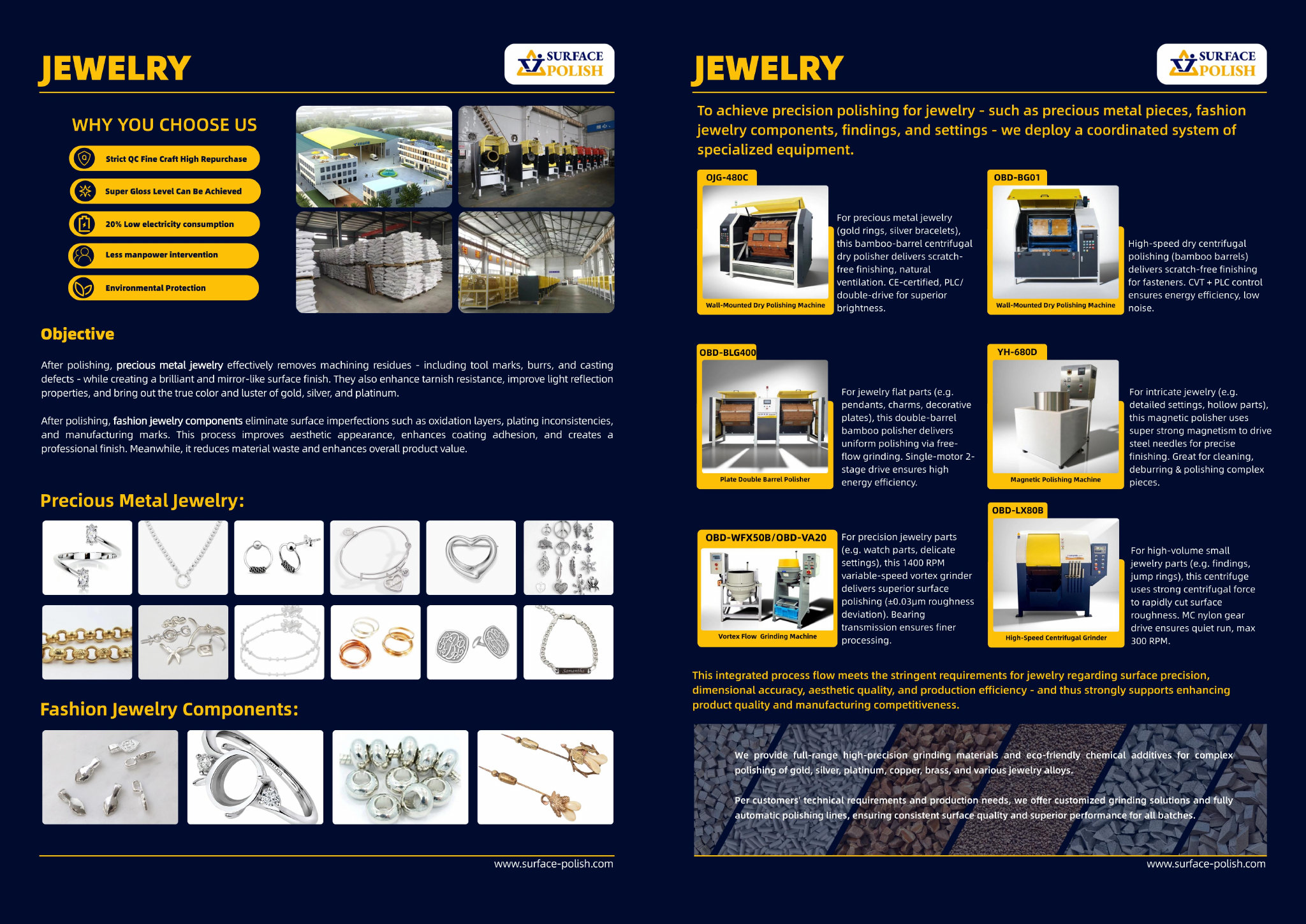
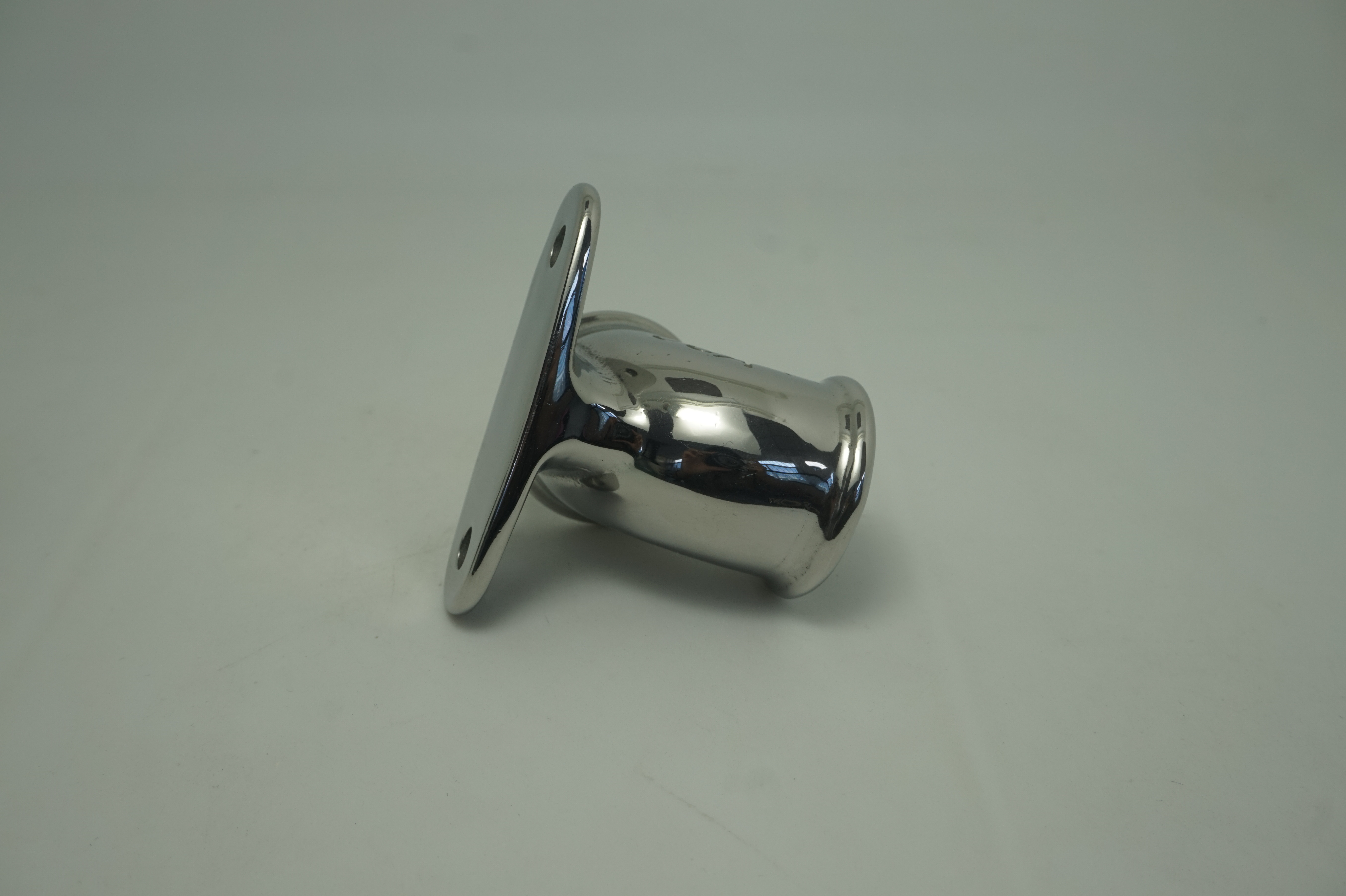
Send parts that represent the extremes of the family: the tightest internal passage, the thinnest section, the largest surface, the worst access, and one weld made with the production procedure. Add an as-received reject so the starting condition is documented, and mark the controlled features and measurement points before shipping. Include a note of the material grade, product form, heat treatment and the cleanliness requirement the part must eventually meet. Parts travel to the factory in Xiamen from France and come back with an observed condition and a proposed media, compound and cycle direction for the buyer to evaluate.
No. SurfacePolish does not issue certification, qualification or approval for any regulated application, and nothing described here may be treated as such a claim. Requirements set by a classification society, a coating manufacturer or an end user are defined and verified by the buyer and its own inspection function. What SurfacePolish provides is equipment, media and compounds, a scoped discussion of a line concept, and observations from a sample trial on the parts tested under the settings used. Those observations can feed the buyer's own qualification work, but they do not replace it or shorten it.
The part has to arrive in a repeatable position and condition. That means a defined locating datum, a fixture or positioner that holds the part without distorting it, a starting condition that varies within a stated band, and a family whose geometry does not change on every job. The controlled features should be the same on every variant, and the part should be clean enough that oil or marking ink does not change how a tool cuts. If the part arrives different each time, the cell will spend its hours being adjusted rather than finishing, and the cost per part will not behave the way the original estimate assumed.
Use Strasbourg, France as the destination on the enquiry and state whether the deliverable is equipment, media and compound, a representative sample review or a line concept. A destination does not imply local stock, a local service point or a local delivery time.
A Strasbourg buyer would reference ISO/NF EN surface-texture standards and, for automotive supply, IATF 16949 with customer-specific edge and cleanliness requirements; medical and pharmaceutical equipment brings ISO 13485 or hygienic-design requirements with defined surface roughness. Because Alsace suppliers frequently deliver into Germany and Switzerland, DIN/EN standard versions and German-language documentation are commonly required alongside the French.
Sources were retrieved on 2026-09-29 and describe the local industrial and trade context only. They do not evidence any SurfacePolish project, shipment, installation or service in Strasbourg.
The buyer wants the weld repairs dressed and the outside cleaned up without rounding the flange face or leaving medium in the seawater passage.
Send the material, dimensions, approximate weight, batch quantity, the incoming condition and photographs of the difficult features. Mark which features must not be contacted by media and state how the result will be inspected. This form carries source reference PSEO-0586; quote it if you prefer an additional manual reference.
Open the SurfacePolish enquiry form Email a prepared enquiry
No price, lead time, certification or result is promised here. Confirm whether a sample trial is available for the specific part and what the trial can and cannot show.
Page PSEO-0586 · revised 2026-09-29 · cross-border equipment, media and scoped sample review. City context is sourced and cited above.
Use this local checker to identify missing part and inspection information. It prepares a technical-review brief; it does not approve a machine, process recipe or production result.
Complete the part details to prepare a review brief.
Email : info@surface-polish.com


 IPv6 network supported


 +86-592-2381506