




Marine surface trial coverage record
Map every required face and fixture access first. Count a surface only once when its trial evidence uses the same part, material, fixture and observation window. Coverage does not prove reachable motion, repeatability, coating or marine corrosion performance.
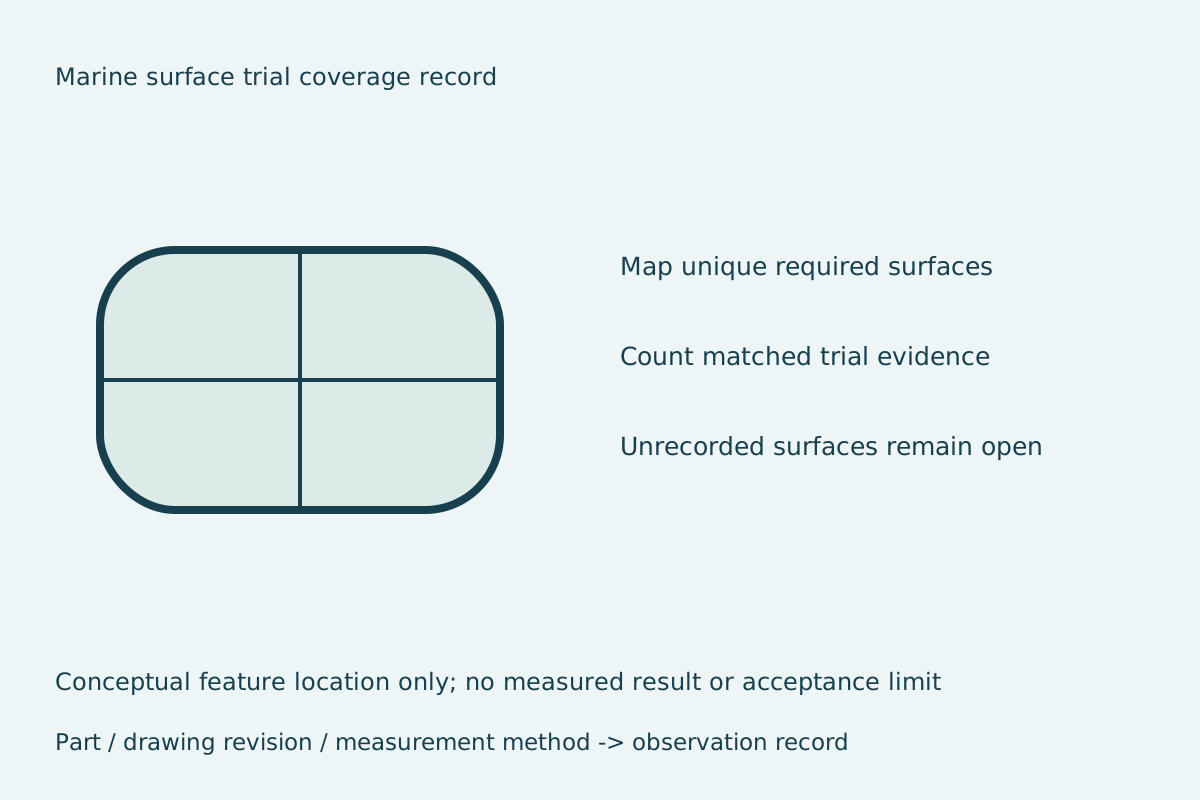
Record matched observations
Use nonnegative decimals, at most three decimal places, with a software ceiling of 1000000. Radius and thickness must be positive; surface counts must be whole, with evidence count no greater than required count. These are input rules, not approved engineering ranges. No measurements are prefilled.
Keep the original drawing, observation window, part identity and inspection method with this record. Six-decimal arithmetic does not establish measurement accuracy. Sign conventions: negative after-minus-before means a smaller recorded after value; it is not a finish or acceptance verdict.
Observation record questions
What does this observation tool record?
Map every required face and fixture access first. Count a surface only once when its trial evidence uses the same part, material, fixture and observation window. Coverage does not prove reachable motion, repeatability, coating or marine corrosion performance.
Does an arithmetic result approve the part?
No. It records supplied observations only. Drawing limits, measurement uncertainty, appearance and the responsible acceptance decision remain separate.
Are measurements or acceptance limits supplied?
No. Both observations and the part/feature/method reference start blank. The guide and archive images do not establish actual measurements.
What does the JSON preserve?
The current observations, units, reference, formula and existing-guide evidence. Nonempty reference text does not verify a drawing or inspection report.
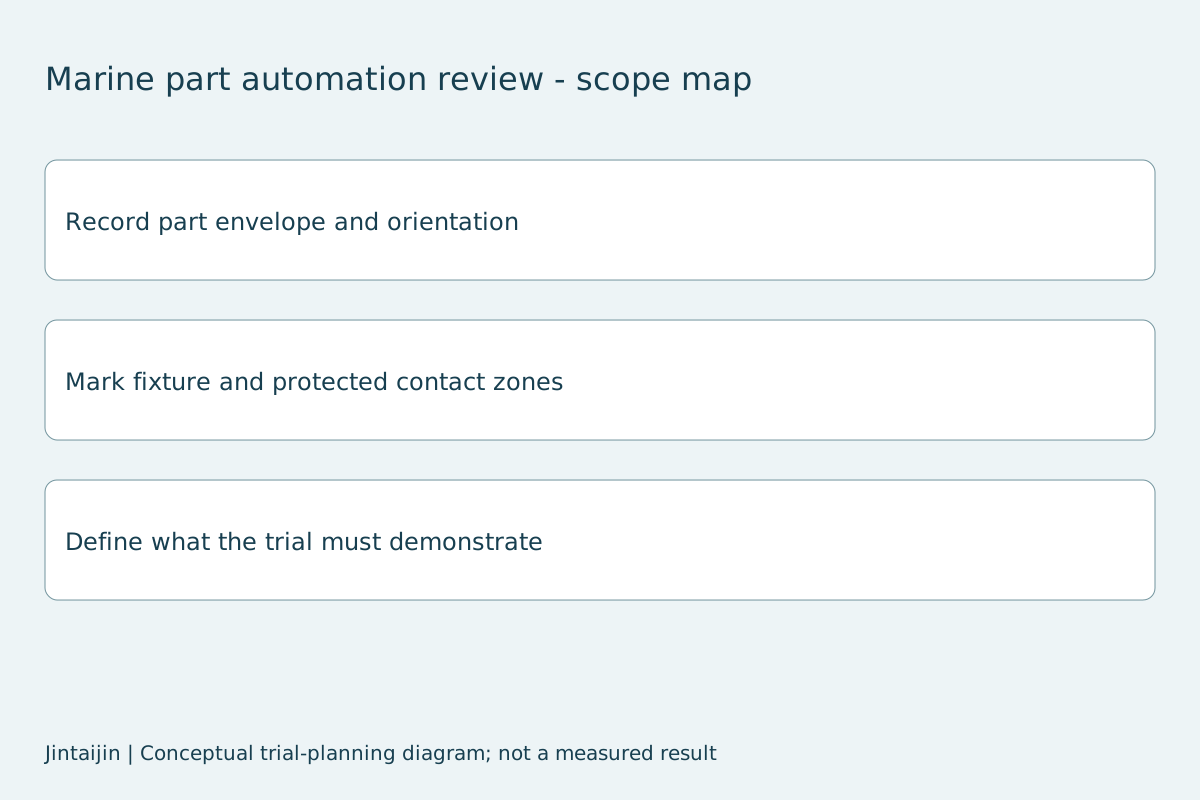
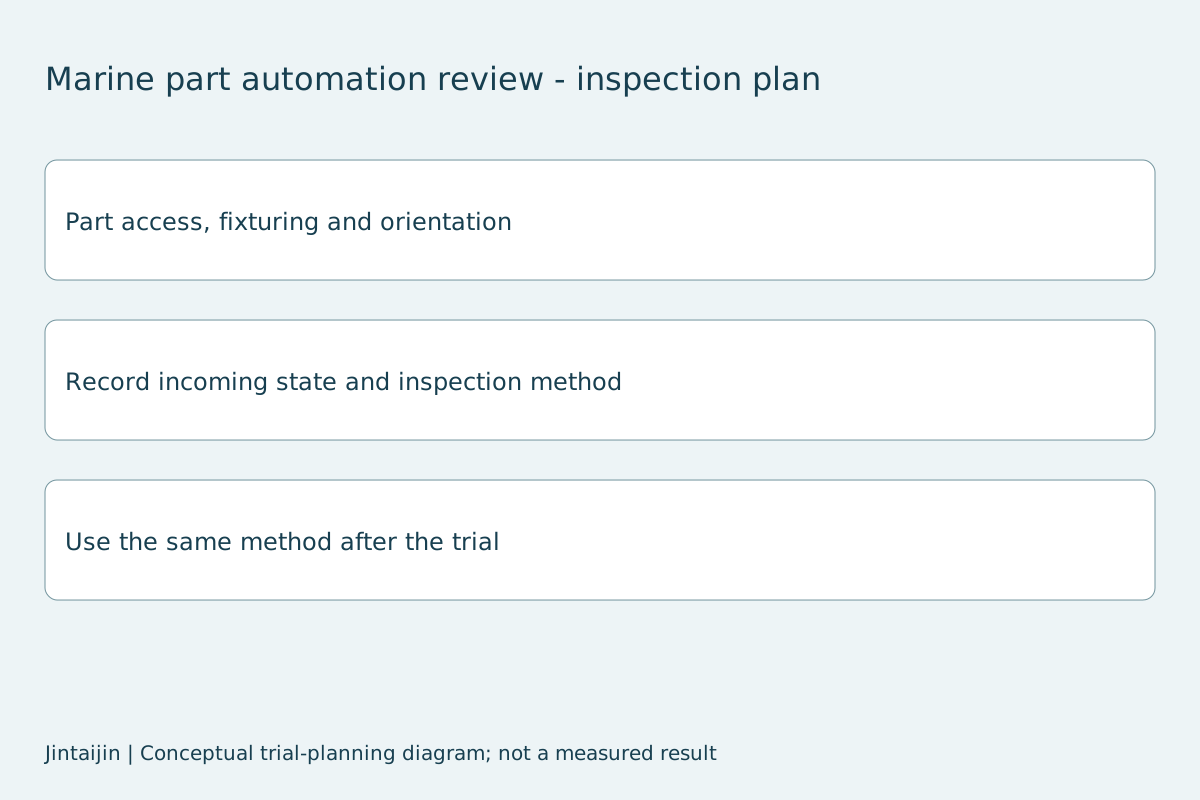
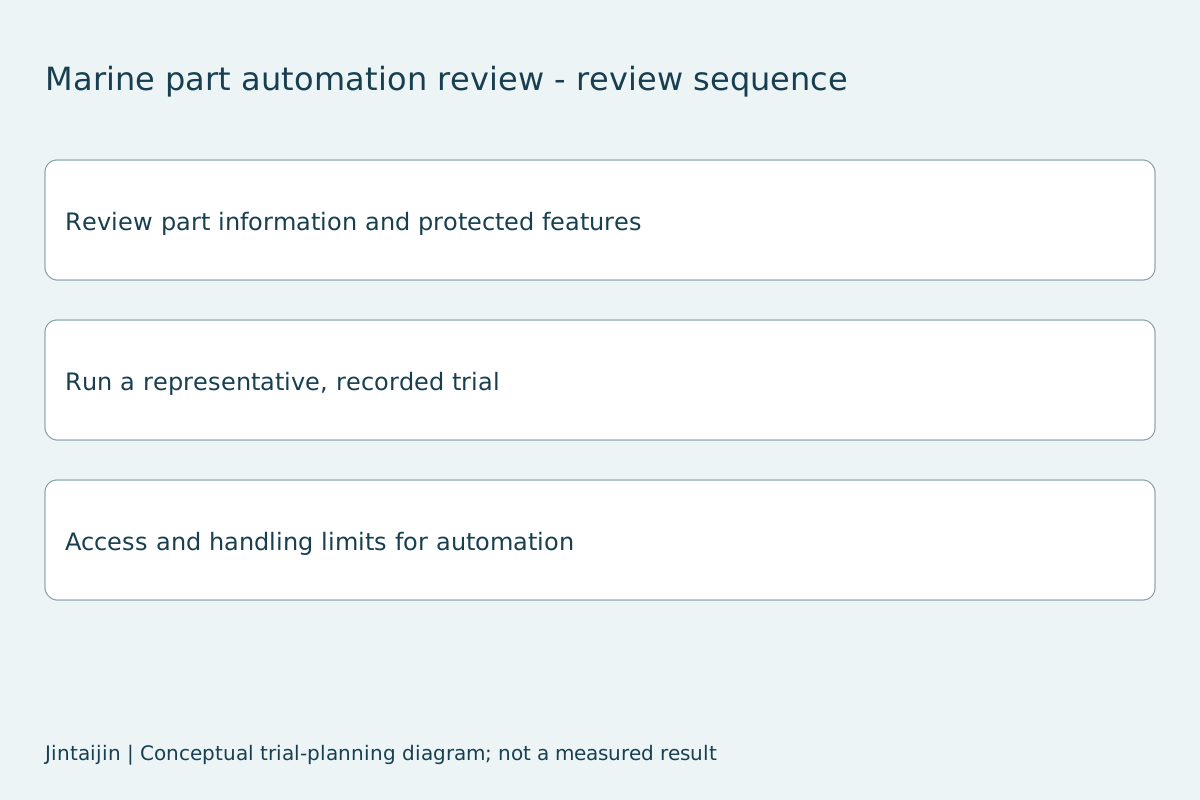
 +86-592-2381506


 IPv6 network supported