


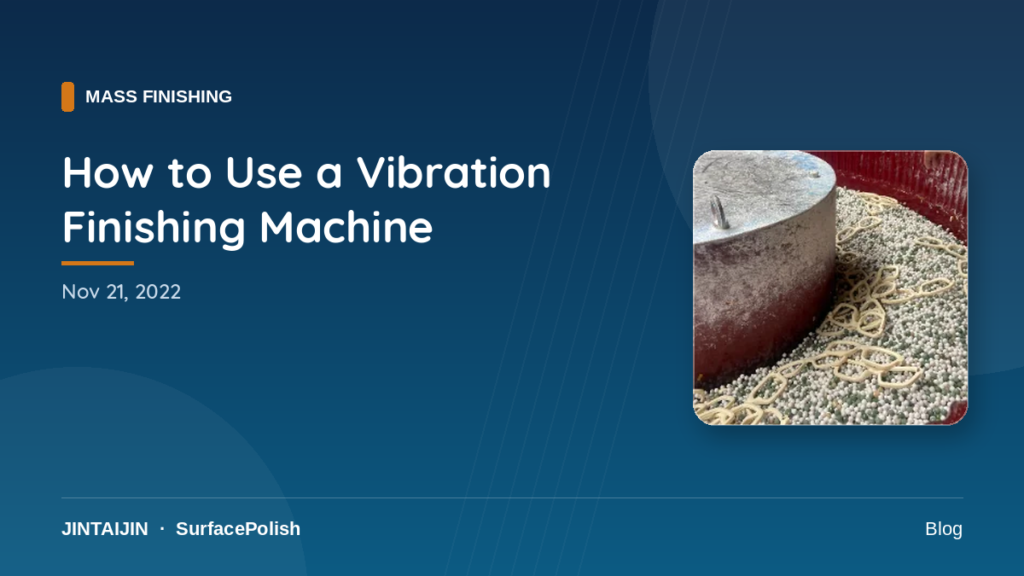
Using a vibration machine safely and consistently starts with the workpiece, the selected media and the inspection method. The archived record discusses operating environment, loading and maintenance; this expanded guide turns those topics into a reviewable preparation and trial checklist.
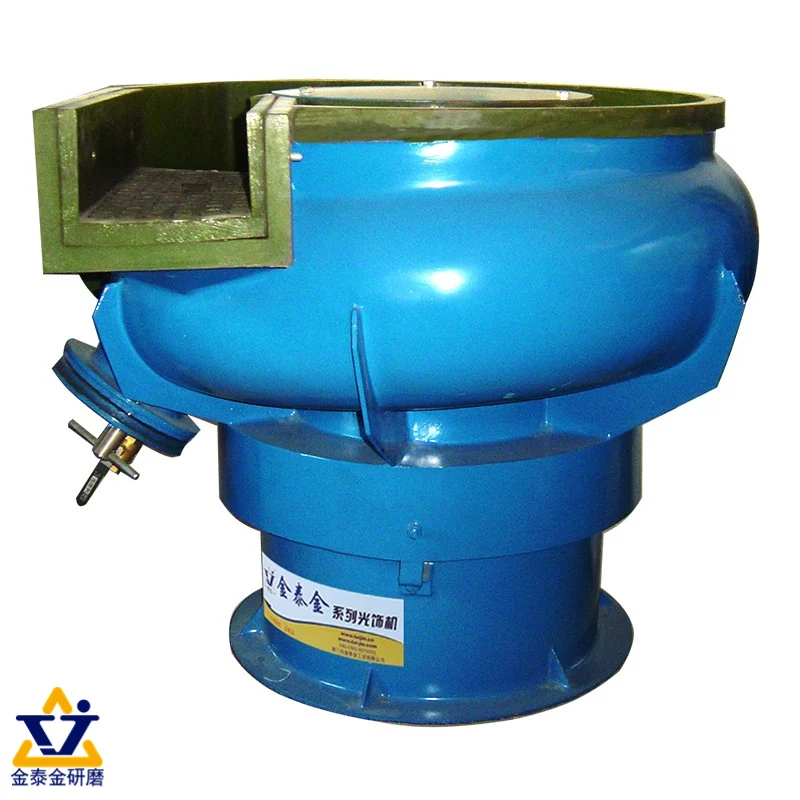
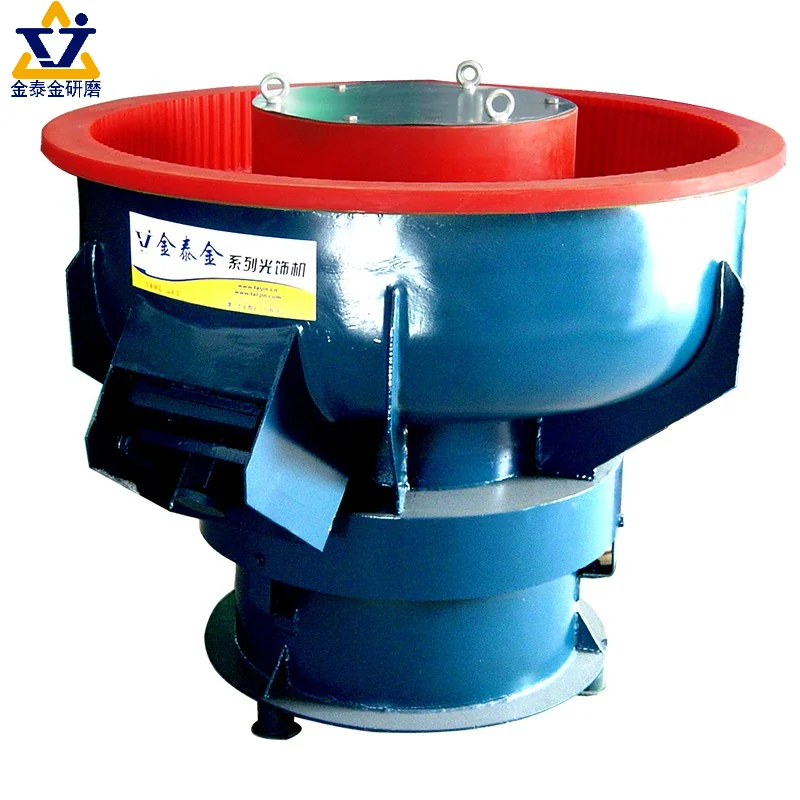
Prepare the working area
Keep the machine area clean, accessible and suitable for loading, unloading and inspection. Confirm that the operator can see the chamber, controls and separation point. Record the operating conditions required by the current machine documentation rather than relying on a generic temperature, humidity or cycle assumption.
Load the machine around the part
Describe the part material, dimensions, weight, batch quantity and protected features before choosing a load. Check whether parts can nest, strike one another or block media access. Use a consistent loading pattern while comparing trials so the result can be traced to the process variable being evaluated.
Choose media and define the objective
Media shape, size and compound influence contact and access. Cleaning, deburring, edge smoothing and visual refinement are different goals. Note the smallest hole, slot or recess that must be reached, and plan how media will be separated and how residue will be removed afterward.
Run a controlled inspection
Inspect representative parts at fixed intervals. Record remaining burrs, marks, edge change, trapped media, residue and any variation across the batch. Keep the machine setting, load, media direction and inspection method with the sample record; the video or machine photograph is not evidence of a result on another part.
Maintenance questions
- Which surfaces and controls must be cleaned after each run?
- How are worn media, residue and separated parts handled?
- Which checks are required before the next batch?
- Which machine-documentation interval applies to lubrication, screens or other service points?
Video reference
Review the footage for visible equipment, part handling, movement and inspection context only. Add model-specific or chapter-level claims after human frame review.
Discuss your workpiece
Send the material, geometry, photos, target finish and inspection requirements for a practical vibration-finishing review.
 +86-592-2381506


 IPv6 network supported