Magnetic Polish Machine Selection Guide: Deburring Blind Holes, Internal Threads & Precision Small Parts
When preformed ceramic stones or resin cones bridge right past tiny cross-holes, internal threads, and blind-rivet recesses, a magnetic polish machine solves what conventional tumbling simply cannot reach. Using a high-frequency rotating magnetic field beneath a non-magnetic barrel, OBD-30 through OBD-100 systems drive fine 304 stainless steel pins directly into narrow slots and deep bores. SurfacePolish (Xiamen Jin Tai Jin Grinding Technology Co.,Ltd.) applies 200,000+ verified finishing trials to configure OBD magnetic polishing machines for switch assemblies, ballpoint tips, brass valves, and precision CNC hardware without rolling delicate outer threads.
How a Magnetic Polish Machine Works Inside Tight Recesses
Unlike a vibratory finishing machine that relies on gravity and bowl vibration to cascade heavy stones across exterior surfaces, a magnetic polish machine energizes thousands of microscopic stainless steel needles directly inside an alternating magnetic vortex. Every pin acts as a miniature high-speed burnishing brush capable of entering sub-millimeter clearances.
Rotating Permanent Magnets & High-Frequency Pin Vortices
Beneath the translucent acrylic or stainless-lined work tub, a balanced disc of high-strength permanent magnets spins rapidly, flipping magnetic polarity continuously. Stainless pins align, tumble, and dart along shifting flux lines through water and HM3 polishing chemistry, striking burrs and oxide films inside recessed pockets from every angle simultaneously.
Why Preformed Ceramic & Plastic Stones Fail Inside Blind Holes
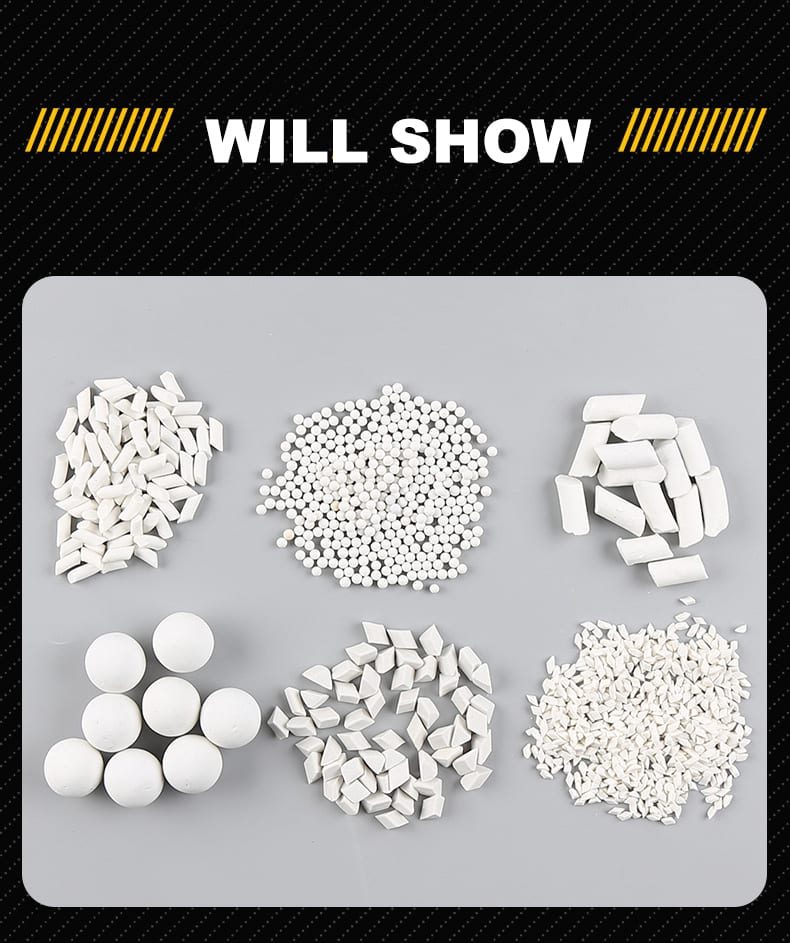
Even the smallest triangles or angle-cut cylinders in ceramic media or plastic media either float past narrow internal threads or wedge tightly inside blind bores, forcing costly manual picking. Fine magnetic stainless pins measure a fraction of a stone's cross-section and never wedge permanently under magnetic agitation, exiting freely during separation.
Protecting Crisp External Threads & Precision Bearing Lands
Because individual stainless needles carry minimal inertia compared to solid ceramic stones, a properly tuned magnetic polishing machine removes feathery machining burrs and machining oil without battering fine thread crests or peening soft brass flats. Dimensional tolerances on turned pins, watch crowns, and connector shells remain intact.
| Workpiece Feature | Non-Ferrous & Light Alloys | Stainless & Hardened Precision | Recommended SurfacePolish Setup | Primary Process Advantage |
|---|---|---|---|---|
| Blind rivets & deep recesses | Brass / aluminum rivets | Stainless / alloy fasteners | OBD-60 / OBD-70 + fine pins + HM3 |
Reaches blind bottoms cleanly |
| Switch assemblies & contacts | Copper / phosphor bronze | Silver-plated / beryllium copper | OBD-30 / OBD-35 + ultra-fine pins |
Brightens contacts without bending tabs |
| Ballpoint tips & micro-nozzles | Brass / nickel-silver | 303 / 316 stainless steel |
OBD-60 + HM3 + 35A centrifugal dry |
Clears micro-burrs inside tip bores |
| Shell casings & valve sleeves | Brass / bronze sleeves | Austenitic stainless sleeves | OBD-90 / OBD-100 + medium pins + HM3 |
Cleans internal walls & rim flash |
| Ceramic precision insulators | Sintered alumina / zirconia | Technical ceramic substrates | OBD-60 / OBD-100 + fine pins + HM3 |
Fracture-free kiln dust removal |
Sizing OBD-30 to OBD-100 Platforms for Production Batches
Selecting the right tank footprint prevents under-loading turbulence or over-crowded dead zones where parts settle motionless in the center. SurfacePolish offers six graduated magnetic models (OBD-30, OBD-35, OBD-60, OBD-70, OBD-90, OBD-100) to match prototype cells and continuous high-mix lines alike.
Compact OBD-30 & OBD-35 Benchtop Units for R&D & Micro-Hardware
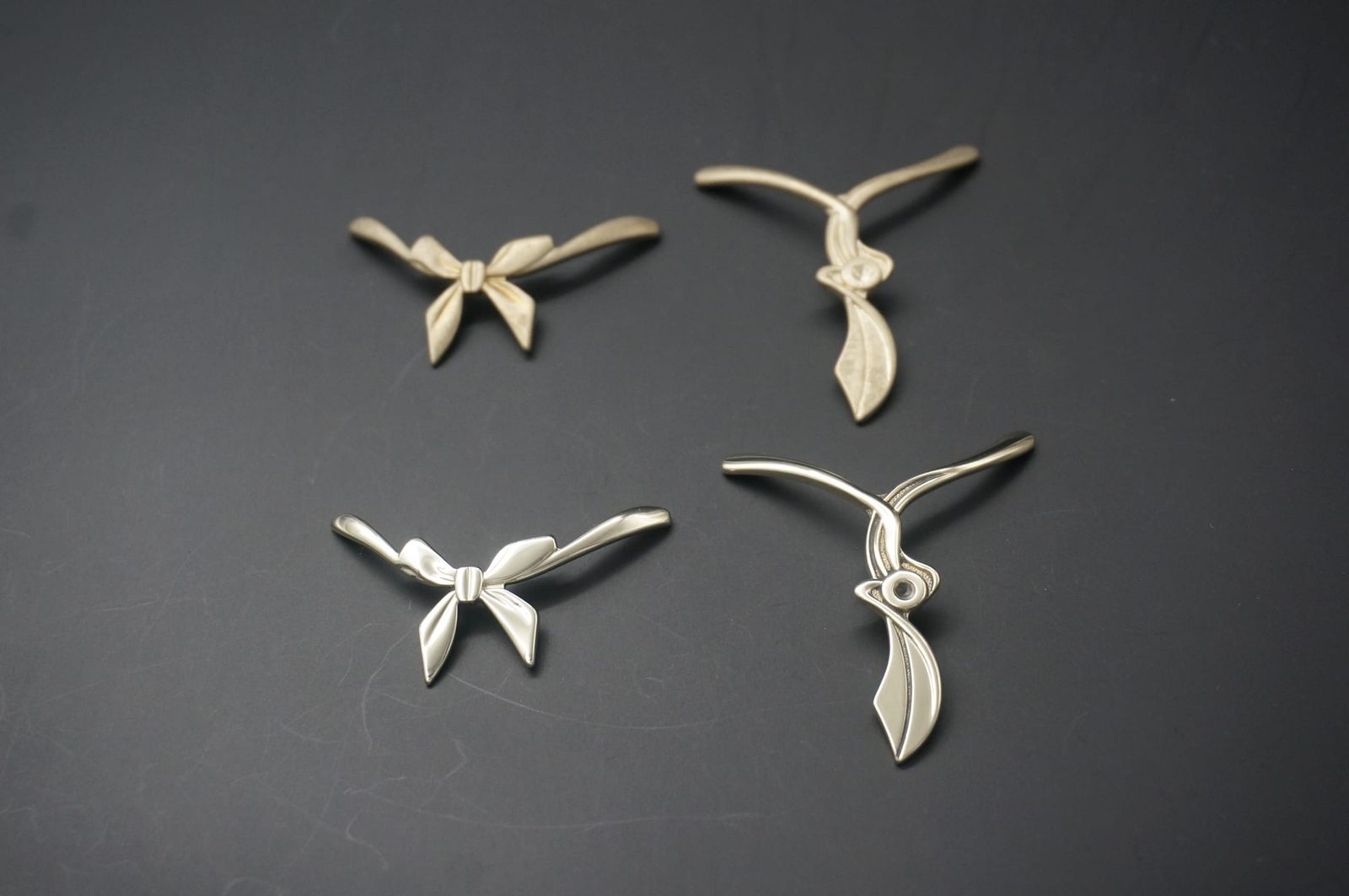
Jewelry workshops, dental component labs, and electrical contact R&D teams rely on OBD-30 and OBD-35 units for rapid small-lot deburring. Compact tub geometry concentrates magnetic flux densely across small part loads, cleaning delicate watch links, surgical needles, and sensor pins in short, predictable cycles.
Mid-Range OBD-60 & OBD-70 Systems for CNC Swiss-Turned Hardware
Job shops running Swiss-type lathes produce steady streams of brass fittings, ballpoint tips, blind rivets, and threaded standoffs. An OBD-60 or OBD-70 magnetic polishing machine balances generous batch capacity with vigorous pin circulation, letting operators process entire lathe baskets per load cleanly.
High-Capacity OBD-90 & OBD-100 Lines for Volume Production
When high-volume stamped switch frames, shell casings, or manifold inserts demand continuous multi-shift turnaround, OBD-90 and OBD-100 platforms deliver wide magnetic coverage and reinforced tank construction. Forward-and-reverse timer cycling keeps dense metal batches turning evenly so bottom-layer parts receive identical pin exposure.
Selecting Stainless Steel Polish Pins & Magnetic Separation Tools
Pin diameter and length govern both internal hole penetration and surface finish brightness. Treating stainless pins as precision consumables rather than permanent fixtures keeps cycle times short and defect rates near zero.
Matching Pin Diameter to Minimum Slot & Thread Pitch
Ultra-fine pins glide smoothly into tight micro-bores, fine-pitch internal threads, and delicate switch slots without bridging, producing a bright burnished sheen. Slightly thicker pins pack greater kinetic momentum for knocking off heavier milling burrs on tough 304 stainless brackets or stamped steel clips.
Replacing Bent or Demagnetized Pins Before Cut Rates Drop
Over thousands of high-speed collisions, stainless pins gradually work-harden, bend, or lose crisp tip geometry. Inspecting pin beds periodically and replenishing worn needles restores full magnetic responsiveness and keeps internal burr removal crisp across every shift.
Fast Magnetic Separation & Recovery Workflows
Because 304 stainless pins respond weakly to permanent magnets compared to carbon steel, specialized magnetic separation trays, fine mesh sieves, and rinse baskets make post-cycle unloading clean and fast. Never dump rinsed slurry down shop drains without a pin catch screen—recovering stray pins protects both plumbing and replacement budgets.
Compound Chemistry (HM3), Water Control & Drying Sequences
Running stainless pins in plain tap water quickly dulls parts with gray metallic smut and accelerates pin corrosion on carbon steel batches. Proper tumbling compounds dosing keeps pins slick, bright, and free-cutting.
Why HM3 Neutral Polishing Compound Is Essential for Magnetic Tumblers
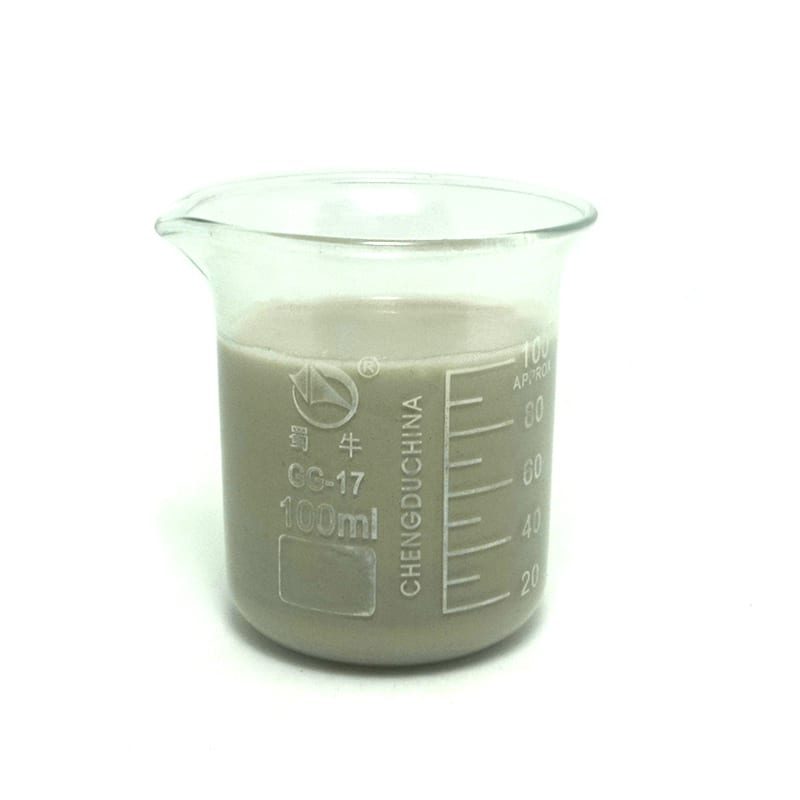
Formulated specifically for bright burnishing and pin lubrication, HM3 compound reduces friction between darting stainless needles and delicate alloy surfaces while holding abraded metal fines in clean suspension. Parts emerge with uniform bright luster instead of dark oxidation streaks, ready for immediate rinsing.
Pre-Cleaning Oily Turned Parts & Descaling Oxide Before Pin Burnishing
Magnetic pins are designed for micro-deburring, crevice cleaning, and brightening—not stripping thick heat-treat scale or cutting heavy lathe coolant grease. Degrease oily Swiss-turned parts in an ultrasonic cleaner first, and strip heavy ferrous rust with MC8 or pre-cut rough burrs in ceramic media (LC10) before finishing inside an OBD chamber.
Preventing Flash Rust with 35A / 70A Centrifugal Dryers
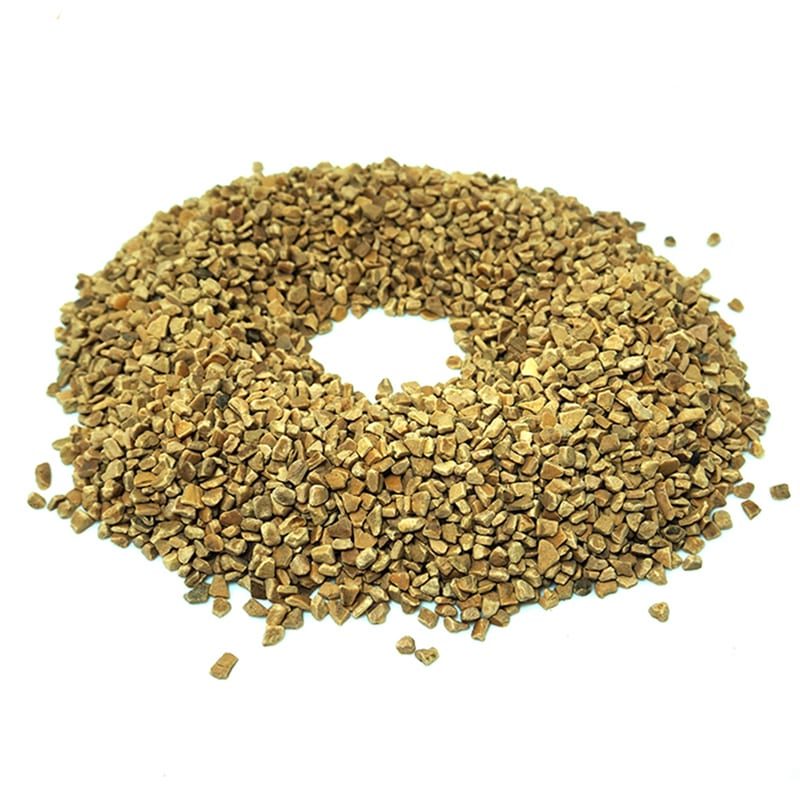
Small blind holes and internal threads hold rinse water stubbornly after magnetic unloading, causing rapid flash rust on carbon steel fasteners and mineral water spots on mirror brass. Transfer rinsed batches straight into a 35A or 70A centrifugal dryer for heated spin dehydration, optionally followed by dry corncob or walnut shell (8#-80#) tumbling when extra moisture absorption is needed.
Where Magnetic Polish Machines Pair with Vibratory & Centrifugal Lines
Smart finishing departments rarely rely on a single technology alone; they pair OBD magnetic units with vibratory bowls or centrifugal discs when part specs require both external edge radiusing and deep internal bore cleanliness.
Two-Stage Hybrid Lines: ZL / LLB50 Cut Followed by OBD Bore Brightening
Heavy stamped brackets or machined valve bodies often carry thick exterior parting flash alongside tiny internal cross-holes. Running stage one in a ZL vibratory bowl or LLB50 centrifugal disc with ceramic media (LC10) or plastic media breaks exterior edges rapidly, while a quick secondary OBD-60 pass cleans internal bores and brightens hidden grooves cleanly.
Limitations: Carbon Steel Parts, Deep Heavy Burrs & Flat Mirror Expectations
Because magnetic fields pull ferromagnetic carbon steel workpieces directly against the spinning magnet plate, heavy carbon steel blocks clump together and stall pin circulation unless batch weights stay light and reversal timers run actively. Likewise, OBD pins produce a bright burnished satin—not a stone-leveled optical mirror on rough-milled flats—so check non-lodging media sizing and media screening and replenishment for exterior flat leveling when needed.
Monitoring Water Hardness & Tank Cleanliness Across Shifts
Hard shop water reacts with polishing chemistry to deposit cloudy mineral film on stainless pins and brass connectors alike. Auditing water hardness in mass finishing and refreshing tank solution between alloy changes preserves crisp brightness from morning startup through late-shift runs.
| Process Trouble Sign | Likely Shop-Floor Cause | Fast Corrective Fix | Standard Operating Rule |
|---|---|---|---|
| Dark gray smut on brass/copper | Dirty HM3 bath or oily parts |
Drain tank; ultrasonic degrease + fresh HM3 |
Refresh compound every few cycles |
| Pins clumping with carbon steel | Overloaded ferromagnetic batch | Reduce part load; enable forward/reverse | Keep ferromagnetic loads light |
| Missed burrs inside deep slots | Pin size too thick for slot width | Step down to finer stainless pin grade | Match pin gauge to smallest slot |
| Water spots inside blind bores | Slow tray drying after rinse | Spin promptly in 35A/70A dryer |
Mandate heated centrifugal drying |
Quality Verification, Alloy Segregation & Cost Control
Consistent magnetic finishing depends on disciplined alloy separation and simple incoming-to-outgoing checks. Separating non-ferrous brass and stainless lots keeps finish quality high and avoids costly rework.
Segregating Stainless, Brass & Ceramic Lots to Avoid Galvanic Spotting
Never reuse a pin bath loaded with carbon steel grindings to brighten 316 stainless medical hardware or sintered white ceramics. Dedicated tanks or isolated pin sets prevent microscopic iron transfer and downstream rust blooms during salt-spray or humidity storage.
Auditing First-Article Internal Bores & Thread Fit
Verify the first basket of every new lathe or stamping lot under magnification for clean burr removal at thread roots and internal cross-holes, comparing exterior sheen against surface finish conversion chart targets and sealed visual master parts before running full production.
Calculating Consumable Life & Throughput ROI
Because OBD chambers run short cycles with low water and compound volumes, operating cost per batch remains highly economical. Combining fast magnetic separation with 35A/70A heated drying slashes manual hand-deburring labor across high-mix precision shops.
Integrating Magnetic Polishing into Multi-Process Production Cells
Moving a magnetic polish machine from standalone bench testing into steady shop-floor production works best when pre-cleaning, external edge deburring, magnetic bore polishing, and centrifugal drying are linked into one clean sequence.
Pairing LLB50 Centrifugal Discs with OBD Magnetic Tanks
When small precision fasteners or stamped switch frames have both heavy exterior shearing burrs and fine internal slots, an LLB50 centrifugal finishing machine or OBD-LX100B barrel handles external radiusing rapidly while the OBD-60 or OBD-100 unit brightens internal recesses afterward. Dividing heavy cut and internal burnish keeps stainless pins clean and extends pin service life dramatically.
Using Slow Rotary Barrel Tumbler Lines Alongside Magnetic Units
Fragile thin-walled brass sleeves, delicate jewelry clasps, and brittle ceramic inserts can also benefit from slow-speed rotary barrel tumbler smoothing before or after magnetic pin cycles; explore our barrel finishing process and isotropic finishing references for matching tumbling energy to delicate part tolerances.
Designing Ergonomic Pin Separation & Rinse Stations
Setting up a dedicated rinse sink with dual-mesh stainless catch screens right beside your OBD machine keeps stray pins off the floor and speeds up batch unloading. Operators dump parts and pins into the top coarse basket, rinse cleanly with fresh water, recover every needle in the lower fine sieve, and transfer parts straight to the 35A or 70A dryer basket.
Preventing Acrylic Tub Clouding & Magnet Plate Wear
Running sharp carbon steel stampings or coarse abrasive grit inside an OBD tub scratches translucent acrylic bottoms and weakens fluid circulation. Always pre-clean raw parts in an ultrasonic cleaner to remove grit and machining chips, and inspect tub wear plates regularly so pin vortex velocity stays uniform across the entire floor of the chamber.
Establishing Batch Load Charts for High-Mix Turnaround
Overfilling an OBD-30 or OBD-100 tub traps workpieces in the dead center where magnetic flux drops off, leaving half the batch under-finished. Posting simple visual fill-line charts for brass fittings, switch contacts, and stainless nozzles guarantees every shift loads optimal part-to-pin ratios.
Storing Stainless Pins Dry Between Infrequent Production Runs
When an OBD chamber sits idle over weekends or between seasonal orders, leaving stainless pins submerged in dirty compound invites odor and mild surface tarnish. Rinse pins thoroughly with clean water, spin dry or drain completely, and store them in labeled containers ready for fresh HM3 charging on the next shift.
Scaling Cell Output from Single-Unit Labs to Multi-Tank Lines
High-growth CNC Swiss turning shops often start with one OBD-60 unit and a 35A dryer, then add a second OBD-90 or OBD-100 tank dedicated exclusively to stainless hardware while reserving the original tank for brass and copper alloys. Parallel tanks eliminate alloy cross-contamination and double hourly throughput without expanding operator headcount.
Standardizing Incoming Inspection & Post-Dry Packaging
Before releasing finished precision connectors or ballpoint tips to assembly or plating, inspect sample bores under magnification and confirm zero residual moisture inside blind threads. Prompt 35A/70A drying followed by clean sealed totes protects bright finishes during storage and transit.
Managing Pin Replacement Cycles, Water Quality & Multi-Shift Repeatability
Consistent blind-hole deburring and thread-root brightening depend on keeping 304 stainless magnetic pins clean, straight, and properly graded for the narrowest feature on each workpiece. Over extended production runs, heavily work-hardened or bent needles lose crisp tip action and slow internal burr removal, so scheduling periodic pin screening and top-ups restores original cutting efficiency immediately. Pairing fresh HM3 neutral brightening solution with controlled water hardness in mass finishing prevents chalky mineral deposits from dulling brass contacts or stainless valve sleeves, while prompt 35A/70A centrifugal drying eliminates trapped moisture inside blind recesses.
Selecting Between Batch Benchtop Units & Multi-Tank Departmental Cells
High-mix Swiss-turning and electrical contact manufacturers rarely process only one alloy family all day. Rather than dumping and scrubbing a single OBD tub between brass, phosphor bronze, 304 stainless steel, and sintered ceramic runs, many shops pair a compact OBD-35 or OBD-60 benchtop unit for delicate non-ferrous contacts with a larger OBD-90 or OBD-100 tank dedicated to stainless hardware. Maintaining isolated pin sets and rinsing stations per alloy family stops galvanic iron spotting completely and keeps shift changeovers fast, clean, and predictable.
Troubleshooting Inconsistent Bore Brightness Across Complex Geometries
When small precision fasteners, ballpoint tips, or switch assemblies emerge bright on outer flats yet still show faint burrs inside deep cross-holes, the root cause usually traces back to pin diameter, part orientation, or overloaded batch weight rather than magnet strength. Stepping down to finer 304 stainless pins lets needles enter tighter thread roots and blind-rivet bottoms freely, while activating forward-and-reverse disc timers prevents directional shadowing inside asymmetric slots. Always pre-degrease oily CNC-turned blanks in an ultrasonic cleaner so heavy cutting fluids do not clump pins or cloud HM3 brightening chemistry. Pairing clean magnetic separation with prompt 35A/70A heated centrifugal drying guarantees dry, rust-free internal passages ready for immediate plating, passivation, or automated assembly.
Documenting Pin Grades, Bath Schedules & Preventive Tank Maintenance
Standardizing magnetic finishing across multiple operators starts with clear batch recipe cards specifying OBD-30 to OBD-100 model selection, pin gauge, water-to-HM3 compound charge, and forward-reverse cycle structure. Scheduling routine inspections of acrylic tub floors, drain catch screens, and magnetic separation trays ensures zero pin loss and consistent internal burr removal across every high-mix production shift.
Validating Blind-Hole Cleanliness & Thread Gauge Fit After Drying
Once Swiss-turned connectors, blind rivets, and threaded valve sleeves emerge from the 35A or 70A centrifugal dryer, inspect internal thread roots and cross-hole intersections under oblique lighting. Confirming clean pin evacuation and crisp thread engagement on first-article baskets gives assembly teams complete confidence before releasing high-volume batches downstream.
Protecting Delicate Contacts & Threads During High-Speed Pin Separation
Even after flawless internal bore brightening inside an OBD-60 or OBD-100 chamber, careless manual dumping can nick soft brass threads or bend thin switch tabs. Using cushioned separation sieves, clean water rinsing, and gentle 35A/70A centrifugal basket transfers preserves crisp thread geometry and spotless surface brightness all the way to final inspection.
SurfacePolish Magnetic Platforms, Certifications & Free Sample Testing
SurfacePolish (Xiamen Jin Tai Jin Grinding Technology Co.,Ltd.) engineers complete magnetic polish machine lines across 21 machine platforms—covering OBD-30 through OBD-100 magnetic units, ZL/ZXL vibratory bowls, LLB50/LLF120 centrifugal finishers, rotary barrel tumbler systems, 35A/70A dryers, and ultrasonic cleaner stations—backed by 200,000+ practical finishing solutions.
Certified Quality & Single-Source Pins, Media & Compounds
All equipment is manufactured under ISO 00726Q01571R001 quality standards with CE M.2023.206.C88121 and CE M.2023.206.C88120 certifications and 24 granted Chinese IP rights. Ordering your OBD machine, stainless pins, HM3 compound, and separation accessories from one supplier guarantees seamless process fit.
Send Small Precision Parts for Complimentary Magnetic Pin Trials
Send your blind-hole fasteners, Swiss-turned connectors, switch frames, or ceramic inserts to our test lab for free validation. We document exact OBD model sizing, pin diameter, HM3 dosing, and drying parameters before you purchase.
Reliable Consumable Supply & Application Engineering Support
Beyond initial equipment delivery, SurfacePolish stocks replacement 304 stainless pins, magnetic separation trays, HM3 compound, and dryer spares for fast dispatch. Our engineers stay available to help fine-tune recipes whenever your shop introduces new alloys or tighter internal-bore specifications.
 +86-592-2381506


 IPv6 network supported