
Isotropic Finishing in Production: Matching Isotropic Finishing Equipment and Chemicals to Precision Parts
Standard grinding, turning, and gear-hobbing operations leave directional ridges across metal surfaces—tiny peaks and valleys aligned along the tool path. Under heavy load or sliding contact, those sharp peaks break through lubrication films, accelerate wear, and trigger micro-pitting. Isotropic finishing solves this by levelling surface peaks evenly in every direction without distorting part geometry, producing a smooth, non-directional super finishing surface across entire production batches.
This guide explains how industrial isotropic finishing equipment works, what isotropic finishing chemicals and high-density media actually do inside the chamber, and where mass finishing beats manual polishing or wheel buffing. For broader chamber terminology, see finishing machine names and vibratory finishing.
What Isotropic Finishing Means on a Shop Floor
In workshop terms, isotropic finishing means creating a uniform, non-directional surface texture where machining grooves and directional scratch lines are completely erased.
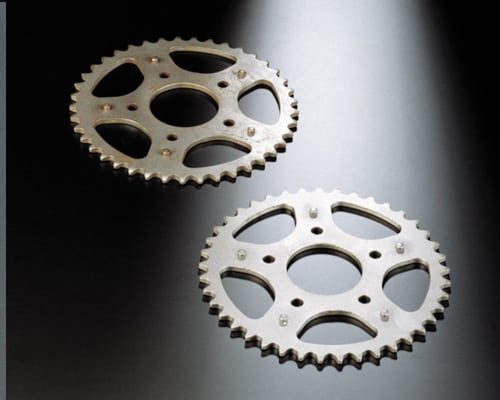
Non-directional peak levelling versus directional grinding
Grinding wheels, belts, and lathe tools cut along one fixed axis, leaving parallel ridges that catch fingernails and shear oil films. Isotropic finishing tumbles or drags parts inside loose, non-directional media so every square millimetre receives equal multi-angle contact. Instead of digging deeper valleys, the process knocks down only the sharp microscopic peaks.
Why super finishing extends gear and bearing life
When mating gears, camshaft lobes, or hydraulic valve spools run against each other, high surface peaks carry all the initial load until they scuff or fatigue. A super finishing pass creates a broad, flat plateau between shallow oil-retaining valleys, reducing friction heat and running noise. Smooth plateaus hold lubricant films cleanly without altering gear tooth profile or dimensional fit.
Why cloth buffing wheels cannot deliver isotropic texture
Spinning cloth wheels and abrasive belts always sweep along a single linear track, leaving directional streaks even at mirror brightness. Only loose-media chambers—vibratory bowls, centrifugal units, and drag finishers—deliver true non-directional uniformity across complex teeth, splines, and radii. Check our buffing stainless steel guide for why wheels stay strictly directional.
Separating mechanical super finishing from plating or coating
Isotropic finishing is a pure mechanical and chemical-assisted surface refinement of the base alloy itself—not an added layer. We do not offer plating, PVD coating, anodizing, passivation, or heat treatment; our equipment prepares bare, uniform metal surfaces prior to assembly or downstream coating by your specialist vendor.
Choosing Isotropic Finishing Equipment by Part Value and Volume
Selecting isotropic finishing equipment from our machines portfolio depends on whether parts can touch each other lightly in a bowl or must stay clamped apart on individual spindles.
| Equipment Architecture | How Media & Parts Move | Best Precision Parts | Collision Risk |
|---|---|---|---|
Vibratory Bowl / Trough (ZL & L Series) |
Spiral or linear vibration in polyurethane-lined chamber | Stamped plates, small gears, valve bodies, hardware batches | Low when media cushion is generous |
| High-Speed Drag Finisher | Parts clamped on rotating spindles dragged through media tub | Precision gears, turbine blades, medical implants, heavy shafts | Zero — parts never touch each other |
Centrifugal Disc / Barrel (LLF / LX) |
High-G rotation inside sealed drum or spinning disc | Compact high-precision pins, watch parts, small gears | Very low with controlled batch weight |
| Rotary Barrel Tumbler | Smooth cascading slide inside octagonal or double drum | Tough fasteners, bearings, small forged hardware | Minimal impact; quiet cascading pressure |
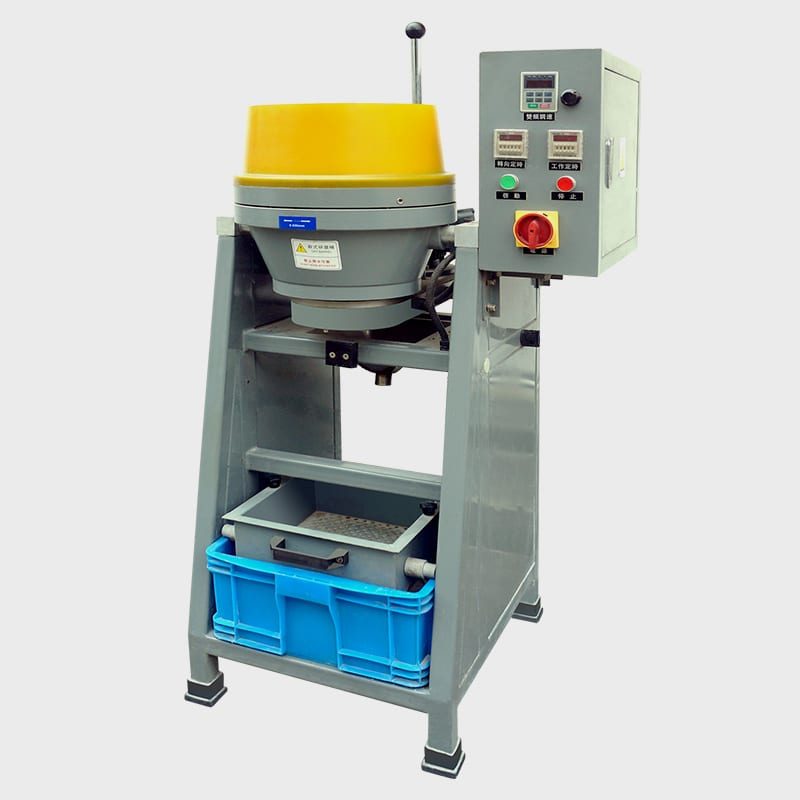
High-speed drag finishers for zero-collision gears and shafts
Heavy hardened gears, aerospace brackets, and precision crankshafts cannot risk a single nick against a neighbouring part. A high-speed drag finishing machine mounts each component on a rotating spindle and sweeps it through a stationary tub of high-density media. Because every spindle rotates on its own axis while orbiting the tub, media flows evenly across both leading and trailing gear flanks without leaving shadow zones. Drag finishing delivers rapid, repeatable super finishing pressure with zero part-on-part contact.
Vibratory bowls and troughs for batch hardware
For medium-value precision components—such as hydraulic valve sleeves, helical springs, electrical contacts, and stamped brackets—a vibratory finishing machine (ZL series) processes dozens or hundreds of parts simultaneously. Long shafts and bars fit cleanly inside rectangular troughs (L1300, L1500, L1800) fitted with dividers so heavy steel bars never collide during long runs. Built-in separation screens unload finished batches cleanly without hand sorting.
Centrifugal barrel and disc units for compact parts
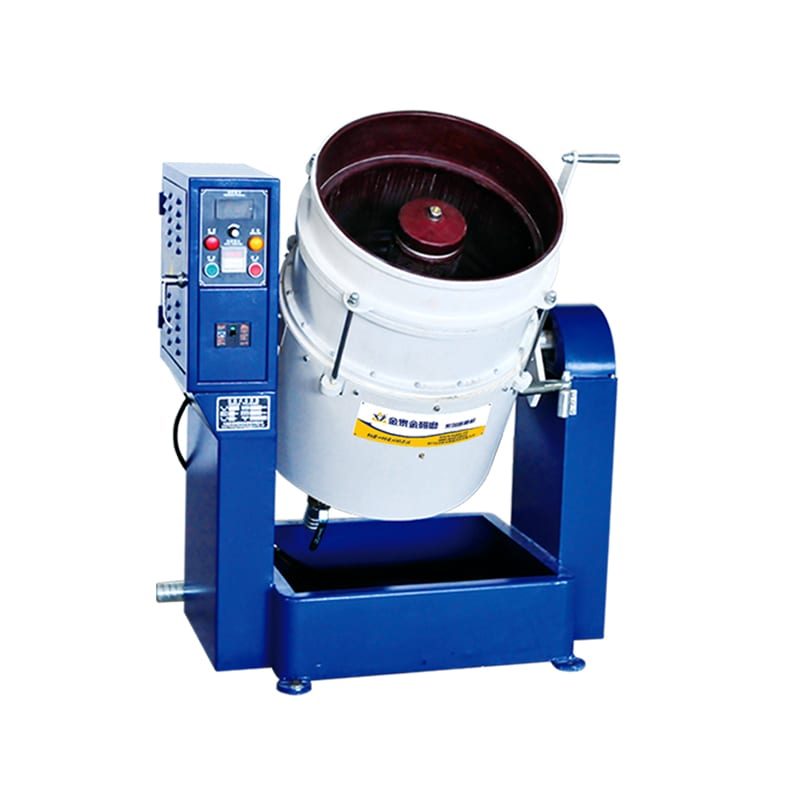
Tiny precision components lack enough individual weight to push hard against media inside a standard vibratory bowl. Centrifugal disc units (LLF120) and centrifugal barrel machines from our barrel finishing machines line multiply effective media pressure inside compact chambers. Centrifugal force compresses super finishing cycle times on small, tight-tolerance batches.
Rotary barrels for quiet, uniform edge blending
When tough steel fasteners or bearing cages need smooth, stress-free edge blending alongside uniform surface smoothing, slow rotary drums provide gentle cascading pressure without high-frequency vibration. Rotary barrels hold tight dimensional repeatability across long finishing shifts.
Precision Applications: Gears, Shafts, Valves, and Hardware
Different precision industries adopt isotropic finishing equipment for completely different failure modes. Matching your part family to the right chamber and media prevents over-processing critical tolerances.
| Component Family | Typical Incoming State | Recommended Chamber | Key Inspection Focus |
|---|---|---|---|
| Transmission & Planetary Gears | Hobbed, ground, or heat-treated teeth | High-speed drag finisher | Tooth flank uniformity and sharp root transition |
| Camshafts, Spindles & Drive Shafts | Turned or cylindrically ground journals | Long rectangular trough (L series) or drag unit |
Zero journal nicking and even bearing plateau |
| Hydraulic Valves & Pump Spools | Precision-turned stainless or alloy steel | Vibratory bowl (ZL) or centrifugal disc (LLF) |
Burr-free metering lands and clean internal ports |
| Stamped Springs & Bearing Cages | Stamped, heat-treated, or wire-formed | Vibratory bowl or rotary barrel | Stress-free edge radiusing without part tangling |
Transmission gears, pinions, and spline shafts
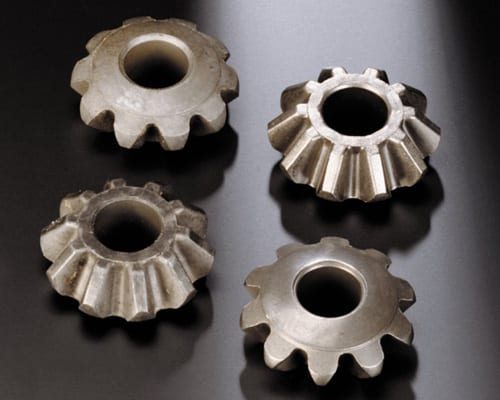
Gear teeth experience sliding and rolling contact under high torque, where grinding ridges tear through thin oil films and trigger premature pitting. Running hardened gears on drag-finishing spindles with high-alumina media smooths both flanks uniformly while leaving the involute tooth profile intact. Uniform isotropic finishing lowers gear mesh noise and running temperature without manual tooth-by-tooth polishing.
Hydraulic valve spools and fluid-control sleeves
Hydraulic spools and metering valves rely on crisp land edges and smooth outer diameters to hold pressure without sticking inside bores. Aggressive ceramic cutting rounds metering edges too fast, whereas gentle non-abrasive burnishing with compound-JTJ50 or compound-JTJ60 refines sliding surfaces cleanly. Keeping edge radiusing controlled preserves hydraulic response accuracy.
Helical springs, bearing cages, and wear rings
Coiled springs and stamped bearing retainers suffer from micro-cracks and sharp stamping burrs that initiate fatigue failure under cyclic flexing. Gentle super finishing inside a polyurethane-lined vibratory bowl removes directional surface stress risers evenly across every coil and pocket. Smooth, stress-free edges extend fatigue life on dynamic spring hardware.
Medical bone nails, surgical pins, and precision hardware
Orthopaedic bone nails, gamma nails, and precision stainless surgical hardware require clean, uniform, burr-free surfaces before final inspection and downstream cleaning. Depending on part size and collision sensitivity, shops use hang-rack dry/wet barrels, drag finishers, or clean vibratory bowls dedicated exclusively to stainless hardware. Strict media separation prevents carbon-iron contamination on medical-grade stainless batches.
How Isotropic Finishing Chemicals and Media Work Together
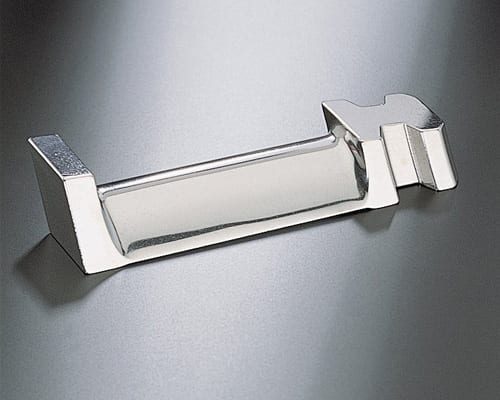
Unlike aggressive cutting cycles that grind away bulk metal, isotropic finishing pairs non-abrasive or ultra-fine media with active isotropic finishing chemicals to soften and wipe away microscopic surface peaks.
Chemically accelerated peak-levelling explained simply
In a chemically assisted super finishing cycle, active liquid compound reacts gently with the exposed iron or alloy peaks to form a thin, soft conversion film on the metal surface. As high-density media slides across the part, it wipes that soft film off the high peaks while leaving the recessed valleys untouched. Once the peak is wiped bare, fresh compound immediately reforms the soft film only on the remaining high spots until the entire surface reaches a flat plateau. Each pass levels the peaks smoother without cutting into bulk tolerances.
High-alumina ceramic media for non-abrasive smoothing
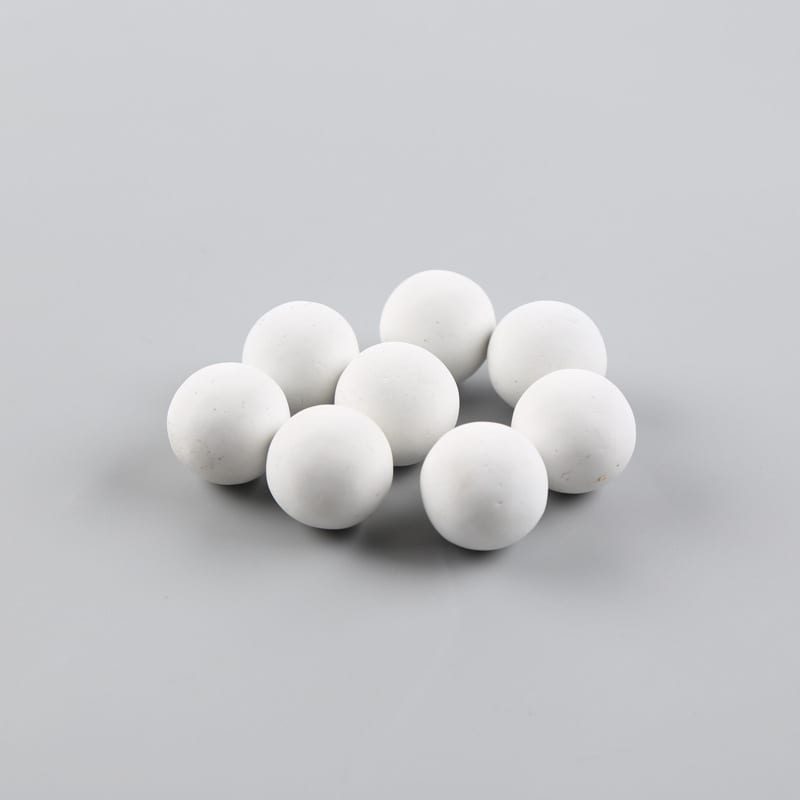
Standard rough ceramic triangles contain coarse cutting grit that scratches precision surfaces. For isotropic finishing, shops switch to smooth, dense high-alumina ceramic spheres or cylinders from our grinding media range. High-alumina balls carry enough mass to rub peaks flat cleanly while generating virtually zero abrasive wear dust. Smooth non-abrasive media preserves sharp gear profiles while polishing flanks bright.

Resin-bonded plastic media for non-ferrous precision parts
Aluminium housings, brass valve bodies, and soft copper alloys dent under heavy high-alumina balls if run too aggressively. Resin-bonded plastic cones and pyramids cushion soft alloys while smoothing CNC step marks cleanly. Check our aluminum finishes and copper alloy finishing guides for keeping soft metals bruise-free.
Verified Jings Polish compounds for precision stages
Running plain tap water ruins both surface brightness and corrosion protection. Match our verified liquid compounds to each stage of precision finishing:
compound-LC10&compound-MC8: Pre-stage deburring and oxide/rust scale cleanup before precision smoothing.compound-JTJ20&compound-JTJ25: Coarse cutting support for stainless steel and general metal prep.compound-JTJ50&compound-JTJ60: Stainless brightening and fine metal polishing during isotropic finishing stages.compound-JTS5&compound-HM3: Thin-sheet precision finishing and final brightening support.
We supply liquid compounds for wet media systems and select pastes for dry tumbling, while never designing custom chemical cleaning formulas.
Step-by-Step Super Finishing Workflow in Production
Getting repeatable super finishing results requires clean upstream parts, disciplined stage separation, and rapid drying at the exit.
| Stage | Process Objective | Media & Equipment Choice | Operator Inspection Gate |
|---|---|---|---|
| 1. Upstream Prep & Degrease | Strip cutting oil, burrs, and deep tool marks | Clean wash + ceramic/plastic cut-down if burrs exist | Zero heavy milling steps or oil slicks on metal |
| 2. Isotropic Peak Levelling | Wipe away directional ridges uniformly | High-alumina media + liquid compound in drag/vibratory unit | Uniform matte-bright surface with zero directional lines |
| 3. Final Brightening Burnish | Lift plateau lustre across flanks and radii | Fine burnishing media + JTJ50 / JTJ60 / HM3 |
Even non-directional reflection under angled light |
| 4. Clean Rinse & Spin Dry | Neutralize chemistry and stop flash rust | Clean rinse + heat centrifugal spin dryer (35 / 70 series) |
Spot-free, dry parts ready for inspection or assembly |
[DESIGN: Four-stage precision gear finishing sequence moving from raw CNC-hobbed gear through oil-free pre-wash, isotropic drag finishing, and spin-dried mirror-plateau finish]
Removing heavy machining marks before super finishing
Isotropic finishing refines micro-roughness; it is not built to erase deep bandsaw chatter or heavy lathe grooves. If incoming parts carry rough milling steps, level them first in a dedicated cut-down stage—just as explained in grinding and sanding marks. Trying to skip rough levelling forces your precision burnishing media to run far longer than necessary, wasting chemical and risking edge rounding on sharp gear tips. Starting with consistent incoming surface quality keeps super finishing cycles predictable.
Maintaining clean media and fresh compound flow
Worn abrasive dust and metal fines trapped inside a bowl scratch precision plateaus faster than fresh media can smooth them. Use clean drain screens and periodic media washing to keep the high-alumina charge spotless, and check worn media dimensions regularly so broken fragments never lodge in oil holes. Never mix rough cutting ceramic chips into a dedicated isotropic finishing charge.
Neutralizing and rinsing immediately after chemical cycles
Any active chemical compound left on precision steel or stainless parts after unloading continues reacting unevenly, leaving dull stains or corrosion spots. Flush finished loads promptly with clean water before parts ever reach a drying rack. See our post-finishing separate wash and dry guide for proper rinse separation.
Rapid drying in heat centrifugal spin dryers
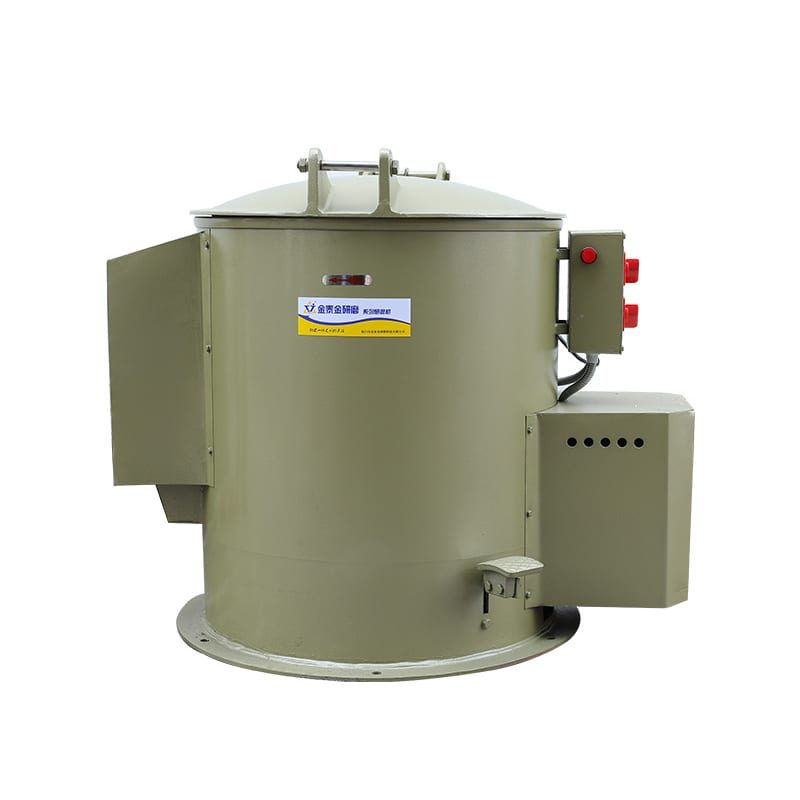
Precision gears and bearing races spot quickly if left wet in open shop air. Transfer rinsed batches straight into a heat centrifugal spin dryer (35, 35A, 70, or 70A models) so centrifugal force and warm airflow strip every drop of moisture from splines and bores. Fast spin drying locks in clean, rust-free precision surfaces.
Common Mistakes When Setting Up Isotropic Finishing
Avoid these four shop-floor traps when bringing isotropic finishing equipment onto your production floor.
[DESIGN: Troubleshooting matrix showing four super finishing errors: dented gear teeth from loose tumbling, directional streaks from cloth wheels, rusted splines from slow air drying, and rounded edges from over-tumbling]
Tumbling heavy precision gears loose in one bowl
Dropping heavy, hardened gears loose into a vibratory bowl without dividers or fixtures lets gear teeth slam into each other on every cycle. Even microscopic tooth-tip nicks ruin gear mesh noise targets. Use high-speed drag finishing spindles or compartmented troughs whenever parts carry heavy weight or critical tooth edges.
Expecting magnetic tumblers to finish carbon steel gears
While magnetic precision polishers (OBD and HBPG series) excel at cleaning internal bores on non-magnetic stainless, brass, and precious metals, plain carbon steel and alloy gear steels clamp straight to the magnet plate. Keep ferromagnetic alloy steels strictly inside drag, vibratory, centrifugal, or rotary barrel chambers.
Using spent or contaminated media charges
Running precision stainless steel parts in high-alumina balls that previously ran carbon steel transfers free iron onto the stainless surface, causing rust blooms downstream. Dedicate separate media bins per alloy family—a core rule in job shop finishing and stainless steel finishes.
Ignoring upstream heat-treat scale before super finishing
Heavy heat-treatment scale is far harder than bare alloy and slows chemical peak-levelling to a crawl. Strip heavy oxide scale first with ceramic media and compound-MC8 before moving parts into final isotropic finishing. Clean scale-free metal responds dramatically faster to super finishing.
How Xiamen Jin Tai Jin Builds Precision Finishing Systems
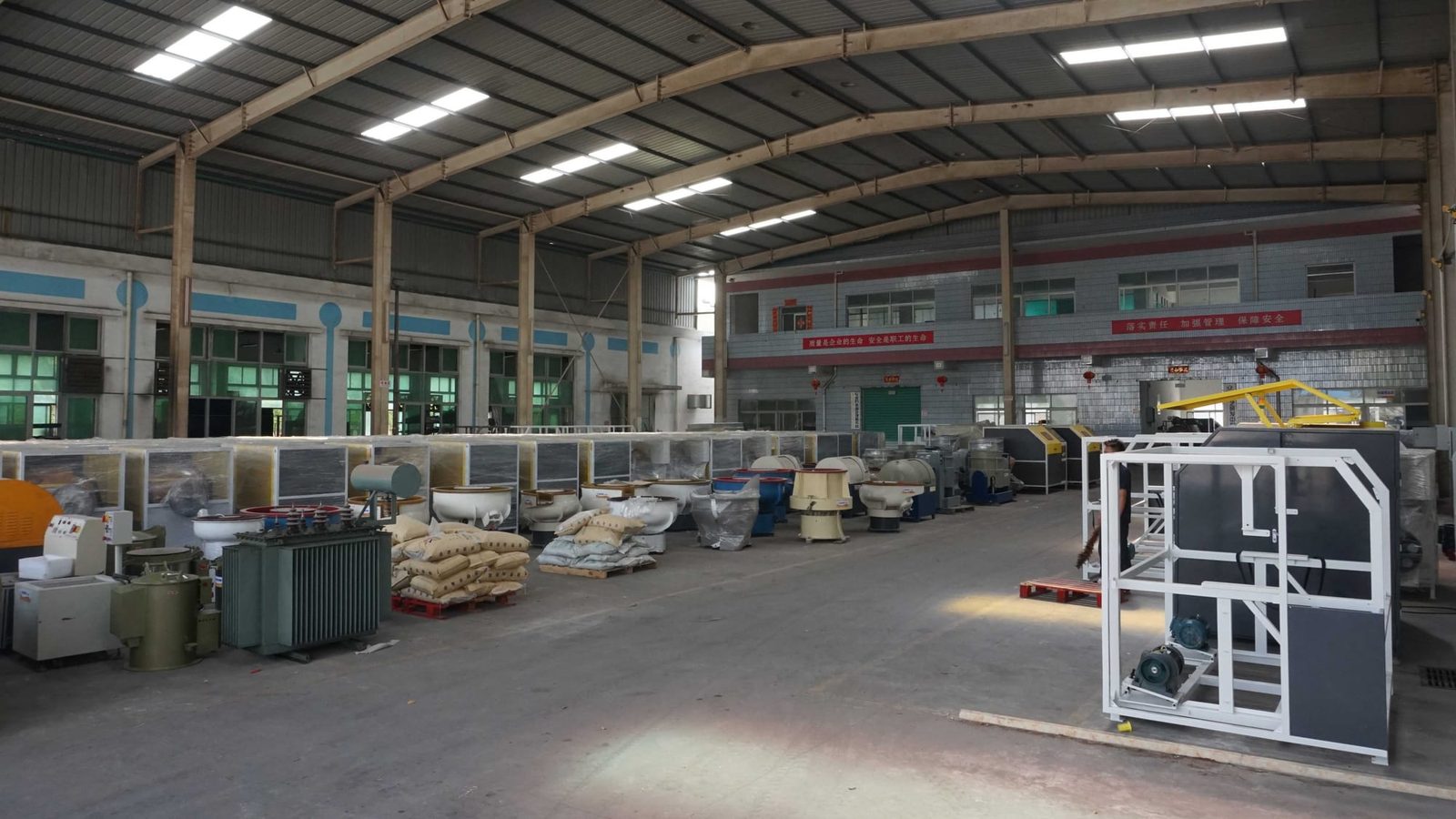
At Xiamen Jin Tai Jin Grinding Technology Co.,Ltd. (brand: Jings Polish), our workshop started in 1992 and our company was formally established in 2002, delivering over 200,000+ sets of grinding and polishing solutions to customers worldwide. Across our catalogue, we manufacture 21 machine platforms backed by 24 granted Chinese IP rights—including 1 invention patent, 17 utility model patents, and 6 design patents—under ISO 9001 certification 00726Q01571R001 (valid 2026-06-03 to 2029-06-02) and CE certifications M.2023.206.C88121 (Vertical, 8 models) and M.2023.206.C88120 (Horizontal, 13 models), valid until 2028-07-24.
Equipment, high-alumina media, and compounds we build
We manufacture high-speed drag finishing machines, circular vibratory bowls (ZL series), long rectangular vibratory troughs (L1300, L1500, L1800), centrifugal disc and barrel machines (LLF120, LX series), barrel finishing machines, heat centrifugal spin dryers (35, 35A, 70, 70A), and media cleaners. Alongside equipment, we supply high-alumina ceramic media, resin-bonded plastic cones, dry finishing media, and verified HM3, JTJ20, JTJ25, JTJ50, JTJ60, JTS5, LC10, and MC8 compounds.
Honest boundaries on what we do not offer
In accordance with our choosing a mass finishing supplier policy, we state our boundaries plainly. We do not operate a contract job shop or run paid customer parts; we do not offer plating, PVD coating, passivation, anodizing, clear-coat sealing, or heat treatment; we do not design custom chemical formulas; and we do not sell cloth buffing wheels, handheld buffers, or blasting abrasives.
Standard and custom build lead times
Standard vibratory, barrel, centrifugal, and drying equipment carries a 25 to 35 day production lead time. Custom-engineered drag-finishing fixtures, specialized troughs, and integrated multi-stage lines require 45 to 60 days.
Requesting an initial process assessment from part photos
We do not promise free mail-in sample trials or guarantee surface roughness values before inspecting your workpiece. Send clear photos of your gears, shafts, or precision parts showing machining marks, critical tolerances, alloy type, and batch size via our custom polishing solution page—our engineers can provide an initial equipment and media assessment from photos and drawings.
Frequently Asked Questions
What is the main benefit of isotropic finishing over standard grinding?
Standard grinding leaves directional ridges that break through oil films and cause wear between mating parts. Isotropic finishing levels peaks uniformly in every direction without distorting geometry, creating smooth bearing plateaus that reduce friction, running noise, and premature pitting across gears, shafts, and valve spools.
What isotropic finishing equipment should I use for heavy precision gears?
For heavy or high-value gears that cannot touch each other during processing, a high-speed drag finishing machine is the best choice. Each gear mounts on a rotating spindle and travels through stationary high-density media with zero part-on-part collision and uniform flank contact.
What role do isotropic finishing chemicals play in the cycle?
Isotropic finishing chemicals form a microscopic soft film on exposed metal peaks so smooth non-abrasive media wipes the peaks flat without cutting deep scratches into the base alloy. Once the soft film clears off the peak, fresh chemistry reforms it only on remaining high spots. Never run precision cycles in plain tap water.
Can isotropic finishing erase deep lathe chatter or heavy burrs?
No. Super finishing refines micro-texture on already-machined surfaces; it does not replace deburring or rough grinding. Remove heavy burrs, parting lines, and deep tool marks in an upstream ceramic or plastic cut-down stage before running isotropic smoothing.
How do I prevent rust on steel parts after wet super finishing?
Flush finished parts promptly with clean rinse water to neutralize active compounds, then dry them immediately inside a heat centrifugal spin dryer (35 or 70 series) before storing, oiling, or packaging for assembly.
What details should I send before asking for an isotropic finishing quote?
Send clear close-up photos of your parts, overall dimensions, alloy grade, current machining method, target finish, and daily batch volume. Our engineers can recommend the right machine architecture, media grade, and compound workflow from photos and drawings before quoting.
[DESIGN: Annotated buyer enquiry checklist showing gear/shaft photo angles, critical tolerance notes, and batch size details for isotropic finishing]
 +86-592-2381506


 IPv6 network supported
