



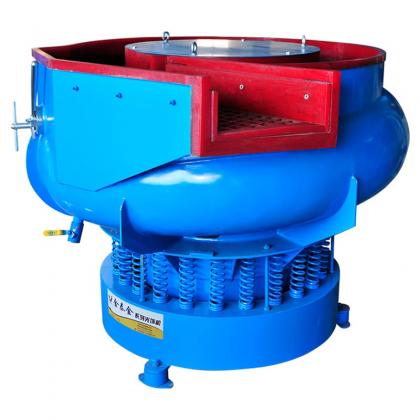
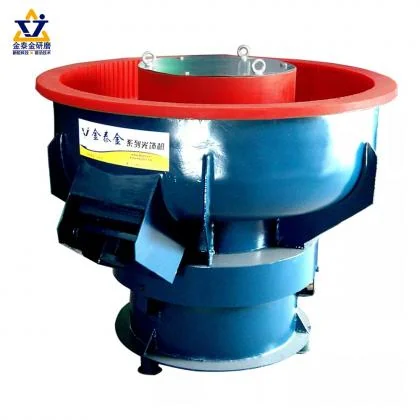
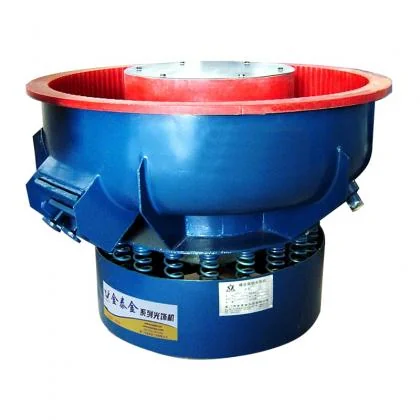


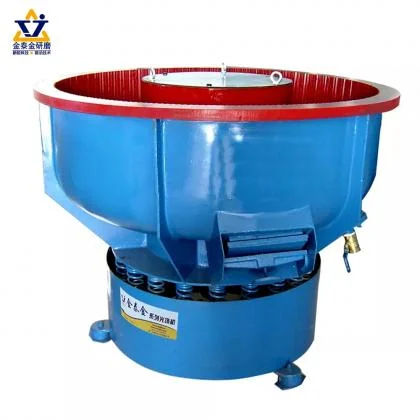
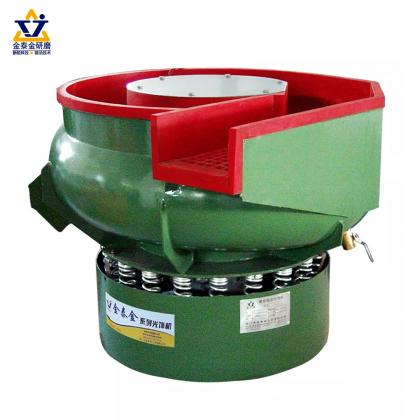
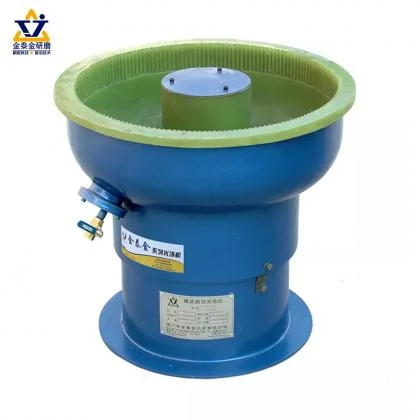
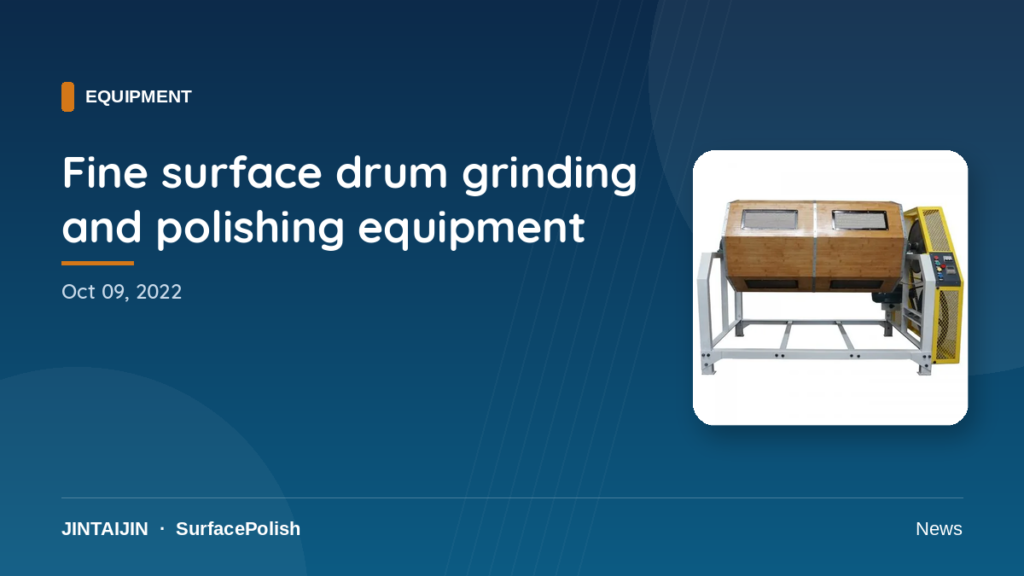
This equipment video is a visual reference for fine-surface drum grinding and polishing. It gives buyers a starting point for discussing surface objectives, access to recessed features and the checks needed to compare a trial result.

What to review while watching
- whether the target is deburring, smoothing, cleaning, roughness reduction or a visual finish
- how the drum process reaches the required faces and avoids protected features
- which media, loading and cycle-control variables should be held constant
- how representative parts will be inspected and documented
Prepare a useful inquiry
Send the material, dimensions, approximate weight, quantity, current surface condition, target appearance and protected features. Add clear photographs and a drawing when available. If a trial is appropriate, agree the representative parts and inspection method before shipment.
Evidence boundary
A visual demonstration cannot confirm a measured roughness value, dimensional change, cycle time or production repeatability. Those items need a defined workpiece trial and evidence from the agreed inspection method.
Discuss your workpiece
| Part condition | Suggested starting point | Reason |
|---|---|---|
| Rough surface from machining | Coarser stage first, then finer grades | A fine stage cannot remove machining marks on its own |
| Fine surface wanted quickly | Drum action works the surface directly | Suits flat and simple shapes better than complex ones |
| Detail that must be preserved | Media sized below the smallest feature | The action reaches edges before flat surfaces |
| Long or heavy part | Confirm the part fits and can move | Drum equipment suits parts within its working envelope |
| Consistent finish across a run | Keep load and media charge stable | Variation usually comes from loading, not the machine |
| Wet or dry operation | Decides compound and media choice | The two routes are not interchangeable |
Directions to test on a representative sample, not validated results for a specific component.
How a drum achieves a fine surface
A drum process produces a fine surface by working the part gently and repeatedly rather than by cutting aggressively once. As the drum rotates, the load turns over, and the media contacts the part across a broad area at low pressure. That broad, low-pressure contact is what produces an even finish, and it is also why the process takes longer than a vibrating chamber for the same amount of material removal.
The fineness of the result is set by the media grade, not by the machine. A drum running a coarse media will leave a coarse surface, however long it runs, because the abrasive particle size sets the depth of the pattern the media leaves. Getting to a fine surface therefore means stepping down through grades, with each stage removing the pattern left by the previous one.
Where the process works best, and where it does not
Drum equipment suits simple, robust shapes: flat parts, cylindrical parts and components without deep recesses or fragile edges. It is less effective where a feature is smaller than the media, because the media simply cannot enter it, and where the shape is complex enough that parts do not tumble evenly.
It is also the wrong route when the constraint is throughput. A drum gives a gentle action at the cost of cycle time, so it is chosen where the part must not be damaged and where the finish is the priority. Where both speed and a fine surface are needed, the usual approach is an energetic cutting stage followed by a gentler finishing stage, each doing the job it is suited to.
 +86-592-2381506


 IPv6 network supported
