


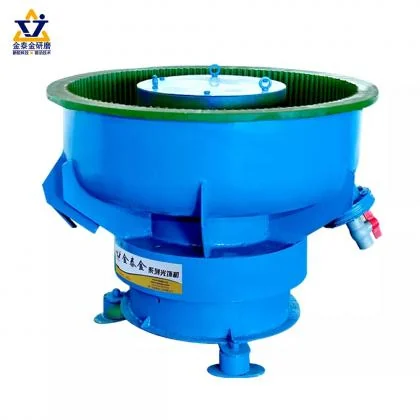
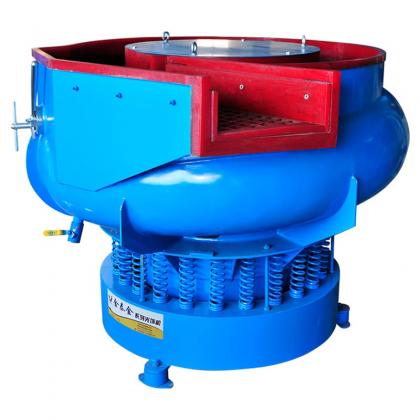
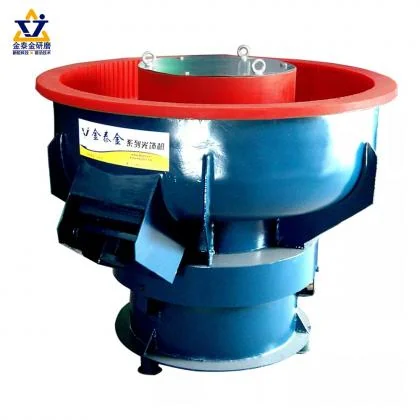
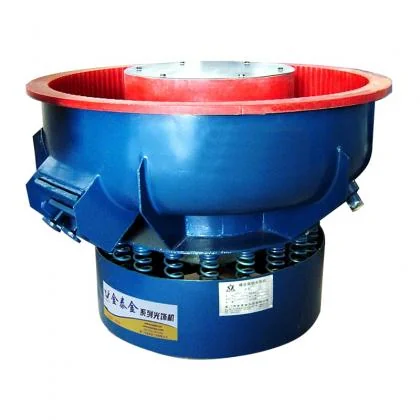
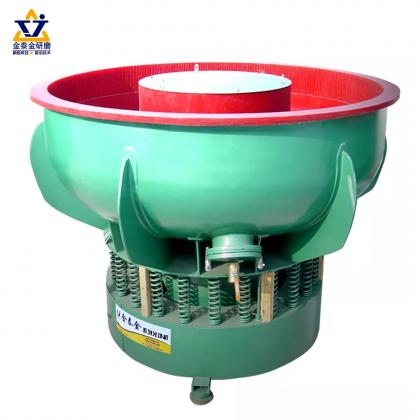

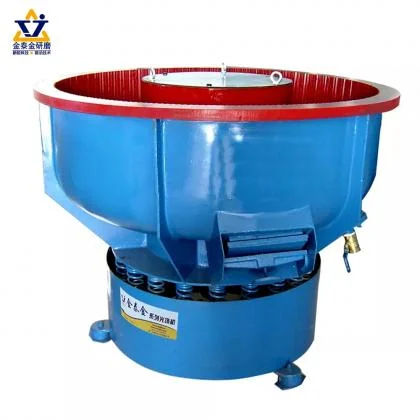
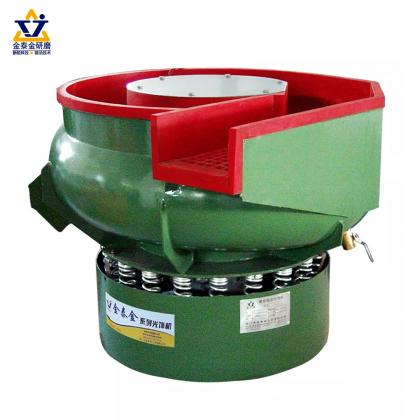
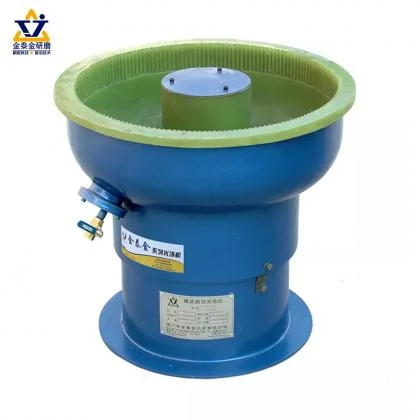

This wooden drum equipment video is a visual reference for a barrel-finishing conversation. It helps a buyer identify the equipment direction, then compare it against part geometry, surface objectives and downstream cleaning requirements.

What to review while watching
- which part sizes and shapes can move without nesting or impact concerns
- how the barrel, media and loading pattern affect contact access
- which edges, threads, holes or sealing faces must remain protected
- what the sample record should include before a process route is selected
Prepare a useful inquiry
Send the material, dimensions, approximate weight, quantity, current surface condition, target appearance and protected features. Add clear photographs and a drawing when available. If a trial is appropriate, agree the representative parts and inspection method before shipment.
Evidence boundary
The video does not prove suitability for every part family or guarantee a particular appearance. Equipment selection should follow a representative sample and an agreed acceptance note.
Discuss your workpiece
| Use case | Suggested direction | Reason |
|---|---|---|
| Softer action on delicate parts | Drum process at lower energy | Gentler than high-energy or centrifugal processes |
| Dry finishing of wood or plastics | Dry media with light compound | Avoids moisture-related swelling and grain raising |
| Mixed small parts | Similar sizes and materials run together | Prevents small parts shielding larger ones |
| Long cycle for a gentle finish | Lower energy over a longer time | Suits parts that must not be marked |
| Dust control | Extraction as part of the process | Dry media generates dust from media and part |
| Repeatable outcome | Record media, compound, cycle and load | Small changes shift the result on soft materials |
Directions to test on a representative sample, not validated results for a specific component.
What a wooden drum process is suited to
A drum process turns the load over as the drum rotates, which produces a gentler action than a vibrating chamber or a high-energy centrifugal machine. That gentleness is the reason to choose it: parts that would be marked or deformed by impact do better in a rotating drum, and so do parts where the finish requirement matters more than the removal rate.
The trade-off is time. Because the action is gentler, the cycle is usually longer for the same amount of work. A drum is therefore a poor choice when the constraint is throughput, and a good choice when the constraint is that the part must not be damaged.
Drum equipment is also commonly used with dry media. Walnut shell and corn cob work well in a rotating drum, which suits wood, some plastics and delicate metal components — materials where introducing water causes swelling, grain raising or corrosion.
What to manage in a drum process
The first thing to manage is loading. A drum that is loaded too full cannot turn the charge over properly, and the parts at the centre never get the same contact as those near the wall. A drum that is loaded too lightly wastes capacity and can let parts fall rather than slide. The usable range is narrower than on a vibratory machine, which is why the load should be established by observing the charge in motion.
The second is media condition. Dry media breaks down with use and loads with fines, so its action falls off gradually rather than failing at once. This appears as a cycle that no longer reaches the surface it used to, and it is easy to attribute to the wrong cause. Checking media at a regular interval, and topping up, keeps the process stable.
The third is dust. Dry drum processes generate dust from both the media and the part, so extraction and housekeeping are part of the process rather than an afterthought. A dusty working area also means the media charge is being consumed faster than it needs to be.
 +86-592-2381506


 IPv6 network supported
