Build a batch cost from your recorded time and expenses, then divide it by the parts that meet the stated acceptance rule. This worksheet exposes the difference between cost per processed part and cost per accepted part. It uses no assumed Jintaijin cycle time, electricity tariff, scrap allowance or selling margin.
Enter your recorded values, then calculate.
Jintaijin’s quotation guide asks buyers to compare the complete finishing scope and acceptance conditions. This tool applies that distinction to a recorded batch: the denominator is the accepted count, rather than all pieces entering the machine. Record the part and drawing revision alongside the count.
Machine time here is the time assigned to the batch by your accounting method. Labor time is the total person-minutes spent, including the activities you choose to charge. Two people working for 15 minutes contribute 30 person-minutes. Do not substitute 15 minutes unless your hourly rate already represents both people. Overlapping tasks do not reduce the combined person-time.
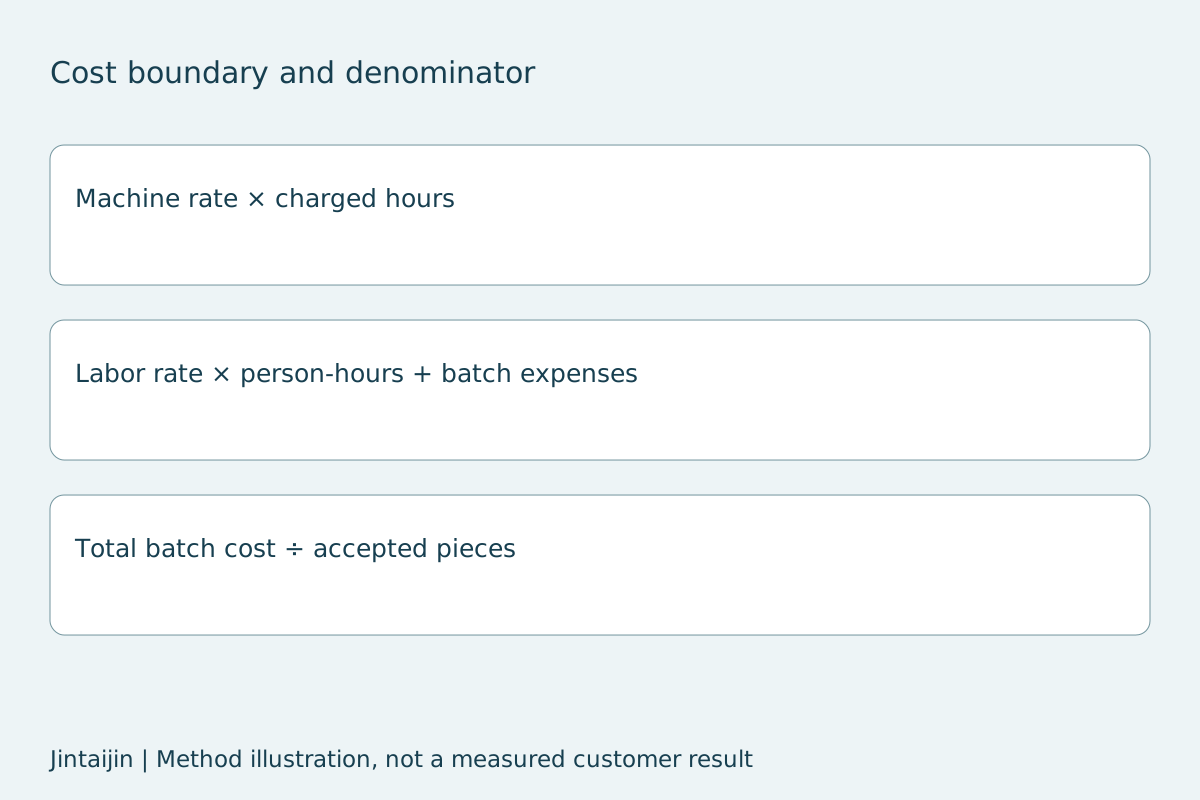
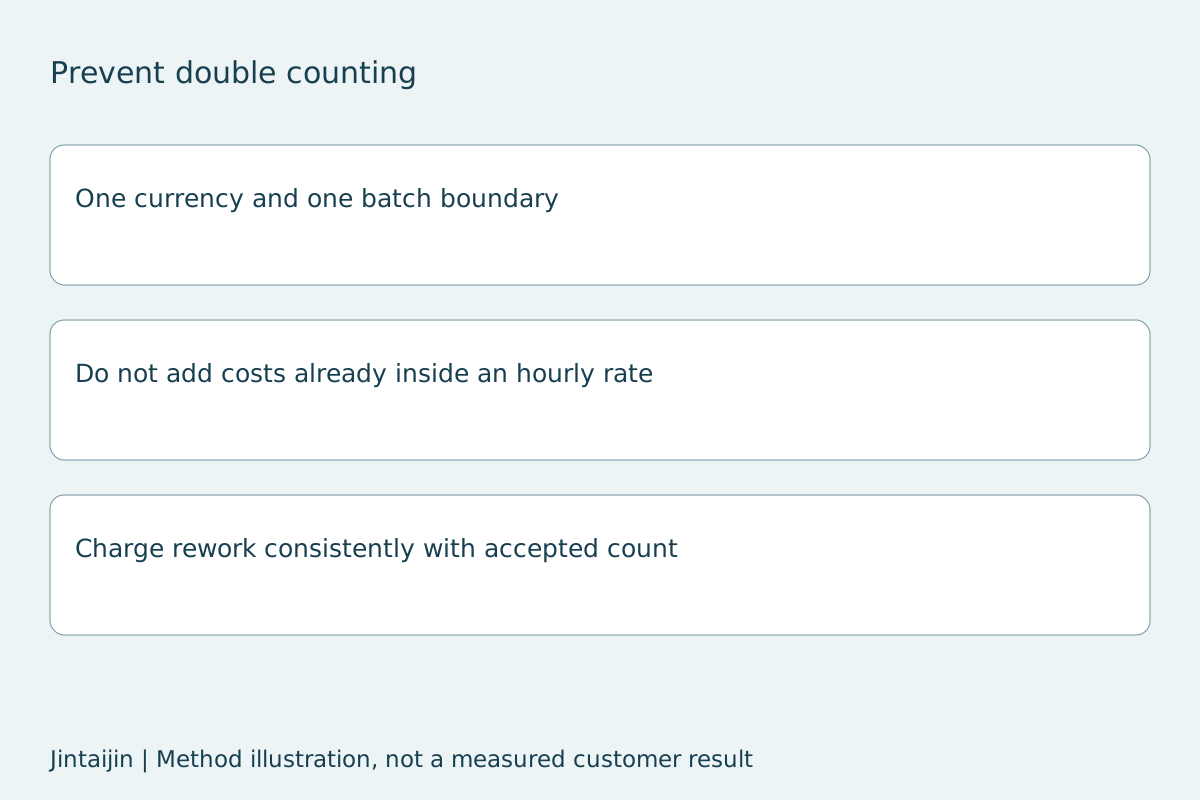
Machine cost equals the machine rate multiplied by charged minutes divided by 60. Labor cost uses the same conversion with person-minutes. Add consumables and other batch costs once. If the machine rate already includes electricity, depreciation or maintenance, do not add those amounts again under other expenses. Convert currency outside the worksheet; the tool performs no exchange conversion.
Enter a positive accepted count that cannot exceed processed count. A batch with no accepted parts has no finite cost per accepted part and is rejected by the calculator. If parts are reworked, assign the rework cost and accepted count to the same accounting boundary. Exclude neither the cost of failed trials nor a required inspection step simply because it happened outside the finishing machine.
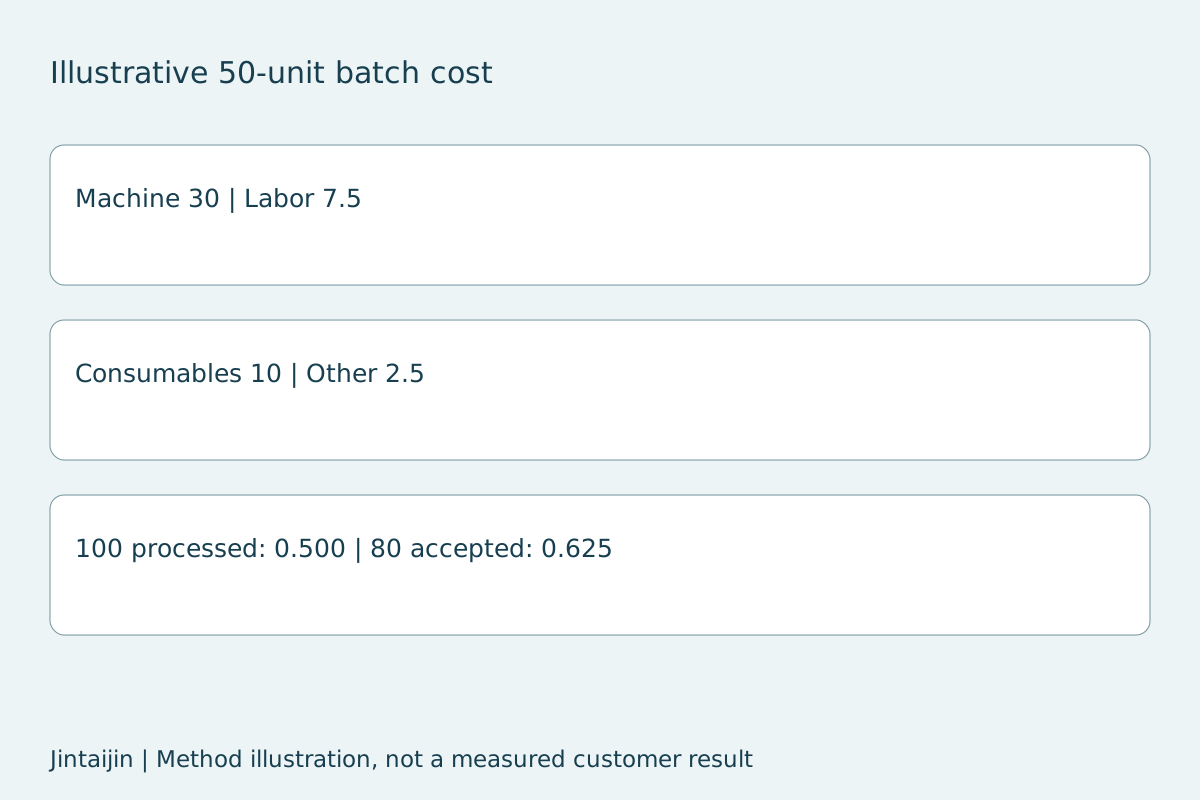
An illustrative batch has 30 machine-cost units, 7.5 labor-cost units, 10 consumable units and 2.5 other units. Its total is 50. With 100 processed and 80 accepted pieces, the two unit costs are 0.500 and 0.625. These numbers test the method; they are not a Jintaijin price, forecast or observed production result.
Open the enquiry form with this tool reference. Calculations stay in this page and do not send an enquiry.
Context source checked 3 October 2026: Jintaijin technical guidance. The displayed method uses your inputs; no processing outcome is predicted.
Email : info@surface-polish.com


 IPv6 network supported


 +86-592-2381506