Model three measured batch stages: finishing, separation and drying. Compare a serial route with separate stations that can overlap different batches. The tool separates first-batch latency from steady release interval, so the slowest station is visible without turning a finishing cycle into a production guarantee.
Enter your recorded values, then calculate.
Jintaijin’s equipment selection guidance includes separation and drying in the production route. Record the time each station remains unavailable to the next batch, including the assigned transfer or handling time. Use equal batch sizes throughout this worksheet. If a dryer holds several batches or accepts a continuous stream, convert its validated behavior to an equivalent batch occupancy before using this model.
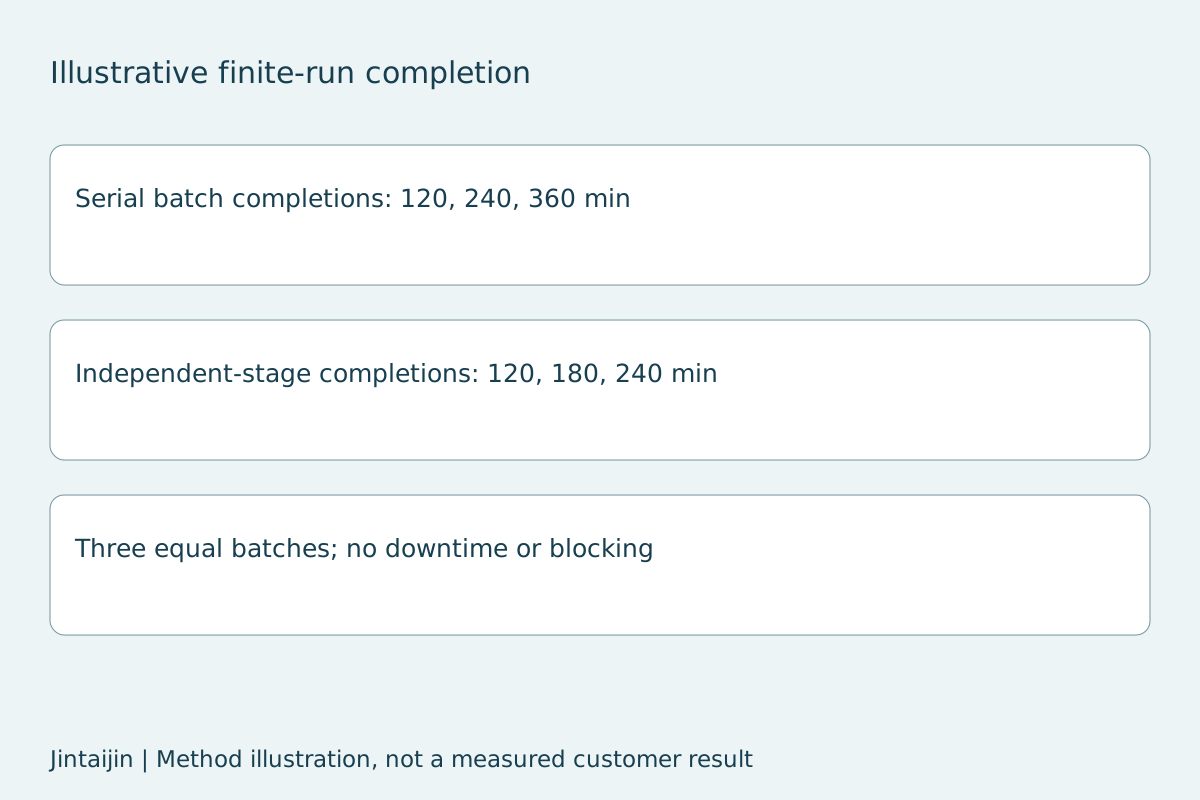
With no overlap, one batch requires finishing plus separation plus drying time. A run of N identical batches requires N times that total. This is the applicable calculation when one resource forces the stages to occur sequentially or when the next batch cannot start until the previous batch completes the whole route.
With three independent, immediately available stations and enough intermediate buffer capacity, the first batch still traverses all three stages. Later completed batches are separated by the largest station time. The run therefore takes the sum of stage times plus N minus one times the largest time. Equal maximum times produce a tied bottleneck rather than a single station label.
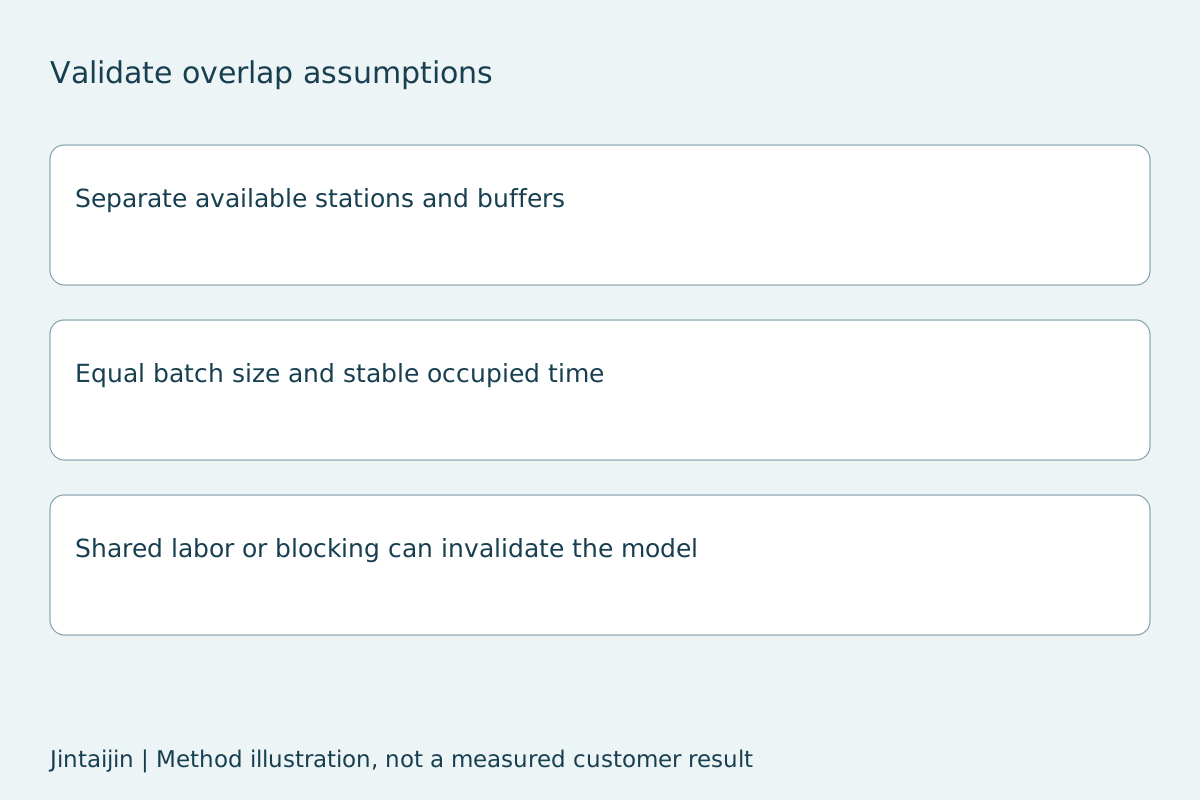
The overlap model assumes one station for each stage, identical batches, no breakdowns, no changeovers, no starvation and enough space for waiting batches. A shared operator, blocked receiving container or waiting quality decision may break those assumptions. Include such constraints in the measured occupancy or use a fuller scheduling analysis; the calculated rate is an ideal model, not a verified shift output.
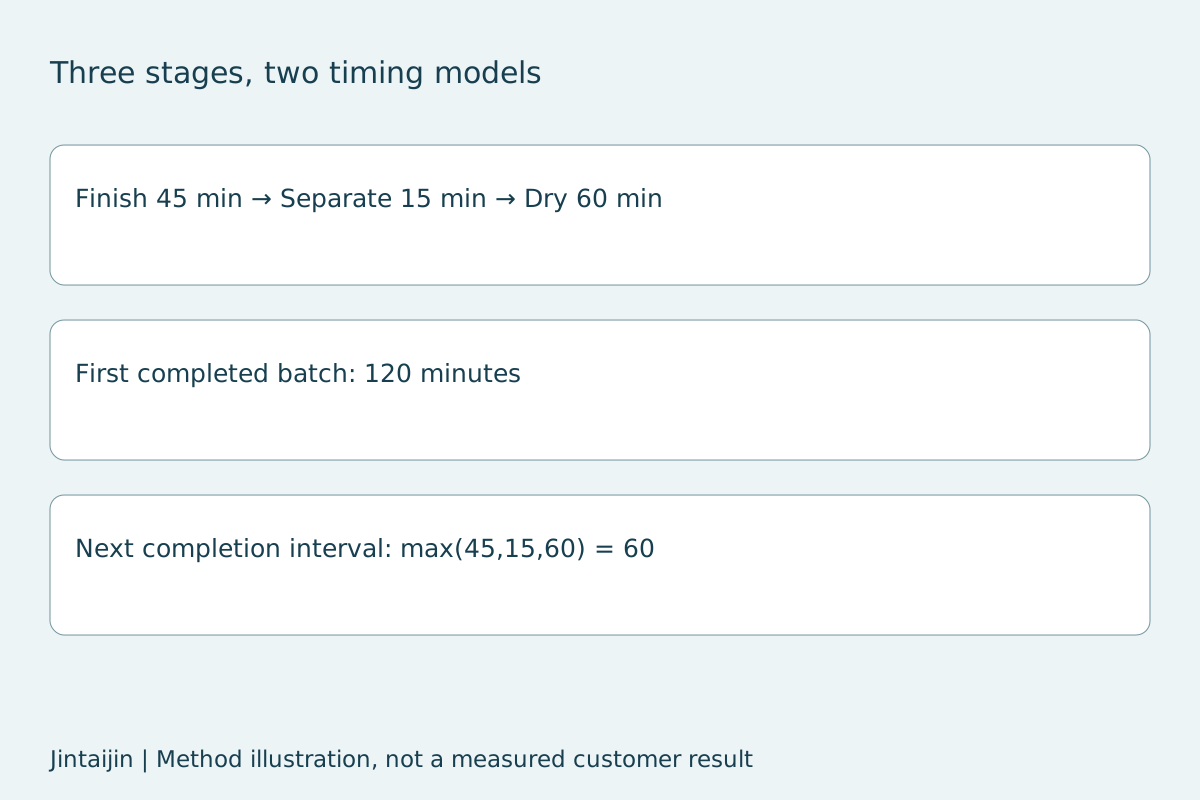
For 100-piece batches and occupancies of 45, 15 and 60 minutes, drying is the limiting stage. First completion takes 120 minutes; subsequent completions occur every 60 minutes. Three batches take 240 minutes with the stated overlap assumptions, compared with 360 minutes serially. No acceptance loss is included in either processed-part figure.
Open the enquiry form with this tool reference. Calculations stay in this page and do not send an enquiry.
Context source checked 3 October 2026: Jintaijin technical guidance. The displayed method uses your inputs; no processing outcome is predicted.
Email : info@surface-polish.com


 IPv6 network supported


 +86-592-2381506