



The source record names springs, transmission components, chain, axle, clutch and bearing parts, as well as motor-block deburring and finishing of high-performance transmission components. It states that the solution should follow the customers specific requirements. This page expands that principle into a practical intake and evaluation path.
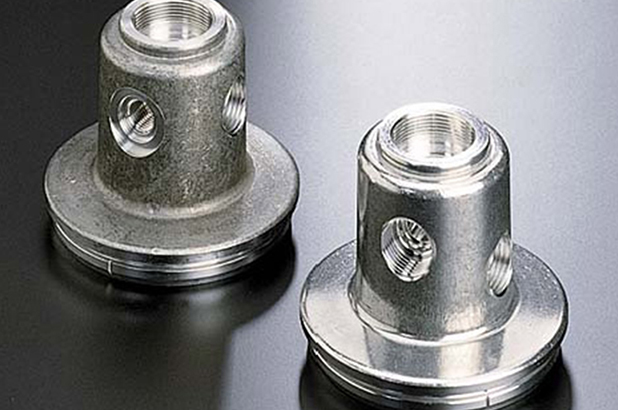
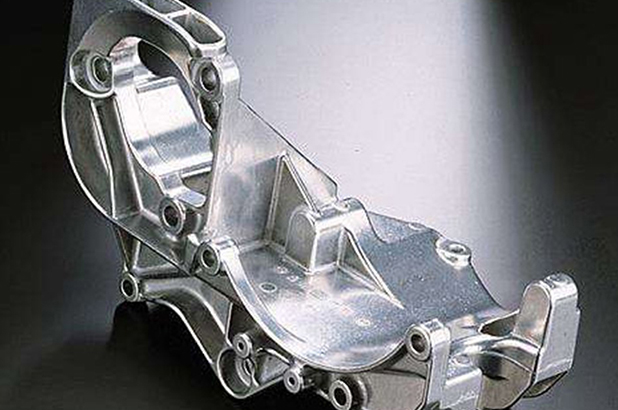
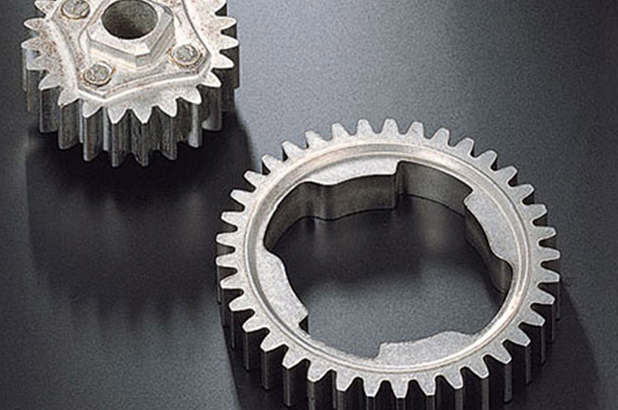
Start with the component and incoming condition
Automotive parts can have different risks even when they come from the same assembly. Springs may need careful edge and contact control. Gear cases and gears may include bores, teeth or fits that must be protected. Axles, chains, clutches and bearings can require different access, cleanliness and inspection points. Send photos, drawings and material information before choosing a machine direction.
Define the finish objective
Separate deburring, edge smoothing, cleaning, surface smoothing and cosmetic improvement. Explain which areas are functional, which are cosmetic and which must not change. Include the incoming defect, the target condition and the inspection method. A visual improvement alone does not prove that a fit, sealing face or bearing interface remains acceptable.
Screen equipment and media
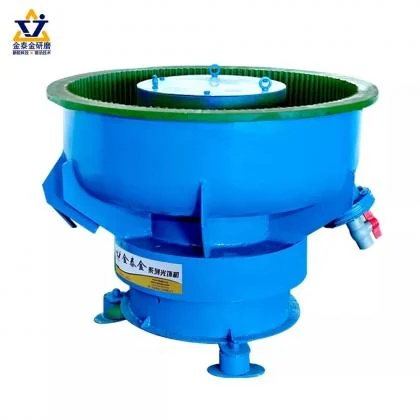
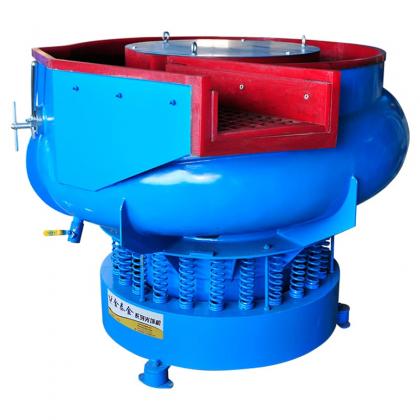
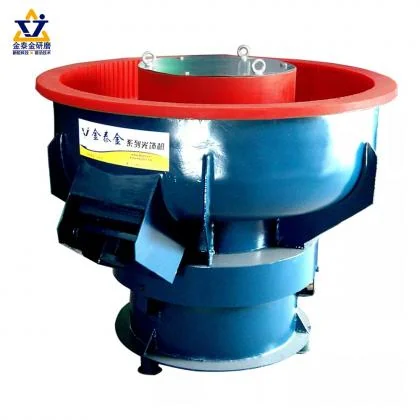
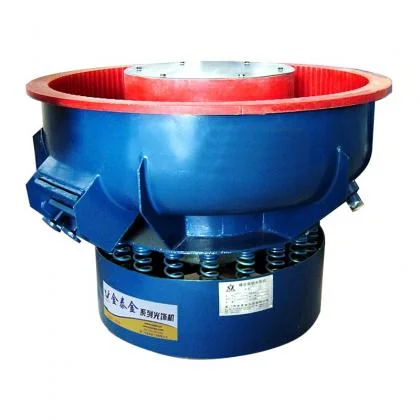
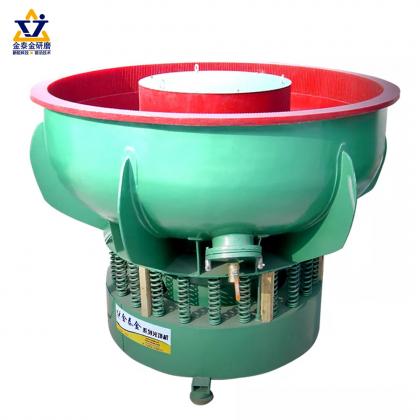
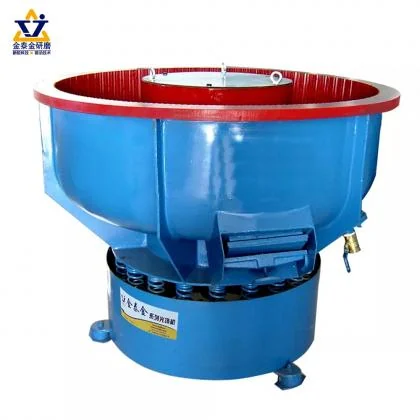
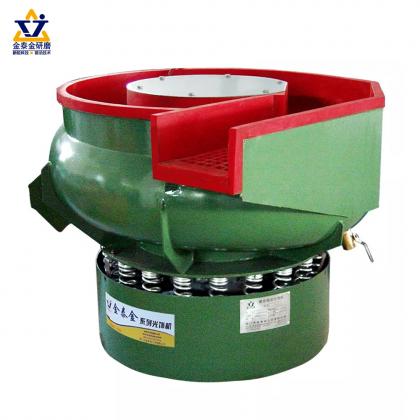
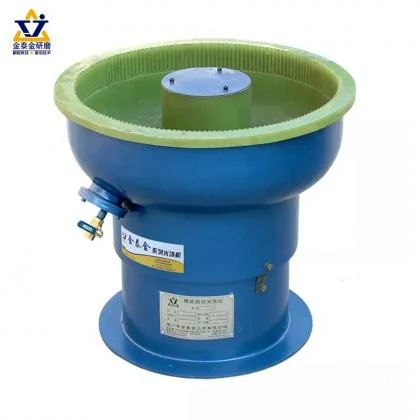
Vibratory, barrel, disc, magnetic, grinding and dry-finishing routes can be considered according to part geometry, contact sensitivity, batch handling and downstream cleaning. Media and compounds must be screened with the machine. Part separation, nesting, residue and access to bores or teeth should be part of the trial record.
Use representative evidence
The source archive preserves three automotive application images. They are source images for the named component families, not customer proof or measured before-and-after evidence. A controlled evaluation should use representative parts, marked critical features, short inspection intervals and an agreed acceptance record.
What to send
- Part material, drawing, dimensions and weight
- Photos of defects and protected interfaces
- Target finish and dimensional limits
- Quantity, downstream cleaning and inspection method
Next step
The team can help define the next process question after reviewing the component details.
Discuss your workpiece
Send the workpiece information needed for a practical review.
 +86-592-2381506


 IPv6 network supported