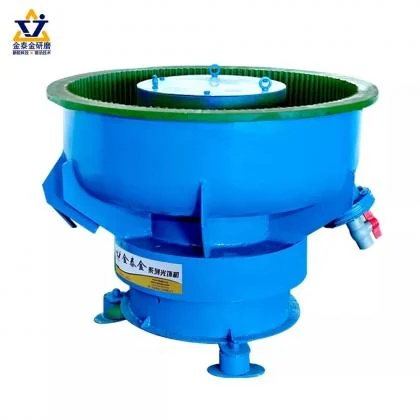
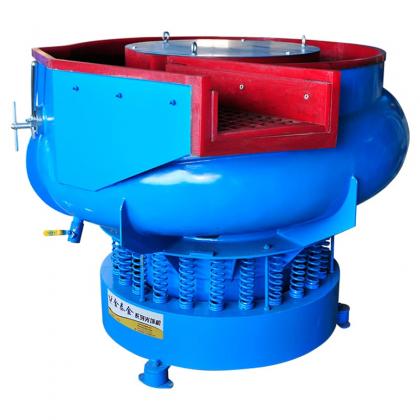
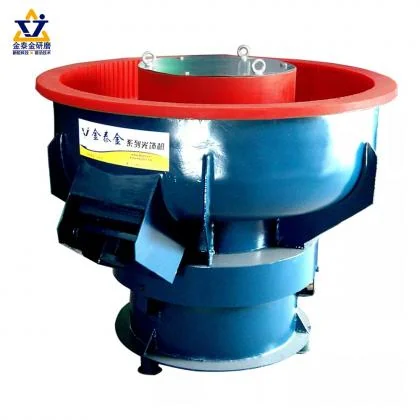
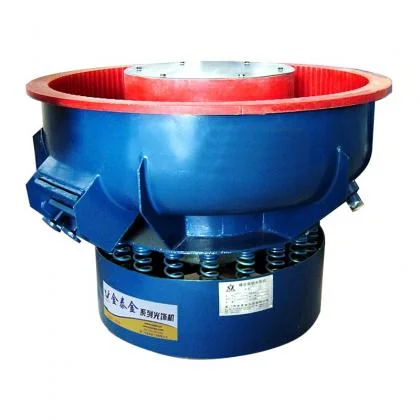
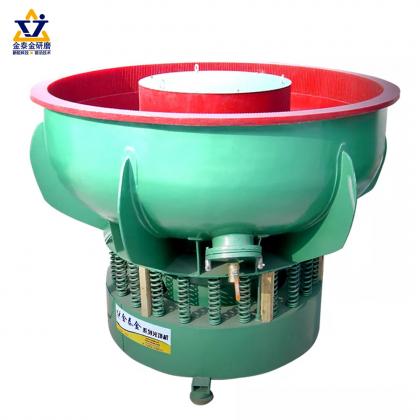

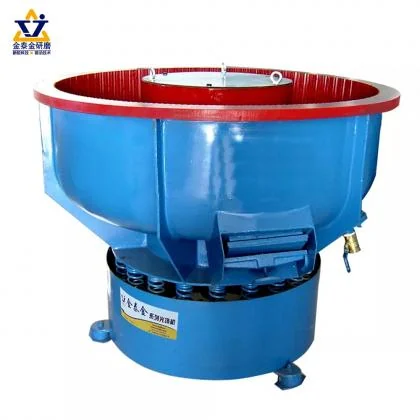
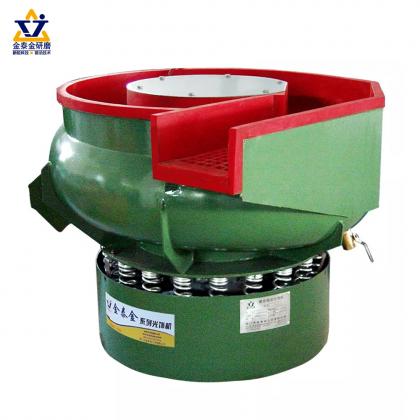
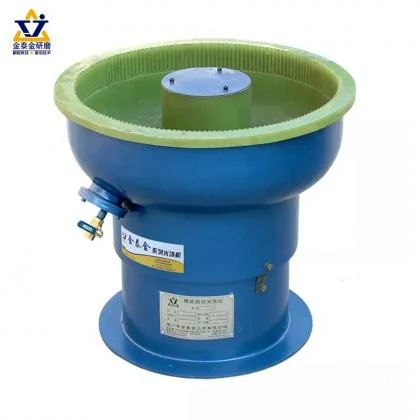
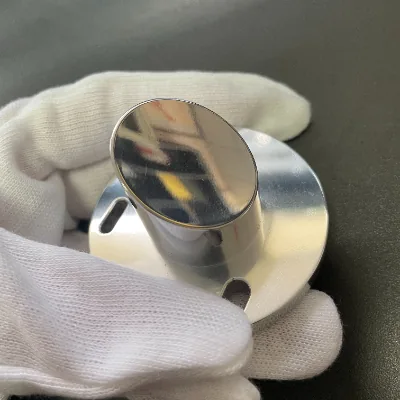
Machinery and equipment manufacturing often combines different part sizes, materials and finishing objectives. A useful surface-finishing route starts by separating the workpiece problems instead of selecting one machine category for every component.


Map the production problem
List the part families that need attention, from small bulk components such as screws, nails or springs to larger or more delicate parts. For each family, record material, dimensions, weight, incoming burrs or residue, target finish and the surfaces that must remain protected. The same equipment direction may not suit all geometries, and a shared process can create nesting, access or separation problems.
Compare the process directions
Vibratory, barrel, centrifugal, disc, magnetic, grinding, washing and dry-finishing routes each create different movement, contact and cleaning conditions. The selection should consider media access, part-on-part contact, loading, separation, liquid or dust handling and the downstream operation. A machine photograph or catalogue title cannot decide those points without a workpiece description.
- Define cleaning, deburring, smoothing and brightening separately
- Mark holes, threads, fits, edges and cosmetic faces
- Check whether parts can nest or trap media
- Include coating, assembly and cleanliness constraints
Use evidence from a representative trial
Choose samples that represent the production range, including the most difficult geometry and the most sensitive feature. Keep the machine direction, media, compound, loading and observation interval recorded. Inspect the first and last parts in the batch, and use the same lighting and acceptance reference for comparison. If the route changes between families, keep each result tied to its own part record.
For suitable inquiries, free sample testing can be discussed. The customer pays the inbound shipment and SurfacePolish pays the return shipment. A sample result supports the reviewed workpiece and process route; it is not a universal performance promise.
What to send for a practical review
Send material, drawings or photos, dimensions, weight, batch quantity, current condition, target appearance and protected features. Identify which parts may share a route and which must be separated. The team can then screen a practical equipment and media direction and identify the next evidence needed.
 +86-592-2381506


 IPv6 network supported