Advanced Polishing Solutions for Metal Eyewear Frames: Deburring,Finishing,and Surface EnhancementApril 15 , 2025
Introduction: The Precision Challenge in Metal Eyewear Manufacturing
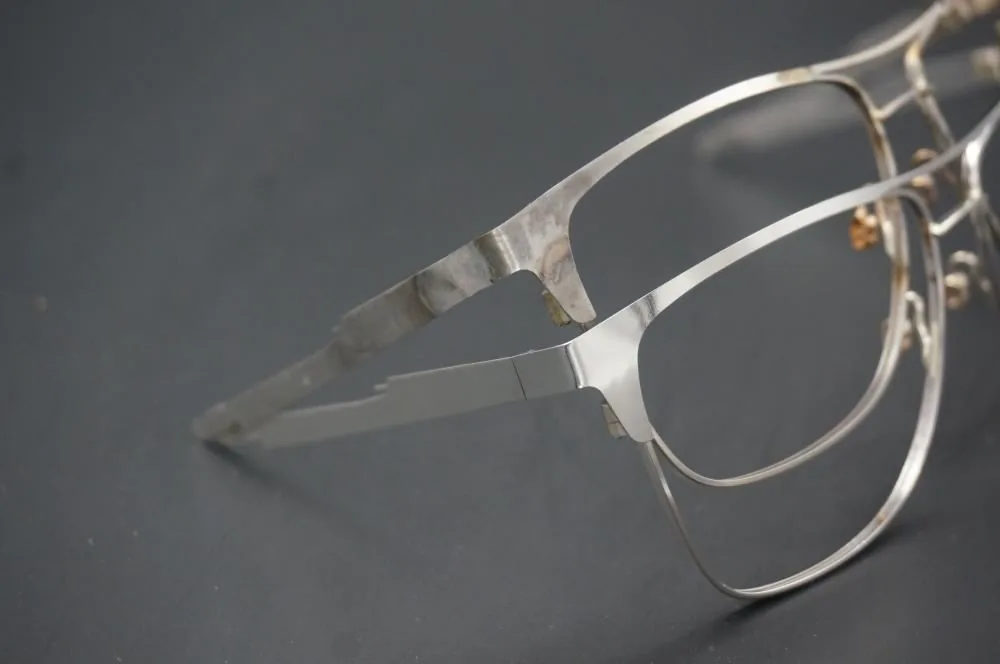
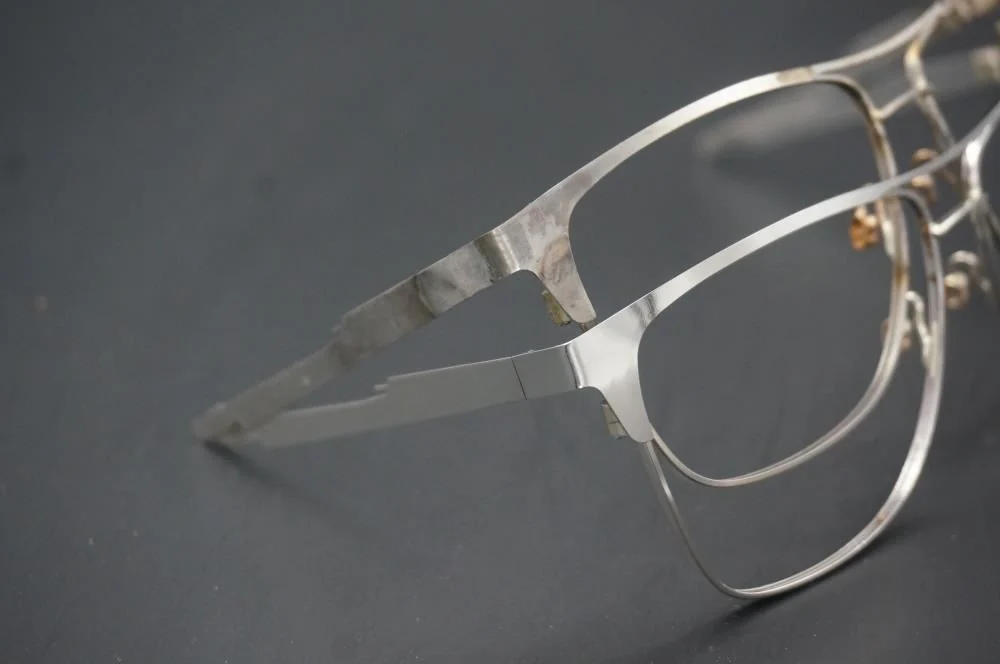
Metal eyewear frames demand flawless surfaces, intricate detailing, and long-lasting aesthetics. However, achieving mirror-like finishes while maintaining structural integrity requires overcoming challenges like micro-burrs, uneven textures, and post-processing contamination. Traditional methods often fall short in consistency, efficiency, and eco-compliance. This article explores cutting-edge technologies and processes—such as magnetic polishing, automated centrifugal grinding, and eco-friendly dry polishing—that redefine precision for metal eyewear frames.
Section 1: Core Technologies for Metal Eyewear Frame Polishing
1.1 Magnetic Polishing: Micro-Defect Elimination
Technology: Magnetic polishing (e.g., YH-680D/PY-980D) uses high-frequency magnetic fields to agitate stainless steel pins, creating friction that removes burrs and polishes hard-to-reach areas like hinges and screw threads.
Applications: Ideal for titanium, stainless steel, and alloy frames.
Key Features:
Zero Surface Damage: Non-abrasive action preserves delicate edges.
Speed: Processes batches in 5–15 minutes.
Versatility: Handles frames with complex geometries (e.g., wraparound temples).
How It Works: High-speed rotation (up to 300 RPM) forces parts against abrasive media in a controlled vortex motion.
Benefits for Eyewear:
Uniform Finishes: Eliminates "shadowing" on curved surfaces.
Delicate Part Protection: Split barrels prevent frame deformation.
Time Savings: 50% faster than conventional tumbling.
Section 2: Specialized Solutions for Unique Requirements
2.1 Deburring Intricate Components
Problem: Micro-burrs on screw holes or hinge joints.
Solution: PY-980D magnetic polisher with 0.5–2mm steel pins.
Result: Ra < 0.1µm surfaces, ready for plating or PVD coating.
2.2 Restoring Vintage or High-End Frames
Challenge: Scratches or oxidation on luxury frames.
Process: Multi-stage polishing with OBD-ZL vibratory machines:
Cutting Stage: Ceramic media for deep scratch removal.
Smoothing Stage: Plastic media for satin finishes.
Brightening Stage: Organic media + compound for luster.
2.3 Eco-Conscious Production
Zero-Waste Systems: OBD-HBPG manual polishers with HEPA filters.
Water Recycling: Wet polishing systems (OBD-CJS480) reuse 90% of water.
Section 3: Technical Innovations Driving Quality
3.1 Smart Control Systems
PLC Automation: Pre-set programs on OBD-CJG480C ensure repeatability across batches.
Real-Time Monitoring: Alerts for media wear, temperature spikes, or imbalances.
3.2 Advanced Abrasive Media
Biodegradable Options: Walnut shell and corn cob granules.
Custom Shapes: Star- or cone-shaped media for crevice polishing.
3.3 Post-Processing Excellence
Centrifugal Drying (Model 35/70): Removes moisture without lint contamination.
Anti-Tarnish Treatments: In-line ultrasonic cleaning for long-term shine.
Section 4: Industry Applications Beyond Eyewear
While optimized for eyewear, these technologies also serve:
Medical Devices: Polishing surgical tool edges.
Automotive: Finishing gear components.
Jewelry: High-gloss precious metal surfaces.
Conclusion: Elevate Your Eyewear Frame Quality
From titanium minimalist designs to bold acetate-metal hybrids, today’s eyewear demands perfection. By integrating magnetic polishing, PLC-controlled automation, and eco-friendly processes, manufacturers can achieve:
50% Faster Cycle Times
30% Lower Rejection Rates
100% Compliance with EU/EPA Regulations
Contact Us to explore how our CE-certified solutions can transform your production line.
We use essential storage to keep this site working. With your permission, Google Analytics 4 helps us understand visits and improve the site. Advertising storage, ad user data, and ad personalization always stay off.


 IPv6 network supported


 +86-592-2381506
