
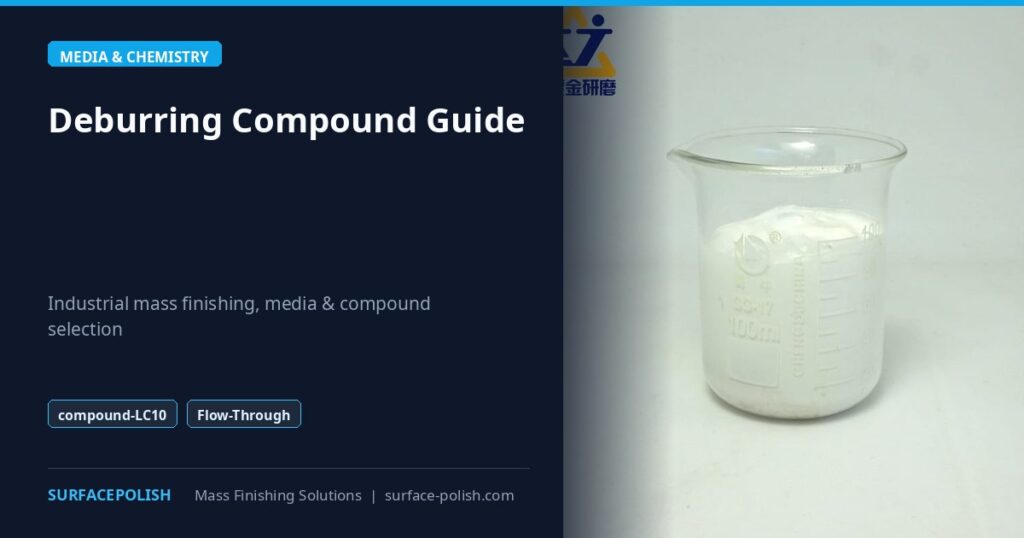
`Deburring Compound` Guide (`compound-LC10`): Continuous Flow-Through Cleaning Without Ceramic Glazing
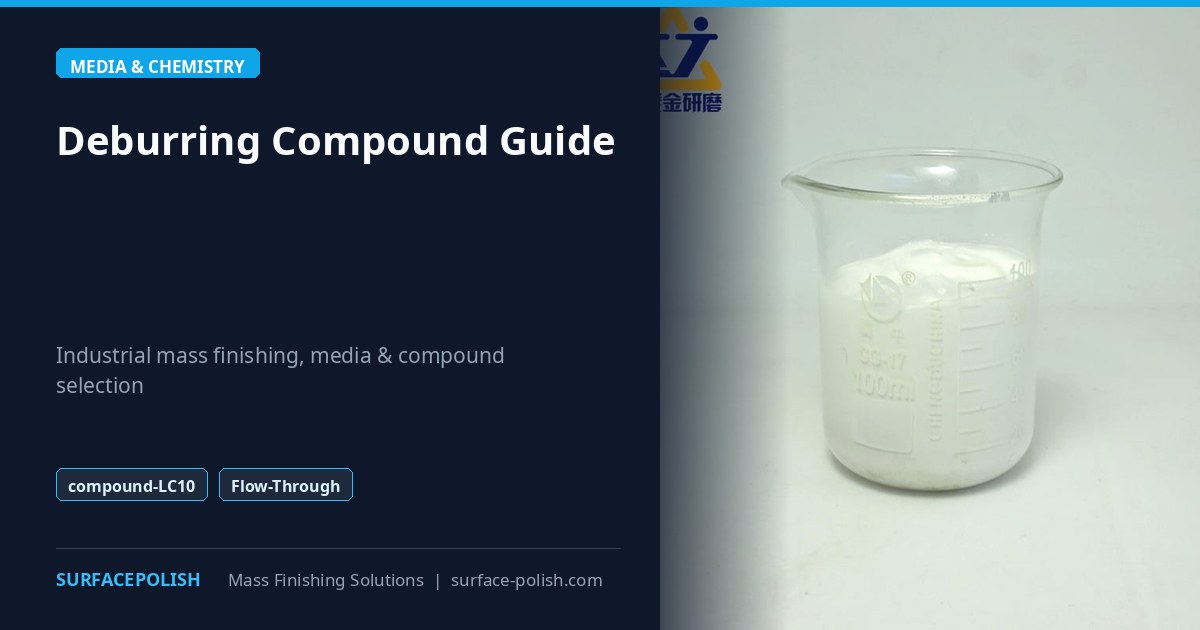
Production engineers specifying a daily-use deburring compound for ZL circular vibratory bowls, ZXL divided troughs, LLB50 toroidal centrifugal discs, and LLF120 planetary barrels often underestimate how quickly stagnant water and cheap soap ruin Stage 1 cutting. Without continuous surfactant flushing, sheared metal swarf and fractured abrasive silt pack straight into ceramic pores—turning sharp high-frequency stones slick as glass while coating 6061 aluminum in dark grey oxide smear.
The central thesis of this guide is simple: getting fast, uniform Stage 1 cutting from compound-LC10 deburring compound requires running continuous single-pass clean water into a multi-baffle settling tank (never recirculating dirty sump slurry or running ceramic/plastic media dry), pre-degreasing oily CNC batches upstream, matching media strictly to alloy (high-frequency ceramic for steel/titanium vs. synthetic plastic cones for aluminum/brass), and transferring wet steel parts straight into heated 35A/70A centrifugal spin-dryers.
In this engineering guide, you will learn how compound-LC10 works across ferrous and non-ferrous cutting lines, compare LC10 against MC8, JTS5, and Stage 2 HM3/JTJ brighteners, and lock in zero-glazing, zero-foam shop standards.
How compound-LC10 Keeps Stage 1 Deburring Compound Lines Sharp
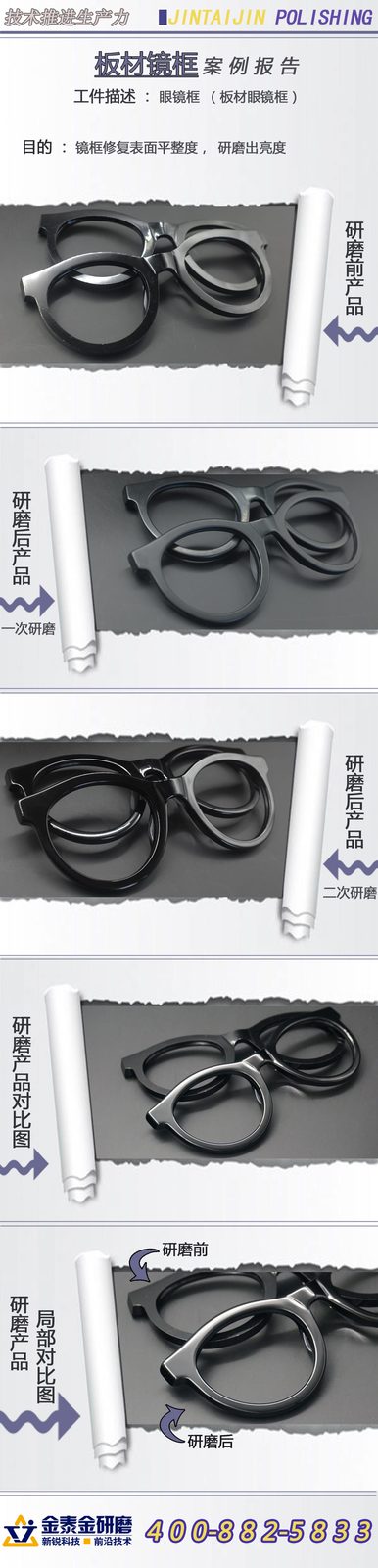
Flushing Metal Swarf & Preventing Ceramic Media Glazing
During wet Stage 1 deburring, vitrified high-frequency ceramic stones continuously shed microscopic grit and metal filings. Compound-LC10 deburring compound lowers water surface tension, wets porous ceramic faces evenly, and keeps abraded steel, stainless, and titanium swarf suspended cleanly so continuous water flow sweeps waste straight through bottom bowl drain grates into a multi-baffle settling tank—stopping ceramic media glazing before it starts. Review our ceramic media glazing fix guide.
Multi-Alloy Safety Across Steel, Stainless, Titanium, Aluminum, and Brass
Unlike acidic ferrous descalers (MC8) that pit 6061 aluminum or blacken Zamak zinc instantly, compound-LC10 runs safely across carbon steel, 304/316 stainless steel, Grade 5 titanium, 6061 aluminum, brass, and copper—provided each alloy keeps its own dedicated media tub and color-coded scoops. Explore our mass finishing compounds guide and steel polishing compound guide.
Why Upstream Alkaline Pre-Degreasing Still Matters With LC10
Even though compound-LC10 handles light residual shop film cleanly, heavy CNC cutting oils, tapping grease, and die-cast mold-release sprays overwhelm single-pass surfactant flow if loaded un-washed—forming gummy sludge on ceramic stones or thick white foam in synthetic plastic tubs. Mandate an upstream alkaline pre-wash on oily batches before Stage 1 loading.
Secondary Role: Stripping Darkened High-Alumina and 304 Steel Ball Beds
Because compound-LC10 cleans mineral film without etching polished metal, finishing shops also use LC10 for periodic media-only strip-wash cycles whenever Stage 2 high-alumina spheres or 304 stainless balls darken from hard-water scale or soap residue. See our porcelain ball burnishing media guide.
Pairing compound-LC10 With Ceramic vs. Synthetic Plastic Media
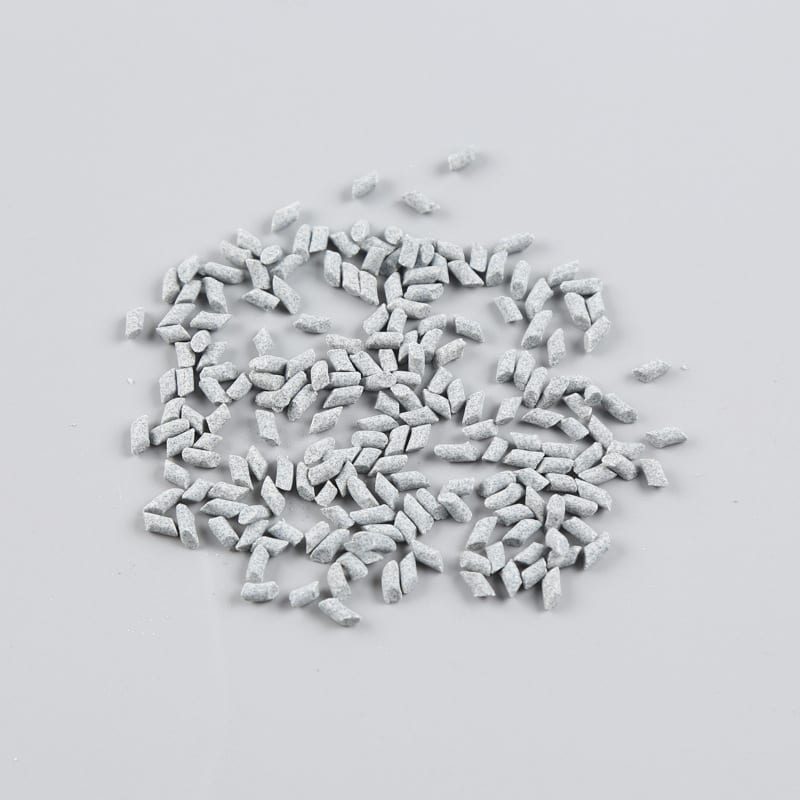
Hard Ferrous & Titanium Cutting: High-Frequency Ceramic + LC10
Pair compound-LC10 with dense vitrified high-frequency ceramic stones (angle-cut cylinders for cross-drilled bores, tri-stars for curved ribs, or triangles for crisp ninety-degree corners) when stripping CNC burrs and Rz tool ridges off carbon steel, stainless steel, and titanium. Read our high-frequency ceramic media guide and angle-cut ceramic cylinders guide.
Soft Non-Ferrous Cutting: Resin Plastic Cones & Pyramids + LC10
When finishing 6061 aluminum, brass, copper, or Zamak zinc die castings, replace heavy ceramic with lightweight resin-bonded synthetic plastic cones or pyramids dosed with continuous LC10 flow—eliminating chamfer bruising and orange-peel hammering while flushing polymer dust out of drain grates. See our synthetic plastic tumbling media guide and plastic cone vs pyramid media guide.
Knowing When to Switch From LC10 to MC8, JTS5, or HM3
Use MC8 (strictly isolated on carbon steel) when heavy black heat-treat mill scale or rust must be stripped rapidly; use JTS5 when thin stamped steel washers stick flat against media; and switch to HM3/JTJ50 (non-ferrous) or JTJ20/JTJ60 (304 stainless balls) once Stage 1 finishes and Stage 2 mirror burnishing begins.
SurfacePolish Compound |
Primary Stage | Paired Media Family | Safe Alloy Scope | Key Shop-Floor Rule |
|---|---|---|---|---|
LC10 (Deburring Compound) |
Stage 1 general cut & bed wash | High-frequency ceramic & resin plastic |
Steel, stainless, titanium, aluminum, brass | Continuous single-pass water + drain brush |
MC8 Descaler |
Stage 1 heavy rust & scale strip | High-frequency ceramic stones |
Carbon steel & alloy steel ONLY | Lock strictly away from aluminum, brass, zinc |
JTS5 Sheet-Metal Release |
Stage 1 thin stamping deburring | Tri-star & angle-cut ceramic | Thin stamped steel washers & shims | Steady spray flow breaks flat surface cling |
HM3 / JTJ50 Brightener |
Stage 2 non-ferrous burnishing | Iron-free high-alumina spheres / OBD |
6061 aluminum, brass, titanium, zinc |
Clean separator spray rinse before Stage 2 |
JTJ20 / JTJ60 Brightener |
Stage 2 heavy ball mirror | 304 stainless balls & ball-cones |
304/316 stainless, brass, carbon steel |
Keep Stage 1 abrasive grit completely out |
Machine Control: ZL Bowls, ZXL Troughs, and LLF120 Barrels
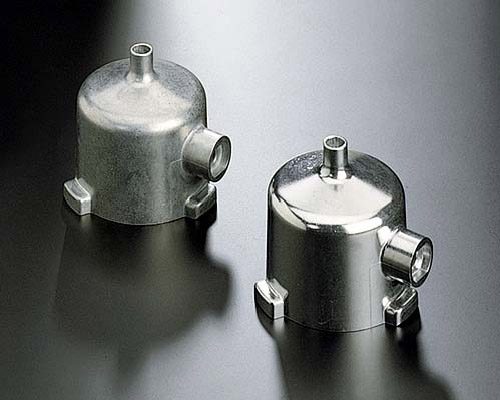
Continuous Spray-Bar Setup on ZL Circular Bowls and ZXL Divided Troughs
Mount overhead spray nozzles cleanly above the cascading media bed in ZL circular bowls—and space multiple nozzles evenly end-to-end along ZXL and L1300–L1800 divided linear troughs—so compound-LC10 wets every lane uniformly without dry dead spots. Review our divided trough vibratory finisher guide and vibratory motor counterweight tuning guide.
Closed-Batch LC10 Dosing Inside LLF120 Planetary Centrifugal Barrels
Because sealed LLF120 planetary barrels hold one fixed charge of clean water and compound-LC10 per cycle rather than draining continuously, keep oil off incoming parts and rinse unloaded parts promptly across a separator spray bar. Explore our centrifugal barrel finishing machine guide.
Checking Bottom Drain Grates and Polyurethane Bowl Liners
Brush bottom bowl drain slots open at every shift start so LC10 effluent never pools into dirty slurry, and inspect polyurethane ribs weekly for abrasive grooving around the discharge ramp. See our polyurethane bowl liner replacement guide and pneumatic separation screen deck guide.
Clean Rinsing, Heated 35A/70A Drying, and Dry Organic Follow-Up
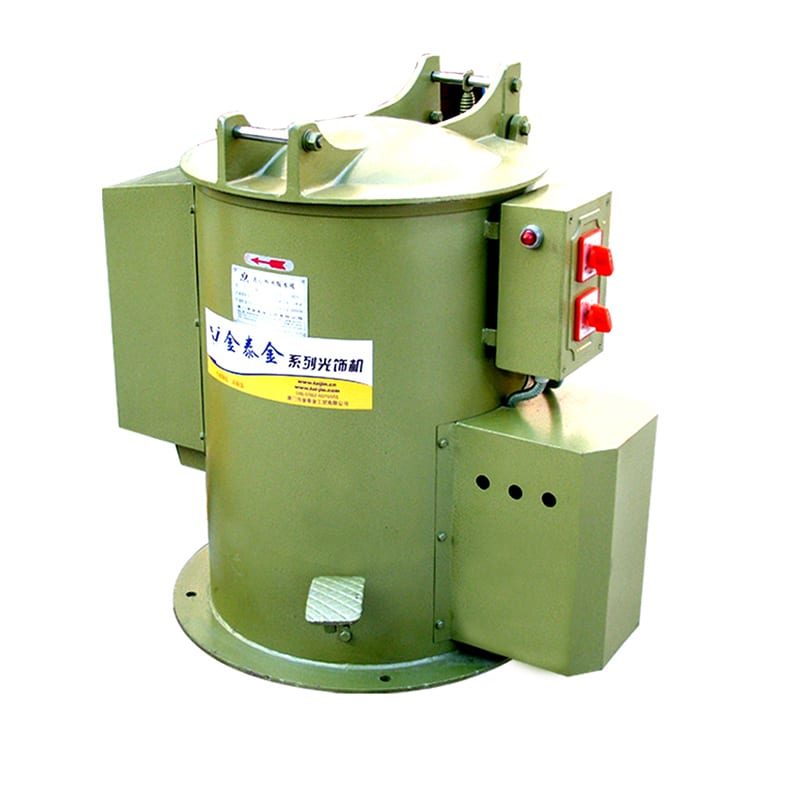
Immediate 35/35A/70/70A Centrifugal Spin-Drying for Carbon Steel
Although compound-LC10 keeps steel surfaces clean during wet deburring, carbon steel begins flash rusting within minutes once exposed to humid shop air. Always pass separated parts beneath a filtered clean-water spray rinse bar and transfer them straight into a heated 35, 35A, 70, or 70A centrifugal spin-dryer. Review our centrifugal dryer guide.
Transitioning Spin-Dried Parts Into Corncob or Walnut Shell (8#-80#)
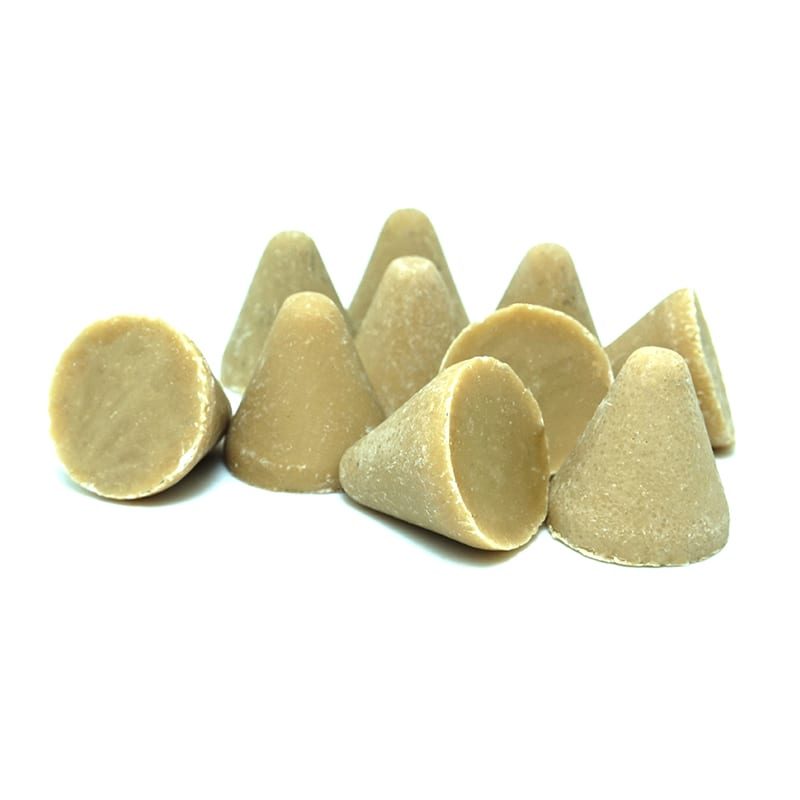
Never pour wet compound-LC10 into corncob, walnut shell (8#-80#), or hardwood pegs! Moisture swells organic fibers immediately. Complete wet LC10 cutting, spin-dry parts cleanly in 35A/70A dryers, and transfer only bone-dry parts into dry organic polishing barrels. See our corncob drying media grades guide and walnut shell mesh 8 to 80 guide.
Multi-Shift Dosing Audits, Storage, and Troubleshooting
Auditing Peristaltic Dosing Pumps and Spray Nozzles at Shift Start
Verify chemical drum supply levels, clear peristaltic pump lines, and unclogged spray nozzles every morning before loading the first batch so LC10 concentration stays constant across first, second, and third shifts.
Color-Coding Ferrous vs. Non-Ferrous Lines and Chemical Containment
Store reserve LC10 drums sealed on elevated containment pallets away from freezing docks, and keep carbon-steel media bins strictly separated from aluminum and stainless lines so iron dust never contaminates non-ferrous parts.
LC10 Process Symptom |
Likely Root Cause | Immediate Correction | Preventive Standard |
|---|---|---|---|
| Glazed smooth ceramic stones & slow cut | Oily CNC parts or starved LC10 pump |
Pre-degrease batch; hot LC10 strip wash |
Upstream alkaline wash + daily pump check |
| Thick white foam in plastic media bowl | Oily castings or plugged bottom drain | Pre-degrease batch; brush drain grates open | Upstream wash + clean single-pass flow |
Dull grey oxide film on 6061 aluminum |
Dirty recirculated sump slurry | Restore clean single-pass LC10 + HM3 |
Maintain clean multi-baffle settling tank |
| Flash rust spotting on carbon steel | Slow ambient air drying post-unload | Spray rinse + heated 35A/70A spin-dry |
Stage heated dryer at separator chute |
| Thin stamped washers sticking together | Surface tension in thick soap mix | Switch isolated steel line to JTS5 + flow |
Pair JTS5 with curved tri-star ceramic |
Settling Tank Control, Media Care, and Shift Standardization
Brushing Bottom Drain Grates and Auditing Multi-Baffle Settling Tanks
Even precision-metered compound-LC10 deburring compound cannot flush metal swarf if plugged bottom drain slots trap dirty slurry inside the channel. Brush drain slots open at shift start and pump settled sludge out of your multi-baffle settling tank weekly so single-pass effluent flows unimpeded.
Protecting High-Frequency Ceramic and Plastic Media Beds From Glazing
Keep working fill lines topped up weekly after classification screening and verify clean water-break quality on incoming pre-degreased CNC batches. Clean parts plus steady LC10 flow keep ceramic cutting pores open and resin plastic binders foam-free across shifts.
Isolating Ferrous and Non-Ferrous Lines Sharing LC10 Chemistry
Even though compound-LC10 runs safely on both steel and aluminum, never share the same media tub, catch basket, or separator screen across carbon steel and 6061 aluminum or 304 stainless steel—keep color-coded bins strictly separated.
Documenting Exact Pump Flow Rates on Every Work-Order Traveler
Post target LC10 pump dosing rates, water spray-bar pressure, and cycle durations beside every ZL bowl, ZXL divided trough, and LLF120 barrel so second- and third-shift operators reproduce identical Ra finishes without guesswork.
Factory Capabilities & Verified LC10 Chemistry Supply
Founded in 1992, Xiamen Jin Tai Jin Grinding Technology Co.,Ltd. (SurfacePolish) engineers and manufactures 21 machine platforms backed by 24 granted Chinese IP rights and more than 200,000+ solutions across certified facilities (ISO 00726Q01571R001, CE M.2023.206.C88121, and CE M.2023.206.C88120). Alongside ZL circular bowls, ZXL/L1300–L1800 divided troughs, LLF120/LLB50 centrifugal finishers, OBD-30..100 magnetic polishers, and 35/35A/70/70A dryers, we supply compound-LC10 deburring compound, MC8, JTS5, HM3, JTJ20, JTJ25, JTJ50, and JTJ60 matched to high-frequency ceramic, resin plastic cones, high-alumina spheres, 304 stainless balls, corncob, and walnut shell (8#-80#). Standard machines ship in 25–35 days and custom automated lines ship in 45–60 days. Send sample raw parts to surface-polish.com for complimentary media-and-LC10 validation. Honest boundaries apply: we do not supply solvent vapor degreasers, electroplating baths, or dry sandblasting grit.
Frequently Asked Questions About compound-LC10 Deburring Compound
What does compound-LC10 deburring compound actually do inside a vibratory bowl?
Compound-LC10 deburring compound wets vitrified ceramic and plastic media pores cleanly, lowers surface tension, suspends abraded metal swarf for single-pass drainage into a settling tank, and prevents ceramic media glazing and grey part smearing.
Can compound-LC10 be used on both carbon steel and 6061 aluminum?
Yes—unlike acidic MC8 descalers, compound-LC10 runs safely across carbon steel, stainless steel, titanium, aluminum, and brass, provided carbon-steel media tubs and aluminum plastic-media tubs remain strictly segregated.
Why shouldn't I run ceramic or plastic media dry instead of using compound-LC10?
Running ceramic or plastic media dry destroys polyurethane bowl liners through friction heat, blankets the shop in hazardous dust, and smears metal parts. Always run wet single-pass LC10 flow, reserving dry cycles strictly for corncob, walnut shell, and hardwood.
How do I stop foam when running compound-LC10 with resin plastic media?
Always pass oily CNC or die-cast aluminum parts through an upstream alkaline pre-wash before loading the bowl, brush bottom drain grates clean daily, and maintain continuous single-pass clean water rather than recirculating soapy sump water.
Can compound-LC10 clean darkened high-alumina spheres or 304 steel balls?
Yes. Running an empty media-only wash cycle with warm clean water and compound-LC10 strips accumulated hard-water scale and oxidized soap film cleanly without scratching smooth burnishing spheres.
When should I switch from compound-LC10 to MC8 or JTS5?
Switch to acidic MC8 (on isolated carbon-steel lines only) when stripping thick black heat-treat mill scale or rust, and switch to JTS5 when thin stamped steel washers cling together inside the tumbling bed.
Does compound-LC10 leave a mirror polish by itself?
No. Compound-LC10 supports Stage 1 abrasive cutting that leaves a clean uniform matte finish; follow with Stage 2 high-alumina spheres (HM3/JTJ50) or 304 stainless balls (JTJ20/JTJ60) for mirror luster.
How can I verify the right LC10 dosing rate on my parts before ordering?
Send representative raw production parts to surface-polish.com for complimentary lab testing; our process engineers qualify exact compound-LC10 flow rates, non-lodging media geometry, and cycle durations and return finished samples before you order.
How does compound-LC10 flow prevent ceramic media glazing across multi-shift runs?
Metered compound-LC10 lowers surface tension and wets vitrified porcelain pores cleanly so sheared metal swarf and fractured grit stay suspended in single-pass water—sweeping waste straight through bottom drain grates into a multi-baffle settling tank before ceramic media glazing can begin.
Can compound-LC10 be used inside LLB50 toroidal centrifugal disc finishers?
Yes. Inside high-energy LLB50 toroidal centrifugal discs, continuous clean water paired with compound-LC10 lubricates resin plastic cones or high-frequency ceramic stones briskly, cooling sliding friction and flushing polymer or metal fines cleanly through the rim seal.
What happens if hard tap water is used with compound-LC10 on precision parts?
During Stage 1 LC10 deburring, standard shop water flows smoothly with metered compound; however, if parts move into Stage 2 mirror burnishing or optical 35A/70A centrifugal drying, adding a filtered clean-water spray rinse bar stops white calcium water rings cleanly.
Should I use compound-LC10 inside an OBD-30..100 magnetic polishing machine?
While compound-LC10 cleans light oily film well, dedicated brightening compounds like HM3 or JTJ50 are preferred inside OBD-30..100 magnetic chambers when brightening brass, aluminum, or titanium recesses with ferromagnetic stainless pins.
How should operators store reserve drums of compound-LC10 on the shop floor?
Keep sealed compound-LC10 drums on elevated containment pallets at stable indoor temperatures away from freezing loading docks and direct sunlight, with clear color-coded pump fittings separate from acidic MC8 descalers.
Why is separator screen spray rinsing mandatory after compound-LC10 cutting?
Passing unloaded Stage 1 parts beneath a clean-water spray rinse bar across your vibratory separator screen removes residual LC10 soap film and loose abrasive dust cleanly before parts enter heated 35A/70A spin-dryers or Stage 2 burnishing tubs.
How does compound-LC10 interact with tumbler media ratio in heavy batch loads?
Even with brisk single-pass compound-LC10 flow, over-packing parts into an under-filled ceramic or plastic bed causes crescent impingement dings on chamfers. Keeping a generous cushion of media around every workpiece lets LC10 lubricate smooth sliding shear cleanly without part-on-part collision.
Can compound-LC10 be run in ZXL divided troughs for long aluminum extrusions?
Yes. Spacing overhead spray nozzles evenly along ZXL and L1300–L1800 divided linear troughs keeps compound-LC10 wetting resin-bonded plastic cones uniformly from inlet to discharge dam, eliminating dry spots and protecting long aluminum profiles from end-to-end clashing.
What happens if bottom bowl drain slots clog while running compound-LC10?
Clogged drain grates trap spent surfactant, fractured grit, and metal fines inside the bowl—turning continuous single-pass LC10 flow into a stagnant muddy sump that glazes ceramic pores shut and smears aluminum grey. Brushing drain slots daily prevents slurry buildup immediately.
How often should multi-baffle settling tanks be cleaned on LC10 lines?
Inspect overflow weirs weekly and pump or shovel out settled metallic sludge before silt reaches baffle tops and backs up into bowl drainage. Clean settling tanks keep compound-LC10 single-pass lines running reliably across every shift.
Can compound-LC10 be used inside heated 35A or 70A centrifugal dryers?
No. Compound-LC10 belongs strictly inside wet vibratory bowls, linear troughs, and centrifugal finishing barrels—never inside heated spin-dryers. Always pass parts beneath a clean-water spray rinse bar across the separator deck before transferring them into heated 35, 35A, 70, or 70A centrifugal dryers.
Why does compound-LC10 outperform generic industrial dish soaps in vibratory deburring?
Generic dish soaps create unstable, excessive foam blankets inside high-energy ZL bowls and LLB50 centrifugal discs, cushion abrasive stones away from burrs, and lack targeted metal-swarf suspension. Dedicated compound-LC10 deburring compound wets ceramic pores cleanly while flushing abraded fines straight through bottom drain grates.
How do I verify compound-LC10 compatibility with downstream plating or powder coating?
Because compound-LC10 flushes cleanly under a separator clean-water spray rinse bar without leaving heavy wax films behind, pre-washed and cleanly rinsed Stage 1 steel, stainless, and aluminum batches move smoothly into phosphating, anodizing, or powder coating. Always confirm your exact downstream wash line during complimentary sample lab trials. Keeping a dedicated clean-water rinse stage between wet LC10 deburring and coating pretreatment ensures reliable adhesion, zero soap spotting, and repeatable surface finish across every multi-shift production lot.
What happens if worn ceramic slivers plug LC10 bottom drain grates?
Even full-strength compound-LC10 cannot flush swarf out if unscreened broken ceramic chips wedge inside bottom drain slots. Brush drain grates open daily and run weekly separator-deck fragment screening so single-pass drainage stays brisk across every shift, keeping pores sharp and finished parts completely free of dark grey oxide smear or mineral spots.
 +86-592-2381506


 IPv6 network supported
