

Vibratory Separator Screen Guide: Pneumatic Flap Timing, Mesh Sizing, and Spray-Rinse Integration
In high-volume metal finishing departments, the difference between one operator tending five circular vibratory bowls and three operators burning shifts on manual sorting often comes down to one assembly: the pneumatic separation flap and vibratory separator screen. When a shop runs undersized screen openings, heavy ceramic triangles stay mixed with finished brackets and force tedious hand-picking. Conversely, when mesh slots are too large or polyurethane discharge chutes lack cushioning, small precision pins fall straight back into the tub—or heavy castings nick their freshly smoothed corners dropping onto bare steel baskets.
The central thesis of this guide is clear: automating clean, damage-free part unloading on circular vibratory bowls (ZL, ZL250W, ZL900W, ZL900C) depends on matching vibratory separator screen perforation geometry cleanly between worn media size and smallest part dimension, maintaining tight polyurethane pneumatic flap seals (with clean air-cylinder stroke), mounting a clean-water spray rinse bar directly above the deck, and cushioning discharge chutes into 35/35A/70/70A centrifugal spin-dryers. For related equipment guides, see our vibrating bowl deburring guide, inline vibratory deburring system guide, and wide channel vibratory bowl guide.
How Pneumatic Flap and Vibratory Separator Screen Unloading Works
Unlike closed rotary barrels that must be unbolted and dumped externally, ZL circular vibratory bowls integrate separation directly above the active rolling channel.
Processing Position vs. Separation Position
During active deburring or burnishing, a rigid, polyurethane-coated separation flap rests flush or raised clear of the media stream so parts and stones circulate smoothly in a continuous three-dimensional helical roll. At timer completion, an air cylinder swings the flap down onto the channel floor, diverting the upward-climbing media-and-part stream smoothly up an inclined ramp onto the vibratory separator screen.
Gravity Drop-Through of Media vs. Forward Part Travel
Because the perforated vibratory separator screen sits directly above the open return section of the bowl, tumbling stones fall straight through the screen slots back into the chamber ready for the next batch. Meanwhile, finished metal parts travel forward across the vibrating deck toward the cushioned discharge chute—zero manual stone shoveling required.
Live Mid-Cycle Sampling Without Halting Production
Even before the pneumatic flap engages, open-top circular bowls let operators lift sample gears, valves, or brackets live from the rolling bed to verify edge radius and Ra/Rz progress.
Sizing Perforated vs. Bar-Grid Vibratory Separator Screens
Selecting the right aperture shape and material prevents both media carryover and part fall-through.
Round vs. Slotted Perforated Screens for Ceramic Triangles and Plastic Cones
Standard punched steel or polyurethane-coated perforated decks feature round holes or staggered rectangular slots. Size every aperture slightly larger than the largest diagonal of fresh high-frequency ceramic triangles or resin-bonded plastic cones—yet safely smaller than the narrowest dimension of your workpiece—so stones drop through rapidly while every part rides cleanly across the top.
Longitudinal Bar-Grid Screens for Cylindrical Pins and Long Fasteners
Thin cylindrical pins, dowel shafts, and narrow stamped clips often tip end-first through round or square holes. Longitudinal bar-grid (finger) vibratory separator screen decks align narrow parallel bars along the direction of travel, letting flat-lying pins glide smoothly forward while chunky ceramic media drops between the bars.
Reverse-Screen Separation for Micro-Parts Larger or Smaller Than Media
When ultra-tiny watch screws or electronic contacts are smaller than the high-alumina spheres or ceramic media polishing them (a common scenario on LLF120 or LLB50 external screens), reverse the aperture rule: size the vibratory separator screen so finished micro-parts drop cleanly through into a padded catch tray while larger media stones stay on top of the deck.
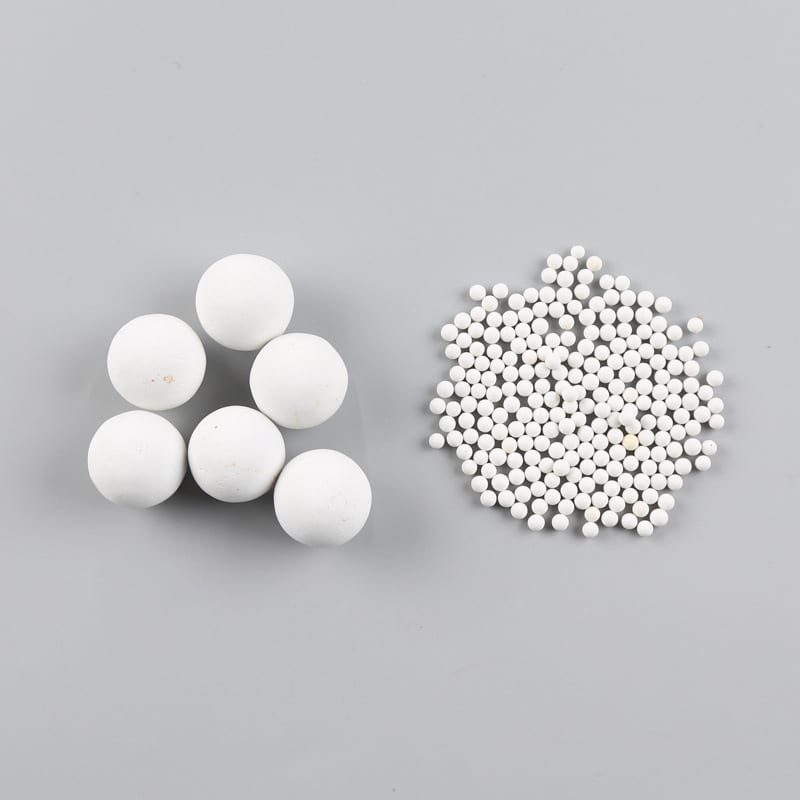
high-frequency ceramic and high-alumina media graded for rapid drop-through on a vibratory separator screen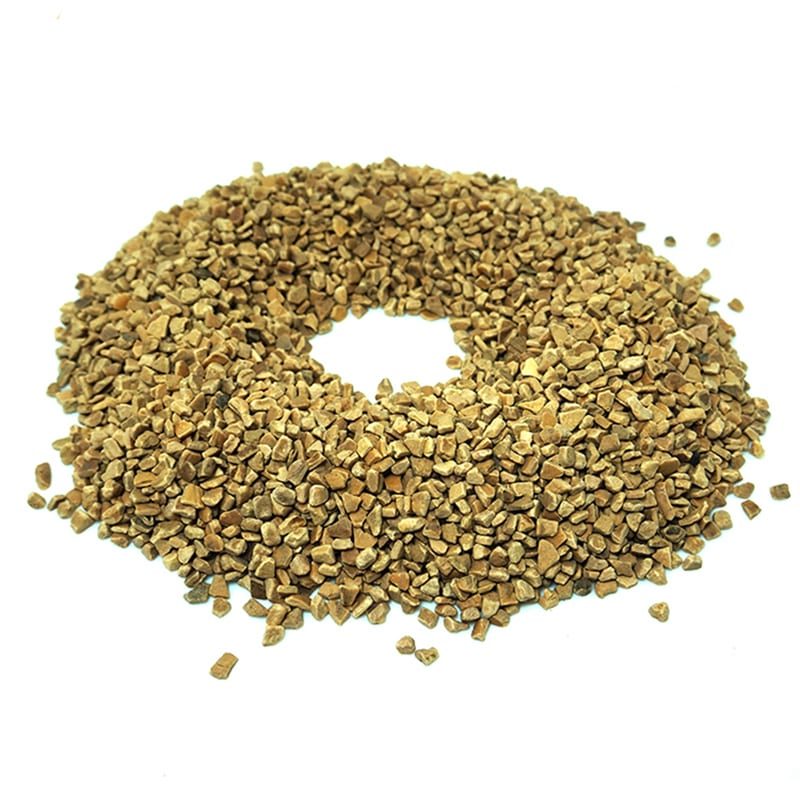
| Part & Media Scenario | Recommended Screen Type | Aperture Sizing Rule | Primary Defect Prevented |
|---|---|---|---|
| Brackets/gears larger than ceramic triangles | Staggered slotted or square perforated deck | Larger than fresh media; smaller than part | Media carryover into catch baskets |
| Thin pins & flat stamped contacts | Longitudinal bar-grid (finger) screen | Narrow gap blocks flat pins; drops media | Tiny parts falling back into bowl |
Micro-screws smaller than high-alumina |
Reverse-drop fine perforated screen | Drops finished micro-parts; retains large media | Tedious hand-sorting of tiny fasteners |
| Fragile cosmetic aluminum / brass | Polyurethane-coated perforated deck | Cushioned urethane top layer | Surface scuffing across bare metal deck |
Integrating Spray-Rinse Bars, Chute Cushions, and Dryers
A vibratory separator screen is the ideal checkpoint to rinse spent chemistry and transition straight into spot-free drying.
Mounting Clean-Water Spray Rinse Bars Above the Deck
Position a multi-nozzle clean-water spray rinse bar directly over the middle of the vibratory separator screen. As parts spread out in a single layer across the vibrating deck, clean spray water flushes away residual LC10, MC8, HM3, or JTJ slurry and worn ceramic dust—dropping dirty rinse liquid straight down through the bowl's bottom drain into a multi-baffle settling tank. See our vibratory finishing supplies guide and compound for aluminum guide.
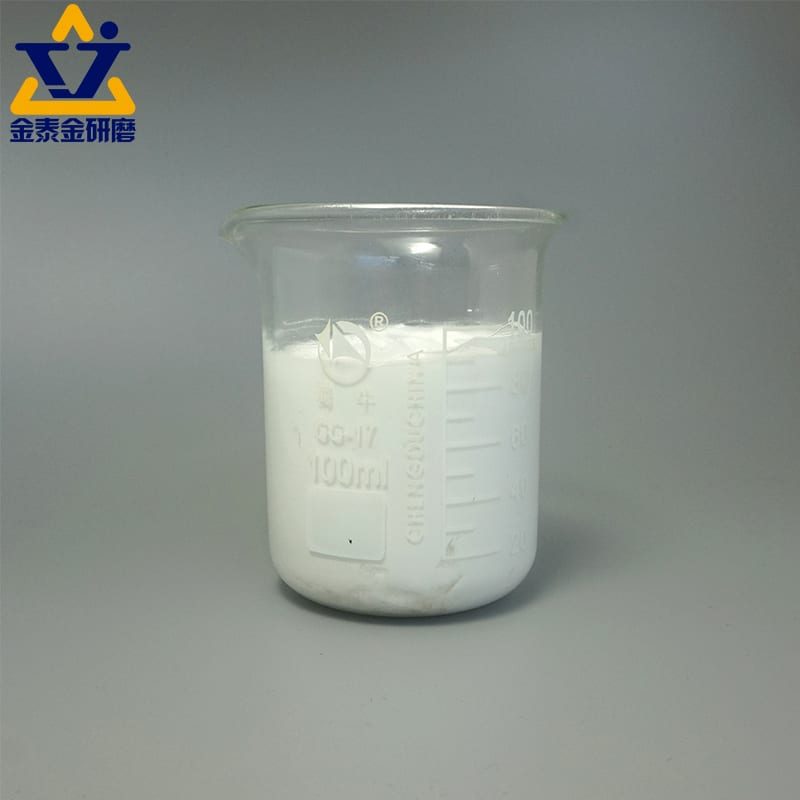
LC10, MC8, HM3, JTJ, JTS5) rinsed cleanly off parts across the vibratory separator screenPolyurethane Chute Flaps and Padded or Submerged Catch Baskets
Heavy forged flanges and soft 6061 aluminum housings can suffer fresh corner nicks right at the finish line if they drop off the lip of a vibratory separator screen onto bare stainless steel baskets. Fit resilient cast polyurethane chute curtains to slow forward velocity and catch parts in urethane-lined or water-submerged baskets.
Immediate Transfer to 35 / 35A / 70 / 70A Centrifugal Spin-Dryers
Once rinsed parts fill the catch basket, move them immediately into a heated centrifugal spin-dryer (35, 35A, 70, or 70A) to prevent carbon-steel flash rust and aluminum mineral water rings. Read our centrifugal dryer guide.
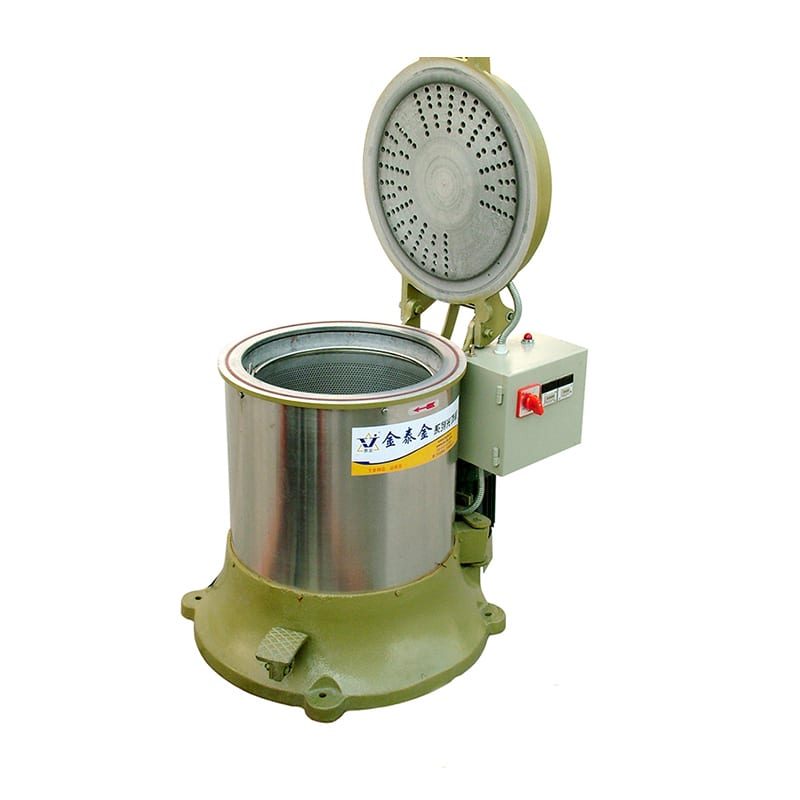
35/35A/70/70A class) paired directly with the vibratory separator screen exitTroubleshooting Flap Seals, Media Carryover, and Screen Wear
Routine two-minute checks keep pneumatic separation crisp across every shift.
Parts Slipping Underneath the Pneumatic Separation Flap
When compact springs or thin washers sneak underneath the closed separation gate instead of climbing onto the vibratory separator screen, inspect the polyurethane bottom seal strip on the flap and verify plant air-cylinder pressure is high enough to hold the flap seated firmly against the urethane bowl floor.
Media Carryover Into Catch Baskets
If ceramic triangles or plastic cones ride all the way out with finished parts, either the batch unloaded too fast (check counterweight lead angle or VFD speed), the screen deck is partially blinded with tangled springs, or screen apertures are too small for fresh media.
Segregating Screens Between Ferrous and Non-Ferrous Batches
Never use the same vibratory separator screen for carbon-steel ceramic runs and 6061 aluminum or titanium plastic-media runs without thorough washdown—or better yet, dedicate color-coded drop-in screen decks to each alloy family to eliminate galvanic iron contamination.
Auditing Polyurethane Bowl Liners and Dam Lips During Screen Swaps
Every time you lift out the vibratory separator screen to change mesh sizes, inspect the underlying polyurethane dam edge, ramp surface, and flap hinge pins for thinning or radial grooves. See our polyurethane bowl liner replacement guide, surface finish Ra vs Rz guide, ceramic grinding media guide, deburring plastic guide, vibratory finishing machine manufacturers guide, and multi-baffle settling tank guide.
Multi-Shift Automation, Quick-Change Decks, and Spare Parts Discipline
High-mix finishing rooms running multiple part families across a single ZL or ZL900W bowl rely on rapid screen swaps and standardized operator setup cards.
Quick-Change Clamp Frames for Multi-Product Bowls
Choosing a vibratory separator screen mounted in a quick-release cam-clamp frame lets operators swap from a narrow bar-grid deck (for long pins) to a wide slotted deck (for cast brackets) in under two minutes without unbolting rusted fasteners.
Matching Screen Material: Urethane-Coated Steel vs. Heavy-Gauge Stainless
For abrasive high-frequency ceramic cutting on carbon steel, heavy-gauge perforated stainless or abrasion-resistant steel decks deliver crisp long-term aperture stability. For delicate cosmetic brass jewelry or mirror-burnished 6061 aluminum (high-alumina spheres + HM3), polyurethane-coated decks prevent bare metal-on-metal micro-scratches during unloading.
Verifying Complete Unload Before Starting the Next Alloy Batch
Always run the bowl briefly in separation mode with clean spray water running until zero stray parts remain trapped behind the dam wall—preventing mixed part numbers or cross-alloy contamination in the following batch.
Documenting Air Pressure, Counterweight Angle, and Screen ID per Part Number
Record exact separation air-cylinder pressure, eccentric counterweight lead angle, spray-rinse valve setting, and required vibratory separator screen ID on laminated recipe cards beside each bowl so night-shift crews achieve clean complete separation—every single run.
Validating Screen Aperture Against Worn Media Limits
Remember that tumbling media shrinks gradually over multi-shift operation. Size your vibratory separator screen apertures so fresh high-frequency ceramic or plastic cones drop through cleanly, while scheduling weekly external screening to purge worn undersized slivers before they carry over into catch baskets.
Integrating Pneumatic Timers With Upstream Bowl Cycle Controls
In automated cells, linking the pneumatic separation flap solenoid directly to the programmable bowl cycle timer allows unmanned unloading at shift end—automatically raising the flap, engaging the clean-water spray rinse bar for a set flush duration, and halting the motor once parts clear the deck.
Positioning Ergonomic Catch Baskets and Jib Hoists at the Chute
Aligning wheeled stainless catch baskets and overhead jib-hoist pick points directly beneath the vibratory separator screen discharge chute minimizes operator lifting strain and lets rinsed batches move straight into 70A centrifugal spin-dryers in seconds.
| Separation Issue | Likely Root Cause | Immediate Correction | Preventive Standard |
|---|---|---|---|
| Parts slipping under pneumatic flap | Worn PU flap seal or low air pressure | Check air regulator; replace PU flap edge | Inspect flap seal at every liner check |
| Ceramic stones riding out with parts | Screen slots too small or feed too fast | Swap to larger-slot deck; slow discharge | Match screen aperture to fresh media size |
| Fresh nicks on heavy aluminum castings | Bare steel basket or steep drop off chute | Add PU chute curtain & padded basket | Standardize cushioned catch baskets |
| Dried soap streaks after unloading | Missing or clogged spray-rinse nozzles | Clear spray bar nozzles; boost rinse flow | Check spray bar pressure at shift start |
| Rusty spots on aluminum parts | Shared steel-contaminated screen deck | Scrub screen; dedicate aluminum screen | Color-code screens by alloy family |
Screen Aperture Engineering and Multi-Shift Automation Discipline
Keeping a vibratory separator screen running jam-free across high-mix production requires matching deck materials, clamp hardware, and pneumatic controls to each part family.
Quick-Change Cam-Clamp Frames for Multi-Product Bowls
Mounting a vibratory separator screen inside a quick-release cam-clamp frame lets operators swap from a narrow longitudinal bar-grid deck (for cylindrical pins) to a wide staggered-slot deck (for cast brackets) in under two minutes without fighting corroded bolts.
Urethane-Coated Perforated Decks vs. Heavy-Gauge Stainless Screens
Abrasive high-frequency ceramic cutting on carbon-steel forgings demands heavy-gauge stainless or wear-resistant steel screens that hold crisp aperture geometry across years of service. Conversely, cosmetic brass hardware and mirror-burnished 6061 aluminum parts benefit from polyurethane-coated vibratory separator screen decks that prevent bare metal micro-scratches during unloading.
Verifying Clean Bowl Evacuation Before Alloy Changeovers
Always run the circular bowl briefly in separation mode with clean spray water active until zero stray fasteners or brackets remain trapped behind the dam wall—eliminating mixed part numbers or cross-alloy contamination on the next shift.
Documenting Air Pressure, Counterweight Angle, and Screen ID
Recording exact pneumatic cylinder air pressure, eccentric counterweight phase angle, spray-rinse valve position, and required vibratory separator screen ID on laminated setup cards ensures every shift achieves clean, rapid separation without media carryover. Posting clear visual diagrams showing correct cam-clamp locking and chute-curtain placement prevents hasty assembly errors during busy multi-shift product changeovers.
Maintaining Air Regulators, Solenoid Valves, and Flap Hinge Pins
Because pneumatic separation flaps cycle hundreds of times per month in wet environments, moisture traps and inline air lubricators must stay drained and clean. Inspect air-cylinder rod seals, solenoid valves, and stainless flap hinge pins quarterly so the gate drops crisply flush onto the bowl floor without hesitating or binding mid-stroke. Keeping replacement polyurethane flap seals stocked on-site ensures minor wear never stalls unloading.
Comparing Manual Media Shoveling vs. Automated Pneumatic Separation ROI
In a standard circular vibratory bowl, automated pneumatic flap unloading across a vibratory separator screen cuts batch changeover time from twenty minutes of manual scooping down to under two minutes—allowing one finishing operator to run multiple bowls, settling tanks, and 35A/70A centrifugal dryers simultaneously while keeping edge radii consistent across every batch. Pairing quick-change cam-clamp screen decks with dedicated color-coded alloy screens and clean-water spray rinse bars eliminates cross-contamination, prevents baked-on chemical streaks, and protects downstream anodizing and plating adhesion across multi-shift production schedules.
Factory Capabilities & Verified Separation Hardware Supply
Founded in 1992, Xiamen Jin Tai Jin Grinding Technology Co.,Ltd. (SurfacePolish) engineers and manufactures 21 machine platforms backed by 24 granted Chinese IP rights and more than 200,000+ solutions across certified facilities (ISO 00726Q01571R001, CE M.2023.206.C88121, and CE M.2023.206.C88120). Standard ZL, ZL250W, ZL900W, and ZL900C circular vibratory bowls with integrated pneumatic flaps and custom-sized vibratory separator screen decks, LLF120/LLB50 centrifugal finishers, OBD-30..100 magnetic polishers, and 35/35A/70/70A dryers ship in 25–35 days, while custom divided-trough (ZXL, L1300–L1800) and multi-station automated lines ship in 45–60 days. Send sample raw parts and media specs to surface-polish.com for complimentary process and screen-aperture validation. Honest boundaries apply: we do not supply dry mining aggregate shakers, flour sifters, or dry sandblasting cabinets.
Frequently Asked Questions About Vibratory Separator Screens
How do I choose the right aperture size for a vibratory separator screen?
Select a vibratory separator screen aperture slightly larger than the widest diagonal of your fresh tumbling media (high-frequency ceramic or resin plastic) so stones drop straight back into the bowl, yet safely smaller than the narrowest dimension of your finished part. Always test new parts against worn media fragments as well.
What screen style works best for thin cylindrical pins or narrow stamped clips?
Longitudinal bar-grid (finger) screens work best for pins and narrow clips because parallel bars support flat-lying parts forward toward the chute while allowing chunky media stones to fall cleanly between the bars without tipping parts end-first back into the tub.
Why are some small parts slipping underneath the pneumatic separation flap?
Parts slip beneath the gate when the polyurethane bottom seal strip on the flap wears thin, when the dam lip erodes, or when air-cylinder pressure drops too low to hold the flap seated firmly on the bowl floor. Inspect flap seals at every liner audit.
Should I mount a spray-rinse bar over the vibratory separator screen?
Yes. Mounting a clean-water spray rinse bar directly above the vibratory separator screen flushes spent LC10, HM3, or JTJ slurry off parts before they drop into catch baskets, preventing dried chemical streaks inside 35A/70A centrifugal dryers and keeping multi-baffle settling tanks working cleanly.
How do I protect soft aluminum or brass castings from nicks at the screen exit?
Choose a polyurethane-coated vibratory separator screen deck for cosmetic non-ferrous lines, hang a resilient cast polyurethane curtain across the discharge chute to slow exit velocity, and catch rinsed parts in padded or water-submerged baskets before spin-drying.
Can one vibratory separator screen be shared between carbon steel and aluminum parts?
No. Sharing screens between steel-ceramic and aluminum-plastic lines transfers microscopic iron dust onto soft aluminum, triggering galvanic pitting during anodizing or salt-spray testing. Keep color-coded dedicated screens per alloy family.
What lead time applies to SurfacePolish vibratory bowls and spare separator screens?
Standard ZL circular bowls, pneumatic flap assemblies, custom-punched vibratory separator screen decks, and 35A/70A dryers ship within 25–35 days under ISO 00726Q01571R001 and CE certification, while custom automated lines ship in 45–60 days. Send sample parts to surface-polish.com for complimentary screen and process validation.
 +86-592-2381506


 IPv6 network supported
