

`Stainless Brightener Compound` Guide (`compound-JTJ20`): High-Pressure `304` Ball Burnishing for Stainless & Steel

Manufacturing engineers specifying a stainless brightener compound for 304/316 stainless cutlery, marine hardware, forged carbon-steel wrenches, and turned brass valves quickly discover that heavy 304 stainless steel balls cannot perform mirror burnishing in plain tap water. Without a high-lubricity surfactant cushion, dense steel balls drag directly across part faces, leaving cold-welded micro-scuffs, dull grey iron-oxide smut, and patchy water-spot rings downstream.
The central thesis of this guide is simple: getting crisp, work-hardened mirror reflectivity from compound-JTJ20 stainless brightener compound requires completing abrasive Stage 1 cutting (high-frequency ceramic + LC10) beforehand, enforcing a thorough separator spray-rinse barrier so zero Stage 1 cutting grit enters Stage 2, running continuous single-pass JTJ20 flow inside reinforced ZL bowls or LLF120 barrels into a multi-baffle settling tank, and immediately spin-drying finished hardware in heated 35A/70A centrifugal dryers.
In this engineering guide, you will compare compound-JTJ20 against JTJ25, JTJ60, and non-ferrous JTJ50/HM3, match ball-and-cone 304 media cleanly to your alloy scope, and eliminate grey smut, orange-peel dimpling, and flash-rust defects.
How compound-JTJ20 Cushions 304 Stainless Ball Burnishing
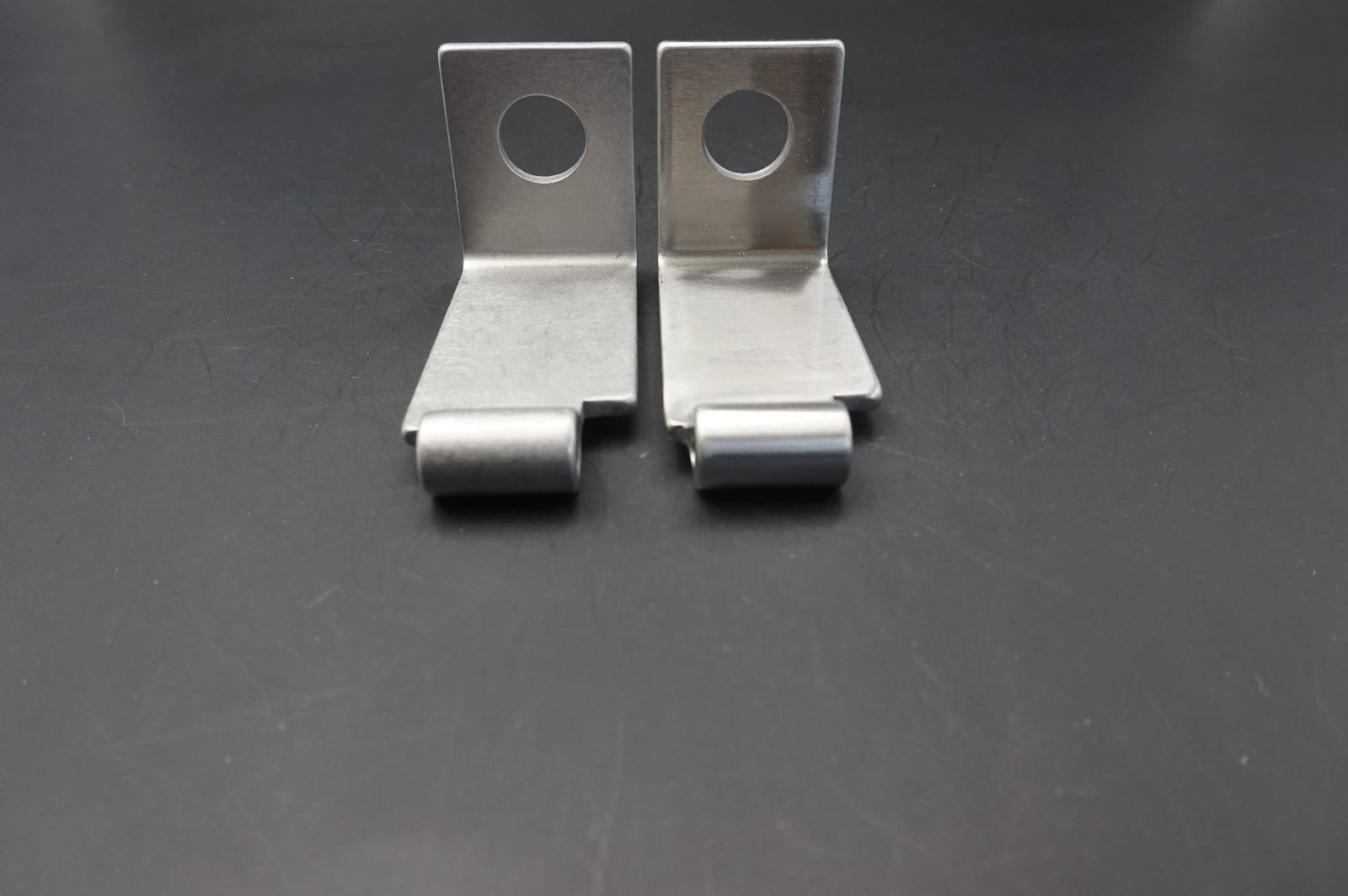
High-Film Surfactant Lubrication Under Heavy 304 Steel Shot Pressure
Austenitic 304 stainless steel balls and ball-cones carry nearly three times the specific gravity of vitrified ceramic media. During vibratory tumbling in reinforced ZL bowls or planetary rotation in LLF120 barrels, compound-JTJ20 stainless brightener compound forms a tenacious, slick lubricating barrier between every rolling sphere and workpiece—allowing plastic peak compression to close micro-porosity cleanly without micro-scratching or soap smudging. Review our stainless steel tumbling media guide and steel shot tumbling media guide.
Comparing JTJ20 With JTJ25, JTJ60, and JTJ50
Within the JTJ brightener series, compound-JTJ20 and compound-JTJ25 drive robust Stage 2 burnishing across 304/316 stainless steel, forged carbon steel, and heavy brass hardware with 304 stainless balls; compound-JTJ60 targets ultra-fine optical specular polish on stainless cutlery and surgical instruments; and compound-JTJ50 / HM3 serve reactive non-ferrous alloys (6061 aluminum, Grade 5 titanium, Zamak zinc) alongside iron-free high-alumina spheres. Explore our compound JTJ60 fine polishing guide and mass finishing compounds guide.
Why Stage 1 High-Frequency Ceramic Cutting Must Precede JTJ20
Compound-JTJ20 stainless brightener compound contains zero abrasive grain and cannot shear CNC exit burrs or erase deep Rz milling ridges. Always complete Stage 1 leveling first using high-frequency ceramic stones with compound-LC10 (or MC8 on isolated carbon-steel descaling), then rinse thoroughly before entering Stage 2 JTJ20 ball burnishing. Read our high-frequency ceramic media guide and ceramic media vs steel balls guide.
Honest Alloy Boundary: When High-Alumina Beats Steel Balls
Never run heavy 304 stainless steel balls on soft 6061 aluminum, thin-walled brass, or medical Grade 5 titanium—heavy ball weight hammers soft alloys into an orange-peel dimple and risks transferring trace free iron. Switch those alloys strictly to lighter iron-free high-alumina porcelain spheres with JTJ50 or HM3. See our porcelain ball burnishing media guide.
| Burnishing Chemistry | Primary Alloy Scope | Paired Burnishing Media | Machine Load Requirement | Critical Shop-Floor Rule |
|---|---|---|---|---|
compound-JTJ20 (Stainless Brightener) |
304/316 stainless, steel, brass |
304 stainless balls & ball-cones |
Reinforced ZL bowl / LLF120 |
Rinse Stage 1 cutting grit off first |
compound-JTJ25 |
Tough steel hardware & stainless | 304 stainless balls & diagonals |
Reinforced ZL / LLF120 / barrel |
Maintain generous ball-to-part cushion |
compound-JTJ60 |
Fine mirror stainless cutlery | 304 stainless balls / high-alumina |
Reinforced ZL / LLF120 |
Enforce filtered clean water & carbon isolation |
compound-JTJ50 / HM3 |
6061 aluminum, titanium, zinc, brass |
Iron-free high-alumina / OBD pins |
Standard ZL / LLB50 / OBD-30..100 |
Keep MC8 acid strictly away from line |
Machine & Media Pairing: Reinforced ZL Bowls, LLF120 Barrels, and ZXL Troughs
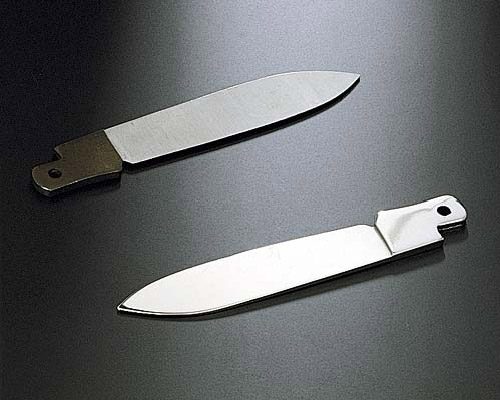
Checking Bowl Spring Strength and Liner Ribs Under Heavy 304 Ball Beds
Because 304 stainless steel balls weigh nearly three times as much as an equal volume of ceramic media, always confirm your ZL circular bowl's suspension coil springs, motor drive amps, and polyurethane rib thickness are rated for heavy steel-ball density before bulk loading. Under-lubricating heavy steel balls starves liner protection and accelerates glazing or cracking. Review our polyurethane bowl liner replacement guide and vibratory motor counterweight tuning guide.
Selecting Non-Lodging 304 Balls vs. Ball-Cones (Satellites)
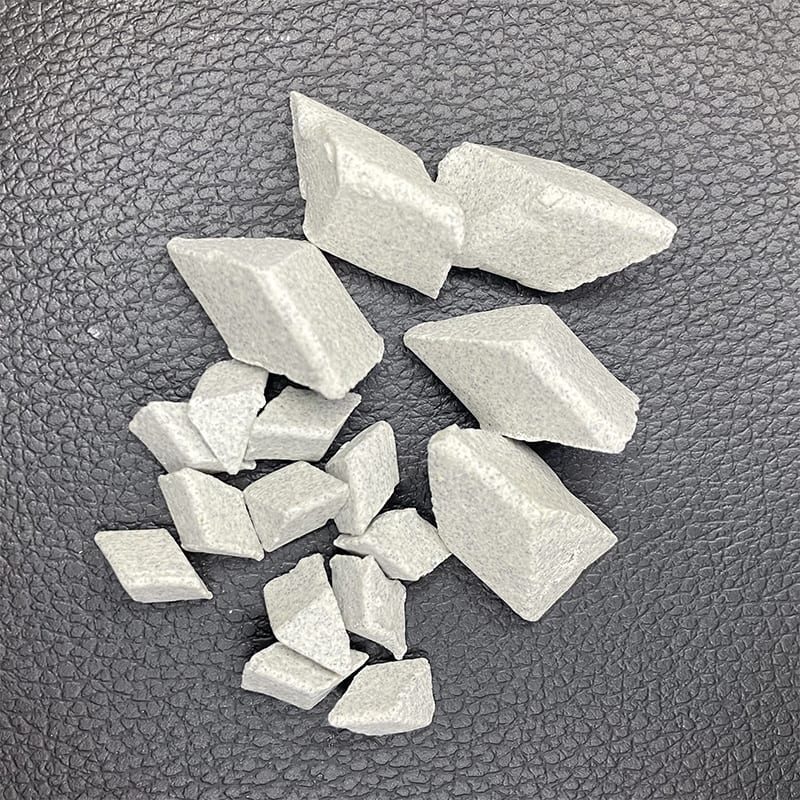
Round 304 balls deliver peak mirror brilliance across open valve bonnets and cutlery handles, whereas ball-cones (satellites) tuck neatly into stepped ninety-degree shoulders and gear fillets. Always verify non-lodging clearance across every bolt hole and thread relief beforehand so zero stainless balls jam inside bores. See our non-lodging media sizing guide.
Accelerating Heavy Steel Burnishing Inside LLF120 Barrels & ZXL Troughs
When dense 304 stainless cutlery or forged tools require faster compressive luster, sealed LLF120 planetary centrifugal barrels multiply contact force cleanly with measured charges of clean water and compound-JTJ20. For long stainless surgical bars or architectural rails that would clash end-to-end in circular bowls, load ZXL or L1300–L1800 divided troughs equipped with lane dividers and multi-nozzle JTJ20 spray bars. Explore our centrifugal barrel finishing machine guide and divided trough vibratory finisher guide.
Adding OBD-30..100 Magnetic Polishers for Internal Threads & Knurling
Remember that non-magnetic 304 stainless balls cannot spin inside magnetic chambers! Whenever stainless fittings hide narrow internal threads or knurling that spherical balls bridge over, add a quick OBD-30..100 magnetic pin cycle using ferromagnetic pins and JTJ50/HM3. Read our magnetic polishing machine guide.
Single-Pass Flow, Settling Tanks, and Heated 35A/70A Spin-Drying
Continuous Clean Water vs. Recirculated Soap Slurry
Recirculating stagnant sump slurry pushes fine iron oxide silt and spent soap straight back onto mirror stainless surfaces—creating a dull grey smut film across parts. Run continuous single-pass clean water paired with metered compound-JTJ20 into a multi-baffle settling tank after upstream alkaline oil degreasing.
Heavy-Duty Separator Screening and Filtered Clean-Water Spray Rinsing
Fit reinforced heavy-gauge vibratory separator screen decks designed to handle dense cascading 304 stainless ball loads without sagging, and pass burnished parts beneath a filtered clean-water spray rinse bar so zero soap film or calcium scale remains. See our pneumatic separation screen deck guide.
Heated 35/35A/70/70A Spin-Drying & Optional Corncob / Walnut Polish

Transfer freshly rinsed stainless and carbon-steel batches straight into a heated 35, 35A, 70, or 70A centrifugal spin-dryer so warm airflow stops flash rust on carbon steel and calcium water rings on mirror stainless immediately—adding warm dry corncob or fine walnut shell (8#-80#) buffing in clean dry bowls when zero optical haze is mandatory. Review our centrifugal dryer guide and corncob drying media grades guide.

Multi-Shift Bed Washing, Tramp-Iron Control, and Troubleshooting
Cleaning Darkened 304 Balls With LC10 & Keeping Carbon Steel Out
If 304 balls darken from residual CNC oil or hard-water scale, run an empty media-only strip-wash cycle using warm water and compound-LC10 until drain effluent turns clear—and keep carbon-steel drill chips, rusty MC8 baskets, and steel scoops completely out of stainless burnishing cells! Review our media screening and replenishment SOP.
JTJ20 Burnishing Issue |
Likely Root Cause | Immediate Correction | Preventive Standard |
|---|---|---|---|
| Dull grey smut across mirror stainless | Dirty static sump or starved JTJ20 |
Brush drain grates; restore single-pass JTJ20 |
Maintain clean multi-baffle settling tank |
| Fine scratches on bright mirror faces | Stray Stage 1 cutting grit in Stage 2 tub | Scrub bowl/screen; flush ball bed in LC10 |
Enforce Stage 1 spray rinse & separate totes |
| Crescent peen marks on stainless valves | Under-filled ball bed (tumbler media ratio) |
Reduce part batch count; top up 304 balls |
Standardize pre-measured part baskets |
Rusty spots on 304 stainless hardware |
Carbon-steel tramp chips mixed into tub | Magnet-screen carbon chips; LC10 bed wash |
Isolate carbon steel tools & bins strictly |
| White calcium spots post-drying | Hard tap water air-drying slowly | Filtered rinse + heated 35A/70A spin-dry |
Stage heated centrifugal dryer at chute |
Auditing Peristaltic Dosing Pumps and Tumbler Media Ratios Daily
Verify compound-JTJ20 dosing pump tubing, spray-bar nozzles, and 304 ball cushion levels at every shift start so second- and third-shift operators match morning mirror contrast effortlessly.
Storing Reserve JTJ20 Drums and Idle Steel Ball Charges Safely
Keep reserve compound-JTJ20 drums sealed indoors above freezing temperatures, and rinse/dry idle 304 ball charges cleanly when machines stand down over long holidays.
Metallurgy, Stage 1 Prerequisites & JTJ20 Process Engineering
Why Stage 1 Ra Leveling Determines Final JTJ20 Mirror Contrast
Compound-JTJ20 stainless brightener compound works strictly by plastic micro-peak compression—cold-rolling microscopic tool ridges flat under the high contact pressure of 304 stainless balls. It contains zero cutting grit and cannot grind away deep CNC turning grooves, forged parting lines, or stamped shear tears. If a part enters Stage 2 304 ball burnishing with rough un-leveled valleys, JTJ20 polishes the upper peaks to bright chrome-like reflectivity while leaving dark matte canyons underneath, creating a cloudy "orange-peel" sheen rather than true optical depth. Always verify uniform matte satin leveling from Stage 1 high-frequency ceramic (LC10) before transferring stainless or carbon-steel hardware into JTJ20 ball burnishing.
Choosing 304 Ball Geometry: Spheres, Diagonals, and Ball-Cones for Recessed Parts
Round 304 stainless balls deliver the highest point-contact pressure on broad convex surfaces such as stainless cutlery spoons, hydraulic valve bodies, and architectural handles. However, round spheres alone cannot reach sharp inner fillet corners, knurled grooves, or narrow stamped slots. Blending spherical balls with angled 304 stainless ball-cones or satellite pins lets the burnishing bed contact recessed radii while maintaining high bulk density inside reinforced ZL bowls and LLF120 centrifugal barrels. Pair geometry selection with a disciplined vibratory separator screen layout so mixed ball sizes never clog discharge gates.
Managing Heavy Steel Ball Load Limits on Springs, Bearings, and Liners
Because 304 stainless steel media is far denser than ceramic or plastic stones, running compound-JTJ20 demands reinforced ZL heavy-duty bowl springs, upgraded drive bearings, and thick abrasion-resistant polyurethane bowl liners. Never dump a full ball charge into a light-duty plastic-finishing bowl or attempt to compensate for low motor torque by starving JTJ20 compound flow; dry metal-on-metal ball friction spikes motor amp draw, overheats polyurethane walls, and scuffs workpieces. Follow our vibratory motor counterweight tuning guide to balance gentle upward rolling lift with zero part-on-part collision.
Controlling Dissolved Iron, Water Hardness, and Foam Inside JTJ20 Sumps
Hard shop tap water reacts with high-lubricity burnishing soaps to form dull grey lime-soap films across both 304 balls and 316 stainless housings, while high-foaming detergents cushion ball impact and kill mirror brightness. Feeding softened or filtered clean water with metered compound-JTJ20 in continuous single-pass flow keeps the lubricity cushion crystal-clear, sweeps micro-wear debris into a multi-baffle settling tank, and prevents dull grey smut from redepositing on mirror faces.
Line Integration, Passivation Readiness & Multi-Shift Quality Control
Preventing Cross-Contamination Between Carbon Steel and Passive Stainless Lines
A single stray carbon-steel drill chip, mild-steel scoop, or MC8 descaling basket carried into a 304 stainless ball cell embeds free iron into passive 304/316 stainless surfaces, triggering pinpoint rust blooms days after shipment. Maintain absolute physical separation between carbon-steel and stainless finishing cells using color-coded catch totes, dedicated magnetic wands for tramp-iron inspection, and isolated Stage 1 rinse stations.
Integrating Heated 35A/70A Drying and Clean Corncob Wipe Buffing
Leaving freshly burnished stainless hardware wet inside catch trays bakes mineral water spots onto bright mirror faces within minutes. Stage a heated 35, 35A, 70, or 70A centrifugal spin-dryer directly beside the ZL or LLF120 discharge chute so clean-rinsed parts spin dry in warm airflow immediately—followed by a quick dry pass in warm corncob media whenever medical instruments or marine trim require zero water haze before packaging.
Auditing Surface Brightness, Color-Coded Drums, and Shift-to-Shift Recipes
Keep sealed master reference samples displaying pass/fail mirror contrast beside every burnishing station, lock JTJ20 drums indoors away from acidic MC8 containers, and log peristaltic dosing rates, ball fill levels, and cycle durations on every shift handover sheet so third-shift operators reproduce first-shift brilliance consistently.
Troubleshooting Edge Peening vs. Under-Burnished Recesses Across Geometries
When thin flanges show crescent peen marks while deep pockets remain matte, reduce batch part weight relative to 304 ball volume (tumbler media ratio), lower eccentric motor lead angles, and add smaller ball-cones or move intricate recessed hardware to an OBD-30..100 magnetic polisher with JTJ50 or HM3.
Avoiding Dry-Running Liner Friction and Idle-State Ball Corrosion
Never run a reinforced ZL bowl or LLF120 barrel packed with 304 stainless balls even briefly without continuous compound-JTJ20 water flow; unlubricated metal-on-metal shear overheats polyurethane ribs, accelerates liner tearing, and leaves dark smear tracks across parts. When scheduling weekend or holiday shutdowns, flush spent surfactant completely out of the ball bed with clean water, run a short protective rinse, and keep the stainless ball charge submerged in clean rust-inhibited water or dried thoroughly so stagnant shop moisture never pits carbon-steel tools or machine housings.
Verifying Pre-Passivation Cleanliness on Medical and Food-Grade Stainless
After compound-JTJ20 stainless brightener compound produces mirror luster on surgical clamps, food-processing valves, or marine fasteners, confirm that the downstream clean-water spray rinse bar strips all residual soap film before parts enter heated 35A/70A spin-drying or nitric/citric passivation tanks. Clean, oil-free burnished stainless surfaces pass water-break and copper-sulfate tests reliably with uniform passive chromium-oxide film formation, preventing premature surface staining during autoclave sterilization or coastal salt-spray exposure.
Factory Capabilities & Verified Stainless Brightener Supply
Founded in 1992, Xiamen Jin Tai Jin Grinding Technology Co.,Ltd. (SurfacePolish) engineers and manufactures 21 machine platforms backed by 24 granted Chinese IP rights and more than 200,000+ solutions across certified facilities (ISO 00726Q01571R001, CE M.2023.206.C88121, and CE M.2023.206.C88120). Alongside heavy-duty ZL circular bowls, ZXL/L1300–L1800 divided troughs, LLF120/LLB50 centrifugal finishers, OBD-30..100 magnetic polishers, and 35/35A/70/70A dryers, we supply compound-JTJ20 stainless brightener compound, JTJ25, JTJ60, JTJ50, HM3, LC10, MC8, and JTS5 matched to 304 stainless balls and magnetic pins, iron-free high-alumina spheres, high-frequency ceramic, resin plastic cones, corncob, and walnut shell (8#-80#). Standard machines ship in 25–35 days and custom lines ship in 45–60 days. Send sample stainless or brass parts to surface-polish.com for complimentary two-stage mirror validation. Honest boundaries apply: we do not supply nitric acid passivation vats, electropolishing rectifiers, or diamond lapping slurries.
Frequently Asked Questions About compound-JTJ20 Stainless Brightener Compound
What is compound-JTJ20 stainless brightener compound used for?
Compound-JTJ20 stainless brightener compound is a Stage 2 high-lubricity burnishing surfactant formulated to cushion 304 stainless steel balls and ball-cones—compressing surface micro-peaks plastically into bright, low-Ra mirror luster on 304/316 stainless steel, brass, and carbon steel.
Can compound-JTJ20 remove CNC machining burrs or deep tool marks?
No. Compound-JTJ20 contains zero abrasive grit. Always remove burrs and level deep Rz cutter ridges first in Stage 1 high-frequency ceramic stones with compound-LC10 (or resin plastic cones for soft brass) before Stage 2 burnishing.
Can I run compound-JTJ20 inside an OBD-30..100 magnetic polisher with 304 balls?
No—austenitic 304 stainless balls are non-magnetic and will not spin inside an OBD magnetic field. Use JTJ50 or HM3 with ferromagnetic stainless pins inside OBD-30..100 polishers, and reserve 304 balls with JTJ20 for reinforced ZL bowls or LLF120 barrels.
Why should 6061 aluminum and Grade 5 titanium avoid 304 steel balls with JTJ20?
Heavy 304 stainless balls peen soft aluminum into an orange-peel texture and risk transferring microscopic iron onto aluminum or titanium. Burnish aluminum and medical titanium instead using iron-free high-alumina porcelain spheres with JTJ50 or HM3.
How do I prevent fine scratches when running compound-JTJ20 ball burnishing?
Enforce a thorough clean-water spray rinse bar across your Stage 1 separator screen, use strictly dedicated Stage 2 color-coded transfer baskets, and flush 304 ball beds with compound-LC10 if any stray abrasive grit enters the bowl.
Why did stainless parts come out dull grey despite adding compound-JTJ20?
Dull grey smut occurs when dirty sump slurry recirculates, bottom drain grates plug, or oily CNC parts bypass upstream alkaline pre-degreasing. Maintain clean single-pass flow into a multi-baffle settling tank.
What drying step stops water spots after JTJ20 mirror burnishing?
Pass freshly burnished batches beneath a filtered clean-water spray bar on the separator screen and transfer them immediately into a heated 35, 35A, 70, or 70A centrifugal spin-dryer, adding warm corncob buffing when optical clarity is required.
Can compound-JTJ20 be mixed into dry corncob or walnut shell media?
Never pour water or liquid compound-JTJ20 into corncob, walnut shell (8#-80#), or hardwood pegs; organic media swells into soggy clumps immediately when wet. Spin-dry parts first before any dry organic buff.
How can I verify compound-JTJ20 mirror cycle times on my parts before ordering?
Send representative raw and Stage-1-cut production parts to surface-polish.com for complimentary lab testing; our engineers validate Stage 2 304 ball burnishing with JTJ20 and return mirror-finished samples before you order.
 +86-592-2381506


 IPv6 network supported
