
Job Shop Finishing: When Buying a Finishing Line Beats Sending Work Out
Most finishing content is written for an engineer building a captive product line: which media, which machine, and which grade. That reader has already decided the work stays in-house. For a metal fab shop taking in other people's parts, the first question is not which machine to buy, but whether an in-house line pays for itself and wins work you cannot quote now.
How this page fits with our guides: This article covers the business decision of buying versus outsourcing. Downstream process routes are covered in what we build and what we do not and tool limits in deburring equipment forms and the tool boundary. Machine kinematics are compared in our barrel polishing, rotary tumbling, and centrifugal buyer guide, while automated cell upgrades are examined in deburring automation and when it pays.
Two Readers, Two Different Questions
Brochures rarely distinguish between a factory finishing its own products and a metal finishing job shop processing customer lots. Yet those two buyers operate under opposite business rules.
Note: This diagram is explained in the text and table above rather than shown as a separate figure.
If you make your own product, the question is process control
A captive manufacturer knows next quarter's part geometry, alloy, and takt in advance. They buy machines to lock in repeatability on a stable part family.
If you take in other people's parts, the question is order capture
For a surface finishing job shop or contract fabricator, baskets hold stainless brackets on Monday, brass fittings on Wednesday, and aluminum housings on Friday. For a job shop, a finishing line does not earn its keep by making parts look brighter; it earns its keep by letting the shop quote work it could not quote before. A machine makes money when it helps you win complete print-to-pack RFQs and hit delivery dates that outside vendors miss.
Why the equipment conversation gets confusing
When a buyer searches for the top mass finishing equipment for job shops, vendors often optimize around one sample part. Yet a machine that runs one part well but takes half a shift to change over will starve your floor.
Which one are you?
| Decision Dimension | Captive Product Manufacturer | Job Shop / Contract Metal Fab Shop |
|---|---|---|
| Core Question | How do we hit this exact spec every shift? | What new customer RFQs can this line win? |
| Primary Metrics | Recipe repeatability, grade consistency, takt | Quotable range, changeover speed, price competitiveness |
| Biggest Risk | The machine fails to meet the drawing spec | The bowl sits idle, or cannot flex across jobs |
| Decision Cycle | Long-term product forecast | Short-term purchase orders and repeat work |
| Cost Structure | Internal fixed capital and labor | Fixed in-house cost vs variable vendor invoices |
| First Question | Can this recipe finish our part cleanly? | Do we have enough volume to keep this machine busy? |
The Arithmetic You Have to Do First
Before looking at bowl linings, motor drives, or media shapes, a shop owner has to sit down with the purchase order ledger and run the make-versus-buy arithmetic.
Note: This diagram is explained in the text and table above rather than shown as a separate figure.
Fixed cost against variable cost — the only comparison that matters
Assuming an in-house tumbler is automatically cheaper than paying an outside metal finisher ignores the difference between variable and fixed costs.
Outsourcing to a mass finishing job shop is a variable cost: you pay only for parts processed, and slow months cost nothing. Buying an in-house line creates a fixed cost structure — equipment, starter media, compounds, floor space, and labor stay on your books whether the bowl runs or sits idle.
Therefore, in-house unit cost is never a fixed catalog figure. It is a dynamic sliding curve driven entirely by how many revenue-generating batches pass through the working chamber every single week.
The utilisation threshold, and why it is the real number
Every setup has a utilization threshold where in-house batch cost drops below subcontracting. Below that threshold, owning a machine costs more than outsourcing; above it, every extra basket captures margin. While the exact breakeven point depends on your equipment, labor, and media wear, the rule is fixed: lower utilization always makes in-house finishing more expensive.
That threshold depends on three shop-specific inputs that you must audit across your own order history:
- Steady monthly volume: Ignore one-off spikes and count only the recurring repeat work crossing your floor every month.
- Changeover frequency: Every stop to dump media, flush residue, and swap stones cuts into billable utilization.
- True landed outsourcing cost: Add round-trip freight, double counting and packing labor, transit damage, and queue delays to your vendor's per-piece invoice.
What "enough volume" actually means
In a contract shop, enough volume rarely comes from one giant buyer. Instead, it comes from aggregating dozens of small and medium machining or sheet-metal orders that share the same material group and surface target. When you can group several customers' stainless brackets or aluminum housings into common daily tumbling runs, your utilization climbs steadily without relying on a single account.
When the arithmetic says do not buy
Honest capital math sometimes tells a shop owner to keep sending work out. Hold off on buying a line in four clear situations:
- When volume is small and wildly erratic: If finishing demand spikes briefly and disappears for weeks, the quiet troughs will wipe out the savings from busy weeks.
- When a customer demands a narrow specialty process for one order: Buying a dedicated setup for a rare part family leaves you with stranded capital once the order ships.
- When customer pricing is already squeezed on commodity work: If a high-volume outside vendor is already processing those parts cheaply and reliably, duplicating their line makes poor sense.
- When your existing outside vendor is fast, local, and reliable: If sub-tier turnaround never delays your shipments and quality is solid, invest your capital in spindle capacity instead.
Remember this rule: the biggest risk of building an in-house finishing bay is not failing to polish a part — it is buying a line and watching it sit idle waiting for work.
What a Job Shop Actually Needs From a Finishing Line
When the utilization math confirms that an in-house line makes sense, a contract shop must evaluate machines using four operational criteria that captive factories rarely consider.
Changeover speed — the metric nobody publishes
Open any mass finishing equipment brochure, and you will see bowl geometry, motor specs, and polyurethane lining thickness. You will never see changeover speed printed on a specification sheet — yet for a high-mix metal tumbling job shop, changeover time dictates how many different jobs you can bill in a shift.
Changing over a mass finishing machine is much slower than swapping a quick-change vise on a CNC mill. If a morning batch uses coarse ceramic triangles to deburr steel weldments and the afternoon batch needs fine plastic cones to smooth machined aluminum, the operator cannot just press a button. They must unload the ceramic stones into storage hoppers, flush the polyurethane liner and drain screens so zero steel grit remains, load the plastic media, and run a sample check.
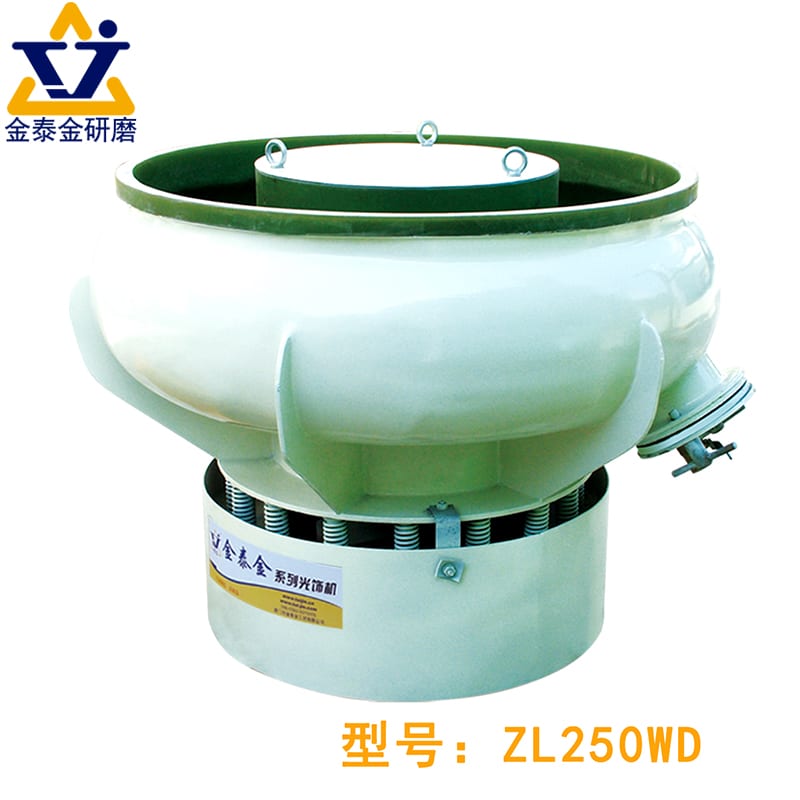
Before buying any machine, ask the supplier three workflow questions about their process rather than their brochure specs:
- How long does it take one operator to drain, swap, and store a full media charge?
- After swapping media grades, do we need to run a fresh sample trial before loading customer parts?
- When switching between carbon steel, stainless steel, and soft aluminum, what is the exact washdown procedure to prevent cross-contamination?
Minimum batch — the number that decides which orders you can take
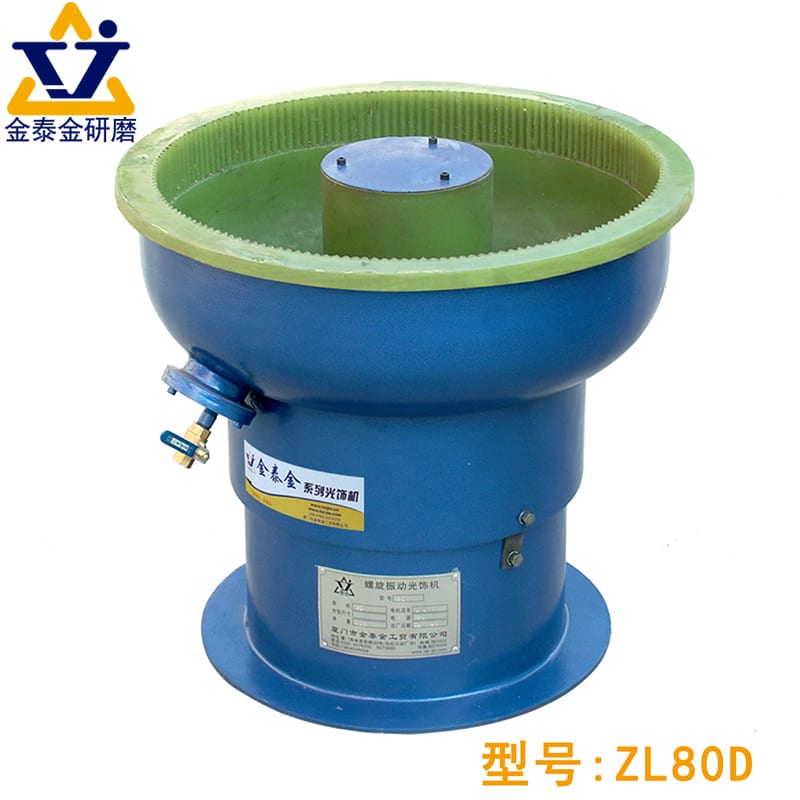
Every tumbling bowl or barrel requires a minimum working volume of media and parts to maintain proper rolling or toroidal action. Below a certain load level, the economics break down because water, compound, power, and media wear cannot be amortized across a handful of pieces.
Yet in contract manufacturing, small-lot rush orders and prototype runs often carry the highest profit margins because big production houses refuse to quote them. Your minimum batch floor decides whether you can profitably capture small orders, often by pairing a main bowl with a small tub or magnetic unit.
Note: This diagram is explained in the text and table above rather than shown as a separate figure.
Mixed loading — what can and cannot run together
To keep utilization high without waiting days to fill a chamber, profitable job shops consolidate compatible work orders into shared runs. Mixed loading follows strict physical rules:
- Never mix different base metals in the same wet load: Running steel parts alongside aluminum or brass causes galvanic staining, cross-contamination, and impingement bruising on the softer alloy.
- Never mix different surface finish grades: You cannot run rough edge-deburring parts and delicate bright-polished parts in the same media charge.
- Do batch-consolidate identical material and grade families: Grouping multiple customers' stainless steel brackets that all call for a standard satin edge-break lets you run a full bowl and sort the parts by geometry at unloading.
Floor space and the parts you did not think about
First-time buyers often measure the bowl alone. A complete bay also needs floor space for media storage hoppers, a rinsing station, a hot-air or cob dryer, compound drums, and a settling tank or water recycler. Auditing those footprints early ensures the line fits your building.
The Route Decision (What This Equipment Cannot Do)
Not every job shop needs the same starting machine. Match your dominant customer part mix against the six routes below.
The four route families, in one table
| Equipment Route | Best Job Shop Workloads | Changeover Difficulty | Minimum Batch Floor | Covered by Our Equipment? |
|---|---|---|---|---|
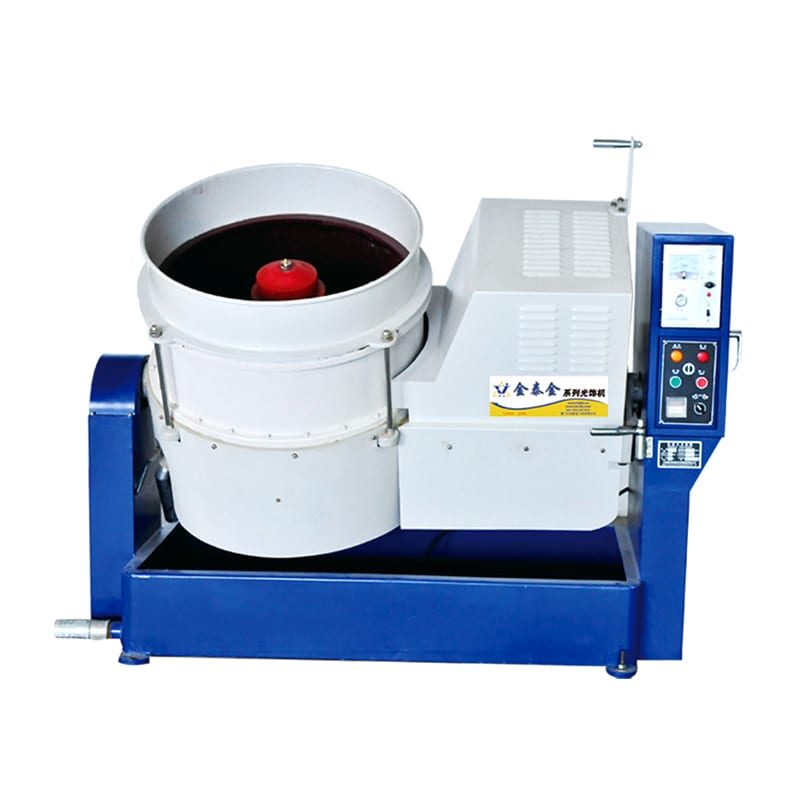
| Vibratory Finishing (Bowl / Tub) | General deburring, edge break, and satin smoothing on brackets and machined lots | Medium (hopper chute swap) | Medium | Yes — core starting machine |
| Rotary Barrel Tumbling | Gentle batch tumbling on thin stampings or heavy radiusing on rugged parts | Low (swap dedicated barrels) | High (per drum) | Yes — simple batch systems |
| Centrifugal Disc / Barrel | Fast-takt deburring on small gears, medical parts, and high-gloss isotropic runs | Medium-to-High | Medium | Yes — precision high-speed units |
| Magnetic Pin Polishing | Internal bores, cross-holes, threads, and recesses on small precision parts | High precision setup, fast tray swap | Low (suits tiny lots) | Yes — ideal second machine |
| Dry Organic Tumbling | Water-free final brightening on brass, hardware, and delicate small parts | Low | Low | Yes — dry rotary and vibratory |
| Manual Belt / Hand Blending | Oversized weldments, single-piece repairs, and localized grain touch-ups | None (hand tool) | Single piece | No — we do not build belt sanders |
Where each stops working
A circular vibratory finishing machine covers general deburring, tub vibrators handle long shafts, and rotary barrel tumbling machines suit gentle sliding batches. An isotropic finishing job shop or isotropic mass finishing job shop (or iso finishing job shop) runs high-energy refinement for ultra-smooth gears, yet no tumbler replaces heavy belt grinding or plating.
Why a job shop often needs the second machine, not the first
Here is a vital business insight: a job shop often makes its highest margins on its second finishing machine, not its first.
Your first bowl covers standard brackets. However, parts with internal cross-hole burrs, oversized profiles, or mirror specs are the exact jobs competitors decline. Adding a second unit like our magnetic finishing machines captures that high-margin work.

Make-or-Buy, and the Middle Option Nobody Considers
In-house finishing is not an all-or-nothing choice between building a massive department or outsourcing everything.
The three-position decision: buy, outsource, or both
- Full In-House: Best for large shops with steady, high-volume repeat contracts.
- Full Outsourcing: Best for shops with small, unpredictable lots or specialized chemical coating needs.
- The Hybrid Approach (Often the Right Answer): The smartest setup for most job shops is a hybrid model — finishing your core, repeatable work in-house while sending specialized or overflow work outside.
Note: This diagram is explained in the text and table above rather than shown as a separate figure.
When keeping an outside vendor is the smart play
Keeping an active relationship with outside finishers lets you offload dirty, heavily scaled castings, plating jobs, and rare alloys without buying specialty media that would sit unused in hoppers.
What a hybrid arrangement looks like
In a hybrid shop, an in-house vibratory bowl and dryer handle daily CNC and laser deburring. Why do shops love this setup? Because outside vendor lead times are beyond your control. When a customer demands fast turnaround on a rush order, an outside vendor's queue will cost you the job; owning core finishing capacity buys lead-time control, not just cost savings.
What to Ask Before You Sign
When evaluating suppliers across our machines range, ask these five operational questions before signing.
The five questions that separate suppliers
| # | Question to Ask the Supplier | Why It Matters to a Job Shop |
|---|---|---|
| One | How long does a full changeover take, and do we need to re-trial after swapping? | Decides how many distinct jobs you can run per shift. |
| Two | What is the minimum batch load this chamber can run economically? | Determines whether you can profitably take high-margin small orders. |
| Three | How do we prevent cross-contamination between steel, brass, and aluminum? | Dictates how you schedule and batch-mix customer lots. |
| Four | Which parts in our mix can this setup cover, and which can it not? | Tells you which outside vendors you still need to keep. |
| Five | Does switching from satin to bright require swapping the entire media charge? | Reveals your true media hopper storage and inventory needs. |
What a real trial needs to look like
Never accept a trial run on generic stock washers. Send your own tough parts — threaded fittings, soft aluminum housings, and laser-cut brackets — and ask the supplier to document the exact changeover and media recipe.
The answers that should make you walk away
Walk away if a vendor tells you any of these four things:
- "This machine finishes every part imaginable." Suppliers who claim zero process boundaries cannot be trusted.
- "You do not need sample testing." Your parts and alloys behave differently from generic showroom samples.
- "Changeover is instant" — without explaining the draining and rinsing workflow. That means they have never operated in a high-mix job shop.
- "This machine replaces all outside vendors." No single tumbler replaces belt grinding, plating, and anodizing.
Cost Structure for a Job Shop
Budgeting an in-house cell requires tracking five cost lines across the life of the installation.
Note: This diagram is explained in the text and table above rather than shown as a separate figure.
Five cost lines, and which one surprises people
- Machine & Fixturing: The tumbler, sound cover, variable speed drive, and chamber dividers.
- Initial Media Charge: The first fill of ceramic, plastic, or organic media for your starting recipes.
- Ongoing Media & Compound Consumption: Continuous wear of media stones and liquid compound dosing.
- Operator Labor: Time spent loading, unloading, changing media, washing, and inspecting parts.
- Floor Space & Ancillary Gear: Rinsing, drying, media separation screens, storage bins, and water treatment.
Why the media bill is a throughput cost, not a supply cost
Tumbling media is not a one-time shelf supply — it is a throughput cost that moves directly with utilization. The more batches you run, the more media wears down. When comparing in-house finishing against outsourcing, always calculate media and compound consumption per monthly batch run, never as a static annual purchase.
When the second machine pays for itself and when it does not
A second machine should never be judged by whether it runs the same parts faster — judge it by whether it captures orders your first machine cannot touch. Speeding up existing runs rarely pays off because job shops need broader capability, not just bowl speed.
At Xiamen Jin Tai Jin Grinding Technology Co.,Ltd. (certified under ISO 00726Q01571R001 and CE, with 21 machine platforms and 24 IP rights), we do not operate a contract job shop — we build the equipment a job shop runs. We never compete for your customer orders; we supply vibratory, barrel, centrifugal, and magnetic finishers, dryers, media, and compounds, while leaving belt sanders, grinders, plating, anodizing, passivation, and electropolishing to others. Reach out via our contact page to review your part mix.
Frequently Asked Questions
What does a mass finishing job shop actually do?
A mass finishing job shop processes customer batches of machined, stamped, or cast parts in vibratory, barrel, centrifugal, or magnetic machines to deburr edges, descale, or apply uniform matte, satin, or bright finishes.
Is it cheaper to buy finishing equipment than to outsource?
Not always. Outsourcing is a variable cost paid per piece, while owning equipment is a fixed cost that only beats outsourcing once machine utilization is high enough. However, many shops buy equipment to control rush delivery lead times rather than just to cut per-piece cost.
How much volume do I need to justify a finishing line?
There is no universal number, but the rule is clear: evaluate steady monthly volume, changeover frequency, and landed outsourcing cost. Small, erratic volume stays outsourced; steady weekly volume favors buying.
Can one machine handle both deburring and polishing?
Yes, one vibratory bowl or barrel can run both deburring and polishing if you swap media between stages. Many busy shops add a second barrel to avoid changeover downtime.
What is the difference between a job shop and a captive finishing department?
A captive department finishes its own company's repeatable product line, optimizing for single-recipe consistency. A job shop finishes constantly changing parts and alloys from many outside customers, making fast changeover, batch flexibility, and broad capability the top priorities.
What equipment do job shops typically start with?
Most shops start with a circular vibratory bowl (or tub vibrator for long parts) to cover general deburring. Shops focused on small parts with internal bores often start with a magnetic finisher.
 +86-592-2381506


 IPv6 network supported
