

`Tumbling Media Maintenance` SOP: Weekly Fragment Screening, Fill-Line Top-Ups, and Color Segregation

Finishing managers rarely blame a maintenance lapse when deburring cycle times stretch mid-month, bolt holes suddenly fill with jammed stone tips, or bright aluminum parts emerge with mysterious rust spots. Yet all three failures trace directly back to neglected tumbling media maintenance: letting worn chips shrink unscreened, failing to top up working fill lines after attrition, or mixing scoops across carbon-steel and non-ferrous bins.
The central thesis of this standard operating procedure is simple: disciplined tumbling media maintenance boils down to four repeatable habits—weekly separator-deck screening to purge undersized fragments before they lodge, daily working fill-line replenishment to protect tumbler media ratio and kinetic shear, clean single-pass LC10/HM3 bed washing, and strict color-coded segregation separating ferrous, stainless, and non-ferrous lines.
In this engineering SOP, you will build a practical weekly screening schedule across ceramic, synthetic plastic, high-alumina, 304 stainless, and dry organic media, integrate pneumatic separation decks cleanly, and eliminate mid-shift downtime.
Why Weekly Tumbling Media Maintenance Protects Throughput and Quality
How Media Attrition Silently Erodes Kinetic Energy and Cushioning
Every hour of aggressive high-frequency ceramic or resin-bonded plastic cutting wears stones slightly smaller. As total media volume drops below the bowl's working fill gauge, toroidal rolling velocity slows down, tumbler media ratio shrinks relative to fixed part batch counts, and workpieces start colliding part-on-part—causing crescent chamfer dings and longer cycles. Review our tumbler media ratio guide.
Stopping Late-Cycle Bore Wedging Before It Starts
Brand-new ceramic triangles and plastic cones sized cleanly above bolt-hole diameters will eventually wear thin enough to cross straight into the hole-wedging danger zone. Purging undersized fragments weekly across your vibratory separator screen removes shrinking chips long before operators spend hours picking jammed stones out of parts. Explore our non-lodging media sizing guide.
Protecting Bottom Drain Grates and Polyurethane Bowl Liners
Broken ceramic slivers and worn plastic wafers lodge inside bottom bowl drain grates, blocking single-pass LC10 drainage and flooding bowls with dirty slurry that triggers ceramic media glazing. Regular fragment screening keeps drain slots wide open and extends polyurethane liner life. See our ceramic media glazing fix guide and polyurethane bowl liner replacement guide.
Screening & Replenishment Schedules Across All Five Media Families

Stage 1 High-Frequency Ceramic Media: Weekly Chip Purge & Fill-Line Top-Up
Because vitrified high-frequency ceramic wears predictably under continuous steel, stainless, and titanium cutting, discharge the charge weekly across a classification screen sized to drop thin broken tips while keeping crisp full-bodied stones—then pour fresh ceramic media straight back to the working fill gauge. Review our ceramic tumbler media guide and ceramic triangle media guide.
Stage 1 Resin-Bonded Synthetic Plastic Media: Fast-Wear Monitoring
Because lightweight polyester/urea plastic cones and pyramids wear faster than vitrified ceramic on aluminum and brass die castings, inspect working fill levels daily beside ZL bowls and LLB50 toroidal centrifugal discs, screening worn wafers weekly so polymer silt never plugs drains. See our synthetic plastic tumbling media guide and plastic cone vs pyramid media guide.
Stage 2 High-Alumina Porcelain & 304 Stainless Balls: Bed Washing Over Screening
Non-abrasive high-alumina spheres and 304 stainless balls wear extraordinarily slowly across hundreds of batches. Their primary tumbling media maintenance task is periodic clean media-only washing with warm water and compound-LC10 to strip hard-water scale or soap film, alongside magnetic tramp-iron screening on stainless tubs. Explore our porcelain ball burnishing media guide and stainless steel tumbling media guide.
Stage 3 Dry Organics (Walnut Shell 8#-80#, Corncob, Hardwood Pegs)
Sift dry walnut shell (8#-80#), corncob, and hardwood pegs periodically across fine screens to purge pulverized organic flour and broken wood splinters, replacing darkened moisture-saturated charges promptly before clumping occurs inside blind threads. Review our corncob drying media grades guide and walnut shell mesh 8 to 80 guide.
| Media Family | Primary Attrition Risk | Recommended Screen Interval | Replenishment / Clean Action | Key Quality Hazard Prevented |
|---|---|---|---|---|
High-Frequency Ceramic |
Tip chipping & gradual shrinkage | Weekly screen purge | Top up fresh stones to working fill line | Hole wedging, slow cut & drain clogging |
| Resin-Bonded Plastic | Faster polymer matrix wear | Weekly screen + daily fill check | Top up matching cut grade to fill line | Chamfer bruising & polymer drain sludge |
High-Alumina Spheres |
Mineral scale / oil darkening | Monthly inspection + rinse | Run empty media wash with LC10 |
Dull grey haze on mirror aluminum/titanium |
304 Stainless Steel Balls |
Tramp carbon dust / soap film | Monthly tramp-iron check | LC10 wash + dry storage if idle |
Galvanic rust spotting on stainless parts |
Dry Walnut / Corncob / Wood |
Organic flour & moisture saturation | Per-shift sifting check | Purge flour; replace darkened bed | Thread clumping, lint & static haze |
Separator Decks, Drain Grates, and Settling Tank Integration
Setting Pneumatic Separation Screen Decks for Two-Way Classification
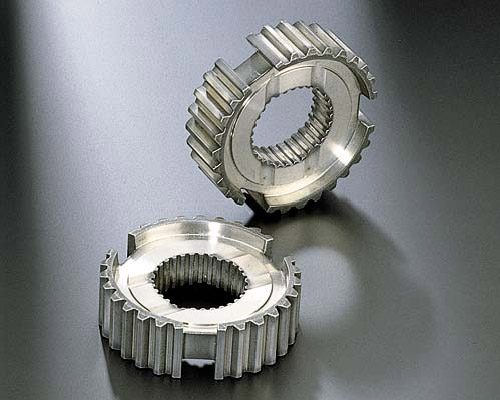
Modern SurfacePolish ZL circular bowls equipped with pneumatic separation screen decks make tumbling media maintenance fast and ergonomic: swap in a classification screen grid during scheduled weekly maintenance to drop undersized chips cleanly into waste totes without manually shoveling the whole bowl empty. See our pneumatic separation screen deck guide.
Brushing Bowl Drain Slots and Auditing Settling Tank Baffles
Pair weekly media screening with daily shift-start brushing of bottom drain grates and scheduled sludge cleanout in your multi-baffle settling tank. Clean drainage keeps fresh single-pass LC10, MC8 (steel only), HM3, and JTJ chemistry flowing steadily without stagnant grey buildup.
Downstream 35A/70A Spin-Dryer Maintenance Keeping Parts Spotless

Keep heated 35, 35A, 70, and 70A centrifugal spin-dryer baskets clean of stray broken ceramic chips and lint so high-speed drying never scratches mirror aluminum or traps damp debris against carbon steel. Review our centrifugal dryer guide.
Color-Coded Segregation, Reserve Storage, and Inventory Forecasting

Enforcing Strict Color-Coded Bins, Scoops, and Separator Screens
Never let an operator scoop carbon-steel ceramic stones with the same shovel used for 6061 aluminum high-alumina spheres or 304 stainless balls! Color-code every media tote, plastic scoop, transfer basket, and separator screen strictly by alloy family (carbon steel, stainless/titanium, aluminum/brass/zinc) to guarantee zero galvanic iron contamination.
Dry Elevated Storage for Reserve Pallets of Ceramic, Plastic, and Organics
Store reserve bags of ceramic, synthetic resin cones, walnut shell (8#-80#), corncob, and hardwood pegs sealed on dry pallets away from freezing loading docks, coolant mist, and metal grinding sparks so binders and organic shells stay fresh until loaded.
Logging Weekly Top-Up Weights to Forecast Pallet Reorders
Record weekly fresh-media top-up weights beside each ZL bowl, ZXL divided trough, LLB50 disc, and LLF120 centrifugal barrel. Tracking real attrition rates across shifts lets purchasing teams reorder bulk pallets smoothly before working fill levels ever dip.
Troubleshooting Neglected Tumbling Media Maintenance Symptoms
| Maintenance Failure Symptom | Likely Root Cause | Immediate Correction | Long-Term SOP Standard |
|---|---|---|---|
| Sudden jamming in holes mid-month | Unscreened worn ceramic/plastic chips | Purge undersized fragments across screen | Lock mandatory weekly fragment screening |
| Cycle times lengthening across shifts | Low media bed height (no top-ups) | Top up fresh media to working fill gauge | Daily shift-start fill-gauge verification |
| Rust spots on anodized aluminum/titanium | Shared scoops/bins with carbon steel | Flush high-alumina; isolate alloy tools |
Strict color-coded bins & catch baskets |
| Dirty bowl flooding & glazed ceramic | Plugged drain grates & full settling tank | Brush drain slots; clean settling baffles | Daily drain brush + scheduled tank cleanout |
| Sticky clumped corncob or walnut media | Damp un-spun parts or spent flour | Discard damp bed; spin-dry 35A/70A first |
Mandate spin-drying + sift flour regularly |
Qualifying Secondary Use of Screened Worn Fragments Safely
Occasionally, clean screened worn ceramic fragments can be repurposed on a smaller secondary part family—provided the worn size passes physical non-lodging clearance checks on the secondary part and stays strictly on the exact same alloy class.
Building an Operator-Proof Tumbling Media Maintenance Checklist
Daily Shift-Start Visual Checks (Under Two Minutes)
Before loading the first batch, operators inspect four checkpoints: working media fill height against the bowl lip gauge, clear bottom drain grates, active LC10/HM3 chemical drum levels, and clean single-pass spray-bar pressure. Catching a low bed or clogged drain early prevents an entire shift of slow cycles or glazed stones.
Weekly Classification Screening and Liner Inspection
Schedule one dedicated maintenance window each week to run active high-frequency ceramic and synthetic plastic charges across a classification screen, purging undersized slivers, topping up fresh stones to the working fill line, and checking polyurethane bowl ribs and discharge dams for grooving.
Monthly High-Alumina and 304 Stainless Bed Washing
Once a month—or sooner if mirror luster softens—run an empty media-only wash cycle with warm clean water and compound-LC10 on high-alumina spheres and 304 stainless balls, plus a magnetic tramp-iron sweep on stainless tubs.
Tracking Media Attrition and Chemical Usage by Machine Line
Logging weekly top-up weights and chemical drum swap dates beside each ZL bowl, ZXL divided trough, LLB50 disc, and LLF120 centrifugal barrel turns tumbling media maintenance into predictable inventory control rather than emergency firefighting.
Factory Capabilities & Verified Media & Machine Support
Founded in 1992, Xiamen Jin Tai Jin Grinding Technology Co.,Ltd. (SurfacePolish) engineers and manufactures 21 machine platforms backed by 24 granted Chinese IP rights and more than 200,000+ solutions across certified facilities (ISO 00726Q01571R001, CE M.2023.206.C88121, and CE M.2023.206.C88120). Alongside ZL circular bowls with pneumatic separation screen decks, ZXL/L1300–L1800 divided troughs, LLF120/LLB50 centrifugal finishers, OBD-30..100 magnetic polishers, and 35/35A/70/70A dryers, we supply the complete media and compound lineup (high-frequency ceramic, resin plastic cones/pyramids, iron-free high-alumina spheres, 304 stainless balls/pins, corncob, walnut shell 8#-80#, hardwood pegs, and LC10/MC8/HM3/JTJ/JTS5). Standard machines ship in 25–35 days and custom lines ship in 45–60 days. Send sample raw parts to surface-polish.com for complimentary media-attrition and screening validation. Honest boundaries apply: we do not supply dry sandblasting grit, hobby rock tumblers, or electroplating baths.
Frequently Asked Questions About Tumbling Media Maintenance
How often should I screen ceramic or plastic tumbling media for undersized chips?
Run a scheduled fragment-classification screen weekly on active high-frequency ceramic and resin-bonded plastic bowls (more frequently on high-energy LLB50 discs or LLF120 barrels) so worn slivers never reach hole-wedging dimensions.
What happens if operators forget to top up tumbling media after weekly screening?
Allowing the media bed to drop below the working fill line reduces kinetic rolling pressure, shrinks your tumbler media ratio, stretches cycle times, and causes crescent impingement dings between parts.
How do I clean high-alumina or 304 stainless steel balls if they turn dull grey?
Leave the non-abrasive ball charge inside the bowl by itself and run a clean media-only wash cycle using warm water and compound-LC10 until drain effluent runs clear, stripping mineral scale and oxidized soap film.
Why is color-coded segregation so critical in tumbling media maintenance?
Sharing scoops, screens, or catch baskets between carbon steel and 6061 aluminum, brass, or Grade 5 titanium transfers microscopic iron dust onto non-ferrous parts—causing galvanic rust spotting during anodizing or passivation.
How do I store partial bags of synthetic plastic or organic walnut/corncob media?
Roll inner plastic liners tightly shut inside sealed, clearly labeled dry drums or elevated pallet bins away from freezing docks, direct sunlight, coolant mist, and grinding sparks.
Can screened worn ceramic media chips be reused on another part number?
Only if the screened fragments are uniform in size, pass physical non-lodging clearance tests across every hole and slot on the secondary part, and run strictly on the same alloy class (carbon steel vs. stainless/titanium).
Does poor tumbling media maintenance damage polyurethane bowl liners?
Yes. Under-filled bowls let heavy parts strike polyurethane ribs directly, while unscreened broken ceramic wedges jam inside drain slots and tear liner surfaces. Weekly screening and daily fill-line checks protect liner longevity.
How can I audit my shop's media consumption and screening setup?
Send sample raw parts and current worn media samples to surface-polish.com for complimentary process review; our engineers recommend optimal vibratory separator screen apertures, working fill gauges, and LC10/HM3 flow rates.
How fast does synthetic plastic tumbling media wear compared to vitrified ceramic?
Resin-bonded plastic cones and pyramids wear noticeably faster than vitrified high-frequency ceramic because their softer polymer binder sheds grain steadily to protect soft 6061 aluminum, brass, and zinc from bruising. Checking plastic fill levels daily and screening weekly keeps cycle times steady.
Can poor tumbling media maintenance cause parts to come out with crescent collision dings?
Yes. When worn media losses go unreplenished across shifts, total media bed height drops and tumbler media ratio shrinks relative to fixed batch counts—stripping away the protective media cushion so heavy parts collide part-on-part.
What happens if operators forget to sift fine dust out of dry walnut shell or corncob media?
Accumulated pulverized organic flour coats smooth eyewear frames and acrylic lenses in a dusty static haze, slows dry wiping friction, and packs easily inside blind threads when trace moisture is present. Sift fine dust periodically and replace darkened charges promptly.
Why should I inspect heated 35A and 70A centrifugal dryer baskets during media maintenance?
Stray broken ceramic chips or hardened resin slivers carried into a 35, 35A, 70, or 70A centrifugal spin-dryer can scratch mirror-burnished aluminum or stainless parts during high-speed rotation. Wiping dryer baskets clean weekly protects final surface quality.
How do pneumatic separation screen decks speed up weekly tumbling media maintenance?
Pneumatic separation screen decks mounted on SurfacePolish ZL circular bowls let operators switch rapidly to a classification screen grid and drop undersized worn chips straight into waste totes without manually shoveling the bowl empty.
What happens if operators forget to brush bottom bowl drain grates during media maintenance?
Plugged drain slots trap dirty metallic swarf and worn resin silt inside the channel, triggering ceramic media glazing, overflowing foam on synthetic plastic lines, and dull grey smearing across aluminum and stainless steel workpieces.
Can dry corncob or walnut shell (8#-80#) media be washed with water and reused?
Never wash dry organic media (corncob, walnut shell 8#-80#, or hardwood pegs) with water! Moisture swells organic fibers into sour clumps. Instead, sift out pulverized flour periodically across fine screens and replace darkened, spent charges cleanly.
How do I prevent carbon-steel grinding sparks from contaminating aluminum burnishing tubs?
Locate dry grinding and carbon-steel ceramic stations physically separate from non-ferrous high-alumina and plastic lines, and enforce strict color-coded bins, catch baskets, and scoops so iron dust never triggers galvanic anodizing rejects.
How often should multi-baffle settling tanks be cleaned to support tumbling media maintenance?
Inspect overflow weirs weekly and shovel or pump settled ceramic and metal sludge out of multi-baffle settling tank compartments before silt reaches overflow baffles and backs up into bowl drainage.
Why does neglecting polyurethane bowl liner inspection ruin media screening results?
As polyurethane bowl ribs and discharge dam gates wear unevenly, broken ceramic slivers slip past worn gate clearances and ride into finished part totes instead of dropping through the vibratory separator screen. Checking liner thickness during weekly screening prevents sudden part damage and unscheduled downtime.
How do I track whether ceramic or plastic media is wearing faster than expected?
Log weekly top-up weights alongside machine run hours and alloy types beside every ZL bowl, ZXL trough, LLB50 disc, and LLF120 barrel. Sudden spikes in attrition usually point to dry starved LC10 dosing, overly aggressive motor counterweight lead angles, or un-degreased abrasive scale.
Can mixing fresh media and heavily worn media inside the same bowl cause uneven finishing?
Adding small daily top-ups of fresh media to maintain the working fill line after weekly fragment purging keeps particle size distribution remarkably stable. By contrast, letting a bed shrink drastically for months and then dumping an oversized slug of brand-new stones all at once creates inconsistent cutting pressure until the charge stabilizes.
What role does compound-LC10 play in extending active tumbling media life?
Continuous single-pass clean water paired with metered compound-LC10 cools sliding friction, floats metal fines straight through bottom drain grates, and stops sticky slurry from glazing ceramic pores or prematurely eroding soft resin-bonded plastic binders.
How do I verify whether worn media needs screening or complete replacement?
Inspect both stone size uniformity and cutting speed during weekly screening. If most full-bodied stones still cut cleanly once undersized slivers drop through the classification screen, simply top up fresh tumbling media to the working fill line; if remaining stones have rounded down completely and lost aggressive corner reach on sharp steel burrs, schedule a full fresh charge replacement.
 +86-592-2381506


 IPv6 network supported
