
After the Finishing Machine: Separate, Wash, Dry — and the Clock That Starts
The finishing machine does its job and stops. What happens in the moments right after that decides whether the job holds.
A part leaving a bowl is wet, carrying compound, mixed with media, and its surface has just been cut open with no protection on it. Water and air are both present, which is the fastest condition for oxidation to start. Three steps follow — separate, wash, dry — and each of them has one way to fail that undoes the finishing completely. This page is about those three steps and the clock that starts when the last one finishes.
How this hub connects to our guides: Our articles cover each link in this chain. Read how to prevent water spots, white film, and cloudy stainless steel after tumbling and why your parts have water spots after vibratory finishing and how to fix it for stains. See why a centrifugal dryer is a process step and choosing centrifugal spin, media drying, or hot air after mass finishing for dryers. Check the steel finishing media route and the rust window and vibratory finishing water and compound control for dosing.
The Moment the Part Leaves the Machine
Operators often relax when the bowl timer buzzes and the unload gate opens. Whether running aluminum cleaning or a vibratory cleaner on steel, unloading starts the highest-risk window.
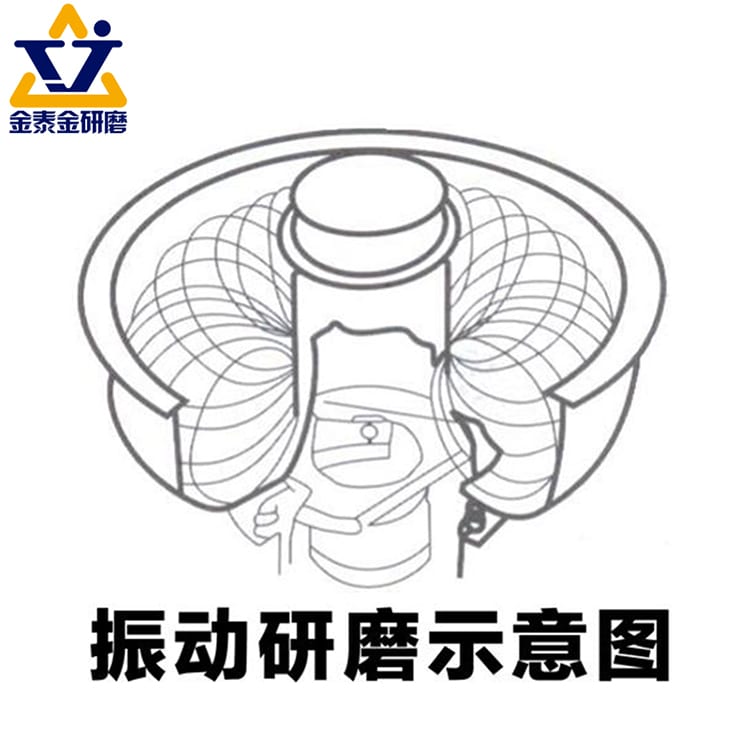
What state the part is actually in at unload
When a workpiece exits a wet vibratory finishing machine or barrel, it is not finished yet. It is soaking wet, coated in spent compound and fine swarf, and mixed with media stones. Above all, the media just sheared off the oxide skin, leaving raw metal exposed.
Why this is the most vulnerable moment in the entire routing
Bare metal rarely corrodes fast when bone-dry, and compound protects it inside the bowl. At unloading, the freshly cut surface has zero barrier while water and oxygen meet on the metal simultaneously. Every moment the wet part sits in a tote lets staining and flash rust start.
Three post-finishing steps, three distinct failure modes
Three post-finishing steps must run in strict order, and each has one failure mode.
- Incomplete separation: Media stones stay wedged in holes, enter the wash tank, and scratch the surface.
- Incomplete washing: Compound carryover and metallic smut dry onto the part as a bonded white film.
- Improper or delayed drying: Water droplets evaporate unevenly, leaving mineral water spot rings where rust starts.
Why a mistake here zeroes out all upstream work
These three steps are not minor cleanup chores; they decide whether the batch passes inspection. Every post-finishing step happens after you paid for machining, media wear, and cycle time. One mistake here wipes out upstream work and forces re-tumbling. Mass finishing creates the surface, but unloading starts its most dangerous phase.
Step One — Separate, and What Poor Separation Costs
The first post-finishing job is getting every media stone away from the parts without nicking the finish.
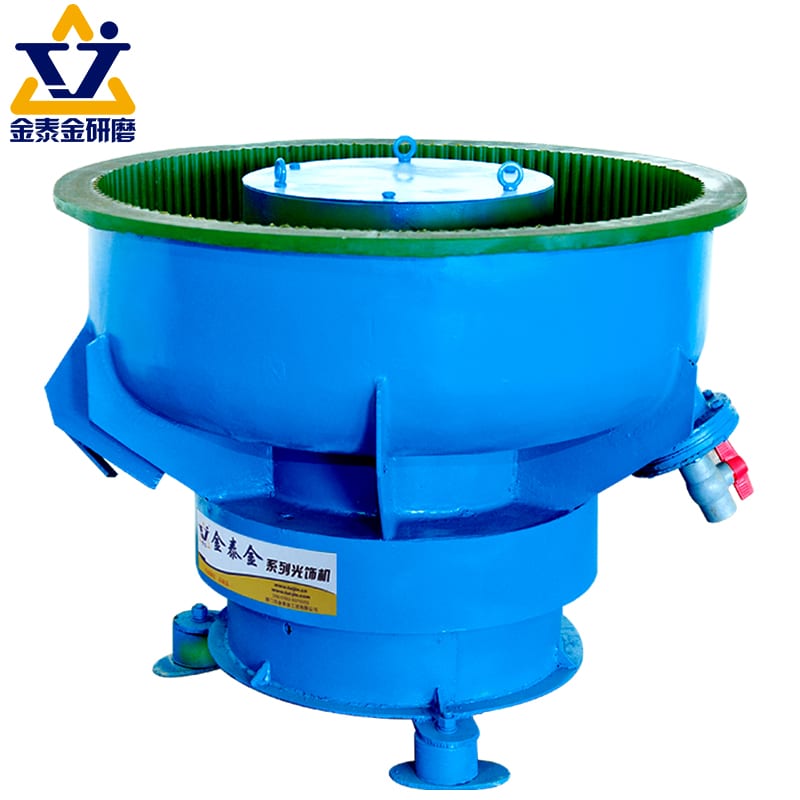
Three separation routes and where each one stops working
Shops separate parts from media using three mechanical routes based on part size, alloy, and batch volume.
- Vibratory screen separation: An integrated deck or part separator (parts separator, vibratory screen separator, round vibratory separator, or round separator) shakes media through a screen while parts ride across. Metal separation machinery and separation devices use heavier decks than units in the circular vibrating separator market or a beverage vibrating separator.
- Magnetic separation: On the steel-media route, a magnet lifts steel pins away from non-magnetic separator parts.
- Manual or basket sorting: Operators use coated baskets or hand picking when parts are too heavy or fragile.
What poor separation actually costs — scratches in the wash tank
When operators rush a vibrating separator or screener separator, stray stones ride into the rinse basket. If loose or wedged media stones enter an agitated wash tank or spin dryer, they scratch the fresh finish. Many scratches blamed on tumbling actually happen during washing and drying after sloppy separation.
Note: This diagram is explained in the text and table above rather than shown as a separate figure.
The two physical limits of screen separation
Even a high-capacity vibratory separator or industrial vibratory separator (industrial vibratory separators, vibratory separation equipment, vibratory separator equipment, vibratory sieve separators, or vibratory separator machine) hits two geometric limits on the floor.
- Small or thin parts falling through the deck: Washers or pins narrower than screen openings drop into the media hopper.
- Complex parts snagging on screen holes: Parts with hooks, studs, or tangs catch in mesh holes and stall flow.
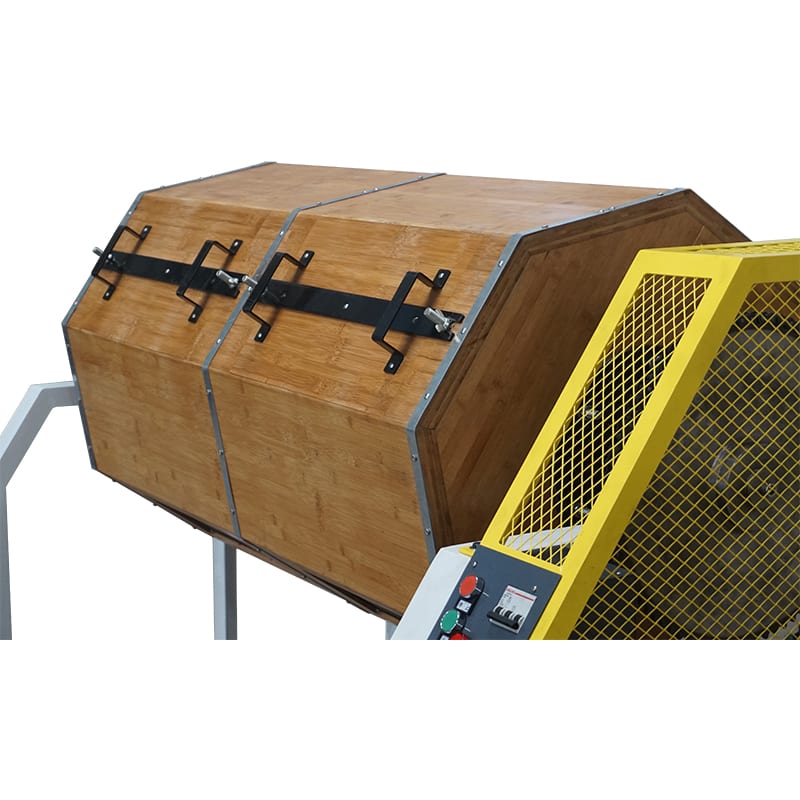
The quick pocket-check before washing
Before dumping a separated basket into the washer or dryer, enforce one check at the chute. Right after separation and before washing, turn a handful of parts over to check for stones wedged in holes. Catching a lodged stone at the screen saves the batch from wash-tank scratching.
| Route | Best For | Where It Fails | Built by Us? |
|---|---|---|---|
| Vibratory Screen | Parts larger than media | Thin parts drop; hooks snag | Yes — screen decks |
| Magnetic Unit | Non-magnetic parts in steel media | Magnetic parts in steel media | Yes — magnetic units |
| Racked Basket | Delicate, heavy parts | High-volume stampings | Yes — racks/baskets |
Step Two — Wash, and Why "Rinse" Is Not Enough
Once media stones are gone, buyers using a tumbler parts cleaner, vibrating parts cleaner, or parts cleaning tumbler often think a cold splash is enough. It never is.
Two contaminants that must come off together: carryover and smut
Post-finishing washing must strip two layers at once. First, it flushes carryover — the sticky film of soapy compound and salts on the wet part. Second, it removes smut — the fine paste of metal dust and media powder in pores. Whether running degreasing of stainless steel in a vibratory parts cleaner or a bolt cleaner tumbler (parts tumbler cleaner / parts cleaner tumbler), leaving either layer ruins the finish.
How compound carryover turns into a surface defect
Inside the bowl, liquid compound stays diluted in flowing water to suspend dirt. When the part lifts out, that carryover film drags suspended swarf along and concentrates as water evaporates. A brief cold splash leaves concentrated carryover trapped inside threads, recesses, and flat faces.
White film is a bonded film, not loose dirt
The top complaint after tumbling aluminum, zinc, or stainless steel is chalky white spots on dry parts. That white spot or cloudy haze is rarely loose dirt — it is a bonded white film formed when carryover dries.
Note: This diagram is explained in the text and table above rather than shown as a separate figure.
Here is the shop-floor test between loose dirt and a bonded film.
- Loose dirt or dust wipes right off with a dry cloth.
- A dried carryover film will not wipe off because it chemically bonded to the fresh metal skin.
Once a white film bakes onto the part in the dryer, re-washing fails and the batch must be re-tumbled.
Note: This diagram is explained in the text and table above rather than shown as a separate figure.
Timing — why you can never wash parts and leave them sitting wet
Washing and drying are two halves of one continuous step. Once parts are washed clean, you can never leave them sitting wet waiting for the dryer. Gravity pulls water and trace ions down to bottom edges, starting corrosion before drying begins. Washing without immediate drying equals not washing at all.
Step Three — Dry, and Why Hotter Is Not Better
After a clean rinse, the third task is removing all liquid water using an industrial parts dryer before minerals settle.
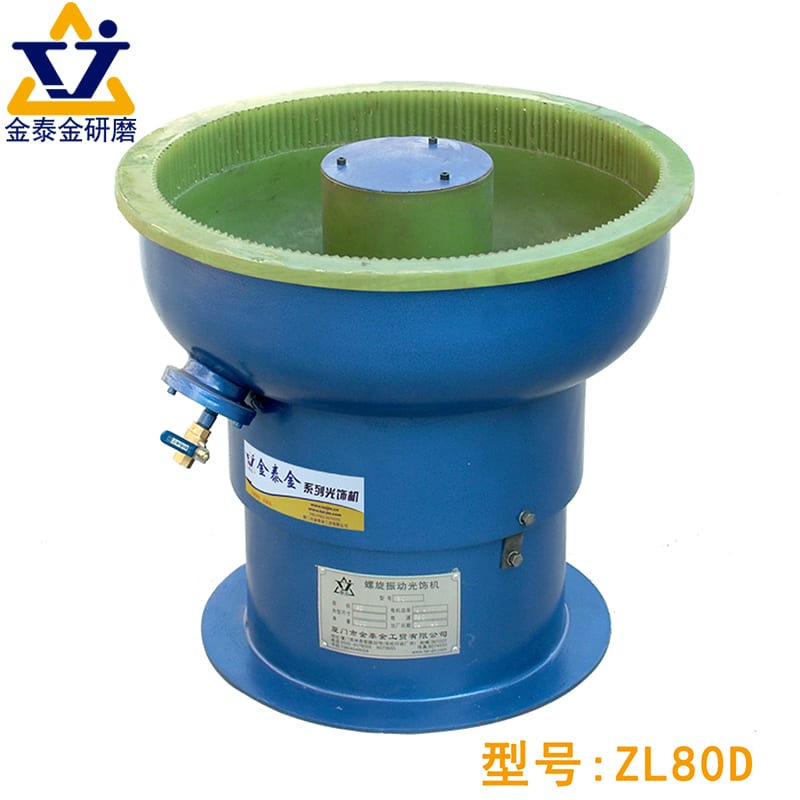
Three drying methods and where each one fits
Industrial finishing cells rely on three mechanical drying routes, each with strict geometry limits.
- Centrifugal spin drying: A basket spins in a heated drum (like our hot-air centrifugal spin dryer), flinging water off before warm air dries the face. It suits sturdy hardware, though spin forces can bend thin walls.
- Hot-air vibratory drying: A vibratory dryer or spiral vibrating dryer moves parts gently through warm airflow without tangling.
- Organic media drying: Parts run in a dry tumble bowl with corn cob or walnut cleaning media (dry deburring machine). Cob wipes water out, though damp cob needs replacement and granules lodge in holes. Compare media in wet tumbling vs dry tumbling.
| Method | Mechanism | Best For | Avoid On | Built by Us? |
|---|---|---|---|---|
| Centrifugal Spin | Spin force + warm air | Sturdy bolts, brackets | Fragile thin parts | Yes |
| Hot-Air Vibratory | Vibratory travel in heat | Castings, continuous flow | Deep blind cups | Yes |
| Corn Cob Dryer | Cob wipes moisture | Bright brass, flat parts | Tiny blind holes | Yes |
Why cranking up the heat is a mistake
When parts exit a dryer damp in corners, operators often turn the heater all the way up. In industrial parts drying, hotter is not better. Excessive heat flashes water off the skin before droplets drain, baking trace minerals onto the metal. On aluminum, brass, or plated parts, overheating causes tarnish or heat tint; mechanical water removal with moderate warmth wins.
How water spots actually form — the last-drop mechanism
Why do water spots always appear in the exact same places on a workpiece? Water never evaporates evenly across a face at once — it shrinks into a final droplet where dissolved minerals concentrate. That is why a water spot forms along bottom edges or recesses. Spin drying or cob wiping prevents spots by removing the drop before evaporation concentrates its salts.
Note: This diagram is explained in the text and table above rather than shown as a separate figure.
How to tell when a batch is truly dry
Operators often check a cooled dryer load later in the shift and assume the cycle was right. The only accurate way to verify dryness is inspecting a sample part the instant it exits the dryer. If it exits steaming hot early, you are over-baking; if blind holes stay damp at unload, moisture bleeds out in the bag.
The Rust Window: Drying Is Not the End
Even when separation, washing, and drying run cleanly, a fourth factor ruins batches overnight: the rust window.
Note: This diagram is explained in the text and table above rather than shown as a separate figure.
What the rust window actually is
The rust window is the time gap between when drying finishes and when the part enters its next protective stage. Downstream protection includes passivation, plating, coating, oil, or sealed VCI packaging. During this gap, the freshly abraded metal sits bare and reactive in shop air.
Why finishing the drying step starts a countdown clock
Many shops treat the dryer unload basket as a safe buffer where parts can wait until next week. Drying is not the finish line of protection — the instant drying ends, the rust-window clock starts ticking. While drying stops wet corrosion, bare steel, iron, brass, and copper immediately react with shop humidity.
Why parts that looked great yesterday look dull or rusty today
Managers often ask why parts that exited the dryer bright yesterday afternoon look dull or rusty this morning. When parts darken or spot overnight after a clean dry, the tumbling recipe did not fail — your rust window stayed open too long. The finishing machine did its job, and the unprotected wait undid it.
Four shop-floor factors that shrink your rust window
Four shop-floor variables control how fast that countdown clock runs out.
- Ambient shop humidity: Coastal or rainy shops have a shorter rust window than dry rooms.
- Surface roughness state: A coarse matte surface traps more moisture than a burnished face.
- Bare-hand sweat: Unloading dry parts without gloves leaves salty sweat tracks that etch rust.
- Storage stacking: Piling warm parts in closed totes traps humidity, whereas VCI bagging protects them.
Note: This diagram is explained in the text and table above rather than shown as a separate figure.
Once drying finishes, deciding how long the part sits unprotected is a scheduling question rather than an equipment question.
The Sequence That Actually Works
To eliminate post-finishing rework, connect the bowl, screen, rinse, dryer, and next step into one six-step chain.
The six-step post-finishing routing
- Step One — Separate: Screen or magnetically separate parts from media gently without bruising.
- Step Two — Check for lodged media: Inspect a handful to confirm zero stones sit in holes.
- Step Three — Wash away carryover and smut: Flush parts with clean flowing water before anything dries.
- Step Four — Dry completely and steadily: Spin-dry, hot-air dry, or cob-dry right away so zero drops remain.
- Step Five — Move straight to the next operation: Send dry parts directly to passivation, coating, or packaging.
- Step Six — Apply temporary hold protection if delayed: If downstream steps wait, apply rust inhibitor or VCI film immediately.
Why none of the three handoffs can wait until tomorrow
In a reliable finishing cell, unloading, washing, and drying run as one unbroken baton pass. None of these three transitions should ever sit in a bin waiting until tomorrow morning. Stopping before washing bakes on white film; stopping before drying causes water spots; stopping after drying opens the rust window.
The two handoffs that fail most often on the shop floor
Across factory audits, two transition points cause almost all post-finishing scrap.
- The separation-to-wash handoff: Operators dump screened parts into a washer or dryer without checking for lodged media, scratching bores.
- The dry-to-next-operation handoff: Parts exit the dryer clean on Friday, sit uncovered all weekend, and fail inspection on Monday.
Why the real cost of post-finishing is scheduling, not hardware
Shop owners often assume fixing water spots or overnight rust requires buying an expensive chemical line. In reality, post-finishing quality depends on production scheduling rather than extra machinery. A factory that schedules separation, rinsing, drying, and packaging continuously achieves clean yields without re-tumbling.
| Step | Action | Wait? | Result If Delayed | Built by Us? |
|---|---|---|---|---|
| One — Separate | Screen or lift media | No | Media scratches parts | Yes (screen/magnet) |
| Two — Check | Check holes for stones | No | Stones jam threads | No (operator) |
| Three — Wash | Flush carryover & smut | No | Bonded white film | Partial (soaps) |
| Four — Dry | Spin, air, or cob dry | No | Water spot & rust | Yes (dryers) |
| Five — Next | Passivate, coat, pack | Minimal | Overnight tarnish/rust | No (downstream) |
| Six — Hold | Inhibitor / VCI seal | After seal | Bare metal oxidizes | Partial (inhibitors) |
What We Build, and Where the Line Is
At Xiamen Jin Tai Jin Grinding Technology Co.,Ltd., certified under ISO 00726Q01571R001 and CE standards, we build mass finishing systems across 21 machine platforms and 24 IP rights. Whether buyers search for clean finishing, vibratory cleaning, a vibrating cleaning machine, or industrial vibrators for cleaning, we draw a clear line around what we build.
The post-finishing equipment and consumables we build
Across our machines catalog, we build the hardware and compounds that keep the post-finishing chain moving.
- Separation Systems: Integrated screen decks, vibratory screen separators, and magnetic separators.
- Industrial Dryers: Centrifugal hot-air spin dryers, corn-cob dryers, and drying ovens.
- Compounds: Liquids in our finishing compounds range for shops asking how to clean and polish stainless steel or clean and polish stainless steel in bulk. They also answer how to use stainless steel cleaner and polish in tumblers instead of a magic stick metal cleaning pen.
Why we do not design custom washing chemistry processes
Let us state an honest boundary: while we make tumbling compounds, we do not design custom multi-stage chemical washing lines or custom cleaning chemistry. A washing recipe depends on three variables inside your plant: your cutting oils, your tap water hardness, and your local discharge rules. Because those three factors sit in your facility, we never hand out a universal washing-line formula from afar.
Our real role — giving you the hardware to run the chain without stopping
Here is what our equipment does for your yield: we build the mechanical links that let operators run separation, rinsing, and drying without stopping. Our screens separate media fast, our rinse decks flush carryover wet, and our spin dryers strip water immediately. How long parts wait between steps, however, is shop-floor scheduling rather than machine hardware.
The honest rule when configuring your line
We configure equipment around what your floor actually needs. If you have a rinse station and only need a spin dryer to stop water spots, we sell you just the dryer. If you need a full bowl, separator, and dryer train, we build it — and if you need an ultrasonic washing line, we tell you to call a washing vendor.
Frequently Asked Questions
Do I really need to separate parts from media by machine?
That depends on batch volume and part size. If you run a few heavy castings per shift, lifting them out by hand works fine. For hundreds of small stampings per batch, hand picking is too slow and leaves stones behind, making a vibratory screen separator or magnetic separator essential.
Why do my parts have white spots after finishing?
White spots or a cloudy haze are rarely loose dirt. They are a bonded white film formed when unwashed carryover, metallic smut, and water minerals dry onto fresh metal. Flush carryover off with clean water before drying; a baked-on film requires re-tumbling.
Is it better to air dry or spin dry?
Never let tumbled parts air-dry in open baskets. Slow evaporation concentrates dissolved minerals into the last droplets, causing water spots and rust. Use a centrifugal spin dryer for sturdy hardware, a corn-cob dryer for bright parts, or a hot-air vibratory dryer for delicate shapes.
What is a rust window?
The rust window is the time gap between when drying ends and when the part gets protection like passivation, coating, oil, or VCI packaging. Because tumbling strips the oxide skin, freshly dried metal reacts fast with humidity and sweat. Drying is not the end; it starts the rust-window clock.
Can I wash parts and leave them overnight?
No, never leave washed parts sitting wet overnight. While wet parts sit in a tote, gravity pulls moisture and salts to bottom edges, creating stains and flash rust. If you cannot dry and protect a batch right away, do not wash it.
What equipment do I need after a finishing machine?
Most batch cells need a separation unit (a screen deck or magnetic separator), a flowing rinse station, and an industrial dryer (a spin dryer or cob dryer). We build the separators, spin dryers, cob dryers, and compounds for that train. Ultrasonic washing lines and water treatment come from washing vendors.
 +86-592-2381506


 IPv6 network supported
