

Titanium Surgical Screws Finishing: Iron-Free Ceramic Deburring and High-Alumina Mirror Burnishing

Medical device manufacturing engineers managing titanium surgical screws finishing for Grade 5 (Ti-6Al-4V) orthopedic bone screws, spinal pedicle fasteners, and dental implants face strict metallurgical rules that do not apply to ordinary steel hardware. Titanium's low thermal conductivity, extreme galling sensitivity, and zero tolerance for free-iron cross-contamination mean conventional carbon-steel tumbling workflows cause immediate rejection. Dropping surgical titanium screws into heavy 304 stainless steel balls—or allowing acidic compound-MC8 or carbon-steel scoops anywhere near the cell—transfers microscopic iron onto titanium surfaces and triggers anodizing blotches or biological testing failures. Pairing fine high-frequency ceramic deburring (compound-LC10) with iron-free high-alumina porcelain spheres (compound-HM3 or JTJ50), RO-water rinsing, and heated 35A spin-drying preserves crisp thread crests and mirror luster cleanly.
Metallurgical & Thread-Geometry Demands of Grade 5 Bone Screws
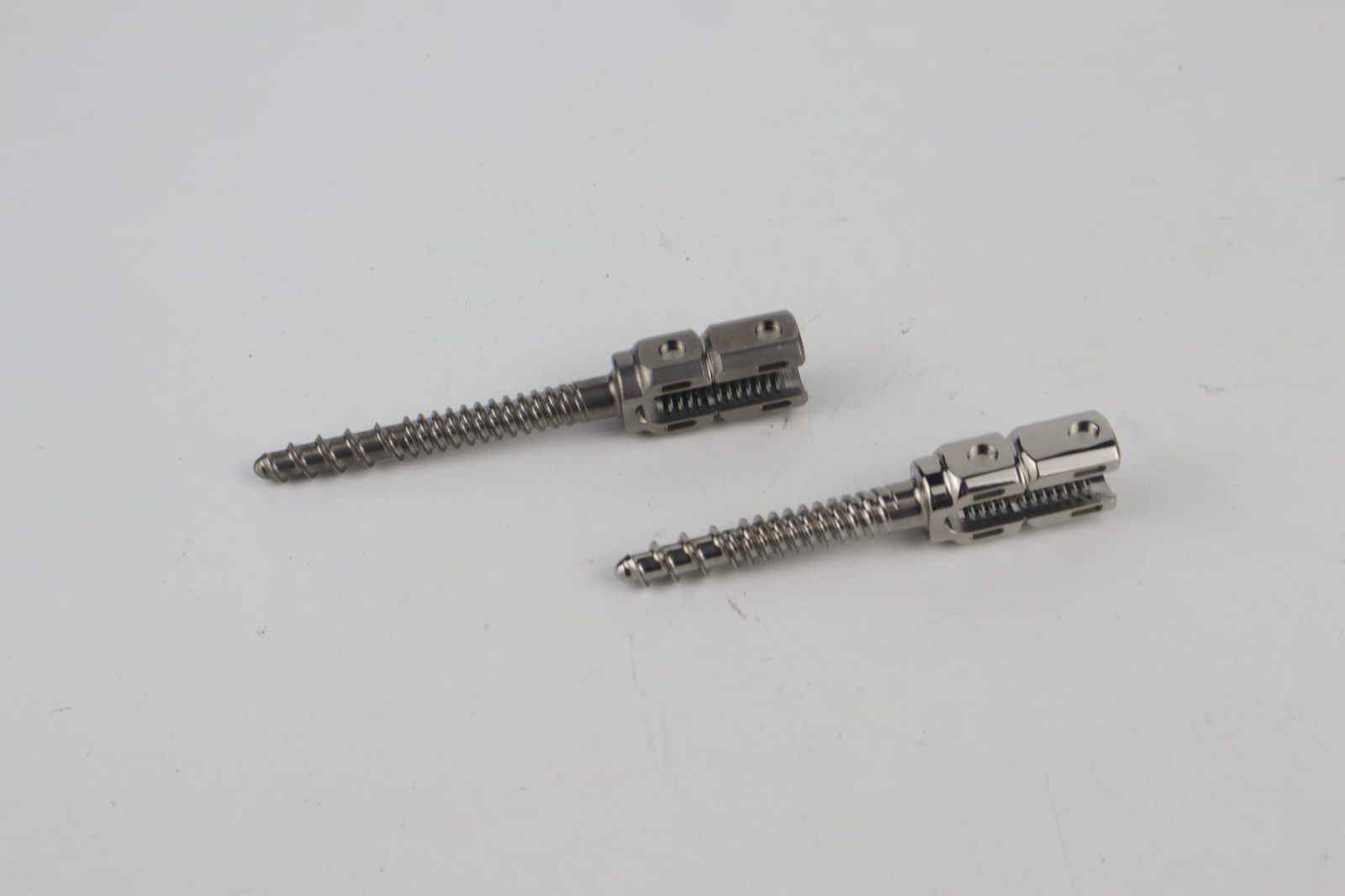
Protecting Sharp Self-Tapping Thread Crests and Torx Drive Recesses
Orthopedic bone screws combine razor-sharp self-tapping thread crests with deep hexalobe (Torx) or hexagonal driver sockets. Aggressive oversized ceramic stones inside high-amplitude bowls dull thread cutting flutes and roll over drive socket corners, while poorly sized triangles wedge straight into drive recesses! Select compact fine-cut high-frequency ceramic shapes or smooth LLB50 centrifugal disc finishing so burrs shear cleanly off thread roots without rounding crest geometry.
Absolute Ban on 304 Stainless Balls and Carbon-Steel Media
Never tumble Grade 5 surgical titanium inside 304 stainless steel balls or carbon-steel shot! Heavy steel balls hammer titanium threads unevenly and smear trace iron particles onto passive titanium-oxide skins—creating free-iron spots that fail passivation verification and discolor during Type II or Type III titanium color anodizing. Keep titanium surgical screws finishing strictly iron-free from Stage 1 through Stage 2.
Controlling Galling Sensitivity and Thermal Smearing During Mass Finishing
Because titanium galls readily under dry metal-on-metal contact, never run titanium screws dry in ceramic stones or allow peristaltic compound dosing to starve mid-cycle! Continuous wet lubricity (LC10 in Stage 1, HM3 or JTJ50 in Stage 2) keeps sliding contact cool and prevents thread galling.
Why OBD-30..100 Magnetic Pin Finishing Works Only for Non-Ferrous Recesses
When intricate spinal tulip heads or cannulated screw slots require deeper drive-socket brightening without mechanical ball peening, short cycles inside an OBD-30..100 magnetic polisher (HM3 or JTJ50 bath) spin fine ferromagnetic pins inside tight recesses—provided pins are thoroughly rinsed and inspected so zero stray pin fragments remain inside cannulated bores.
| Finishing Stage | Media Selection | Chemistry & Water Supply | Machine Platform | Thread & Surface Target |
|---|---|---|---|---|
| Upstream Pre-Wash | None (ultrasonic medical wash) | Titanium-safe alkaline + DI rinse | Ultrasonic cleaner | Zero CNC tapping oil / coolant |
| Stage 1 Thread Deburr | Fine high-frequency ceramic |
LC10 softened single-pass flow |
ZL bowl or LLB50 disc |
Clean burr-free flutes; intact crests |
| Stage 2 Mirror Burnish | Iron-free high-alumina spheres |
HM3 or JTJ50 softened flow |
ZL bowl or LLB50 disc |
Bright pit-free satin-mirror luster |
| Recess Brightening (Optional) | OBD magnetic pins (inspected) |
HM3 / JTJ50 fresh DI bath |
OBD-30..100 polisher |
Bright hexalobe drive sockets |
| Clean Rinse & Drying | 35A centrifugal + dry corncob |
RO/DI spray bar (zero silicone) |
35A dryer + dry ZL |
Spot-free, anodize- & passivation-ready |
Stage 1 Deburring: Fine High-Frequency Ceramic & Non-Lodging Sizing

Selecting Fine-Cut High-Frequency Ceramic vs. Resin Plastic Cones
Grade 5 titanium is far harder and tougher than 6061 aluminum, meaning soft resin plastic cones cut titanium burrs slowly on heavy CNC thread-whirling chips. Fine-cut high-frequency ceramic triangles, angle-cut cylinders, or tiny spheres (compound-LC10) shear titanium machining burrs cleanly in controlled cycles—while keeping surface Ra smooth enough for Stage 2 high-alumina burnishing. Review our ceramic tumbler media guide and fast cut vs. fine cut ceramic media guide.
Preventing Media Lodgment Inside Drive Sockets & Cannulated Bores
A single wedged ceramic tip jammed inside a bone screw's hexalobe drive socket or cannulated central bore triggers a critical surgical assembly failure. Select ceramic and high-alumina media diameters strictly larger or smaller than drive recesses using our non-lodging media sizing guide, and cull fractured slivers weekly via our media screening and replenishment SOP.
Gentle LLB50 Centrifugal Discs vs. Cushioned ZL Circular Bowls
Compact LLB50 centrifugal disc finishers produce smooth, high-efficiency toroidal rolling ideal for small batches of titanium bone screws, whereas cushioned ZL circular bowls handle larger production lot volumes continuously. Whichever platform you run, maintain a generous tumbler media ratio so screw threads never strike neighboring screws directly.
Enforcing Clean Vibratory Separator Screen Rinses Between Stages
Mount a clean softened or RO-water spray rinse bar directly over the Stage 1 vibratory separator screen so fine ceramic bond dust and abraded titanium silt wash completely out of thread roots before screws enter Stage 2 high-alumina spheres.
Stage 2 Iron-Free Mirror Burnishing With High-Alumina & HM3

Why Iron-Free High-Alumina Porcelain Spheres Excel on Titanium
Iron-free high-alumina porcelain spheres combine smooth glazed non-abrasive wear with zero metallic iron content—compressing leveled Grade 5 titanium peaks gently into crisp silver luster without pitting, galling, or contaminating passive titanium oxide. Explore our high-alumina polishing media guide.
Pairing Compound-HM3 and JTJ50 With Softened Single-Pass Flow
Dose compound-HM3 brass polishing compound or compound-JTJ50 cleanly via calibrated peristaltic compound dosing into softened water for true single-pass flow through mass finishing. Never recirculate dirty closed-sump slurry on medical titanium—suspended titanium fines turn recirculated liquid dark grey within minutes! See our brass polishing compound guide.
Absolute Isolation From Carbon Steel, MC8, and Copper-Bearing Brass
Keep titanium finishing cells physically isolated from both carbon-steel compound-MC8 descaling lines and copper/brass cells. Acidic MC8 etches titanium unevenly, carbon-steel dust implants free iron, and dissolved copper ions stain titanium surfaces—use strictly dedicated color-coded totes, scoops, and settling tanks.
Avoiding Silicone Defoamers Ahead of Medical Color Anodizing
Medical bone screws are routinely color-anodized (gold, blue, magenta, green) to identify screw diameter and length in the operating room! Even trace silicone defoamer residue causes blotchy anodizing color shifts. Control foam cleanly by brushing bottom drain grates daily and tuning peristaltic dosing; review our preventing foam in vibratory bowls guide.
Ultrasonic Pre-Wash, RO Rinsing & 35A Centrifugal Drying

Ultrasonic Oil Stripping for CNC Thread-Whirling Fluids
Titanium CNC screw machines use heavy sulfurized or chlorinated neat cutting oils to prevent tool breakage. Always run incoming surgical screws through an ultrasonic alkaline pre-wash and clean water rinse before Stage 1 tumbling so heavy oils never trigger ceramic media glazing; check our degreasing before vibratory finishing guide.
RO / Deionized Separator Rinsing to Eliminate Calcium Drying Rings
Hard shop tap water leaves white calcium carbonate specks inside thread roots that interfere with downstream passivation and color anodizing. Pair softened bowl supply water with an RO/DI final spray rinse bar on the vibratory separator screen; review our water hardness in mass finishing guide.
Immediate Heated 35A Centrifugal Spin-Drying in Clean Baskets
Transfer freshly rinsed titanium screws straight into a dedicated, titanium-only heated 35 or 35A centrifugal spin-dryer so warm airflow flashes moisture out of hexalobe sockets and cannulated bores cleanly without air-drying water spots. See our centrifugal dryer guide.
Optional Dry Warm Corncob Wipe Buffing (Zero Wet Chemicals)
When polished titanium bone screws require zero residual optical haze before color anodizing, follow 35A spin-drying with a brief dry pass in clean warm corncob media—never introducing water or liquid compounds into dry organic media—then blow off sockets with clean filtered medical air. Check our corncob drying media grades guide.
Quality Inspection, Contamination Audits & Troubleshooting
Auditing Thread Crest Sharpness, Socket Cleanliness, and Free-Iron Tests
Inspect sample screws from every lot under magnification for intact self-tapping thread crests, zero wedged ceramic or high-alumina chips inside hexalobe sockets, uniform mirror luster, and clean passivation readiness.
| Titanium Screw Defect | Likely Root Cause | Immediate Correction | Preventive Standard |
|---|---|---|---|
| Dull grey smut on titanium screws | Dirty closed sump or unwashed CNC oil | Flush bowl; LC10 media wash; pre-degrease |
Ultrasonic pre-wash + single-pass flow |
| Blotchy color-anodize shifts | Silicone defoamer or hard-water spots | Strip silicone; switch to RO rinse + 35A |
Zero silicone + RO/DI separator spray |
| Rounded thread crests / dented flanks | Oversized media or low media ratio |
Lower lead angle; raise tumbler media ratio |
Fine ceramic + LLB50 / cushioned ZL |
| Wedged chips in hexalobe sockets | Unscreened worn ceramic slivers | Purge chipped stones; re-size media | Weekly media screening + non-lodging size |
| Iron contamination / pitting | 304 steel balls or MC8/steel tools |
Purge steel tools; isolate titanium cell | Strictly iron-free high-alumina + HM3 |
Restoring Glazed High-Alumina Spheres and Ceramic Charges Safely
Whenever high-alumina spheres or fine ceramic stones darken from residual machining fluid, unload all screws and run an empty warm strip-wash with softened water and compound-LC10 until drain effluent runs clear.
Maintaining Polyurethane Liners and Multi-Baffle Settling Tanks
Worn polyurethane bowl ribs trap fractured ceramic chips that can scratch Stage 2 titanium batches—inspect liners regularly via our polyurethane bowl liner replacement guide and pump settled titanium-ceramic silt cleanly from your multi-baffle settling tank.
Documenting Validated Medical Lot Recipes Across Shifts
Lock down exact ultrasonic pre-wash time, Stage 1 ceramic grade, Stage 2 high-alumina fill, HM3/JTJ50 peristaltic dial, RO rinse pressure, and 35A dryer timer on laminated lot travelers so every production shift hits identical medical device quality.
Medical Lot Traceability, Thread Metrology & Clean Cell Audits
Verifying Pitch Diameter and Drive Fit After Mass Finishing
Orthopedic bone screws must hold tight thread pitch diameter and hexalobe driver engagement tolerances after deburring and mirror burnishing. Measure sample screws on optical comparators and thread ring gauges during initial process validation so Stage 1 fine high-frequency ceramic exposure removes burrs cleanly without thinning thread flanks or rounding driver engagement walls.
Keeping Medical Titanium Cells Strictly Dedicated and Color-Coded
Dedicate separate titanium-only ZL bowls or LLB50 barrels, 35A centrifugal dryer baskets, catch totes, and high-alumina sphere charges exclusively to Grade 5 titanium—never sharing bowls or baskets with 304/316 stainless steel, carbon steel, or copper-bearing brass. Physical isolation prevents galvanic staining and free-iron contamination across every lot.
Inspecting Cannulated Screw Bores for Zero Trapped Media or Lint
Cannulated trauma screws and fenestrated pedicle fasteners require bright light borescope or pin-gauge verification after Stage 2 high-alumina burnishing and dry corncob buffing to confirm zero wedged media fragments or organic lint remain inside internal cannulations before packaging.
Auditing Ultrasonic Pre-Wash Baths and RO Rinse Conductivity Weekly
Change ultrasonic alkaline pre-wash baths on a strict lot count so emulsified CNC thread-whirling oils never carry into Stage 1 ceramic beds, and check RO/DI separator rinse water purity weekly so medical screws dry completely spotless inside heated 35A dryers.
Managing Clean-Glove Packaging and Passivation Readiness
Unload freshly dried titanium screws wearing clean powder-free nitrile gloves and seal into clean lot-numbered medical trays ready for nitric/citric passivation or Type II/Type III color anodizing.
Controlling Single-Pass Flow Through and Settling Tank Hygiene
Titanium fines abraded during Stage 1 high-frequency ceramic cutting turn recirculated closed-sump liquid dark grey rapidly, staining screw threads and dulling high-alumina spheres. Run continuous single-pass flow through mass finishing piped through clean bottom drain slots into a dedicated multi-baffle settling tank so titanium silt clears nonstop.
Preventing Thread-to-Thread Nicking During Separator Discharge
Fine orthopedic bone-screw threads nick easily if screws drop hard onto bare steel separator chutes or pile deeply inside metal baskets. Line discharge catch trays with clean soft polyurethane matting, keep tumbler media ratio cushions generous, and inspect vibratory separator screen apertures weekly so worn ceramic chips never jam threads.
Validating HM3 vs. JTJ50 Brightness Across Lot Changes
Run complimentary validation trials whenever introducing new Grade 5 screw diameters or cannulated designs so Stage 1 ceramic cycle timers, compound-HM3/JTJ50 dosing rates, and 35A drying settings are locked down cleanly before production launch.
Auditing Polyurethane Bowl Liners and Drain Grates on Medical Cells
Worn polyurethane bowl ribs trap fractured Stage 1 ceramic chips that can scratch Stage 2 high-alumina burnished screw flanks, while plugged bottom drain slots flood bowls with soapy slurry. Brush drain slots clear before every lot, inspect liner discharge ramps weekly, and replace worn liners promptly via our polyurethane bowl liner replacement guide.
Managing Peristaltic Compound Dosing Calibration and Drum Purity
Dedicated medical titanium lines should use locked, color-coded compound-LC10, HM3, and JTJ50 drums stored indoors above freezing temperatures, paired with weekly graduated-cylinder calibration checks on peristaltic compound dosing pumps so chemical lubricity stays uniform from the first surgical screw lot to the last.
Preventing Bare-Hand Oils Ahead of Nitric Passivation and Anodizing
Even after spotless RO rinsing and heated 35A spin-drying, bare-hand handling leaves skin oils on titanium threads that show up as blotchy color anomalies after Type II or Type III anodizing. Enforce clean powder-free nitrile gloves at every inspection and packaging step.
Factory Capabilities & Verified Medical Hardware Finishing Supply
Founded in 1992, Xiamen Jin Tai Jin Grinding Technology Co.,Ltd. (SurfacePolish) engineers and manufactures 21 machine platforms backed by 24 granted Chinese IP rights and more than 200,000+ solutions across certified facilities (ISO 00726Q01571R001, CE M.2023.206.C88121, and CE M.2023.206.C88120). Alongside ZL circular bowls, LLB50/LLF120 centrifugal finishers, ZXL/L1300–L1800 divided troughs, OBD-30..100 magnetic polishers, and heated 35/35A/70/70A centrifugal dryers, we supply LC10, HM3, JTJ50, JTS5, JTJ20, JTJ25, JTJ60, and isolated MC8 compounds matched to iron-free high-alumina spheres, fine high-frequency ceramic, resin plastic cones, 304 stainless balls and magnetic pins, corncob, and walnut shell (8#-80#). Standard machines ship in 25–35 days and custom lines ship in 45–60 days. Send sample raw titanium surgical screws to surface-polish.com for complimentary iron-free process validation. Honest boundaries apply: we do not supply medical ultrasonic vapor degreasers, nitric passivation tanks, or titanium color-anodizing rectifiers.
Frequently Asked Questions About Titanium Surgical Screws Finishing
Why can I never use 304 stainless balls for titanium surgical screws finishing?
Heavy 304 stainless balls hammer sharp self-tapping titanium threads unevenly and transfer microscopic free iron onto passive titanium surfaces—causing anodize blotches and passivation failures. Always burnish titanium with iron-free high-alumina spheres (HM3 or JTJ50).
How do I remove CNC thread-whirling burrs without dulling sharp bone-screw crests?
Use compact fine-cut high-frequency ceramic shapes inside a cushioned ZL bowl or gentle LLB50 centrifugal disc with compound-LC10, high tumbler media ratio cushioning, and controlled short cycle timers.
How do I keep media from lodging inside hexalobe (Torx) drive sockets?
Size ceramic and high-alumina media diameters strictly via non-lodging media sizing rules so stones cannot wedge inside drive recesses, and screen out worn slivers every week.
Can compound-MC8 be used to brighten dull titanium implants?
Never! Compound-MC8 is an acidic carbon-steel descaler that etches titanium unevenly. Use compound-LC10 for Stage 1 cutting and compound-HM3 or JTJ50 with high-alumina spheres for Stage 2 mirror burnishing.
Why do anodized titanium screws show blotchy colors after vibratory polishing?
Blotchy anodizing usually traces back to silicone defoamers used in the bowl, residual CNC tapping oil, or hard-water calcium spots. Eliminate silicone completely, pre-degrease ultrasonically, and rinse with RO/DI water before 35A spin-drying.
Should I use OBD-30..100 magnetic polishers on titanium surgical screws?
OBD-30..100 magnetic polishers with HM3/JTJ50 brighten deep drive sockets cleanly, provided all ferromagnetic pins are thoroughly separated, rinsed, and inspected so zero pin fragments remain inside cannulated bores.
What drying workflow stops water spots inside bone-screw threads?
Rinse screws beneath an RO/DI spray bar on the separator screen, spin-dry immediately inside a dedicated heated 35A centrifugal dryer, and follow with warm dry corncob wipe buffing if zero haze is needed.
How can I validate iron-free deburring and mirror burnishing on my titanium screws?
Send representative raw Grade 5 surgical screws to surface-polish.com for complimentary lab testing; our engineers validate fine ceramic leveling, high-alumina/HM3 burnishing, and 35A drying and return finished samples before you order.
 +86-592-2381506


 IPv6 network supported
