


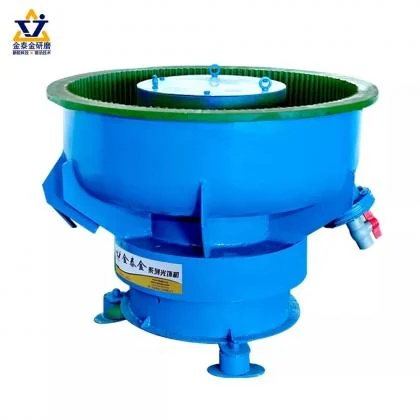
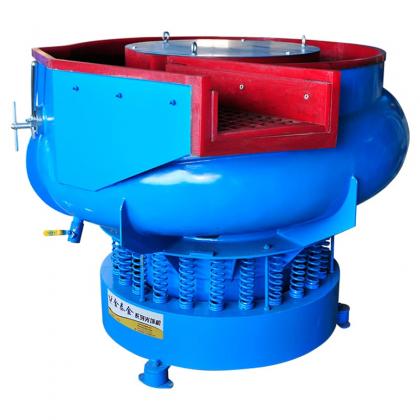
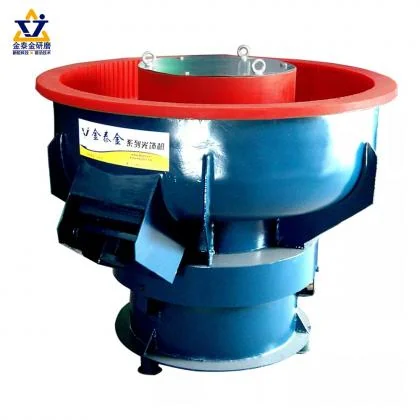
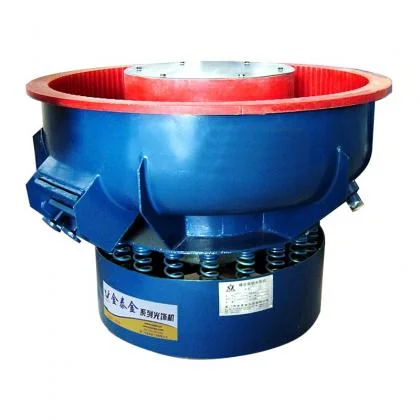
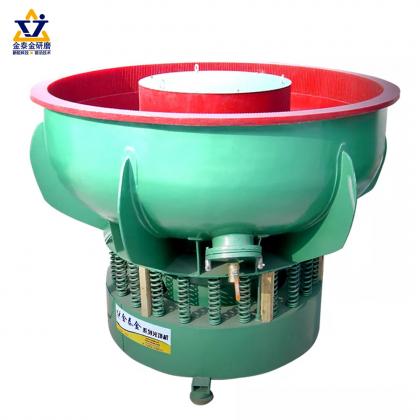

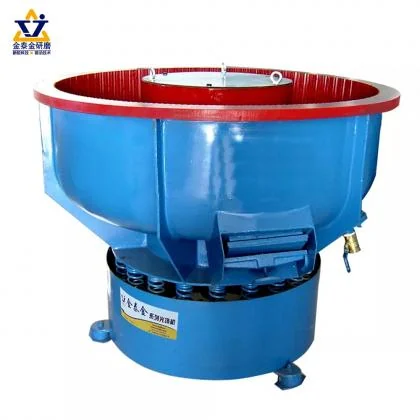
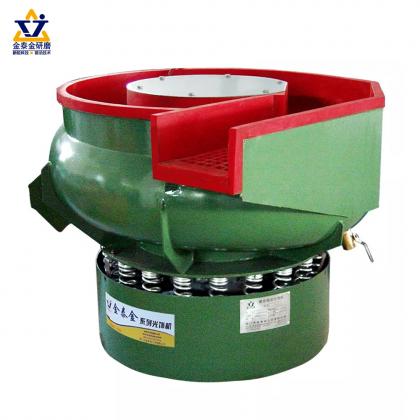
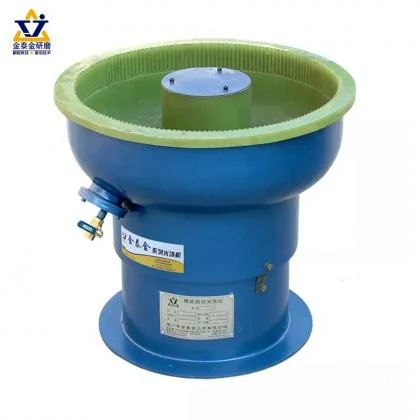
Wet grinding equipment should be selected around the workpiece, the incoming defect and the inspection result. This article uses the archived metal-eyewear-temple example to explain the information needed before comparing a wet route, a media family or a machine arrangement.


Define the part before the machine
Metal temples and similar slender parts can be sensitive to contact, nesting and edge change. Record the material, length, cross-section, holes, bends, cosmetic faces and any area that must remain protected. Show the incoming scratches, burrs, residue or dull areas in photographs taken under consistent light. State whether the target is cleaning, deburring, smoothing, a uniform satin appearance or another defined result.
- Material and geometry
- Critical bends, edges and cosmetic faces
- Current surface condition
- Target appearance and inspection method
What the source record describes
The archived record describes a wet grinder direction for metal products, with a rack arrangement intended to keep parts separated, together with controller and frequency-control references. These are source-record descriptions and must be matched to the current machine configuration before being treated as specifications. Do not infer capacity, cycle time or a universal result from the article or its photographs.
Build a controlled sample route
Use representative parts and keep the rack position, loading pattern, media, compound, liquid handling and process interval recorded. Inspect the difficult bend, the smallest opening and the most visible cosmetic face at fixed intervals. Check for part-on-part contact, media retention, residue and any change to the fit or assembly surface. If several stages are required, inspect between stages instead of judging only the final appearance.
For suitable inquiries, free sample testing can be discussed. The customer pays the inbound shipment of representative parts and SurfacePolish pays the return shipment. The result remains tied to the reviewed parts and agreed acceptance method.
Questions to send
Include material, dimensions, quantity, drawing, photos, current defect, target finish, protected features and downstream cleaning or assembly requirements. If the rack arrangement or controller details matter to the project, ask the team to confirm them against the current model documentation.
 +86-592-2381506


 IPv6 network supported