

Metal Burnishing Guide: Engineering Ball-to-Part Ratios, Compound Lubricity, and Defect-Free Mirror Runs
Process engineers and finishing leads consulting a practical metal burnishing guide often discover that Stage 2 ball burnishing obeys completely different mechanical rules than Stage 1 ceramic deburring. Whereas Stage 1 cutting relies on abrasive grit shearing metal away, Stage 2 burnishing uses ultra-dense, zero-grit 304 stainless steel balls or iron-free high-alumina porcelain spheres to cold-roll microscopic surface peaks flat under high lubricity. Getting deep, scratch-free specular reflectivity inside reinforced ZL circular bowls, divided ZXL troughs, LLF120 centrifugal barrels, or OBD-30..100 magnetic polishers requires balancing four critical variables: thorough Stage 1 Ra leveling, alloy-matched burnishing media, softened single-pass peristaltic compound dosing, and immediate 35A/70A spin-drying.
Burnishing Mechanics: Cold-Rolling vs. Abrasive Grinding
How Zero-Grit Ball Contact Flattens Microscopic Peaks
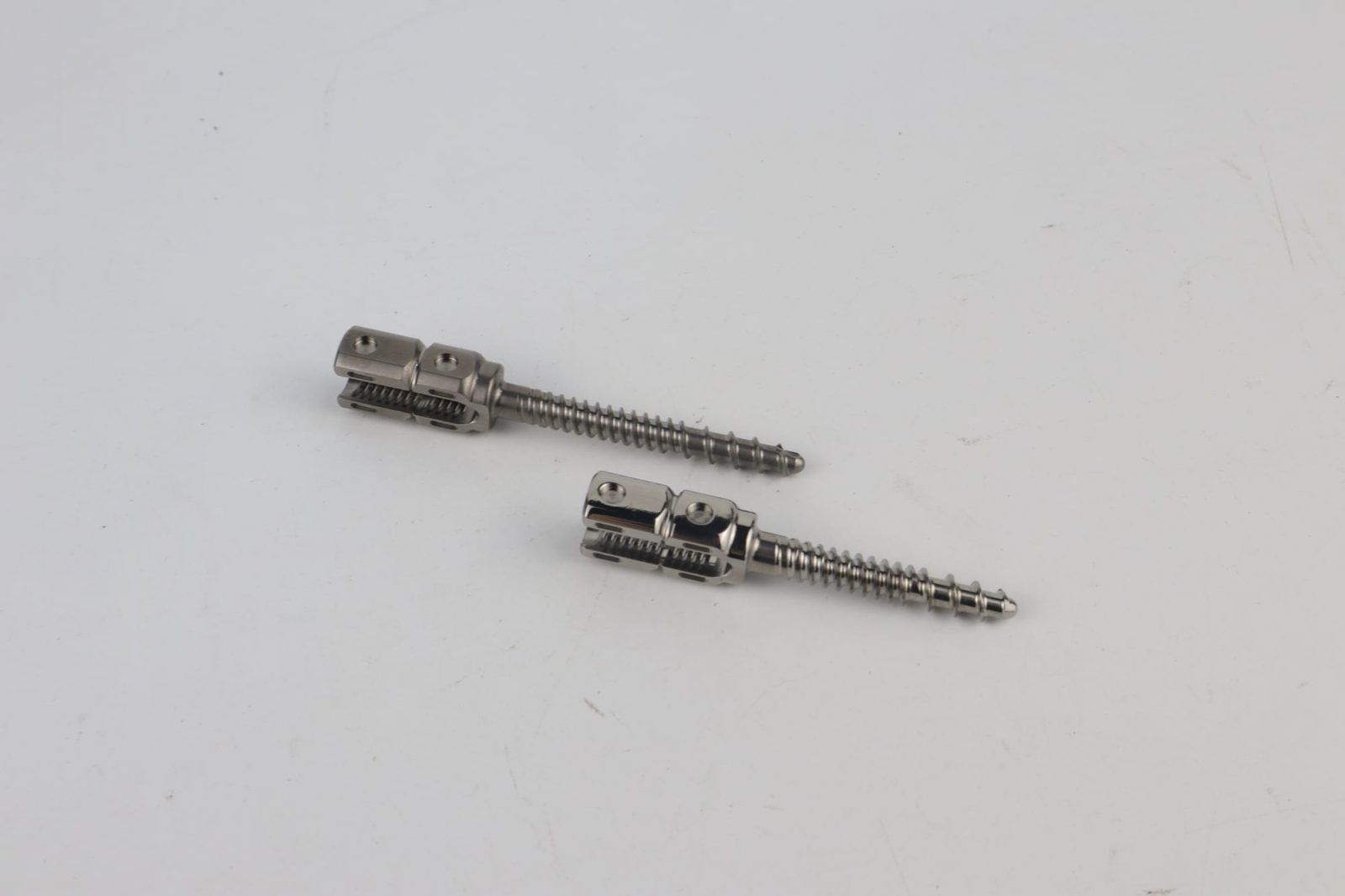
Under high-frequency vibration or centrifugal barrel rotation, smooth 304 stainless balls and high-alumina spheres slide and roll across workpiece faces thousands of times per minute. Because burnishing media carries zero embedded abrasive grit, it does not gouge fresh scratches—instead, localized Hertzian contact pressure yields microscopic Ra peaks plastically, smearing surface asperities into a dense, bright, pore-closed mirror skin.
Why Stage 1 Leveling Determines Final Burnishing Contrast
Any deep CNC tool chatter, die-cast parting ridge, or stamped burr left behind before Stage 2 burnishing cannot be removed by 304 balls or high-alumina spheres. Un-leveled surfaces come out of burnishing looking like shiny "orange peel" because spheres brighten ridge crests while skipping deep valleys. Always complete uniform Stage 1 leveling first; review our mass finishing metal polishing guide.
Comparing Heavy 304 Stainless Balls vs. Iron-Free High-Alumina Spheres
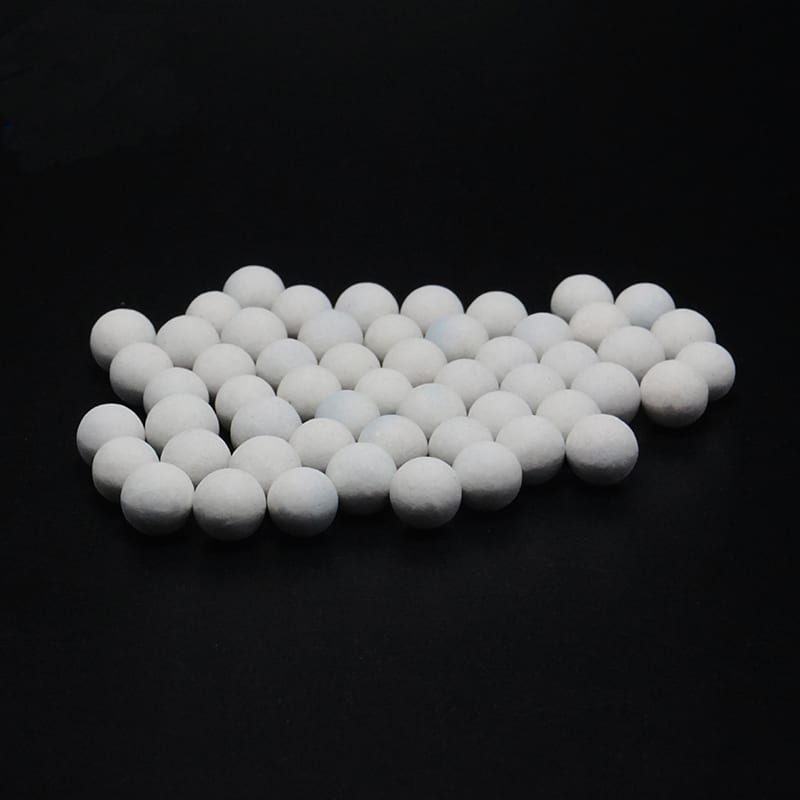
Media density must match alloy yield strength. Heavy 304 stainless steel balls and ball-cones deliver the high impact pressure required to cold-roll work-hardening 304/316 stainless steel, forged carbon steel, and heavy brass inside reinforced ZL bowls and LLF120 barrels. By contrast, soft 6061 aluminum, Zamak zinc, pewter, and medical Grade 5 titanium demand lighter iron-free high-alumina porcelain spheres to prevent orange-peel dimpling and iron transfer. See our high-alumina polishing media guide.
Using OBD-30..100 Magnetic Pins for Recessed Threads and Filigree
Round balls and spheres physically bridge over narrow threads, knurling, and deep interior corners. Pairing Stage 2 ball burnishing with OBD-30..100 magnetic polishing—spinning fine ferromagnetic stainless pins inside clean compound-HM3 or JTJ50 baths—brightens tight recesses rapidly without rounding external chamfers.
| Alloy & Part Profile | Recommended Burnishing Media | SurfacePolish Compound |
Machine Platform | Target Drying Workflow |
|---|---|---|---|---|
304 / 316 Stainless Hardware |
304 stainless balls & ball-cones |
JTJ20, JTJ25, or JTJ60 |
Reinforced ZL / LLF120 |
Soft/RO rinse + 35A/70A + corncob |
| Forged Mild / Alloy Steel | 304 balls (isolated cell) |
JTJ25 or JTJ20 |
Isolated ZL / LLF120 |
Soft rinse + immediate 35A/70A + VCI |
| Brass, Copper & Bronze | Iron-free high-alumina spheres |
HM3 or JTJ50 |
ZL / LLB50 / OBD-30..100 |
Soft/RO rinse + 35A + walnut shell |
6061 Aluminum & Zamak |
Iron-free high-alumina spheres |
HM3 or JTJ50 |
ZL / LLB50 |
Soft/RO rinse + 35A/70A spin-dry |
Grade 5 Titanium |
Iron-free high-alumina spheres |
HM3 or JTJ50 |
ZL / LLB50 |
Soft/RO rinse + 35A/70A spin-dry |
Optimizing Ball-to-Part Ratios, Geometry & Machine Mechanics
Protecting Sharp Edges With Generous Tumbler Media Ratio Cushions
Because 304 stainless steel balls are far heavier than ceramic or plastic media, running too many parts inside an under-filled ball bed causes severe crescent impingement dings on sharp edges and sealing chamfers. Maintain generous media-to-part volume cushions (tumbler media ratio) and pre-measure batch part baskets carefully. Review our tumbler media ratio guide.
Blending Spheres With Ball-Cones for Fillets and Radii
Pure round spheres polish convex flats brilliantly while leaving inner ninety-degree corners matte. Blending spherical 304 balls with angled 304 stainless ball-cones reaches inside box-end wrenches, cutlery fork tines, and valve fillets cleanly while maintaining high bulk cushion density.
Sizing Burnishing Media Against Part Holes (Non-Lodging)
Even smooth round balls and ball-cones wedge tightly inside tapped bolt holes, keyways, and stamped slots if diameters match bore dimensions closely! Always select ball and sphere diameters using our non-lodging media sizing guide and screen out fractured high-alumina halves weekly via our media screening and replenishment SOP.
Reinforced ZL Bowls, ZXL Troughs, and LLF120 Barrel Load Limits
Heavy 304 steel ball charges stress standard light-duty springs, drive bearings, and polyurethane walls. Always run steel ball burnishing inside reinforced ZL circular bowls with heavy-duty liners, divided ZXL linear troughs for long shafts, or sealed LLF120 centrifugal barrels—and inspect bowl discharge ramps via our polyurethane bowl liner replacement guide.
Burnishing Chemistry, Softened Water & Single-Pass Hydraulics
Matching JTJ20, JTJ25, JTJ60, JTJ50, and HM3 to Target Gloss
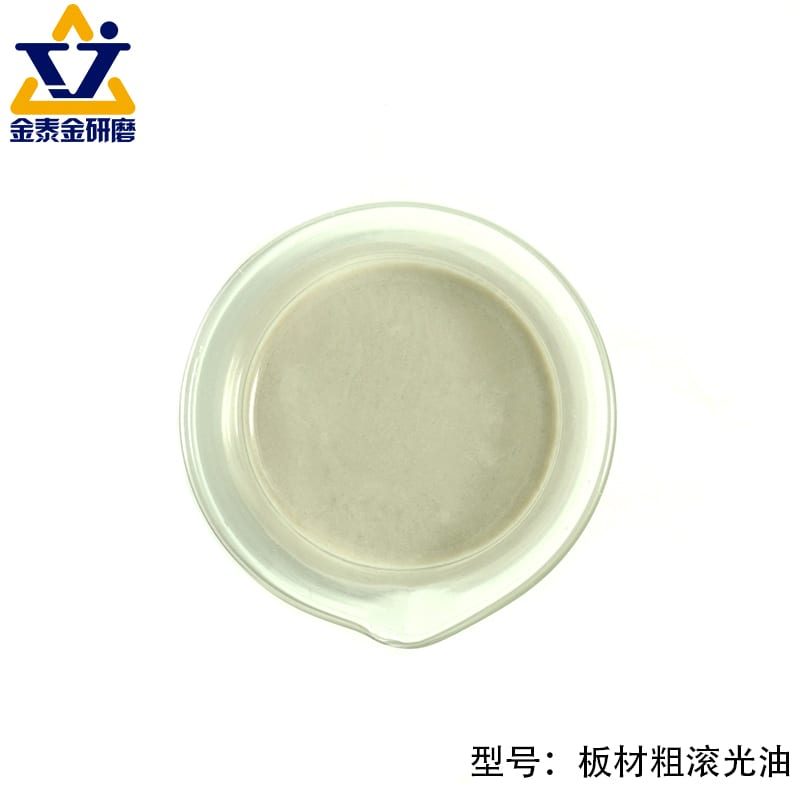
Select Stage 2 burnishing chemistry by alloy and finish target: compound-JTJ25 drives rapid coarse Ra smoothing on tough forged steel and shackles; compound-JTJ20 delivers crisp silver mirror luster on 304/316 stainless hardware; compound-JTJ60 fine polishing compound maximizes dark specular depth on cutlery and surgical clamps; and compound-HM3 or JTJ50 protects non-ferrous brass, aluminum, and titanium from pitting or tarnish. See our stainless brightener compound guide and brass polishing compound guide.
Why Closed-Sump Recirculation Ruins Mirror Burnishing
Closed-sump return tanks pump fine metallic wear smut and emulsified shop oil straight back onto 304 balls and high-alumina spheres—turning bright mirror finishes dull slate-grey within hours. Operate vibratory burnishing bowls in single-pass flow through mass finishing piped through clean bottom drain slots into a multi-baffle settling tank.
Calibrated Peristaltic Compound Dosing & Softened Water Supply
Starved burnishing chemistry spikes friction and scuffs parts dry, while over-dosed soap creates thick foam blankets that cushion ball sliding pressure. Meter exact chemical drops via peristaltic compound dosing into ion-exchange softened water so calcium ions never form dull lime-soap scum on ball beds! Review our water hardness in mass finishing guide and preventing foam in vibratory bowls guide.
Why Upstream Degreasing Before Vibratory Finishing Is Non-Negotiable
Unwashed CNC tapping fluids and mold-release oils carried into Stage 2 burnishing beds darken 304 balls and high-alumina spheres immediately. Strip heavy oils upstream following our degreasing before vibratory finishing guide.
Isolation, Clean Rinse Transfers & 35A/70A Spin-Drying
Zero-Tolerance Isolation From Stage 1 Cutting Grit & Carbon Steel
A single fractured Stage 1 high-frequency ceramic chip carried into a Stage 2 304 ball bowl scratches every mirror part in the batch. Install a clean softened-water spray rinse bar across the Stage 1 vibratory separator screen, use strictly color-coded Stage 2 transfer baskets, and keep mild carbon steel and acidic compound-MC8 completely isolated from 304/316 stainless and non-ferrous brass lines.
Immediate Heated 35A/70A Centrifugal Spin-Drying
Leaving freshly burnished parts wet in open shop totes causes rapid carbon-steel flash rust and chalky calcium drying halos on stainless and brass. Transfer cleanly rinsed parts immediately into a heated 35, 35A, 70, or 70A centrifugal spin-dryer; see our centrifugal dryer guide and rust inhibition after tumbling guide.
Dry Warm Corncob or Walnut Shell (8#-80#) Final Buffing
When optical hardware, medical instruments, or showcase brass require zero residual water haze, follow heated 35A/70A spin-drying with a brief dry pass in warm corncob or fine walnut shell (8#-80#)—never pouring water or liquid compounds into dry organic media! Check our corncob drying media grades guide.
Protecting Pre-Passivation, Plating, and PVD Coating Adhesion
Never use silicone defoamers to knock down Stage 2 bowl foam on parts entering electroplating, anodizing, PVD vacuum coating, or nitric/citric passivation! Silicone residues cause peeling and fisheyes downstream.
Troubleshooting Burnishing Defects & Restoring Ball Beds
Stripping Darkened 304 Balls and High-Alumina Spheres With LC10
Whenever 304 stainless balls or high-alumina spheres darken from trace oil or mineral buildup, unload all parts and run an empty media-only strip-wash inside the bowl using warm softened water and compound-LC10 until drain effluent runs crystal clear.
| Burnishing Symptom | Likely Root Cause | Immediate Correction | Preventive Standard |
|---|---|---|---|
| Dull grey smut on mirror surfaces | Dirty closed sump or hard-water scum | Switch to single-pass + soft water; LC10 wash |
Softened single-pass flow + settling tank |
| Fine scratches across mirror flats | Stray Stage 1 cutting grit in ball bed | Scrub bowl/screen; LC10 ball strip-wash |
Dedicated Stage 1/2 totes + screen spray rinse |
| Orange-peel cloudy shine | Stage 1 leveling cut incomplete | Route batch back to Stage 1 cut | Verify uniform Stage 1 matte Ra target |
| Crescent edge peening dings | Low tumbler media ratio or high angle |
Cut batch part load; top up ball bed | Pre-measured part baskets + lower lead angle |
Pinpoint rust on 304 stainless |
Carbon-steel tramp chips in ball bed | Magnet-screen ball bed; isolate MC8/steel |
Strict carbon vs. stainless cell isolation |
Auditing Vibratory Motor Counterweight Lead Angles & Drain Slots
Verify vibratory motor counterweight settings regularly so heavy ball charges roll parts gently without wall slamming, and brush bottom polyurethane drain slots open at shift start so liquid never pools into foam blankets.
Maintaining Idle Steel Ball Charges Over Shutdowns
Never leave wet 304 stainless ball charges sitting un-flushed in dirty compound water over long holidays; flush spent slurry cleanly with compound-LC10 and store balls dry or rust-inhibited safely.
Posting Laminated Setup Cards & Visual Master Samples
Mount sealed pass/fail reference samples beside every ZL, LLF120, and OBD machine alongside laminated setup cards listing media mix, peristaltic compound dosing dial, water source, cycle timer, and 35A/70A drying settings.
Burnishing Cell Layout, Pre-Coat Readiness & Multi-Shift Audits
Positioning Reinforced ZL Bowls and LLF120 Barrels for Clean Flow
Stage reinforced ZL circular bowls and LLF120 centrifugal barrels on level vibration-isolated pads with clear bottom-drain gravity piping straight into a dedicated multi-baffle settling tank. Keeping Stage 2 burnishing stations physically apart from Stage 1 dry ceramic dust protects mirror contrast across every shift.
Verifying Pre-Passivation and Pre-Plating Cleanliness on Burnished Parts
Stainless surgical clamps, brass plumbing fittings, and forged steel tools leaving Stage 2 burnishing often enter citric/nitric passivation, electroplating, or PVD vacuum coating next. Enforcing zero silicone defoamers, clean softened/RO separator rinsing, immediate heated 35A/70A spin-drying, and clean lint-free glove handling ensures parts pass water-break tests reliably without downstream peeling.
Balancing 304 Ball Replacement Economics Against Long-Term Gloss
Unlike abrasive ceramic stones that wear steadily into settling sludge, 304 stainless steel balls and iron-free high-alumina spheres lose minimal mass per shift—lasting years when protected from stray carbon-steel tramp iron and refreshed periodically with warm compound-LC10 strip-washes.
Auditing Weekly Peristaltic Output, Drain Slots, and Liner Ribs
Check peristaltic compound dosing pump output into a graduated cylinder weekly, brush bottom polyurethane drain slots open every morning, and inspect bowl discharge ramps via our polyurethane bowl liner replacement guide so every shift matches first-shift mirror depth.
Running Complimentary Burnishing Trials Before Scaling Up
Send representative Stage-1-leveled or raw parts for lab validation to lock down exact 304 ball vs. high-alumina sphere sizing, JTJ20/JTJ25/JTJ60/HM3 dosing ratios, and 35A/70A drying parameters before ordering production media charges.
Handling Blind Bores, Internal Threads, and Recessed Pockets
Blind threaded ports and deep knurled channels retain soapy burnishing water unless parts are positioned outward inside heated 35A/70A spin-dryer baskets and blown clean with oil-free air afterward. For intricate recessed surfaces that round spheres bridge over, pair OBD-30..100 magnetic pin polishing (HM3/JTJ50) cleanly between Stage 1 cutting and final drying.
Controlling Softened Water Quality Across LLF120 and OBD Chambers
Because LLF120 centrifugal barrels and OBD-30..100 magnetic polishers run sealed batch baths rather than continuous single-pass spray flow, mixing compound-HM3, JTJ50, or JTJ20 with softened or RO-filtered water is essential to stop mineral evaporation haze and keep 304 balls and pins gleaming.
Enforcing Clean Glove Unloading and Scratch-Free Tray Packing
Unload freshly burnished stainless, brass, and carbon-steel hardware from 35A/70A dryers wearing clean lint-free gloves and place into partitioned dry trays immediately so bare-hand salts or bulk bin dumping never mar optical mirror luster.
Selecting JTJ25 vs. JTJ20 vs. JTJ60 Across Steel & Stainless Families
Match Stage 2 burnishing chemistry to starting roughness and final gloss: compound-JTJ25 drives vigorous coarse Ra smoothing on forged carbon steel and heavy stainless hardware; compound-JTJ20 delivers high-lubricity silver mirror contrast across general 304/316 components; and compound-JTJ60 fine polishing compound brings out deep specular contrast on cutlery and surgical trim.
Managing High-Alumina Sphere Screening and Drum Storage Safety
Although iron-free high-alumina spheres resist chemical wear cleanly, occasional thermal or mechanical impacts fracture spheres into sharp half-shells that can wedge in part bores or scratch soft 6061 aluminum. Screen high-alumina beds weekly via our media screening and replenishment SOP, and store reserve chemical drums indoors above freezing temperatures on spill-containment pallets.
Factory Capabilities & Verified Mass Finishing Supply
Founded in 1992, Xiamen Jin Tai Jin Grinding Technology Co.,Ltd. (SurfacePolish) engineers and manufactures 21 machine platforms backed by 24 granted Chinese IP rights and more than 200,000+ solutions across certified facilities (ISO 00726Q01571R001, CE M.2023.206.C88121, and CE M.2023.206.C88120). Alongside reinforced ZL circular bowls, ZXL/L1300–L1800 divided troughs, LLF120/LLB50 centrifugal finishers, OBD-30..100 magnetic polishers, and heated 35/35A/70/70A centrifugal dryers, we supply JTJ20, JTJ25, JTJ60, JTJ50, HM3, LC10, JTS5, and isolated MC8 compounds matched to 304 stainless balls and magnetic pins, iron-free high-alumina spheres, high-frequency ceramic, resin plastic cones, corncob, and walnut shell (8#-80#). Standard machines ship in 25–35 days and custom lines ship in 45–60 days. Send sample raw parts to surface-polish.com for complimentary two-stage burnishing validation. Honest boundaries apply: we do not supply electroplating rectifiers, acid passivation vats, or dry cotton buffing wheels.
Frequently Asked Questions About Metal Burnishing
What is the difference between Stage 1 tumbling and Stage 2 metal burnishing?
Stage 1 tumbling uses abrasive high-frequency ceramic or plastic cones (LC10) to cut burrs and level Ra ridges, whereas Stage 2 metal burnishing uses zero-grit 304 balls or high-alumina spheres (JTJ20/HM3) to cold-roll smooth surfaces to a mirror shine.
Can 304 stainless balls burnish 6061 aluminum or Grade 5 titanium?
No—heavy 304 stainless balls peen soft aluminum into dimples and risk iron transfer on titanium. Burnish aluminum, brass, Zamak, and titanium with lighter iron-free high-alumina spheres (HM3 or JTJ50).
Why did my 304 stainless balls turn dark grey and leave smut on parts?
Darkened balls come from recirculating dirty closed-sump liquid, hard tap water soap-scum, or unwashed CNC cutting oil. Run an empty warm compound-LC10 strip-wash until drain effluent runs clear and feed softened single-pass water.
How do I prevent fine scratches during Stage 2 ball burnishing?
Enforce a clean softened-water spray rinse bar on your Stage 1 separator screen, use dedicated color-coded Stage 2 totes, and scrub the bowl and screen cleanly before charging burnishing balls.
Can I run 304 stainless balls inside an OBD-30..100 magnetic polisher?
No—austenitic 304 stainless balls are non-magnetic. Use ferromagnetic stainless pins inside OBD-30..100 machines with HM3 or JTJ50 for intricate recesses, and run 304 balls in reinforced ZL bowls or LLF120 barrels.
Why do sharp flanges show crescent dings after burnishing?
Crescent dings indicate an under-filled ball cushion (tumbler media ratio) or excessive motor lead angles. Reduce batch part weight, top up ball volume, and lower lead angles.
What drying step stops water spots after mirror burnishing?
Rinse exiting parts under a clean softened/RO spray bar on the separator screen, transfer immediately into a heated 35, 35A, 70, or 70A centrifugal spin-dryer, and add warm dry corncob buffing when zero haze is needed.
How can I verify exact Stage 1 and Stage 2 burnishing cycle times on my parts?
Send representative raw production parts to surface-polish.com for complimentary lab testing; our engineers validate two-stage leveling, ball burnishing, and 35A/70A drying and return mirror-finished samples before you order.
 +86-592-2381506


 IPv6 network supported
