

`Ceramic Media Glazing` Fix: Why Abrasive Stones Turn Smooth and How Single-Pass `LC10` Restores Cut Speed
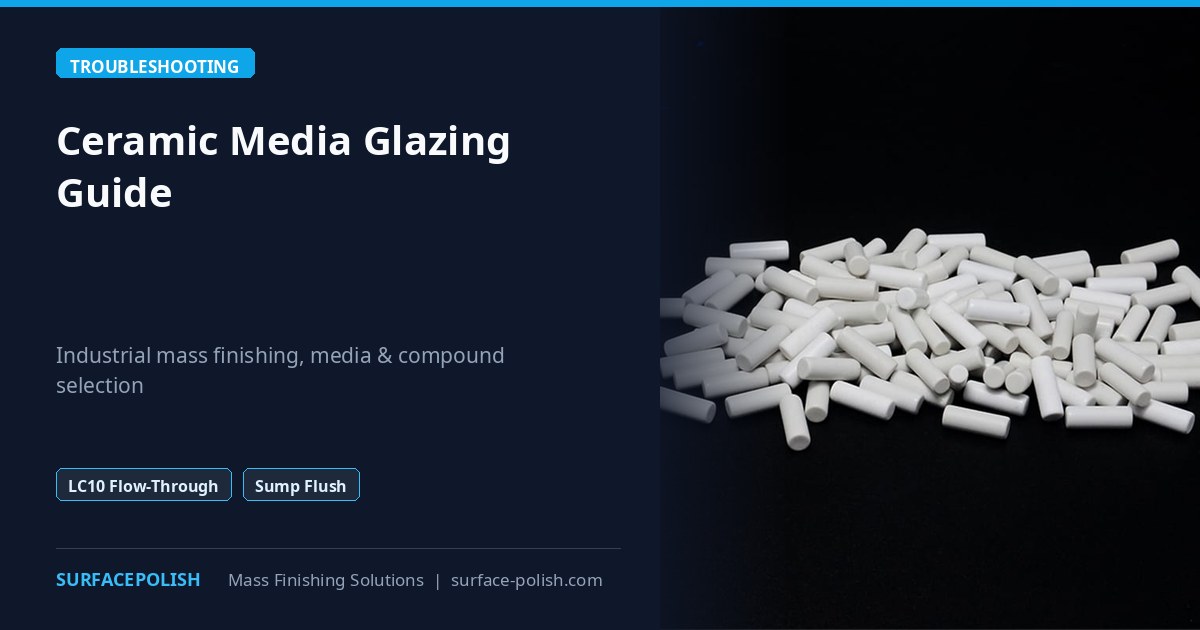
Nothing frustrates a deburring department faster than watching cycle times double mid-week while vitrified high-frequency ceramic stones look intact yet feel slick as glass to the touch. Operators call this phenomenon ceramic media glazing: instead of continuously fracturing microscopic abrasive grain to expose fresh sharp edges, ceramic pores load up with machining coolant, metallic swarf, and dried soap—polishing burrs lazily instead of shearing them cleanly.
The central thesis of this guide is simple: preventing and reversing ceramic media glazing requires eliminating upstream machining oil carryover via alkaline pre-washing, running continuous single-pass clean water with metered compound-LC10 or MC8 flow-through (never dry or recirculated dirty sump water), brushing bottom bowl drain grates daily, and pairing vitrified high-frequency bond hardness accurately to part alloy.
In this troubleshooting guide, you will diagnose the four root causes of ceramic media glazing, execute a step-by-step floor recovery protocol to strip glazed stone beds clean, and lock in preventive settling-tank and dosing standards.
What Causes Ceramic Media Glazing Inside Vibratory and Barrel Bowls
Root Cause 1: Oily CNC Coolants and Stamping Lubricants
Raw CNC-machined steel brackets, turned stainless shafts, and stamped washers arrive coated in cutting oil, tapping wax, or drawing grease. When oily batches enter a wet vibratory bowl without upstream degreasing, hydrocarbon oil coats porous ceramic faces and binds fine metallic swarf into a slick, water-repellent shell—causing immediate ceramic media glazing.
Root Cause 2: Recirculating Stagnant Dirty Sump Water
Shops that try to save water by recirculating dirty sump slurry pump microscopic metal dust, broken ceramic silt, and spent surfactant right back onto the rolling stone bed. Within hours, that dark grey mud packs into every surface pore on the stones and smothers cutting grit completely. Always run single-pass wet flow-through into a multi-baffle settling tank.
Root Cause 3: Starved LC10 Compound Dosing or Hard Tap Water Scale
Even with clean water flowing, shutting off or under-dosing compound-LC10 removes the chemical wetting and flushing action that keeps sheared metal chips suspended in drainage. Worse, mineral-heavy hard tap water running low on surfactant leaves chalky calcium deposits across vitrified stones during idle periods. See our compound for steel guide.
Root Cause 4: Overly Hard Vitrified Bond vs. Soft Alloy Smearing
Running an ultra-hard ceramic bond designed for heavy steel burrs against gummy soft aluminum or un-deburred sticky stainless causes metal smear to weld into ceramic pores before the bond can wear fresh grit free—and soft aluminum should never run in heavy ceramic anyway! Switch soft aluminum, brass, and zinc strictly to resin-bonded plastic cones. Review our ceramic tumbler media guide and synthetic plastic tumbling media guide.
| Glazing Symptom | Primary Root Cause | Immediate Recovery Action | Preventive Floor Standard |
|---|---|---|---|
| Slick dark oily stones & foaming | Un-washed oily CNC/stamped parts | Pre-degrease batch; hot LC10 flush cycle |
Mandate upstream alkaline pre-wash |
| Dark grey mud coating bowl & stones | Recirculated dirty sump or plugged drain | Brush drain grates; switch to single-pass flow | Daily drain brush + clean settling tank |
| Chalky white crust & sluggish cut | Starved LC10 dosing + hard tap water |
Boost clean water + LC10; verify pump rate |
Daily dosing pump & spray-bar audit |
| Soft metallic smear welded on ceramic | Wrong alloy (aluminum/brass) in ceramic | Stop ceramic run; switch to plastic cones | Match media bond strictly to part alloy |
| Slow cut despite clean fresh water | Overly dense/hard bond for light burr | Step to sharper high-frequency cut grade |
Qualify bond grade on raw sample parts |
Immediate Recovery Protocol: Stripping Glazed Stones Clean on the Floor
Step 1: Unload Parts and Brush Bottom Drain Grates Open
Unload any workpieces from the glazed bowl immediately so sticky slurry stops coating finished hardware. Inspect and scrub the bottom bowl drain screens and polyurethane drain slots with a stiff nylon brush until full water drainage returns cleanly.
Step 2: Run a Media-Only Hot-Water LC10 Strip-Wash Cycle
Leave the glazed ceramic media charge inside the ZL circular bowl or ZXL divided trough by itself, turn on generous clean-water spray flow, and dose a strong flush charge of compound-LC10 (or alkaline cleaner for heavy oil glazing). Run the empty media bed under continuous single-pass drainage until effluent turns crystal clear and stones feel crisp and gritty again.
Step 3: Screen Out Undersized Worn Slivers and Top Up Fresh Stones
After stripping the glaze, run the charge across your vibratory separator screen to purge worn small fragments that reduce tumbling mass and risk wedging in bolt holes, then top up fresh high-frequency ceramic stones to the working fill line. Review our non-lodging media sizing guide and pneumatic separation screen deck guide.
Step 4: Inspect Polyurethane Liner Ribs and Motor Lead Angles
Verify that polyurethane bowl walls have not glazed smooth from dried oil residue and confirm motor counterweight lead angles generate lively toroidal cascade turnover across the full channel. See our vibratory motor counterweight tuning guide and polyurethane bowl liner replacement guide.
Preventive Wet Chemistry (LC10, MC8, JTS5) and Settling Standards
Matching LC10, MC8, and JTS5 to Ferrous & Titanium Loads
Continuous single-pass water paired with metered compound-LC10 keeps general carbon steel, 304/316 stainless steel, and titanium cutting crisp across every shift. Use acidic MC8 strictly on isolated carbon-steel descaling lines when stripping heavy black heat-treat oxide (never near aluminum or zinc), and dose JTS5 for thin stamped steel washers that need clean separation. Explore our deburring media selection matrix.
Upstream Alkaline Pre-Degreasing Before Every Wet Bowl
Never rely on vibratory LC10 compound alone to wash away heavy CNC machining oil or stamping grease. Passing oily batches through an upstream alkaline wash tank before loading Stage 1 ceramic prevents oil glazing completely and keeps settling tank baffles cleaner longer.
Multi-Baffle Settling Tanks Protecting Spray Bars and Floor Drains
Route single-pass bowl discharge through a properly sized multi-baffle settling tank so heavy ceramic silt and sheared steel fines settle out cleanly by gravity instead of clogging drain pipes or returning cloudy water downstream.
Clean Separator Rinsing and Heated 35A/70A Centrifugal Drying
Once crisp ceramic media deburring finishes cleanly, pass parts across the separator deck under a filtered clean-water spray rinse bar and straight into a heated 35, 35A, 70, or 70A centrifugal spin-dryer so carbon-steel batches never develop flash rust. See our centrifugal dryer guide.
Matching Media Bond & Machine Energy to Avoid Repeat Glazing
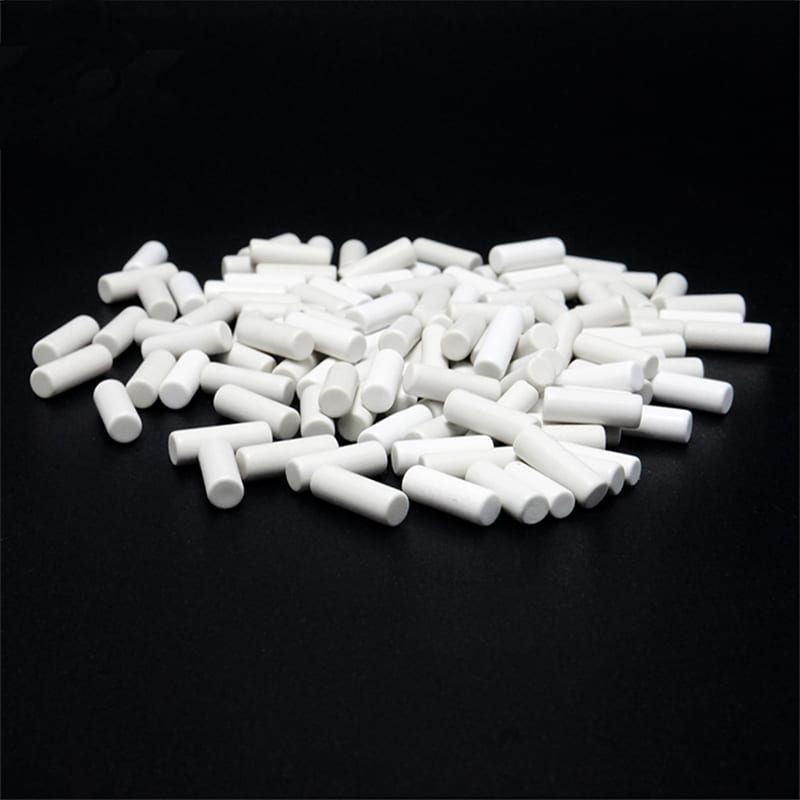
Selecting High-Frequency General vs. Heavy-Cut Bonds
If sharp laser-cut burrs glaze a fine polishing ceramic bond prematurely, step up to a sharper silicon-carbide heavy-cut high-frequency ceramic grade whose vitrified binder breaks down smoothly to expose fresh abrasive points. Review our fast-cut vs fine-cut ceramic guide and ceramic triangle media guide.
Using LLF120 Planetary Barrels When Circular Bowls Lack Grinding Pressure
On ultra-hard alloy steels and aerospace titanium, low grinding pressure inside an under-loaded circular bowl can let stones slide gently without fracturing dull grit. Moving stubborn parts into an LLF120 planetary centrifugal barrel multiplies sliding force cleanly so fresh ceramic grain stays self-sharpening. Explore our centrifugal barrel finishing machine guide.
Keeping High-Alumina and Organic Stages Separate From Cutting Ceramic

Never confuse Stage 1 cutting ceramic glazing with Stage 2 non-abrasive high-alumina spheres! High-alumina burnishing balls are intentionally smooth—and if they darken from soap scale, clean them separately in LC10 without ever mixing abrasive silicon-carbide stones into Stage 2 mirror tubs. See our porcelain ball burnishing media guide and ceramic media vs steel balls guide.
Multi-Shift Floor Checklist to Prevent Ceramic Media Glazing
Shift-Start Inspection Routine (Takes Less Than Two Minutes)
Train every operator to brush bottom drain screens clear, confirm chemical drum supply levels for LC10/MC8, verify clean single-pass spray-bar flow, and check working fill height before loading the first steel or stainless batch of the shift.
Color-Coded Segregation Between Carbon Steel, Stainless, and Non-Ferrous Lines
Keep carbon-steel ceramic bins, catch baskets, and scoops completely isolated from stainless steel, titanium, and aluminum plastic-media tubs so iron oxide sludge and non-ferrous metal smear never cross-contaminate lines.
Diagnosing Chemical, Water, and Mechanical Causes Across Shift Logs
Auditing LC10 and MC8 Dosing Pump Flow Rates
Starved chemical dosing is the quietest trigger of ceramic media glazing. Verify peristaltic dosing pump tubing, suction strainers, and clean-water spray-bar nozzles at every shift handover so active vitrified stones never tumble dry or under-lubricated.
Measuring Upstream Alkaline Pre-Wash Tank Bath Quality
If your upstream alkaline degreaser becomes saturated with emulsified CNC coolant oil, parts carry an invisible grease film straight into Stage 1 ceramic bowls. Skim tramp oil and refresh alkaline wash baths on schedule so zero oil reaches ceramic pores.
Comparing Wet Single-Pass Flow Rates Across ZL Bowls and ZXL Troughs
Wide ZXL and L1300–L1800 divided troughs hold larger total stone volumes than compact ZL circular bowls and require evenly distributed overhead spray nozzles along the entire trough length so no dry or muddy dead zones form near the discharge end.
Inspecting Multi-Baffle Settling Tank Sludge Depth Weekly
When settling tank baffles fill with fine ceramic silt and metal swarf, dirty overflow water backs up or slows floor drainage. Pump or shovel out settled sludge weekly so single-pass effluent leaves the bowl freely.
| Glazing Prevention Check | Recommended Frequency | Target Condition | Corrective Action If Failed |
|---|---|---|---|
| Bottom drain grate brushing | Every shift start | Clear open drain slots & brisk flow | Scrub slots with stiff nylon brush |
LC10/MC8 dosing pump check |
Every shift start | Steady metered drip & clear spray bar | Clear clogged nozzle or prime pump line |
| Upstream alkaline pre-wash check | Daily shift audit | Oil-free clean water-break on parts | Skim tramp oil & recharge alkaline tank |
| Undersized chip screening | Weekly | Clean full-sized stones at fill line | Run separator classification screen & top up |
| Multi-baffle settling tank check | Weekly | Clear overflow weir & open baffle flow | Empty settled sludge compartments |
Factory Capabilities & Verified Ceramic Media Supply
Founded in 1992, Xiamen Jin Tai Jin Grinding Technology Co.,Ltd. (SurfacePolish) engineers and manufactures 21 machine platforms backed by 24 granted Chinese IP rights and more than 200,000+ solutions across certified facilities (ISO 00726Q01571R001, CE M.2023.206.C88121, and CE M.2023.206.C88120). Alongside ZL circular bowls, ZXL/L1300–L1800 divided troughs, LLF120/LLB50 centrifugal finishers, OBD-30..100 magnetic polishers, and 35/35A/70/70A dryers, we supply self-sharpening high-frequency ceramic media (angle-cut cylinders, triangles, tri-stars), resin plastic cones, iron-free high-alumina spheres, 304 stainless balls, corncob, walnut shell (8#-80#), and LC10/MC8/HM3/JTJ/JTS5 compounds. Standard machines ship in 25–35 days and custom lines ship in 45–60 days. Send sample raw parts to surface-polish.com for complimentary media-bond and LC10 process validation. Honest boundaries apply: we do not supply hobby rock-polishing grit, dry sandblasting abrasive, or electroplating rectifiers.
Frequently Asked Questions About Ceramic Media Glazing
What is ceramic media glazing and how do I spot it early?
Ceramic media glazing occurs when pores on vitrified abrasive stones fill up with machining oil, dirty slurry, or metal smear—turning stones slick and glossy so cycle times double and burrs stay sharp instead of shearing cleanly.
How can I fix glazed ceramic media without throwing away the whole bowl charge?
Unload parts, brush bottom drain grates wide open, and run an empty media-only strip-wash cycle using generous clean single-pass water and compound-LC10 (or alkaline cleaner for heavy oil glaze) until drain water runs clear and stones feel gritty again.
Why does recirculating sump water cause ceramic media glazing?
Recirculated sump water pumps fine abraded metal silt and worn ceramic dust straight back into the bowl, packing pores shut with dark grey mud. Always run continuous single-pass clean water into a multi-baffle settling tank.
Can oily CNC parts cause ceramic media glazing even with fresh LC10 compound?
Yes. Heavy cutting coolants, tapping oils, and stamping lubricants overwhelm normal LC10 dosing and coat ceramic faces in water-repellent grease. Always pre-degrease oily CNC batches upstream in an alkaline wash tank.
Does running ceramic media dry help un-glaze smooth stones?
No—never run ceramic media dry! Dry friction melts polyurethane bowl liners, creates hazardous mineral dust, and smears metal worse. Always use clean single-pass wet LC10 flow to strip glazed pores.
Why did my ceramic stones glaze immediately when tumbling 6061 aluminum?
Soft 6061 aluminum smears rapidly into dense ceramic pores while heavy ceramic stones bruise aluminum corners. Stop ceramic runs on aluminum immediately and switch Stage 1 to lightweight resin-bonded synthetic plastic cones with LC10.
How do I keep bottom drain screens from plugging and triggering glaze?
Brush bottom bowl drain slots and grates clean at every shift handover, and purge undersized broken ceramic fragments weekly across your vibratory separator screen before thin chips wedge into drain slots.
How can I test a self-sharpening ceramic media bond before buying bulk pallets?
Send representative raw production parts to surface-polish.com for complimentary lab validation; our process engineers match high-frequency bond hardness and LC10/MC8 dosing to your exact alloy and return finished samples before you order.
How long does an empty LC10 strip-wash cycle take to un-glaze ceramic media?
In most ZL circular bowls and ZXL linear troughs, running the empty ceramic media charge under generous clean single-pass water and a strong compound-LC10 flush restores crisp cutting texture as soon as discharge drainage turns clear. Always brush bottom drain grates beforehand so loosened oil and swarf flush straight out.
Can compound-MC8 help strip heavy scale glaze on carbon-steel ceramic lines?
Yes, when carbon-steel heat-treat scale and rust sludge have glazed an isolated ferrous ceramic charge, running a controlled wet MC8 flush cycle (strictly isolated from stainless, aluminum, and zinc) dissolves mineral oxide film rapidly before resuming standard LC10 production.
Why do ceramic stones glaze faster inside closed LLF120 centrifugal barrels?
Because LLF120 planetary barrels run sealed batches without continuous single-pass drain flow during the cycle, oily CNC parts or weak initial LC10 water charges quickly concentrate metallic sludge inside the barrel. Always pre-degrease parts thoroughly and dose fresh clean water and LC10 for every barrel run.
Does hard tap water make ceramic media glazing worse?
Hard tap water high in dissolved calcium and magnesium accelerates mineral scale buildup whenever LC10 surfactant dosing drops too low or stones sit damp overnight. Maintaining steady metered LC10 flow and periodic clean water flushes prevents hard-water crust completely.
Can worn polyurethane bowl liners contribute to ceramic media glazing?
Yes. When worn polyurethane bottom ribs or drain grates deform and trap dirty metallic sludge inside the channel, single-pass drainage slows down and slurry coats vitrified stones—making weekly drain-grate and liner inspections essential.
How do I tell the difference between worn-out ceramic stones and glazed ceramic stones?
Worn-out stones visibly shrink in diameter and lose sharp corners while still feeling gritty; glazed ceramic media retains near-full geometric size yet looks dark, shiny, and slick to the touch, regaining crisp bite immediately after a hot LC10 strip-wash cycle.
Should I adjust motor counterweight lead angles if ceramic stones start glazing?
Raising counterweight angles alone will not fix oil- or sludge-glazed stones and only wears polyurethane liners faster. Always strip the glaze first with upstream degreasing, clean drain grates, and strong single-pass LC10 flushing.
How does running an under-filled ceramic media bed worsen glazing across shifts?
When media volume drops far below the working fill line, rolling friction slows down and heavy steel parts drag sluggishly through dirty slurry instead of tumbling briskly across self-sharpening ceramic facets. Topping up fresh high-frequency stones weekly after fragment screening preserves brisk cascade energy and clean drainage.
Can ZXL and L1300–L1800 divided troughs develop glazing at one end of the channel?
Yes. If overhead spray-bar nozzles clog near the discharge end of a long ZXL or L1300–L1800 divided trough, stones in that dry downstream zone quickly pack with metal paste and glaze over. Inspecting every spray nozzle along the trough at shift start keeps single-pass LC10 lubrication uniform end to end.
When should I switch from LC10 to JTS5 to keep thin stamped steel from glazing stones?
Thin stamped washers and shims often trap thick soap paste between flat surfaces; pairing continuous single-pass water with metered compound-JTS5 keeps flat stampings separated cleanly inside the rolling bed and prevents sticky slurry buildup.
How can I store spare ceramic media cleanly so oil mist never glazes fresh stock?
Keep palletized reserve bags of high-frequency ceramic media sealed inside covered, dry storage racks away from CNC coolant mist, metal grinding dust, and open drum vents, so brand-new stones enter production clean, thirsty, and ready to shear burrs on the first cycle.
 +86-592-2381506


 IPv6 network supported
