
Compound for Steel and Mass Finishing Compounds: Matching MC8, LC10, JTJ50, and JTS5 to Your Alloy
Shops searching for a compound for steel or comparing mass finishing compounds often treat liquid soap as an afterthought—dumping whatever cleaner sits beside the sink into a vibratory bowl and hoping ceramic stones do all the work. In production mass finishing, media provides only half the mechanical result. Without the right liquid compound, ceramic stones glaze over with packed metal mud, steel parts flash-rust before they dry, and stainless fasteners exit dull gray instead of mirror-bright.
The core thesis of this guide is direct: mass finishing compounds perform four non-negotiable jobs—lubricating part-to-media contact, suspending abraded fines in flow-through water, chemically softening oxide scale when required, and protecting bare metal against corrosion until spin-drying finishes. Choosing the wrong chemistry ruins cycles even when your machine and media are sized properly, whereas matching compound and flow rate stabilizes surface finish across every shift. For media pairing fundamentals, see our tumbler media selection matrix and mild and carbon steel finishing guide.
Why Plain Water Fails in Mass Finishing Bowls and Barrels
Running ceramic, plastic, or stainless media in plain tap water creates three immediate shop-floor problems.

Stone Glazing and Loss of Cut Speed
As ceramic media cuts burrs off carbon steel or stainless stampings, microscopic metal dust and residual stamping oil coat the porous stone surface. Plain water cannot emulsify oil or hold fine metal particles in suspension, so stones turn slick, gray, and glazed—cutting cycle efficiency in half mid-shift. Once ceramic stones glaze over, operators have to waste hours stripping packed mud off the charge before cutting resumes.
Galling, Smearing, and Edge Bruising
Without a thin surfactant cushion between metal parts and dense ceramic or steel balls, high-pressure contact smears soft brass, galls stainless steel, and leaves dark transfer marks across flat faces. Proper mass finishing compounds build a controlled lubricating film that lets media cut or burnish cleanly without galling. Keeping that surfactant film steady protects tight tolerances and bright surface luster across long runs.
Flash Rust and Water-Spot Oxidation
Tap water contains dissolved minerals and oxygen that attack freshly exposed carbon steel within minutes of unloading, while hard-water salts leave cloudy drying rings on stainless steel and brass. Dedicated compounds buffer surface pH and prepare parts for clean rinsing and spin-drying, protecting batches from costly corrosion rejects.
| Process Role | What Plain Water Causes | What Proper Liquid Compound Does |
|---|---|---|
Abrasive cutting (LC10) |
Glazed ceramic stones & packed oil sludge | Emulsifies light oil; flushes abraded fines out drain |
Descaling / derusting (MC8) |
Slow mechanical wear on hard black scale | Softens mill scale & rust so ceramic strips clean |
Brightening (JTJ50 / JTS5) |
Dull smeared steel & dark media balls | Builds high-lubricity cushion; keeps steel/porcelain bright |
| Post-cycle surface state | Immediate flash rust or water spots | Clean rinse release + corrosion-safe transition to spin-dryer |
[DESIGN: Four-panel comparison showing glazed ceramic stones, flash-rusted carbon steel, bright stainless burnishing, and clean flow-through flushing]
Matching Our Core Compounds to Steel, Stainless, and Non-Ferrous Alloys
Using a clear, documented lineup of mass finishing compounds eliminates operator guesswork across mixed-alloy production lines.

MC8 Derusting & Descaling Compound for Carbon Steel and Weld Scale
When incoming hot-rolled carbon steel, forged brackets, or TIG/MIG stainless weldments carry red storage rust, black mill scale, or weld discoloration, MC8 softens hard iron-oxide layers so preformed ceramic media strips scale rapidly down to clean metal without requiring harsh static pickling tanks. Always follow MC8 descaling with clean-water flushing—and rust-inhibiting rinse for carbon steel. Keeping MC8 dosing metered steadily prevents dark oxide mud from redepositing onto freshly exposed steel faces.
LC10 Deburring Compound for Precision Cut-Down
For clean CNC-machined steel, stamped stainless brackets, and general burr removal where heavy rust is absent, LC10 is the daily workhorse compound for steel and alloy deburring. It keeps ceramic and plastic media faces sharp, suspends metallic wear fines in the drain stream, and prevents oil-sludge buildup inside the bowl. Consistent LC10 flow-through also protects polyurethane bowl linings against premature abrasion by keeping metal dust flushed clear of the chamber floor.
JTJ20, JTJ25, and JTJ60 for Staged Stainless Grinding
Coarse-to-medium stainless steel deburring (JTJ20, JTJ25) and specialized stainless grinding workflows (JTJ60) handle tough austenitic and martensitic work-hardening behavior—keeping 304, 316, and 400-series parts lubricated during heavy ceramic cut stages without smearing. Because stainless steel work-hardens rapidly when rubbed dry, matching grinding chemistry to ceramic cut speed keeps edge radiusing predictable from the first batch to the last.
JTJ50, JTS5, and HM3 for Final Brightening and Non-Ferrous Luster
Once burrs and tool lines are erased, switching to JTJ50 (for bright stainless steel) or JTS5 / HM3 (for general non-ferrous brightening and final polish stages) builds a clean, high-lubricity film for high-alumina porcelain spheres and stainless steel burnishing media. That lubricating cushion allows smooth porcelain and steel balls to compress surface micro-peaks into a dense, reflective sheen without galling or scratching.
Transitioning Safely Between Deburring and Brightening Stages
Never skip the clean-water rinse when moving parts from LC10 or MC8 deburring into JTJ50 brightening. Residual abrasive grit or acidic descaler carried over on wet parts immediately contaminates the brightening media bed, turning bright stainless batches hazy and dull. Dedicated rinse baskets between stages keep your Stage 2 brightening media spotless for months.
| Compound Code | Primary Function | Target Alloys | Paired Media Family |
|---|---|---|---|
MC8 |
Derusting & mill/weld scale removal | Carbon steel, mild steel, scaled stainless | Dense preformed ceramic shapes |
LC10 |
Clean deburring & fine suspension | Carbon steel, stainless, general alloys | Preformed ceramic & resin-bonded plastic |
JTJ20 / JTJ25 / JTJ60 |
Staged stainless grinding & smoothing | 304 / 316 / 400-series stainless steel | Ceramic & high-density plastic media |
JTJ50 |
Bright stainless burnishing & luster | Stainless steel cutlery, clips, fasteners | High-alumina porcelain & stainless balls |
JTS5 / HM3 |
Non-ferrous brightening & polishing | Brass, copper, aluminum (neutral-safe), pewter | Porcelain spheres, stainless pins, plastic |

Flow-Through Dosing vs. Closed-Sump Recirculation
How you deliver compound for steel into the chamber matters just as much as which bottle you buy.

Why Continuous Flow-Through Wins in Vibratory Bowls
In an open-top vibratory grinder, continuous fresh water mixed with metered liquid compound enters near the top of the media bed and drains steadily out the bottom screen—carrying suspended metal dust, worn ceramic grit, and emulsified stamping oil away continuously. Continuous flow-through keeps parts bright and stones sharp across an entire shift, eliminating mid-day bath dumps and inconsistent edge finishes.
Closed-Charge Dosing Rules for Octagonal Rotary Barrels
Because an octagonal rotary barrel seals shut during tumbling, spent fines remain inside the liquid charge until unload. Keep closed-barrel cycles clean by pre-degreasing oily parts, dosing fresh water and compound accurately per batch, and discharging immediately upon cycle completion so dark slurry never dries onto parts. Clean rinsing right after barrel discharge prevents stubborn gray streaks on finished steel.
Why Recirculating Dirty Sump Water Ruins Bright Finishes
To save water, some shops pump drain effluent straight back into the vibratory bowl without settling. Within hours, suspended gray metal and ceramic mud turn the recirculated bath into a dull lapping slurry that coats parts gray and glazes media. Always pass drain water through a multi-baffle settling tank before any reuse, and use fresh clean water for final brightening stages so stainless and steel hardware maintain uniform reflectivity.
Metering Pumps vs. Hand-Scooping by Feel
Hand-pouring compound by feel leads to wild swings—either starved foam that lets steel gall, or excessive soap buildup that cushions stones so heavily that burr cutting stops. Simple peristaltic or Venturi dosing pumps deliver repeatable dilution shift after shift, cutting chemical waste and keeping batch quality steady.
[DESIGN: Four-stage chemical control workflow: pre-degrease, Stage 1 cut/descale dosing, clean rinse flush, and heated spin-dry]
Pre-Cleaning Oil, Controlling Foam, and Preventing Flash Rust
Even the best mass finishing compounds fail if heavy machining oil enters the bowl or wet parts sit un-rinsed after unloading.

Degreasing Heavy Machining and Stamping Oils First
Sulfurized cutting oils, heavy drawing wax, and thick rust-preventive grease overwhelm normal vibratory flow-through chemistry. Strip heavy oils in a dedicated aqueous pre-wash before loading parts into finishing ceramic or porcelain media so cutting stones stay sharp and free of tarred oil film.
Balancing Foam Cushion for Cut vs. Burnish Stages
During Stage 1 ceramic deburring (LC10), light-to-moderate foam suspends metal fines while letting stones contact burrs firmly. During Stage 2 stainless burnishing (JTJ50), a slightly richer lubricating foam cushions heavy steel balls against soft or cosmetic surfaces so parts brighten without micro-peening.
Rust-Inhibiting Rinses and Heated Centrifugal Spin-Drying for Carbon Steel
Plain carbon steel and mild steel hardware oxidize rapidly the moment wet parts hit humid shop air. Immediately after MC8 descaling or LC10 deburring, flush carbon steel parts in a clean rust-inhibiting rinse and transfer them straight into a heated centrifugal spin dryer so zero water remains inside threads or blind pockets.
Neutralizing Chemistry Between MC8 Descaling and JTJ50 Brightening
Never dump MC8-wet parts straight into a JTJ50 brightening bowl. Residual acidic descaler neutralizes alkaline brightener and clouds the brightening bath. Always run a thorough clean-water flush between descaling and brightening stages.
Four Common Compound Failures and How to Diagnose Them
Failure Mode 1: Dull Gray Film and Slick, Glazed Ceramic Media
Parts exit coated in dark gray residue and cutting speed drops sharply mid-shift.
Diagnostic rule: If ceramic stones feel slick and parts emerge gray, oil carryover or dirty recirculated water is choking the bath—pre-degrease oily parts, verify steady fresh water + LC10 flow-through, and clean the settling tank.
Failure Mode 2: Orange Flash Rust Appearing Minutes After Unloading Carbon Steel
Carbon steel brackets look silver inside the bowl, then rust along edges during drying.
Diagnostic rule: If rust forms after unloading rather than inside the chamber, rinse water lacks rust inhibitor or parts sat damp too long—add a clean rust-inhibiting flush and immediate heated centrifugal spin-drying.
Failure Mode 3: Excessive Thick Suds Overflowing the Bowl and Stopping Cut
Foam spills over the bowl rim and sharp burrs remain untouched after a full cycle.
Diagnostic rule: If heavy suds overflow and deburring stalls, compound concentration is over-dosed or water flow rate is too slow—dial back dosing pump rate and raise clean water flush until foam stays controlled.
Failure Mode 4: Dark Etched Spots on Aluminum or Pink Brass
Non-ferrous parts exit discolored after running in a steel-compound bowl.
Diagnostic rule: Never run aluminum or brass in strong steel descalers (MC8) or high-pH steel soaps—switch to neutral aluminum/brass-safe compound (JTS5 / neutral LC10) and keep non-ferrous bowls strictly separated from steel charges.
| Symptom Observed | Root Cause | Immediate Fix |
|---|---|---|
| Slick glazed stones & gray parts | Oil carryover or dirty sump water | Pre-degrease parts; raise fresh LC10 flow-through |
| Flash rust on carbon steel | Missing rust-inhibited rinse / slow dry | Clean rust-inhibiting flush + heated spin-dry |
| Overflowing foam & zero cut | Over-dosed compound / low water flow | Lower dosing rate; increase clean water flush |
| Gray aluminum or pink brass | Used steel descaler/high-pH on non-ferrous | Switch to neutral/non-ferrous JTS5 chemistry |
[DESIGN: Troubleshooting matrix linking glazed media, flash rust, excess foam, and alloy staining to dosing and rinse fixes]
Separating Ferrous and Non-Ferrous Chemical Lines
Running carbon steel, stainless steel, brass, and aluminum in the same shop requires strict chemical and basket discipline.

Never Share Media or Compound Sumps Across Steel and Aluminum
Iron fines suspended in a carbon-steel LC10 or MC8 bath embed into soft aluminum or stainless batches, causing galvanic pitting and rust spots later in storage. Dedicate separate bowls, media charges, and rinse baskets for carbon steel, stainless steel, and non-ferrous alloys. Compare alloy-specific workflows in our repolish stainless steel guide and bolt and fastener tumbling guide.
Wastewater Settling and Safe Disposal Discipline
Mass finishing effluent carries suspended metal oxides and spent ceramic dust. Always route bowl drains through multi-baffle settling tanks and follow local industrial wastewater treatment and pH-neutralization standards before discharge. Cleaning settling weirs on a fixed shift schedule keeps recirculation lines clear and prevents dark sludge buildup inside drain manifolds.
Testing Water Hardness and Dilution Ratios in Your Plant
Plant water hardness varies dramatically by region. Extremely hard municipal or well water consumes soap surfactants rapidly and leaves white calcium-salt spots on bright stainless fasteners even when compound dosing looks normal. If spotting persists despite clean rinsing and heated centrifugal spin-drying, test incoming water hardness and consider filtered or deionized water for the final rinse stage.
Storing Liquid Compounds and Preventing Cross-Dosing Errors
Keep MC8, LC10, JTJ50, and JTS5 drums clearly color-coded and labeled next to their dedicated dosing pumps. Accidentally hooking an MC8 descaling drum up to an aluminum or brass line discolors an entire batch within minutes. Train operators to check drum labels and pump prime lines at the start of every shift.
Integrating Dosing Pumps With Centrifugal Disc and Drag Lines
High-energy centrifugal disc finishers and drag finishing machines generate wear fines faster per minute than standard vibratory bowls. Pair high-energy chambers with precision metered dosing pumps and steady clean flush water so perimeter rotor seals stay lubricated and bright steel parts never overheat or smear.
Honest Capability Boundaries and Production Standards
What Mass Finishing Compounds Can and Cannot Do
Proper mass finishing compounds maximize cut speed, protect surface brightness, strip light rust/scale (MC8), and prevent flash rust during spin-drying. However, mass finishing compounds are NOT electroplating baths, nitric/citric ASTM passivation tanks, powder-coating pretreatment lines, or hand-applied wheel buffing waxes, and we do not formulate custom hazardous chemical-milling acids or supply contract job-shop finishing services. For wheel-wax vs. liquid-compound comparisons, see our polishing cream and zam guide. Keeping liquid mass-finishing chemistry aligned with mechanical media action eliminates unrealistic process expectations across mixed-metal fabrication plants.
Calculating Compound Consumption and Cost Per Batch
Purchasing teams often compare liquid compound prices per drum without checking dilution efficiency and media-life impact. Running quality LC10 or JTJ50 through a metered flow-through pump keeps ceramic stones unglazed and stainless steel balls spotless—cutting total media consumption, preventing scrap from flash rust, and lowering true finishing cost per thousand finished parts across multi-shift runs.
What We Supply and What We Do Not Supply
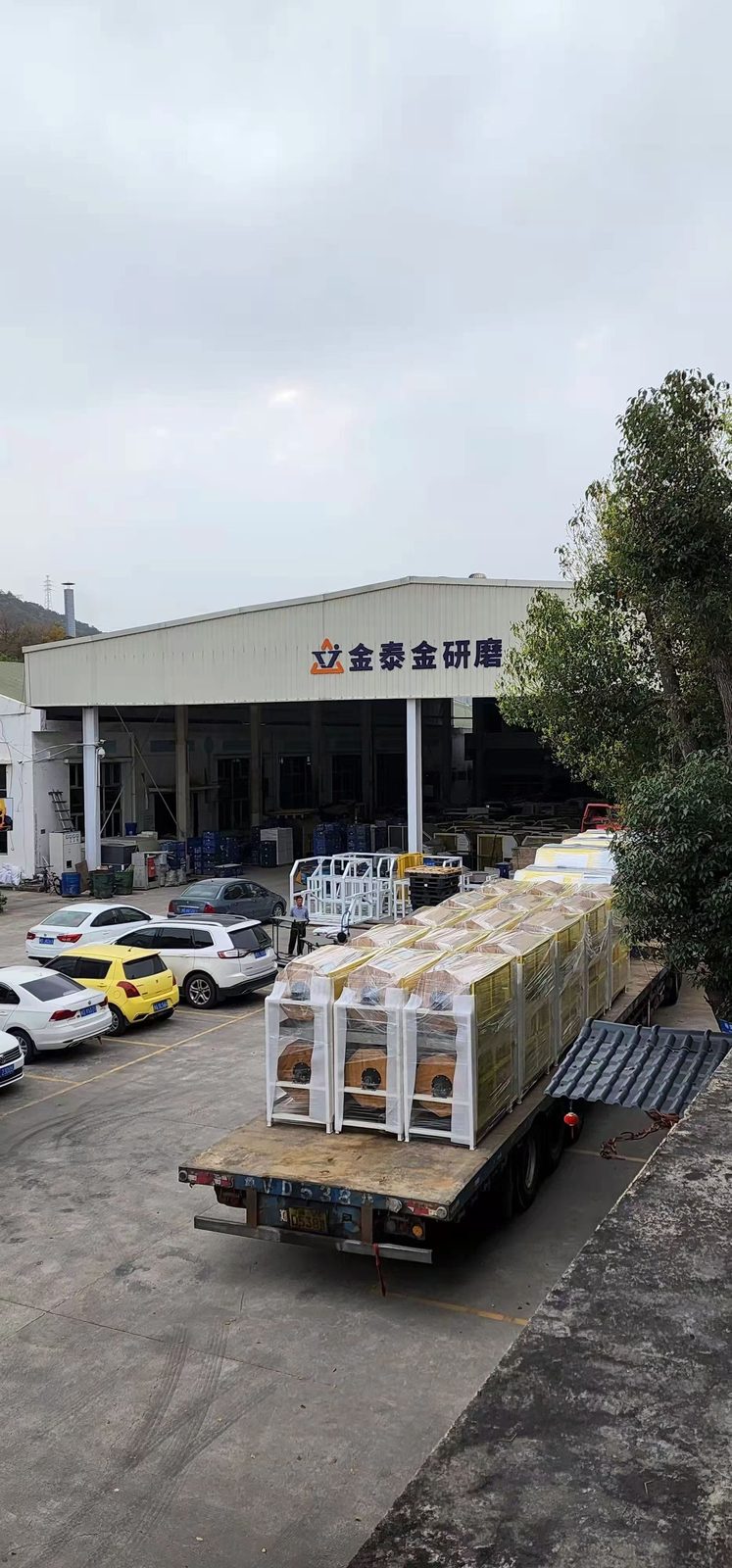
At Xiamen Jin Tai Jin Grinding Technology Co.,Ltd. (brand: Jings Polish), our workshop roots date back to 1996 and our company was formally established in 2009, delivering over 200,000+ sets of grinding and polishing solutions worldwide. Across our catalogue, we manufacture 21 machine platforms backed by 24 granted Chinese IP rights (1 invention patent, 15 utility model patents, and 8 design patents), under ISO 9001 certification 00726Q01571R001 (valid 2026-06-03 to 2029-06-02) and CE certifications M.2023.206.C88121 (Vertical, 8 models) and M.2023.206.C88120 (Horizontal, 13 models), valid until 2028-07-24.
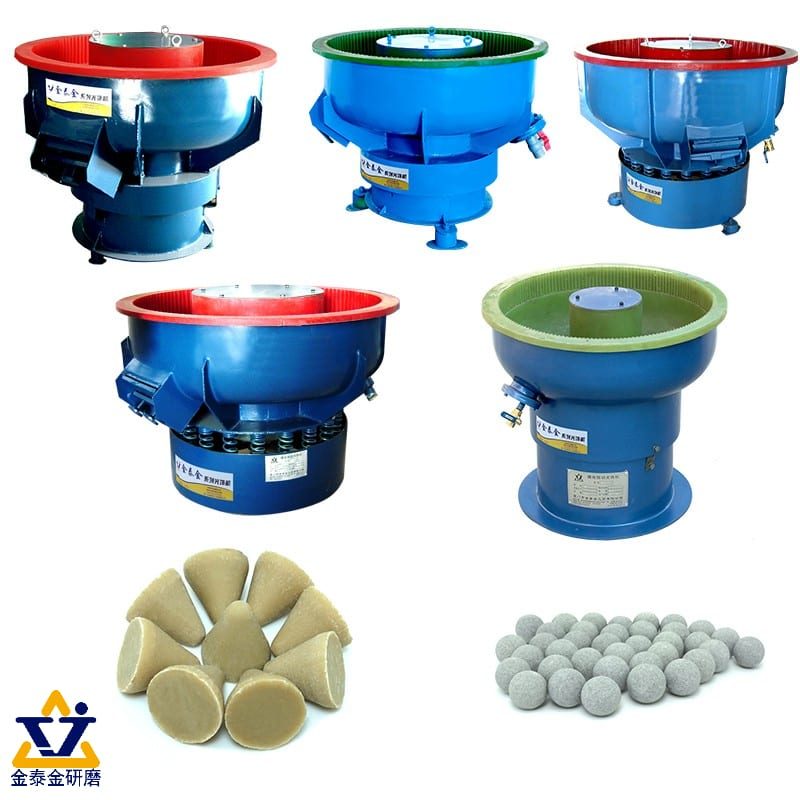
To keep boundaries clear: we supply industrial mass finishing machines (vibratory bowls, divided troughs, octagonal rotary barrels, centrifugal disc and drag finishers, magnetic tumblers, heated centrifugal spin dryers), tumbling media, and our catalog liquid compounds (MC8, LC10, JTJ20, JTJ25, JTJ50, JTJ60, JTS5, HM3); we do NOT supply electroplating chemicals, custom chemical-cleaning formulations, blasting grit, or contract job-shop polishing services.
Honest Lead Times and Engineering Assessment
Standard machines ship in 25–35 days, while custom multi-stage finishing lines require 45–60 days. Because alloy grade, incoming oil/scale condition, and downstream coating plans dictate which compound and media sequence fits best, we do not promise free sample trials by mail or guarantee cycle times before inspecting your workpiece—send clear photos of your parts showing incoming rust, scale, oil, or burrs via our custom polishing solution page for an engineering assessment. Photos showing both raw incoming condition and target brightness let our engineering team recommend the exact compound sequence on the first reply, saving your shop weeks of trial-and-error chemical testing.
Frequently Asked Questions
What is the best compound for steel deburring in a vibratory tumbler?
For clean carbon steel or stainless steel deburring, LC10 is the standard choice to keep ceramic media sharp and suspend metal fines. If parts also carry rust, mill scale, or weld tint, use MC8 descaling compound first.
Can I run a vibratory tumbler with just water and no compound?
No. Plain tap water causes ceramic stones to glaze over with oil and metal mud, drops cut speed rapidly, allows metal galling, and triggers immediate flash rust on carbon steel parts.
How do I keep carbon steel parts from rusting after using MC8 descaler?
Flush parts immediately in clean water containing a rust-inhibiting rinse upon unloading, then dry them right away inside a heated centrifugal spin dryer so zero moisture lingers in threads or holes.
Which compound should I use for bright stainless steel burnishing?
After deburring, rinse parts clean and run JTJ50 brightening compound with high-alumina porcelain spheres or stainless steel burnishing media for a dense, bright stainless luster.
Why is thick foam overflowing my vibratory bowl?
Excessive foam indicates over-concentrated compound dosing or insufficient fresh water flow-through. Lower the compound dosing rate and increase clean water flush until foam stays light and controlled.
What details should I share before requesting a compound and equipment recommendation?
Send clear photos of your parts showing current rust, scale, oil, or burrs, along with alloy grade, downstream plating/painting plans, and machine format. Our engineers can match the right MC8, LC10, JTJ50, or JTS5 sequence from photos and specs.
[DESIGN: Annotated buyer enquiry checklist showing part photos, incoming scale/oil notes, alloy grade, and downstream coating]
 +86-592-2381506


 IPv6 network supported
